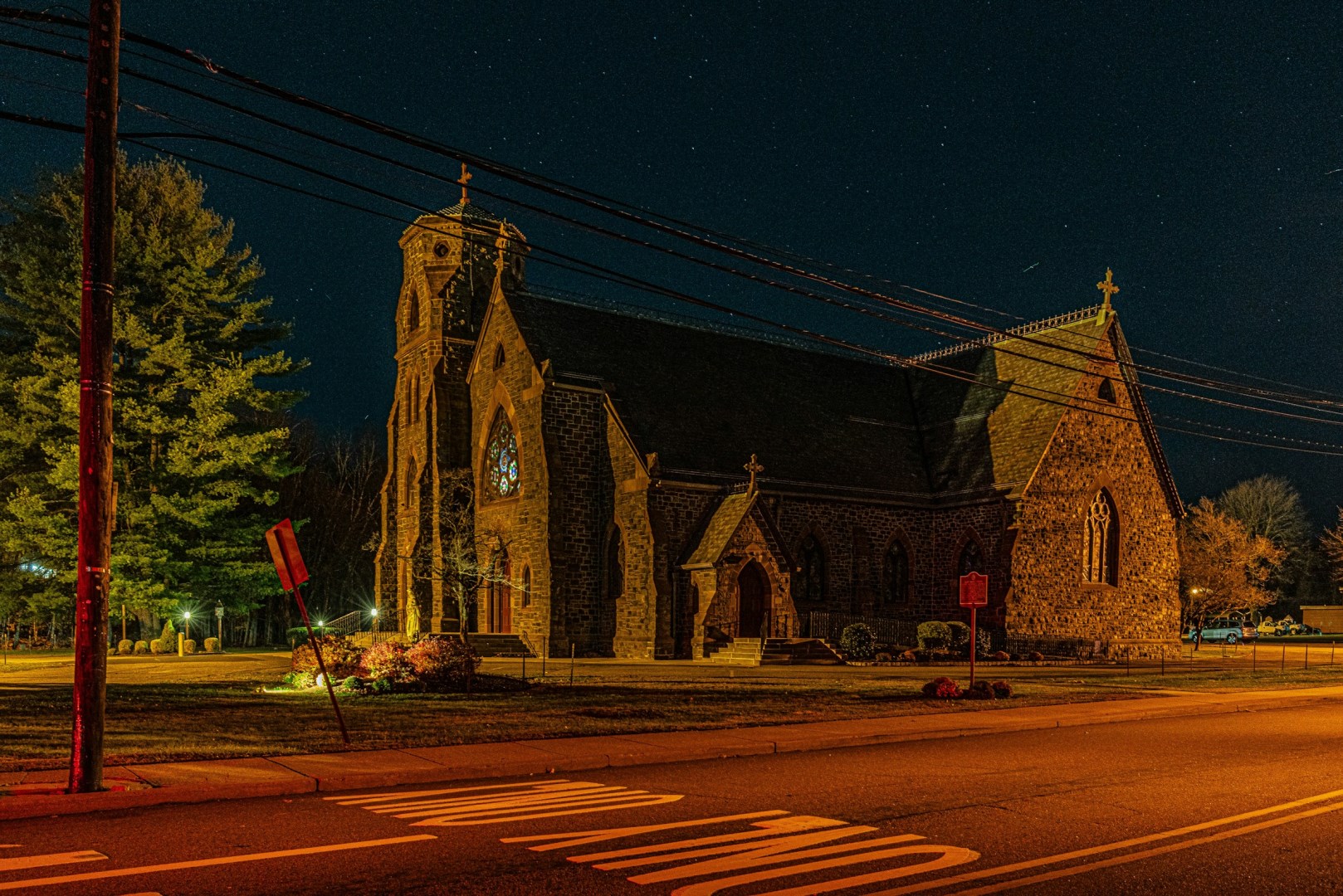
Dover, located in Morris County, New Jersey, is a small yet historically rich town nestled along the Rockaway River about 30 miles west of New York City. Founded in the early 1700s, Dover grew as an important ironworking and industrial center during the 18th and 19th centuries, thanks to its proximity to the Morris Canal and the region’s abundant natural resources.
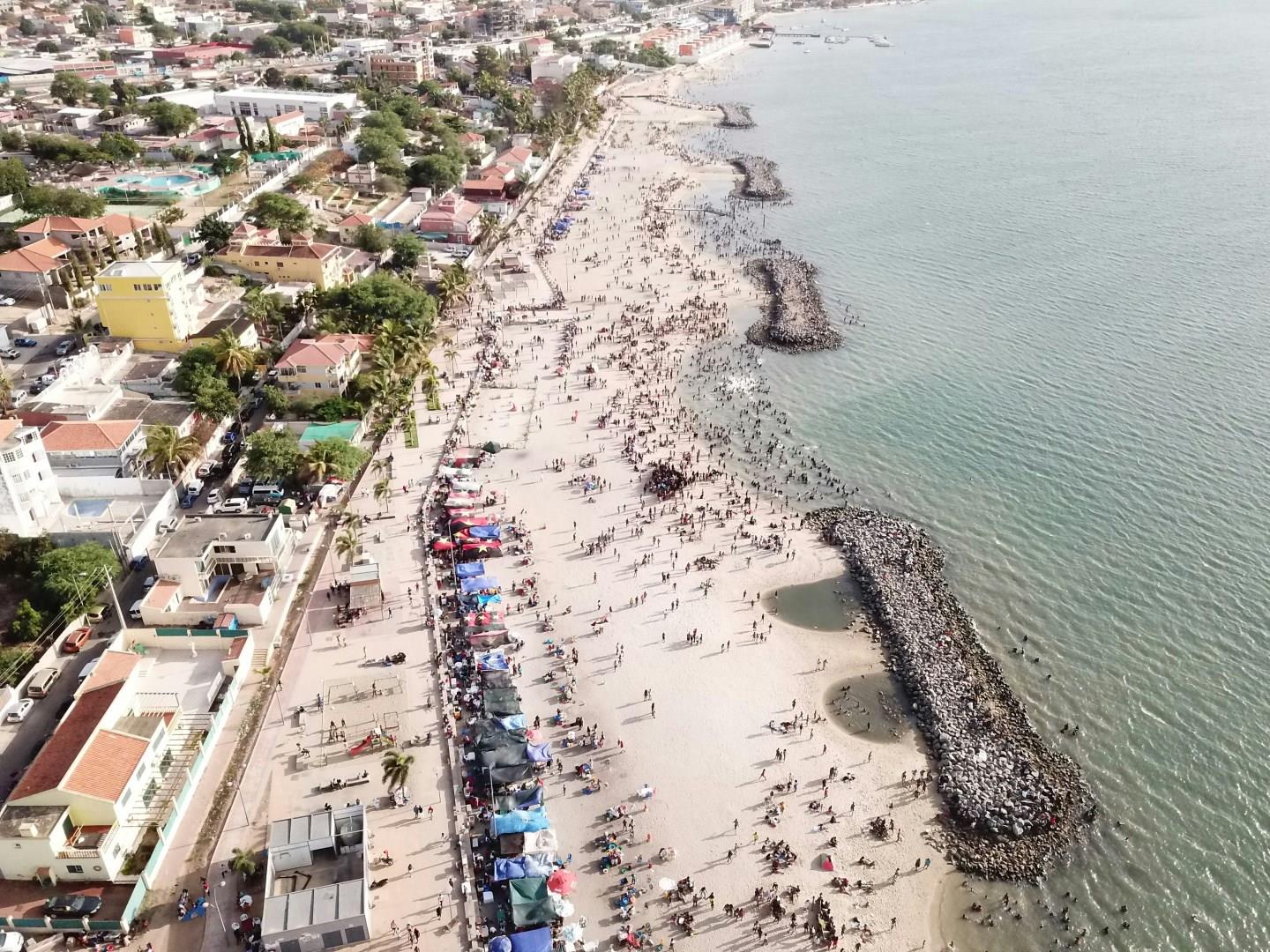
Luanda, the vibrant capital of Angola, is the country's largest city and primary economic hub, known for its bustling energy and rich cultural scene. Modern Luanda is characterized by its dynamic growth and development. The city boasts an impressive skyline, including the Avenida 4 de Fevereiro, a major thoroughfare lined with modern high-rises and vibrant markets. The Baía de Luanda, a stunning bay area, offers beautiful waterfront promenades and opportunities for relaxation and leisure.
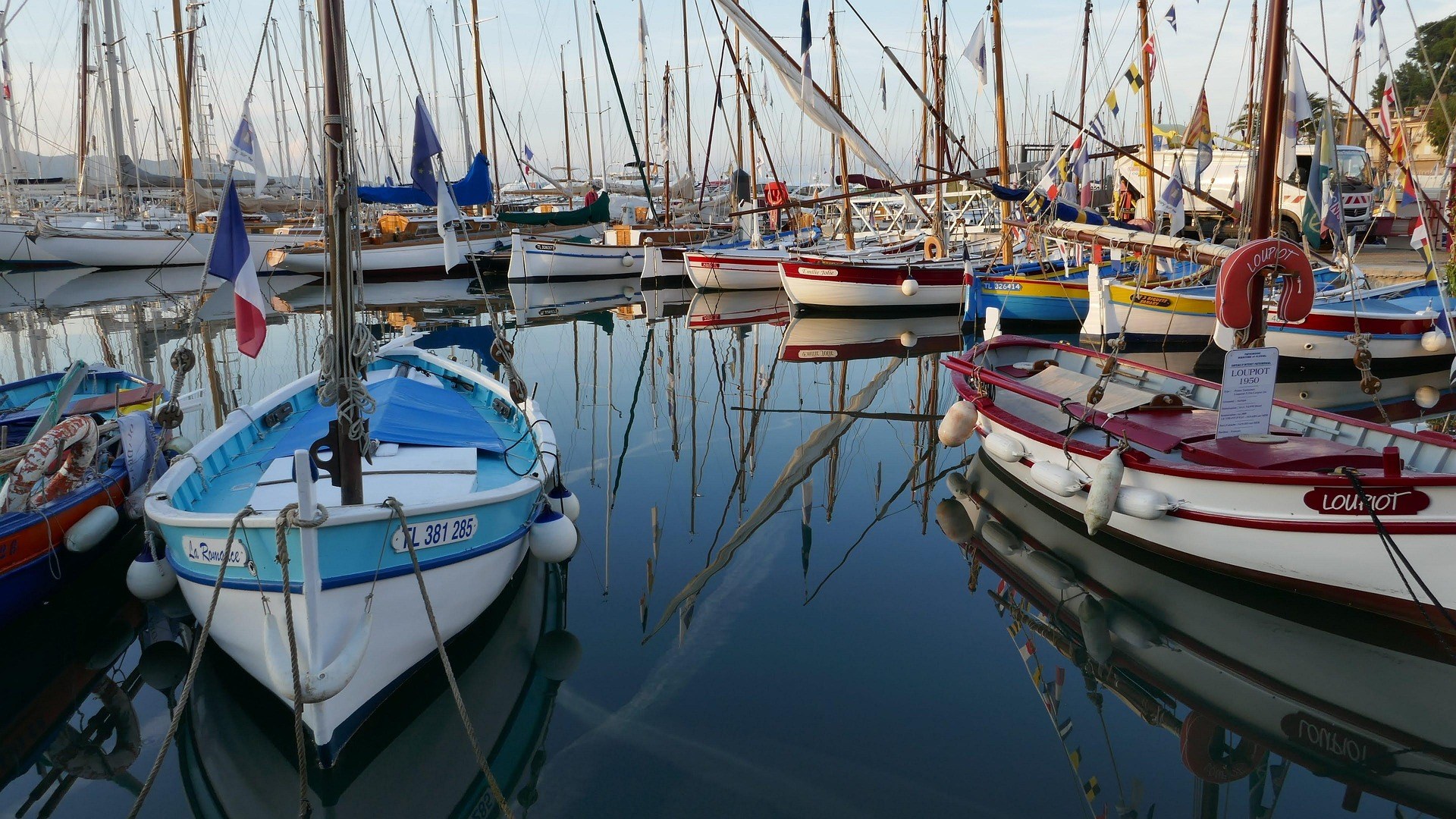
Sanary-sur-Mer is a Mediterranean town on the Var coast of Provence, set around a sheltered bay between Toulon and Bandol. Its identity is closely tied to its fishing harbor, where traditional Provençal boats known as pointus remain an important feature. The waterfront is surrounded by narrow streets, small squares, cafés, and colorful façades, while beaches and wooded hills extend beyond the town center.
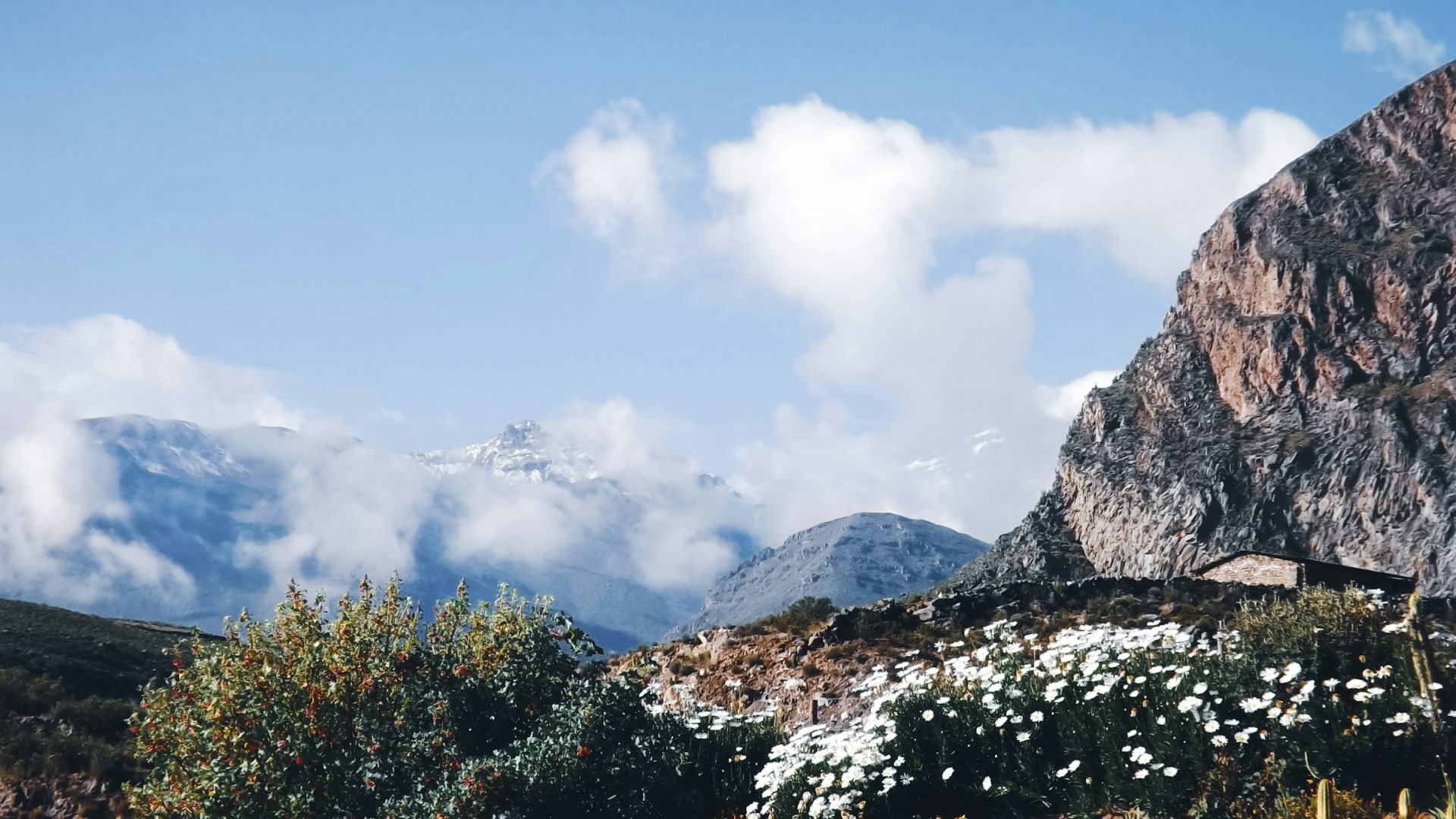
Chivay is a highland town in Peru’s Arequipa Region and the main urban center of the Colca Valley. Set at more than 3,600 meters above sea level, it lies among cultivated slopes, rugged mountains, and deep valleys shaped by the Colca River. The town serves as an important gateway to the Colca Canyon and surrounding communities, with accommodations, restaurants, markets, and transport connections supporting visitors exploring the area.
The dazzling capital of the Czech Republic, the explorable Prague has fittingly been nicknamed "the City of a Hundred Spires." Halved by the Vltava River and notable for architecture Baroque, Renaissance, and Gothic, visitors will find much to take in here.
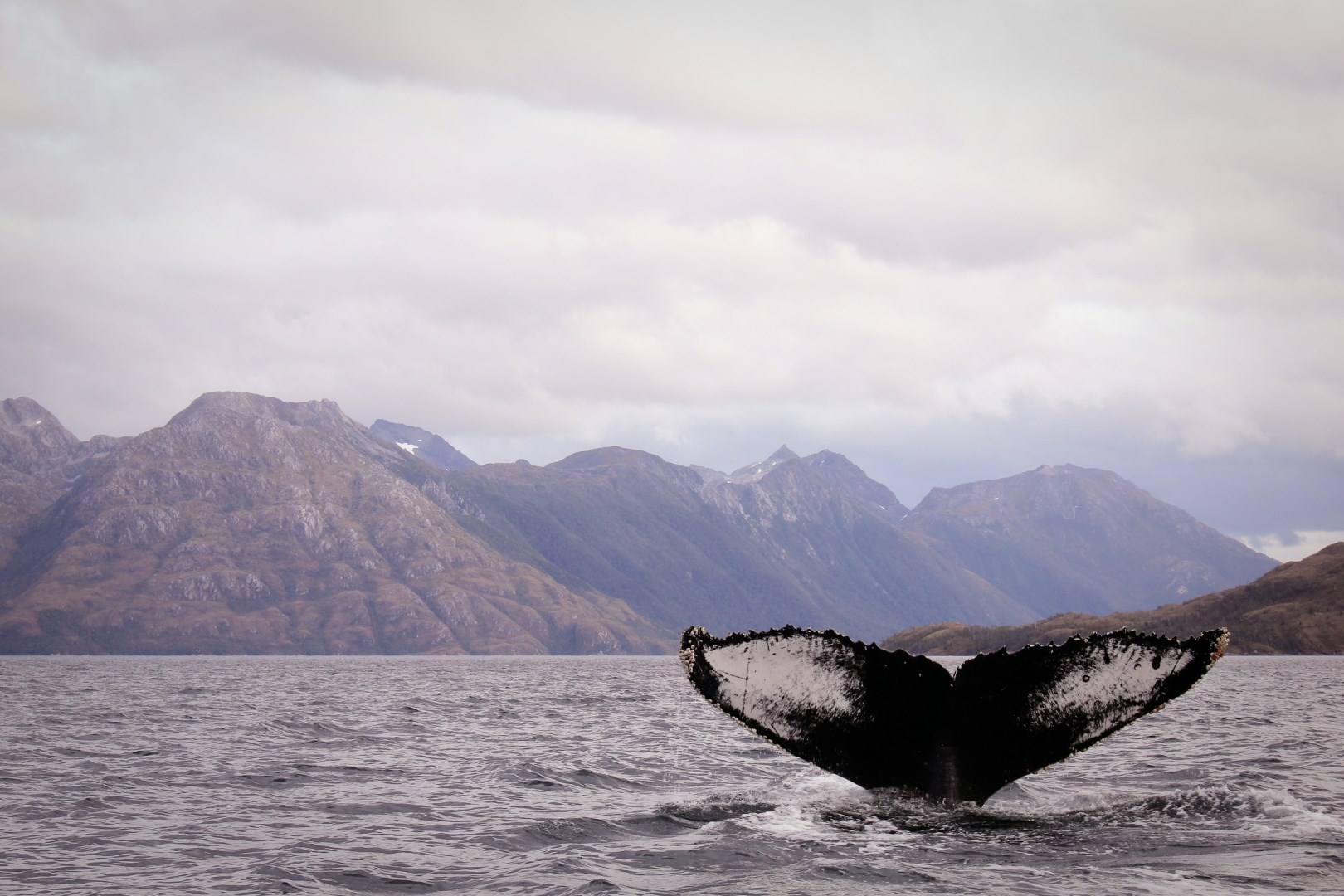
The Strait of Magellan, a pivotal waterway connecting the Atlantic and Pacific Oceans, offers an extraordinary experience for travelers seeking both natural wonder and historical significance. This legendary strait, named after the Portuguese explorer Ferdinand Magellan who navigated it in 1520, is a gateway to the rugged beauty of southern Chile. Visitors can embark on unforgettable cruises to explore the strait's dramatic landscapes, including its towering cliffs, glacial fjords, and the awe-inspiring Tierra del Fuego archipelago.
One of the most captivating features of the Strait of Magellan is its rich history. The region has been a critical maritime route for centuries, and its strategic importance is highlighted by the historic Port of Punta Arenas. This city, the largest settlement near the strait, has a fascinating maritime heritage that can be explored at the Nausicaa Museum and the Magellan Strait Museum (Visit Chile). For those interested in indigenous cultures, the nearby Yaghan Museum offers insights into the life and traditions of the indigenous Yaghan people who have lived in this challenging environment for millennia,
Nature lovers will be enthralled by the diverse wildlife that inhabits the strait. The waters are home to a variety of marine life, including penguins, sea lions, and even the occasional orca. A visit to Isla Magdalena allows for close encounters with large colonies of Magellanic penguins, which nest on the island from September to April. Additionally, the region’s glaciers and national parks offer breathtaking scenery and ample opportunities for hiking and outdoor adventure.
Fun Fact: The Strait of Magellan was once considered the only feasible route for ships traveling from the Atlantic to the Pacific until the construction of the Panama Canal. This historical significance makes it not only a natural marvel but also a key piece of maritime history.
Other Popular Destinations in Chile
Santiago
Flanked by the Chilean Coast Range and the snowy Andes, Chile's largest metropolis offers a dazzling array of sights and attractions for visitors to pursue. Mirrored skyscrapers, 16th-century churches, hip cafes, dance clubs... and did we mention the delicious Chilean cuisine?
Cape Horn
Located off the southern coast of Chile, Cape Horn is a coastal headland on Isla Hornos, the southernmost island in the Tierra del Fuego archipelago. The Cape Horn Monument provides a spectacular panoramic view of the Pacific and Atlantic Oceans. This rocky cliffside is a popular stop for Antarctic and South American cruises.