

Las Vegas
Las Vegas, Nevada, is an electrifying city where glitz and glamour meet entertainment and excitement. Known as "The Entertainment Capital of the World," Las Vegas offers an unparalleled array of attractions, from its iconic casinos and luxurious hotels to its world-class dining and live shows. The city's entertainment scene is second to none, featuring legendary headliners, cutting-edge performances, and an array of themed attractions.

Dominica
Dominica, known as the “Nature Island of the Caribbean,” is a haven for eco-tourists and adventure seekers. Nestled between the French islands of Guadeloupe and Martinique, this lush island boasts a remarkable landscape of volcanic mountains, dense rainforests, and stunning waterfalls. Dominica’s most iconic natural wonder is the Boiling Lake, the second-largest hot spring in the world.
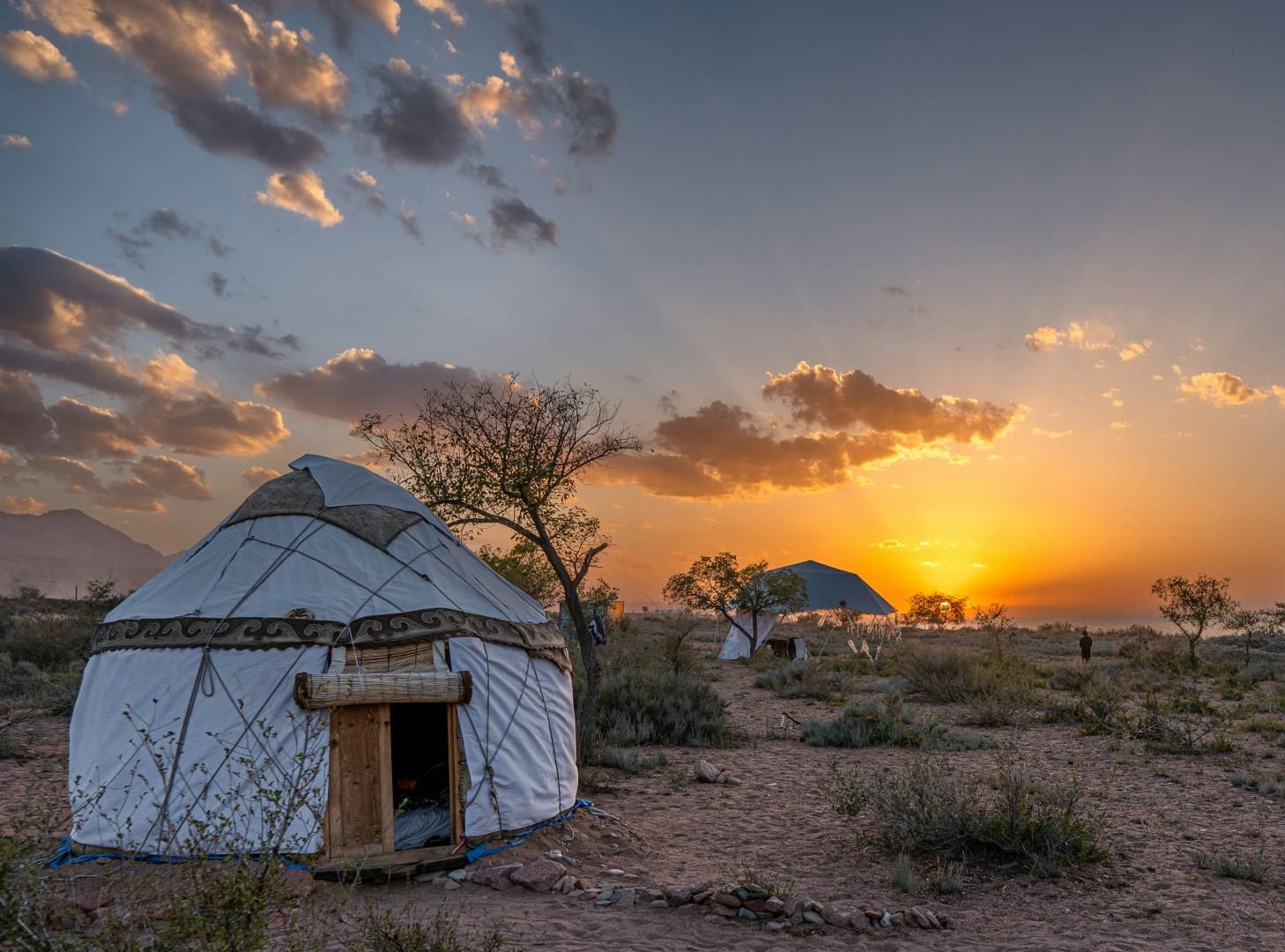
Kyrgyzstan
Kyrgyzstan, a country in Central Asia, is known for its rugged mountains, alpine lakes, and rich nomadic traditions. The Tien Shan mountain range dominates the landscape, offering opportunities for hiking, horseback riding, and exploring remote villages.
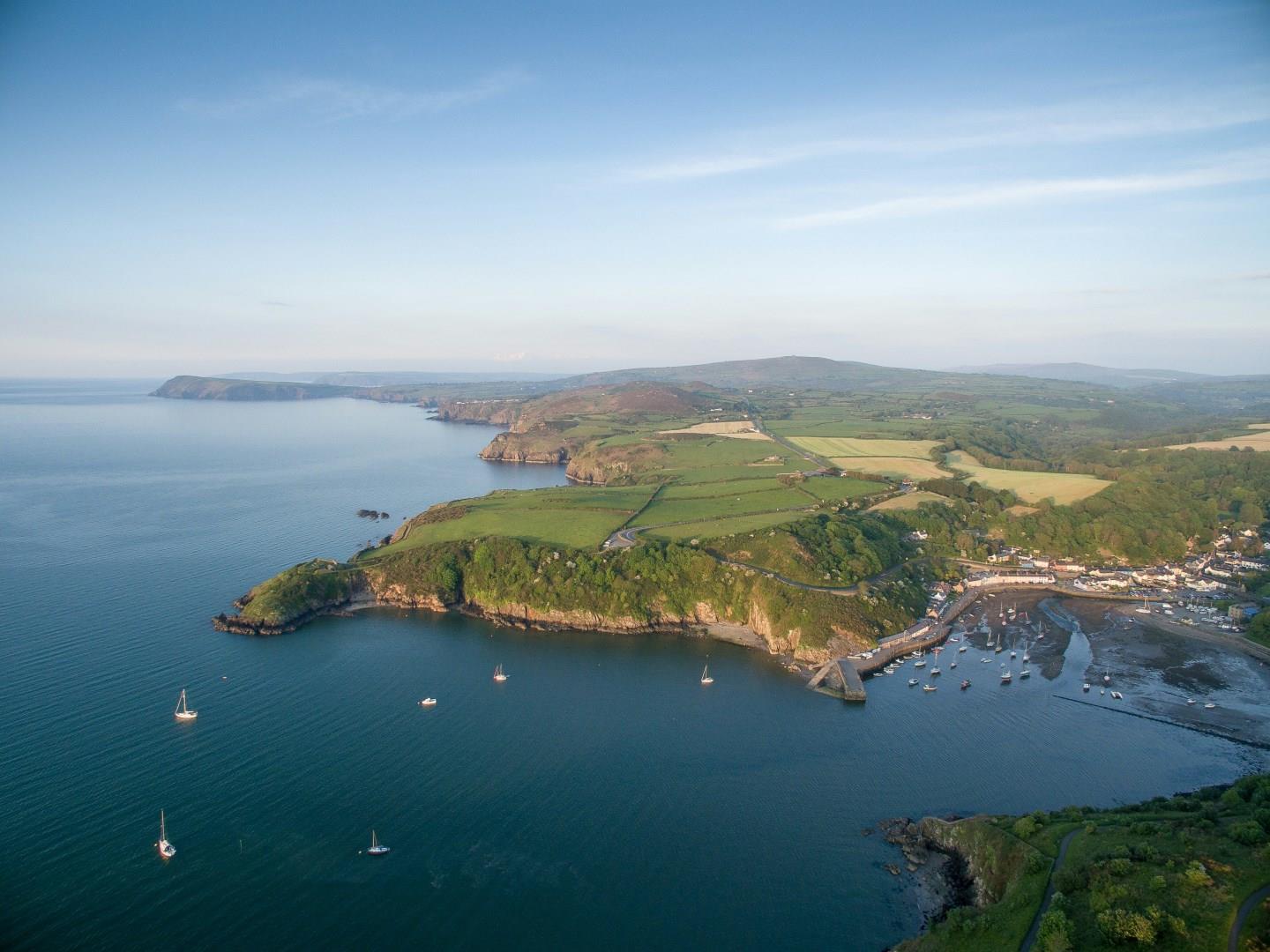
Fishguard
Fishguard, a coastal town in north Pembrokeshire, is divided into two parts: Fishguard and Lower Town. Lower Town is a small harbor nestled at the mouth of the River Gwaun, lined with fishing cottages and boats. It has served as a filming location for several productions, including the 1956 movie *Moby Dick* starring Gregory Peck. Visitors can walk the quayside, explore rock pools at low tide, or take boat trips along the Pembrokeshire Coast.
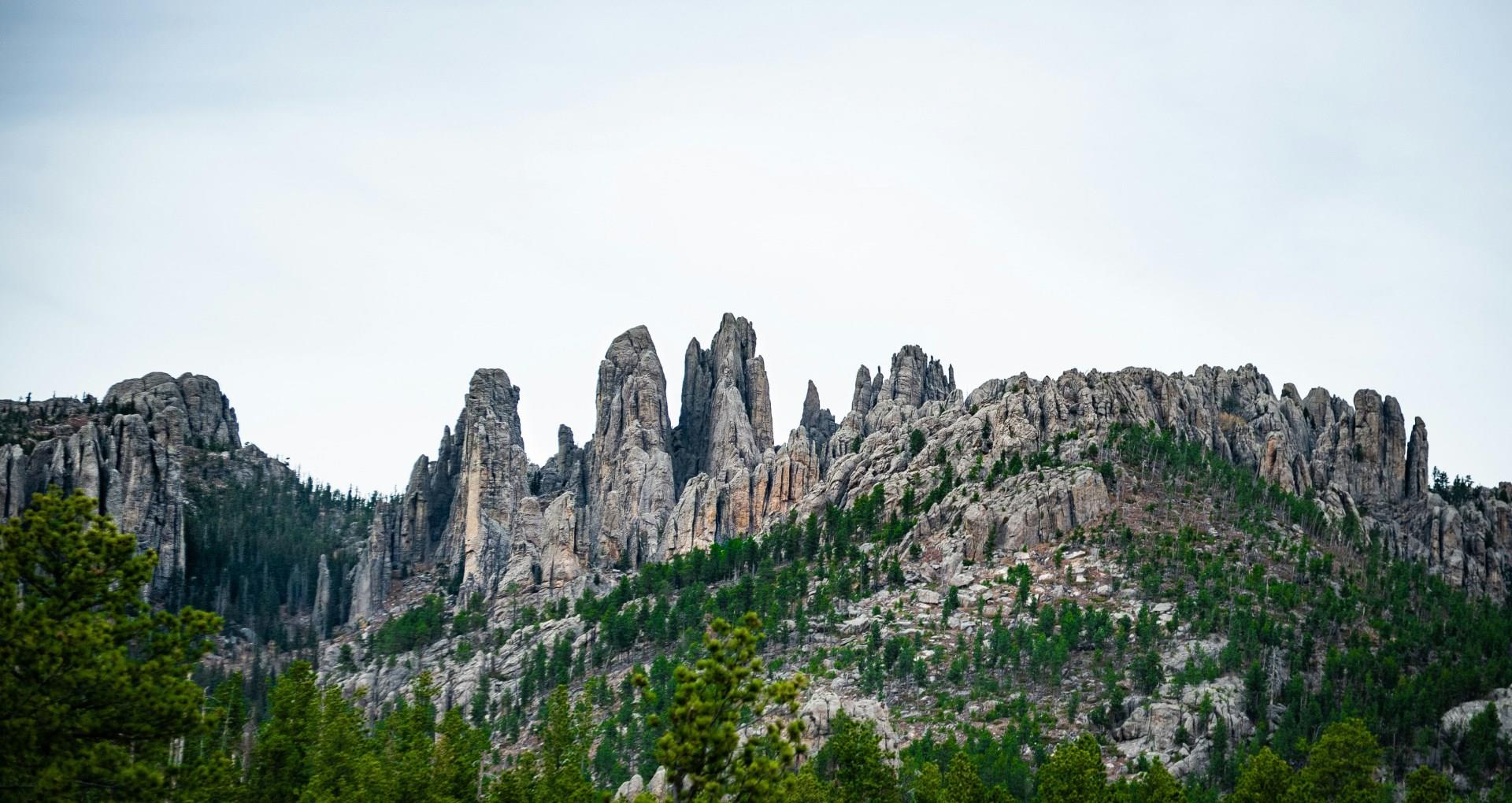
Custer State Park
Custer State Park, nestled in the Black Hills of South Dakota, offers a tapestry of natural beauty and wildlife. Known for its scenic drives and outdoor activities, the park is a haven for nature enthusiasts and adventure seekers alike. One of its most famous routes, the Needles Highway, weaves through towering granite spires and narrow tunnels, providing breathtaking vistas of the rugged terrain.


