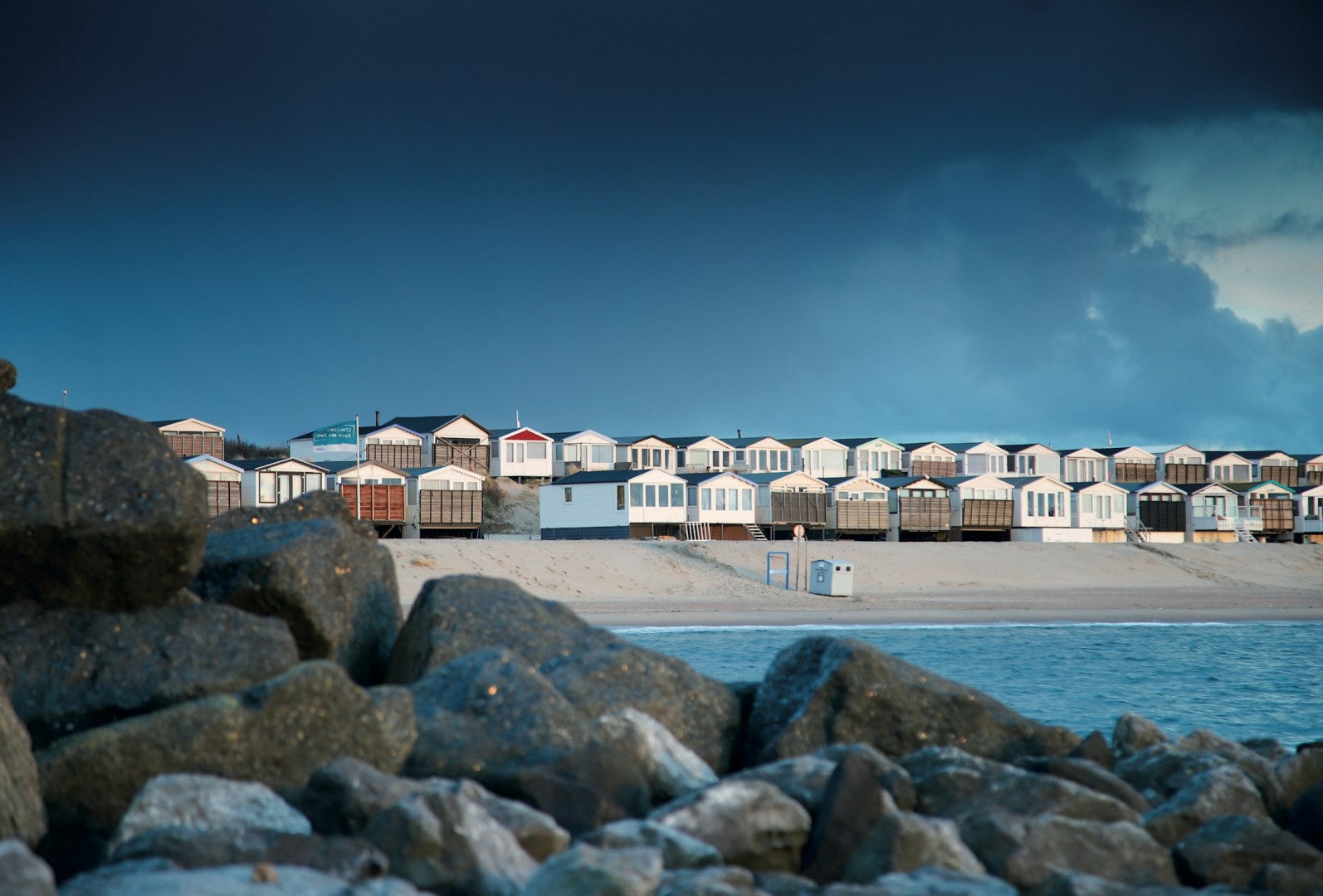
IJmuiden is a North Sea port town in the province of North Holland, positioned at the mouth of the North Sea Canal. Its identity is closely tied to fishing, shipping, industry, and the sea, with working harbors and large vessels forming part of the everyday landscape. The town also has a broad sandy coastline and extensive dunes, creating a contrast between maritime industry and open coastal scenery.
Looe is a small seaside town on the south coast of Cornwall, England, divided by the River Looe into East and West Looe and connected by a graceful stone bridge. With origins as a medieval port, the town has long been shaped by fishing and seafaring, traditions that still define its identity today.
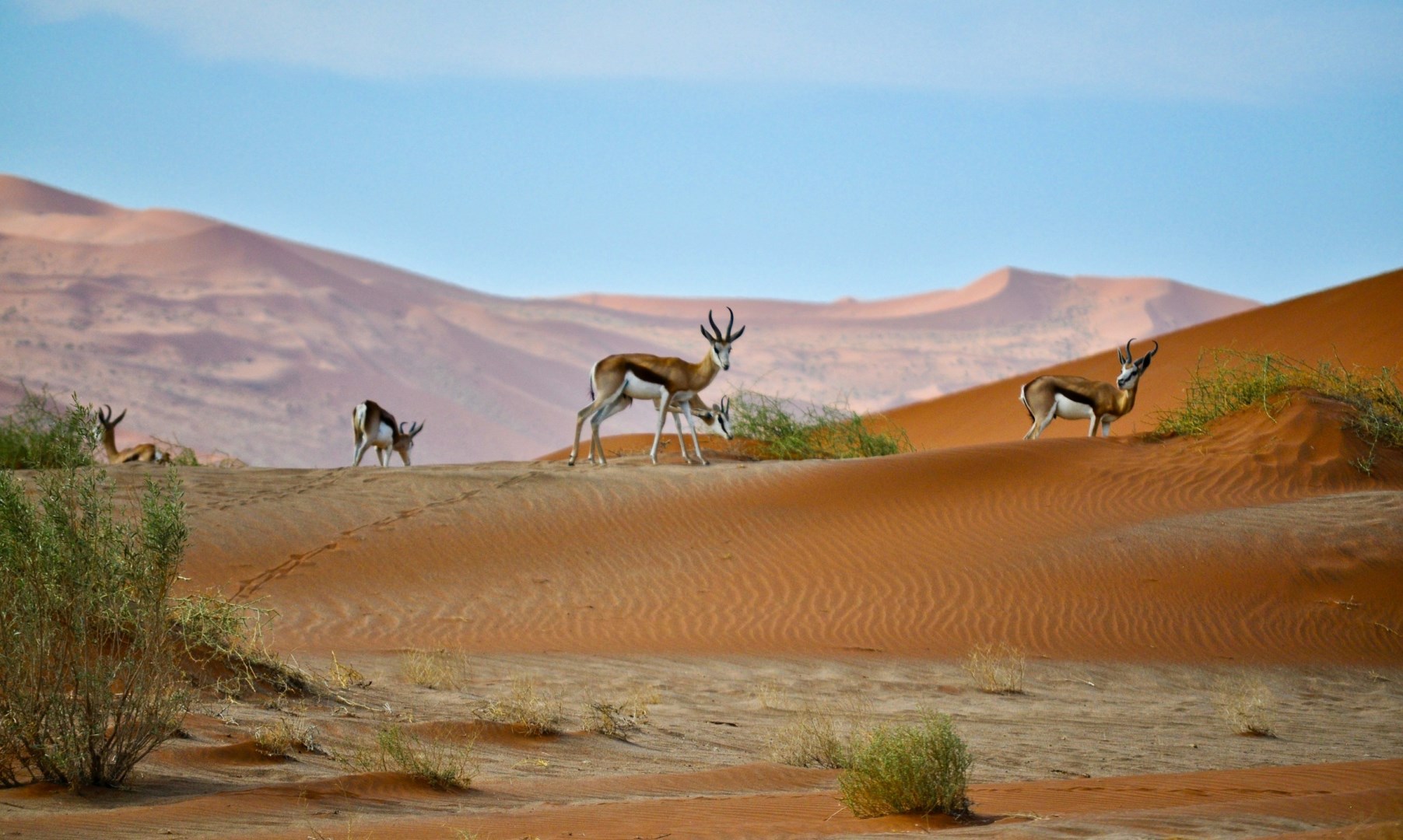
Sesriem, located in the heart of Namibia’s Namib Desert, serves as the gateway to the world-famous Sossusvlei and Deadvlei, two of Namibia’s most iconic landscapes. The dramatic red dunes of the Namib Desert, some of the highest in the world, are an awe-inspiring sight, particularly at sunrise when the light casts long shadows, creating an otherworldly contrast of colors.
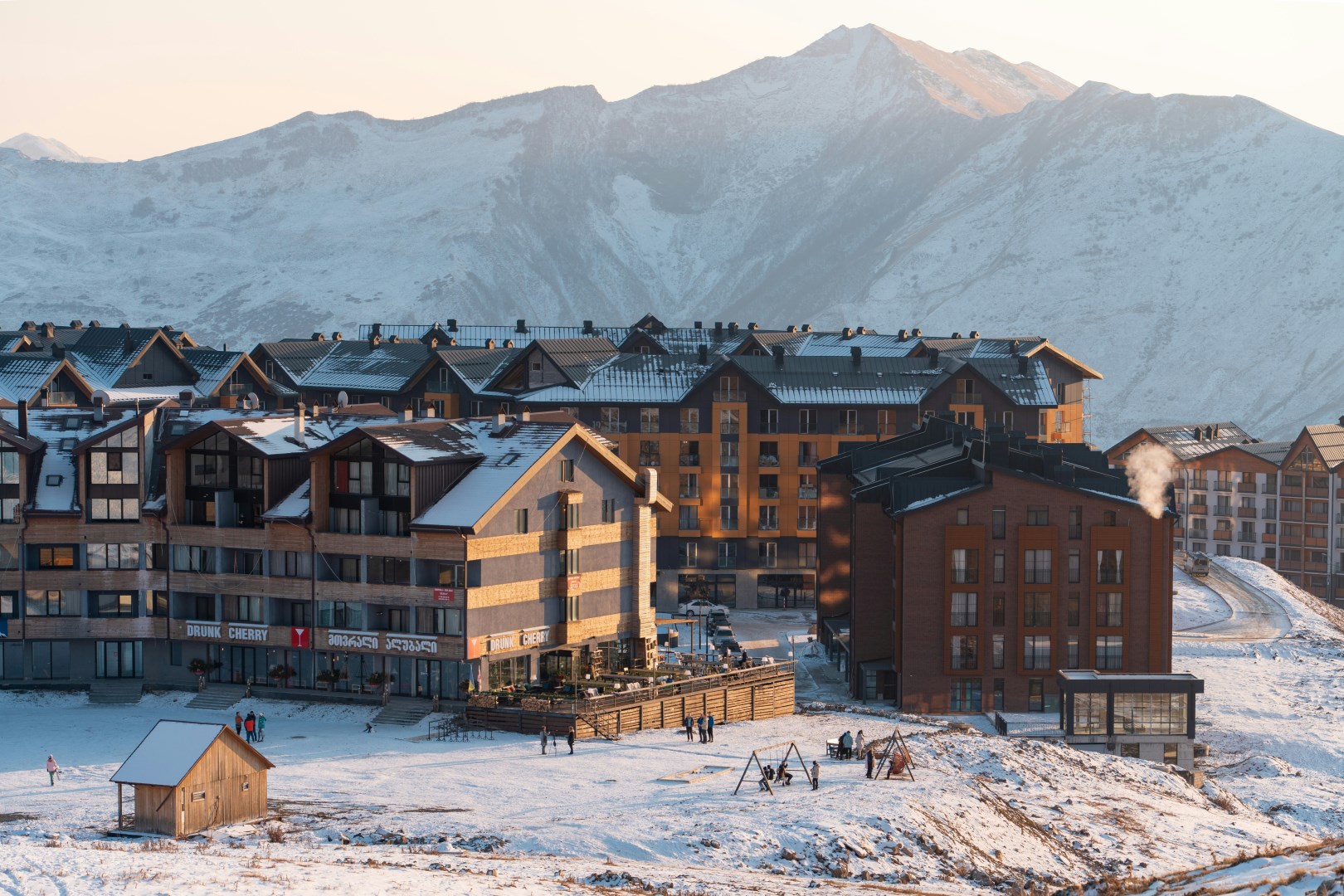
Gudauri is a mountain resort in northeastern Georgia, located along the Georgian Military Highway in the Greater Caucasus range. The settlement is known as one of the country’s main ski destinations, with long winter seasons and wide alpine slopes that attract skiers, snowboarders, and paragliders.
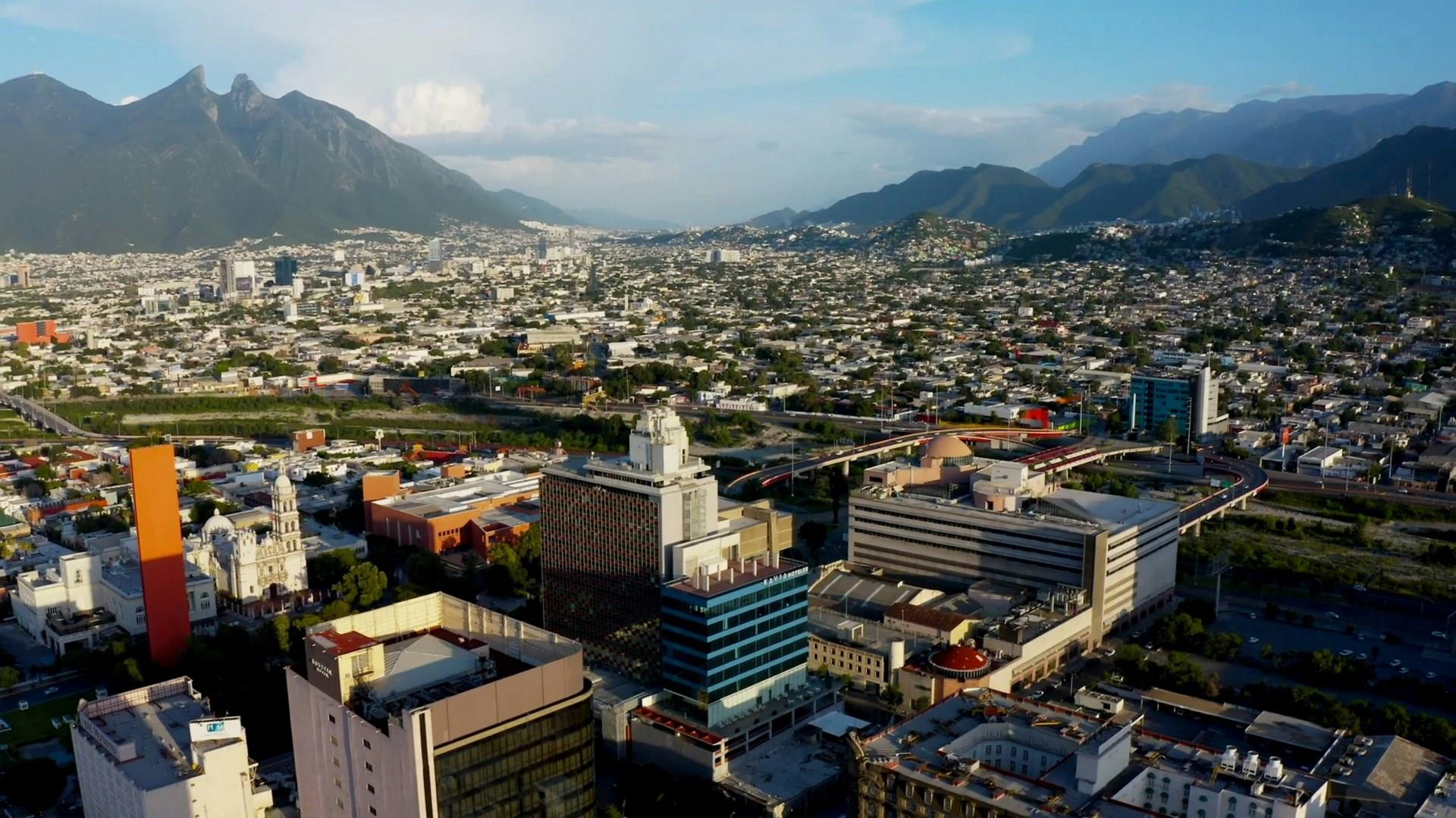
Monterrey, the capital of Nuevo León, stands at the foot of the Sierra Madre Oriental and has long been recognized as one of Mexico’s most industrial and innovative cities. The Macroplaza is one of the largest public squares in Latin America and links historic buildings like the 18th-century Metropolitan Cathedral with newer sites like the Museo de Historia Mexicana and the Faro del Comercio, a towering orange structure that beams a green laser across the sky each night.
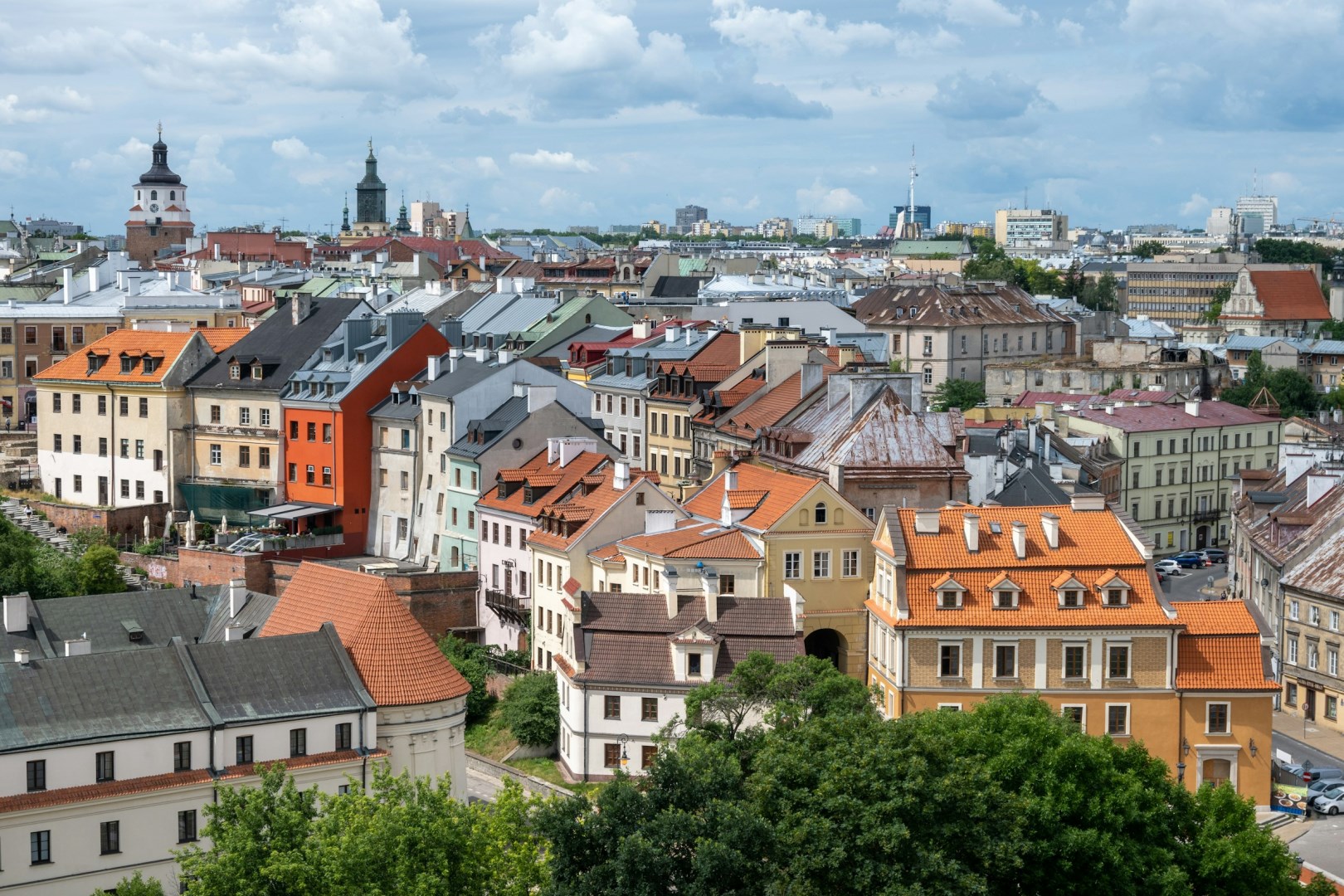
Photo Credit: Photo by Tomasz Zielonka on Unsplash
Located on a trade route to Lithuania and Russia, Lublin was already an important center by the time it received its municipal charter in 1317. The city still remains relatively unknown to foreign tourists. From the original defense walls and the Krakow Gate, the remnant of Lublin's medieval wall system to the town hall and the Renaissance burgher houses in the Market Square, Lublin offers numerous visual delights. The Dominican Church, with its exquisite Firlej Chapel, is a must-see for every visitor. The same stands true for the remains of the Gothic Royal Castle, with its late 14th century Holy Trinity Chapel housing one of the finest examples of medieval Byzantine-style polychromes in Europe.
Lublin is a renowned academic center with its Maria Curie-Sklodowska University and Academy of Medicine. Lublin Catholic University, where pope John Paul II once taught, was established in 1918 and operated continuously throughout the post-war era.
Areas outside of Lublin contain many points of interest as well. An ethnographic park offers a fascinaitng trip through time. Kazimierz Dolny is a picturesque town long favored by artists and writers, and Zamosc, a delightful Renaissance city, is a registered world class heritage location.
Other Popular Destinations in Poland
Kraków
Kraków lies in southern Poland along the Vistula River and serves as one of the country’s most recognized cultural centers. Its layout is shaped by a well-preserved historic core, with streets radiating from a large central square. The city retains a human scale, where daily life unfolds among historic buildings, universities, and markets. It stands apart for its continuity of urban life, where medieval structures coexist with modern institutions without dramatic contrast.
Wroclaw
Wrocław, a captivating gem in southwestern Poland, enchants visitors with its rich history, vibrant culture, and stunning architecture. The city’s picturesque Old Town is centered around the magnificent Market Square (Rynek), where colorful facades and historic buildings like the Gothic Wrocław Town Hall create a fairy-tale atmosphere.