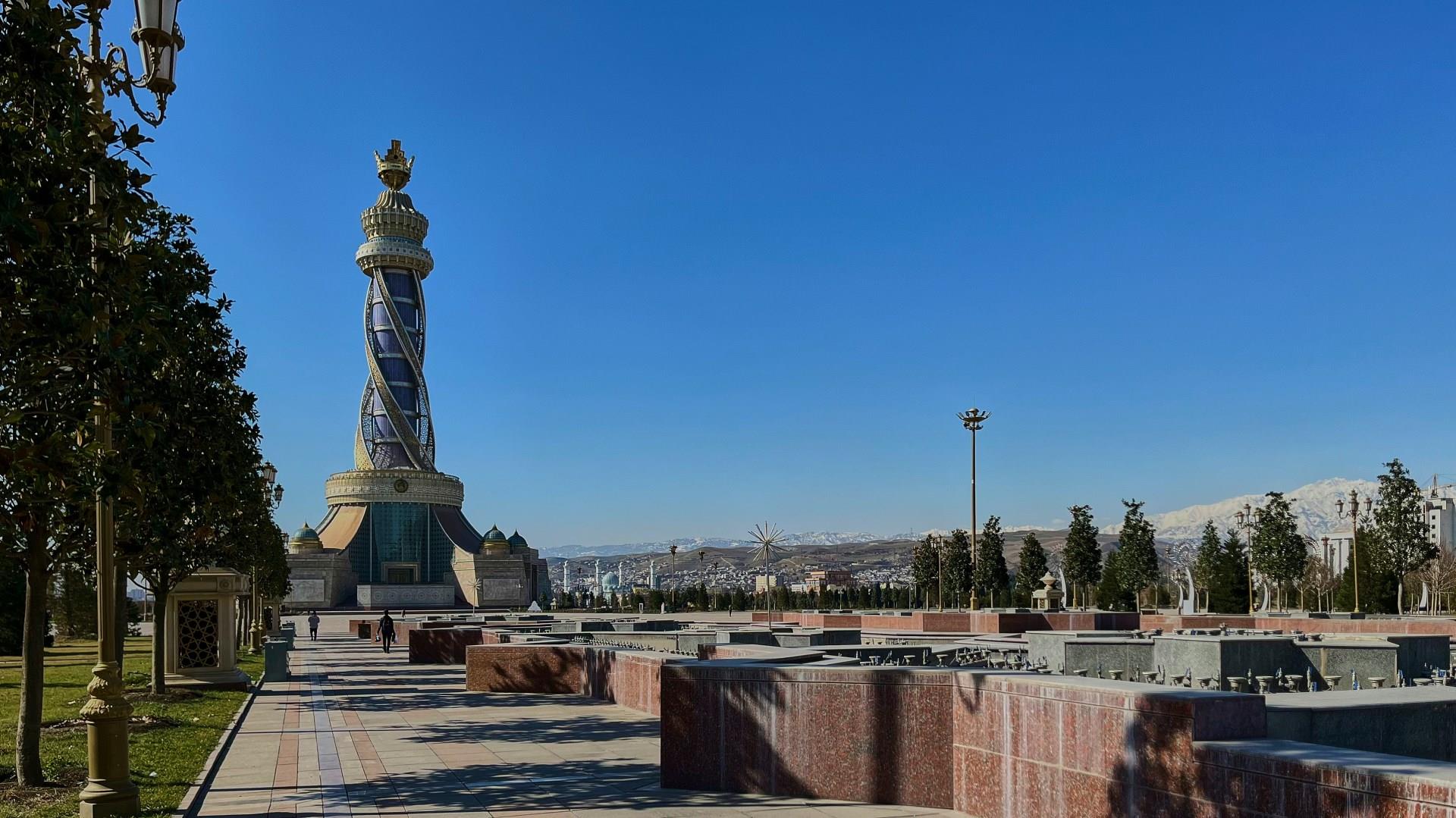
Dushanbe, the capital of Tajikistan, blends Soviet-era architecture with traditional Central Asian culture. The city is known for landmarks such as the National Library, Rudaki Park, and the striking Flagpole Square, which reflect both civic pride and the country’s heritage
Sapporo, (säp-pô´rô), capital of Hokkaido prefecture, SW Hokkaido, Japan. One of Japan's most rapidly growing urban centers, Sapporo is famous for its annual snow festival. It was the site of the 1972 winter Olympics.
The Canary Islands, a Spanish archipelago off the northwest coast of Africa, offer far more than just sunshine and beaches. Made up of eight main islands, each with its own personality, the Canaries are a place where lunar landscapes, cloud forests, volcanic peaks, and historic towns coexist within short travel distances. On Tenerife, Mount Teide looms over a landscape of solidified lava and craters that look like a science fiction set.
Pompeii, Italy, is a mesmerizing time capsule that invites travelers to step back into the world of ancient Rome. Once a thriving city, Pompeii was abruptly buried under volcanic ash and pumice following the catastrophic eruption of Mount Vesuvius in 79 AD. This tragic event preserved the city in remarkable detail, allowing visitors today to walk the cobbled streets and witness a snapshot of Roman life, from grand villas and bathhouses to bakeries and amphitheaters.
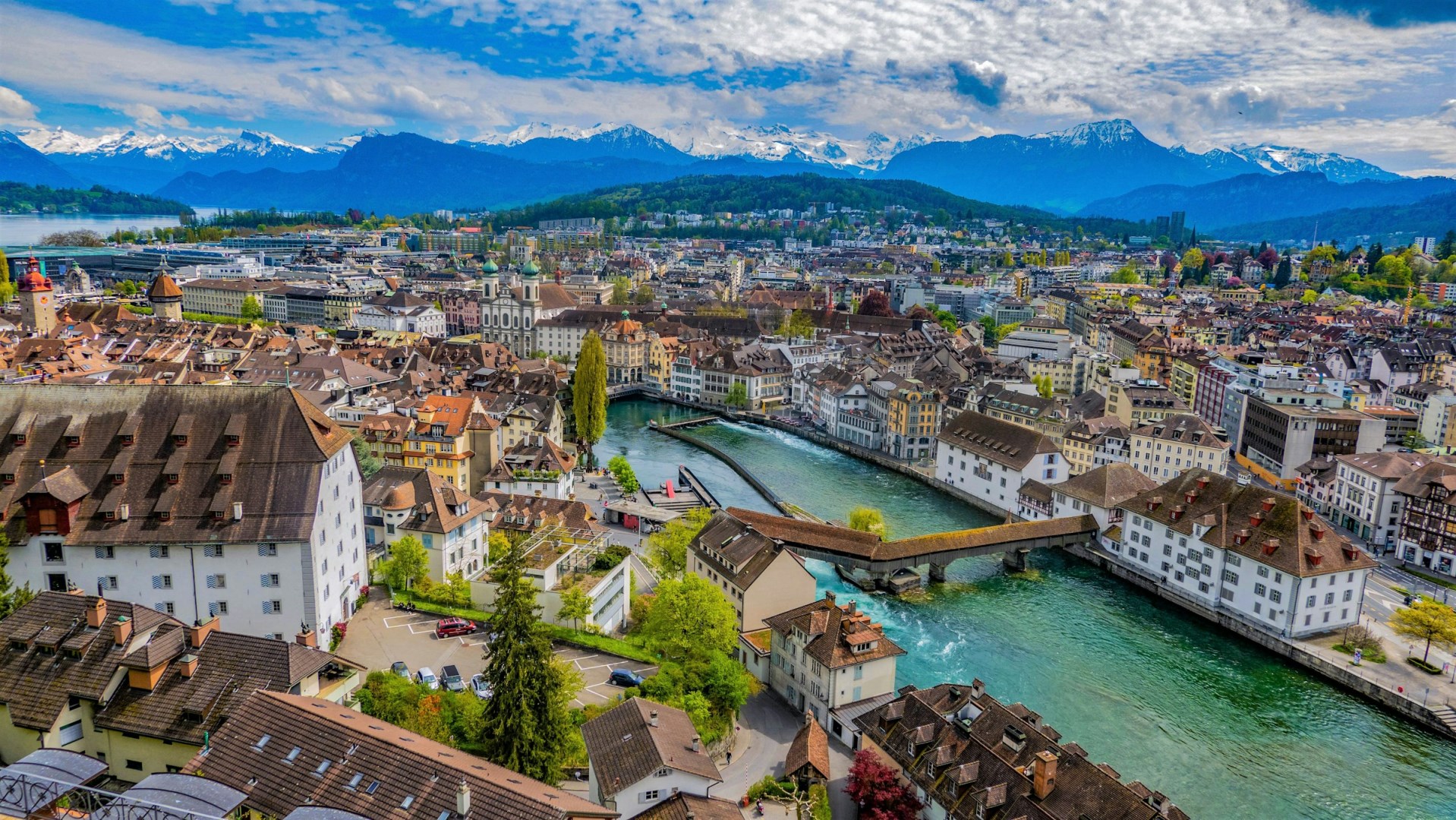
Behold beautiful Lucerne! This German-speaking area of central Switzerland on Lake Lucerne is a truly spectacular locale. Surrounded by mountains and notable for its famous Chapel Bridge, this idyllic and musical Swiss locale is wonderful any time of year.
Newcastle is the capital of the Hunter Valley Region, in New South Wales. Located on the east coast of Australia, the Hunter Region encompasses a land area of approximately 31,000 square kilometers and a resident population of around 544,000 people. Newcastle's population is estimated at 132,000 people. Getting to and from Newcastle is simple. From Sydney, it is a comfortable 2 hour drive (Sydney is 171 kilometers to the south); 30 minutes by air and two hours by passenger train (there is a regular hourly service). There are also direct flights from Brisbane and Canberra. Newcastle is the gateway to the Hunter Valley and is now a very different place to the time when steel and coal industries were the main source of employment. Long gone are the smoky grey industrial images - they have been replaced with elegantly restored historic buildings; picturesque parks and gardens; an extensive selection of restaurants boasting cuisine from around the world; and the natural beauty of its white sandy beaches and harbor. There is a wide selection of magnificent art galleries and museums; nightclubs and eateries; and extensive shopping facilities. The long list of natural attractions
within easy access of the city includes everything from wilderness areas, rainforests and beaches to world famous vineyards. The green rolling hills of Australia's oldest winemaking region are studded with restaurants, guest houses, and of course, the vineyards where more than twenty varieties of grape ripen slowly in the warm summer sunshine to produce some of Australia's finest wines. Lakes, beaches, rivers and bays, combine with lush countryside to make the Hunter
region surrounding Newcastle almost unlimited in its appeal.
Other Popular Destinations in Australia
Sydney
Sydney, Australia, is a vibrant city where iconic landmarks, diverse neighborhoods, and natural beauty converge. The Sydney Opera House, with its striking sail-like design, and the Sydney Harbour Bridge are symbols recognized around the world, yet the city offers much more beyond its famous skyline.
Cairns
Cairns is the majestic entrance to Australia's Great Barrier Reef. This warm, tropical destination is located in Far North Queensland. Must-see attractions in Cairns include the Tjapukai Aboriginal Cultural Park, which educates tourists about indigenous peoples, and restaurant and bar-dotted Cairns Esplanade, which has a lagoon for swimming.