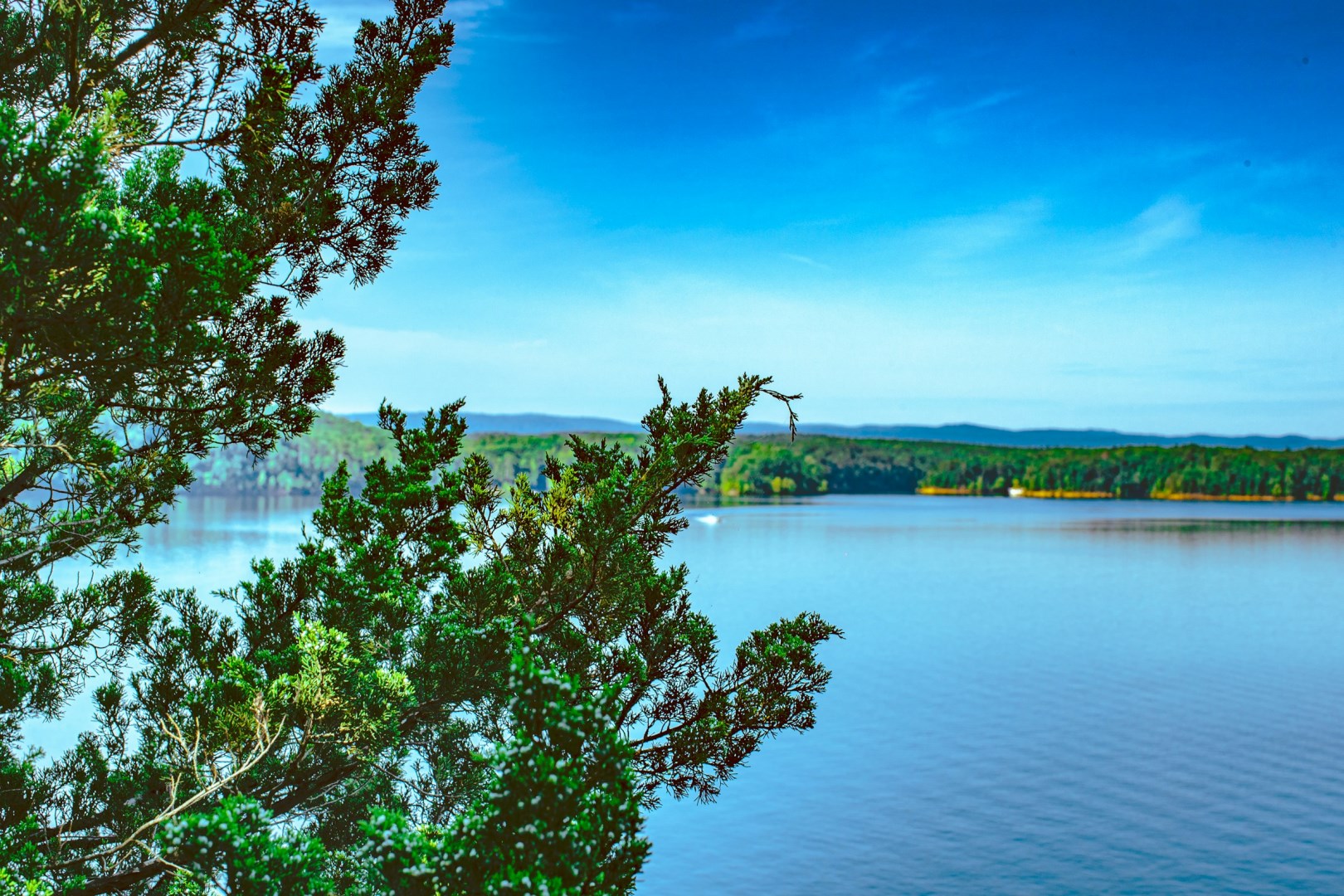
Lake Ouachita is a large reservoir in west-central Arkansas, surrounded by the forested hills of the Ouachita Mountains. The lake lies within the Ouachita National Forest and has a highly irregular shoreline formed by numerous coves, islands, and wooded peninsulas. Its clear water and undeveloped shoreline distinguish it from many reservoirs in more urbanized parts of the state.
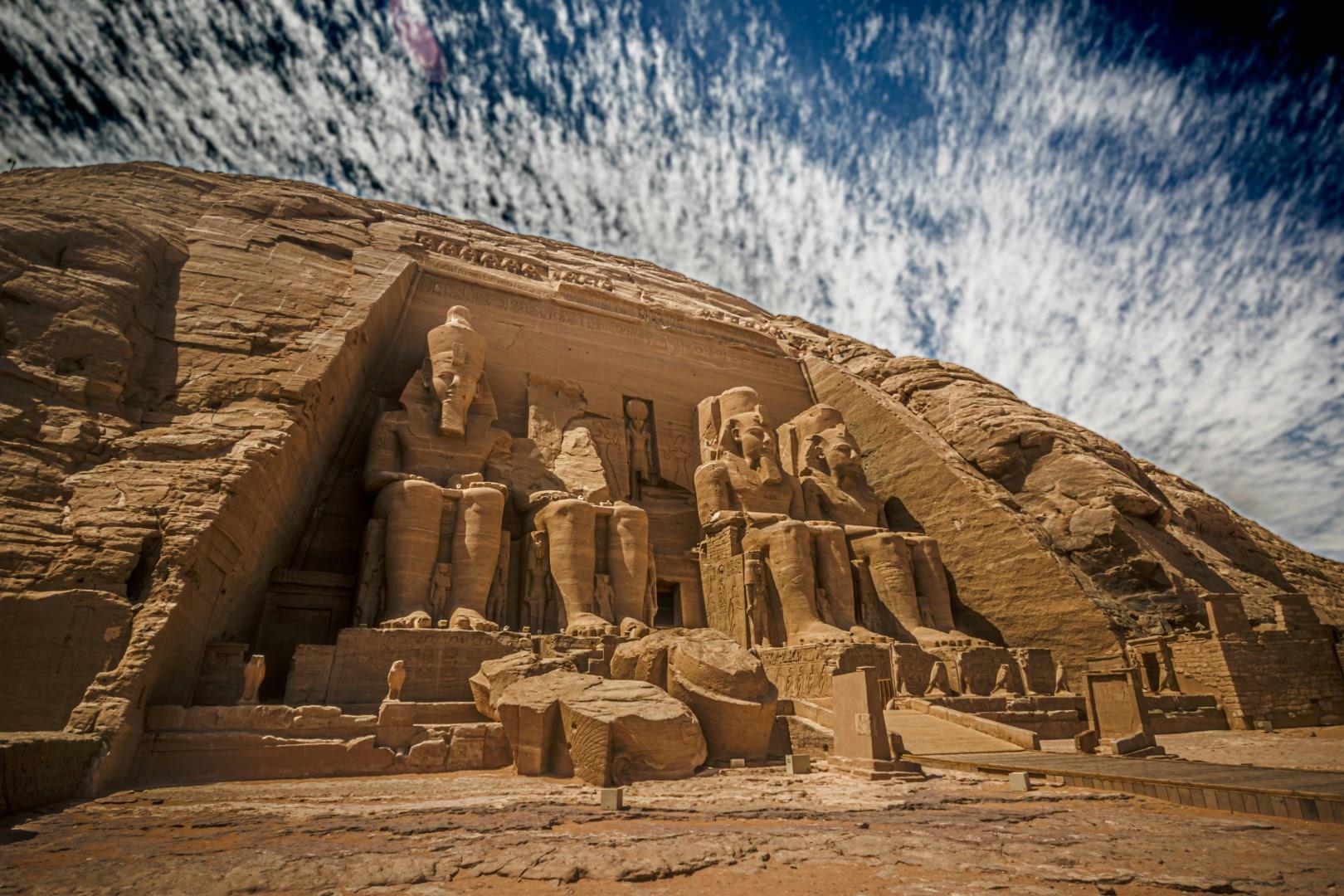
Abu Simbel, in southern Egypt near the border with Sudan, is one of the most awe-inspiring archaeological sites of the ancient world. Built during the reign of Pharaoh Ramses II in the 13th century BCE, the twin temples were carved directly into the sandstone cliffs overlooking the Nile. The Great Temple, with its four colossal statues of Ramses II seated at the entrance, was designed not only to honor the pharaoh but also to project his power to neighboring Nubia.
Surrounded by picturesque vineyards and scenic riverbanks, Chalon-sur-Saône, located along the Saône River, is the perfect base to immerse oneself in the heart of Burgundy’s rich heritage and stunning landscapes. From exploring its charming Old Town with medieval landmarks like the St. Vincent Cathedral to discovering the history of photography at the Musée Nicéphore Niépce, the town offers a unique experience for every traveler.
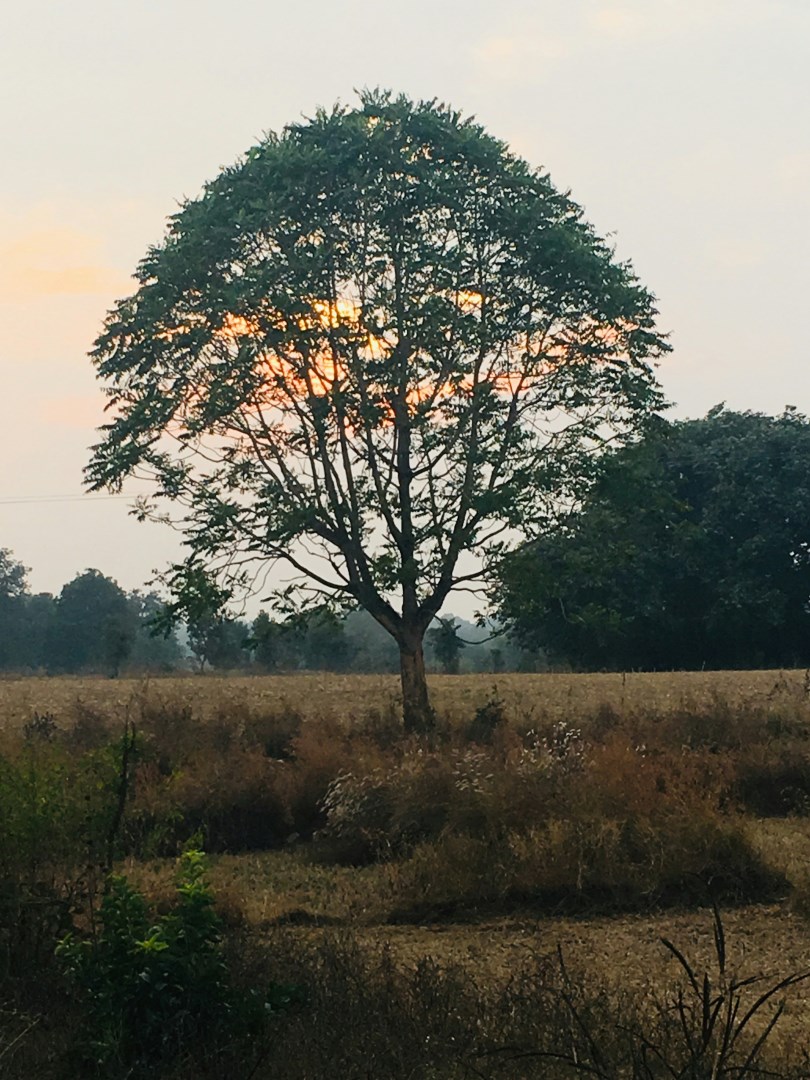
Pench National Park lies in the southern part of Madhya Pradesh, across Seoni and Chhindwara districts, with the reserve extending toward Maharashtra. The Pench River runs through the landscape and gives the park its name. Its forests include teak, salai, mahua, bamboo, and mixed dry deciduous vegetation, interspersed with open grasslands and streams. The park is especially known for Bengal tigers, but it also supports leopards, Indian wild dogs, gaur, sambar, chital, nilgai, sloth bears, and ma
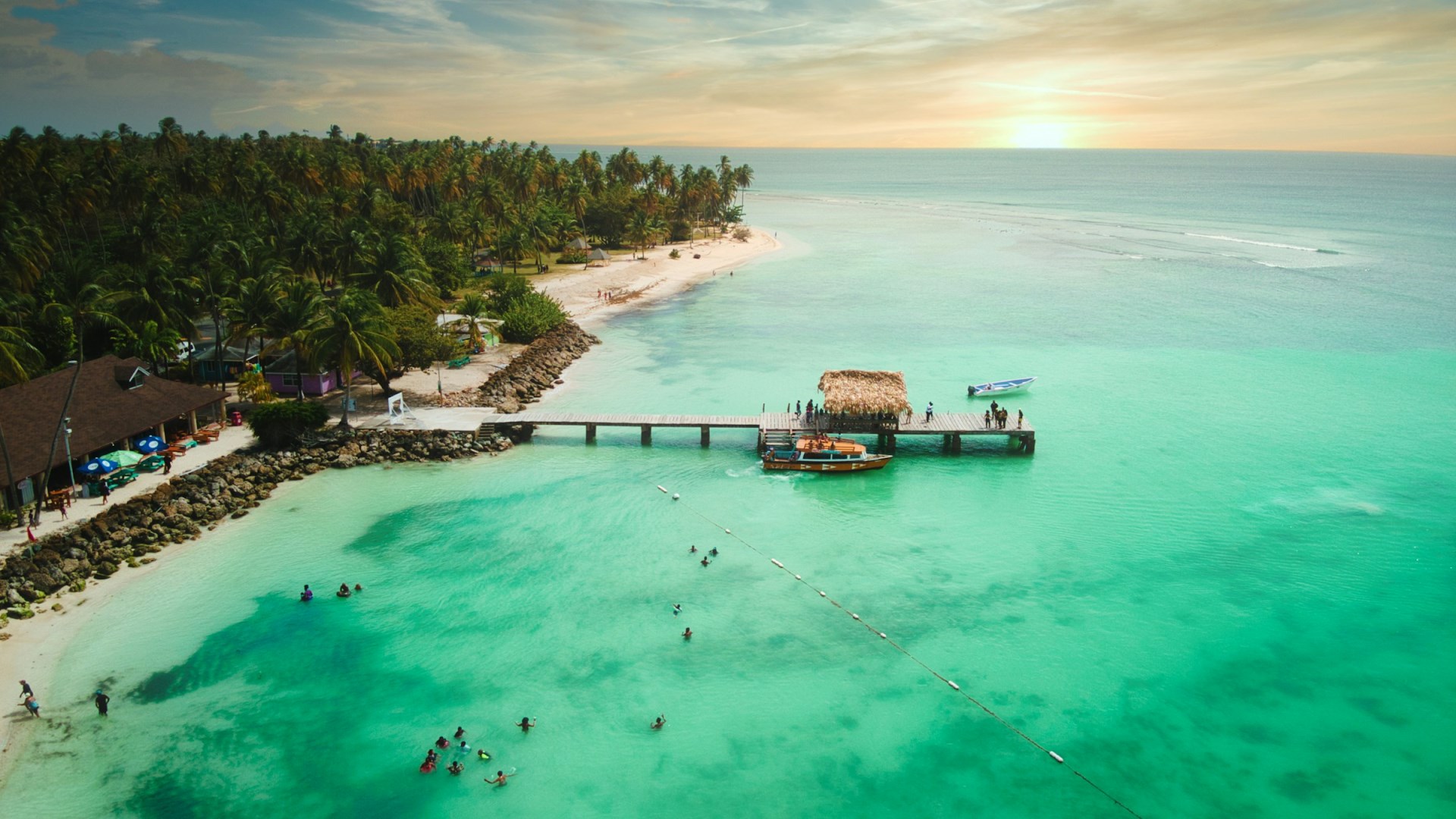
Pigeon Point Beach is on the southwestern coast of Tobago, within Pigeon Point Heritage Park near Crown Point. The beach faces the Caribbean Sea and is known for its pale sand, shallow clear water, coconut palms, and the distinctive thatched-roof jetty extending into the bay. The surrounding park contains landscaped areas, walking paths, food stalls, craft vendors, and facilities for visitors.
Newcastle is the capital of the Hunter Valley Region, in New South Wales. Located on the east coast of Australia, the Hunter Region encompasses a land area of approximately 31,000 square kilometers and a resident population of around 544,000 people. Newcastle's population is estimated at 132,000 people. Getting to and from Newcastle is simple. From Sydney, it is a comfortable 2 hour drive (Sydney is 171 kilometers to the south); 30 minutes by air and two hours by passenger train (there is a regular hourly service). There are also direct flights from Brisbane and Canberra. Newcastle is the gateway to the Hunter Valley and is now a very different place to the time when steel and coal industries were the main source of employment. Long gone are the smoky grey industrial images - they have been replaced with elegantly restored historic buildings; picturesque parks and gardens; an extensive selection of restaurants boasting cuisine from around the world; and the natural beauty of its white sandy beaches and harbor. There is a wide selection of magnificent art galleries and museums; nightclubs and eateries; and extensive shopping facilities. The long list of natural attractions
within easy access of the city includes everything from wilderness areas, rainforests and beaches to world famous vineyards. The green rolling hills of Australia's oldest winemaking region are studded with restaurants, guest houses, and of course, the vineyards where more than twenty varieties of grape ripen slowly in the warm summer sunshine to produce some of Australia's finest wines. Lakes, beaches, rivers and bays, combine with lush countryside to make the Hunter
region surrounding Newcastle almost unlimited in its appeal.
Other Popular Destinations in Australia
Sydney
Sydney, Australia, is a vibrant city where iconic landmarks, diverse neighborhoods, and natural beauty converge. The Sydney Opera House, with its striking sail-like design, and the Sydney Harbour Bridge are symbols recognized around the world, yet the city offers much more beyond its famous skyline.
Cairns
Cairns is the majestic entrance to Australia's Great Barrier Reef. This warm, tropical destination is located in Far North Queensland. Must-see attractions in Cairns include the Tjapukai Aboriginal Cultural Park, which educates tourists about indigenous peoples, and restaurant and bar-dotted Cairns Esplanade, which has a lagoon for swimming.