From grand castles to resplendent cathedrals, Tallinn’s Old Town neighborhood, a UNESCO World Heritage Site, is the perfect place to begin exploring. Enter through Viru Väravad, or Viru Gate, the former fortress whose remaining two towers beckon you into the heart of the city.
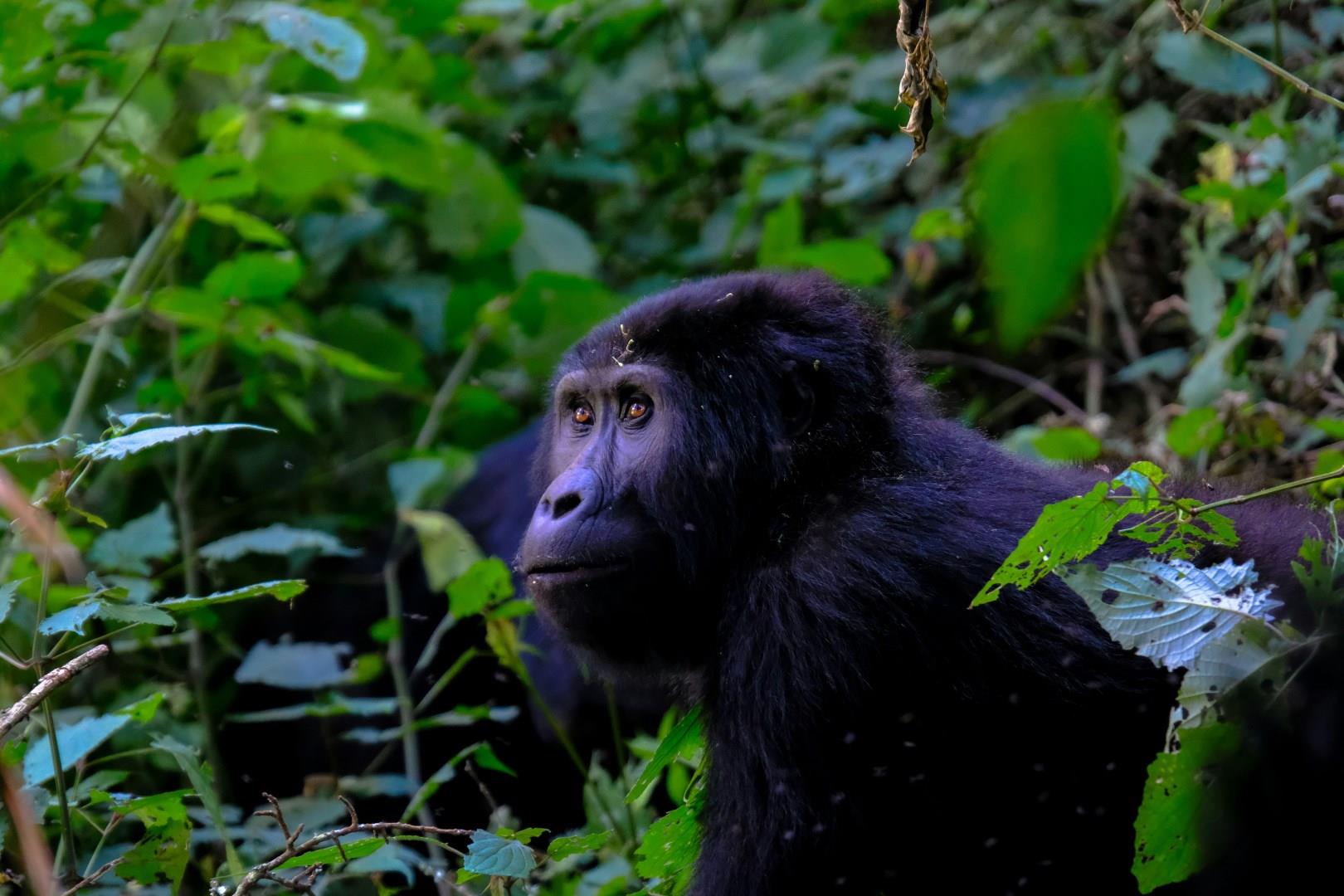
Kisoro is a small town in southwestern Uganda, set in the highlands near the borders of Rwanda and the Democratic Republic of the Congo. It serves as an important gateway to the Virunga Mountains and has long been shaped by its position at the crossroads of cultures, trade routes, and protected landscapes.
Nestled on the shores of Skjalfandi Bay in northern Iceland, Husavik offers visitors the unique chance to witness humpback whales, minke whales, and even the occasional blue whale in their natural habitat. The town is also home to the Husavik Whale Museum, which provides fascinating insights into the marine life of the region and the history of whaling in Iceland.
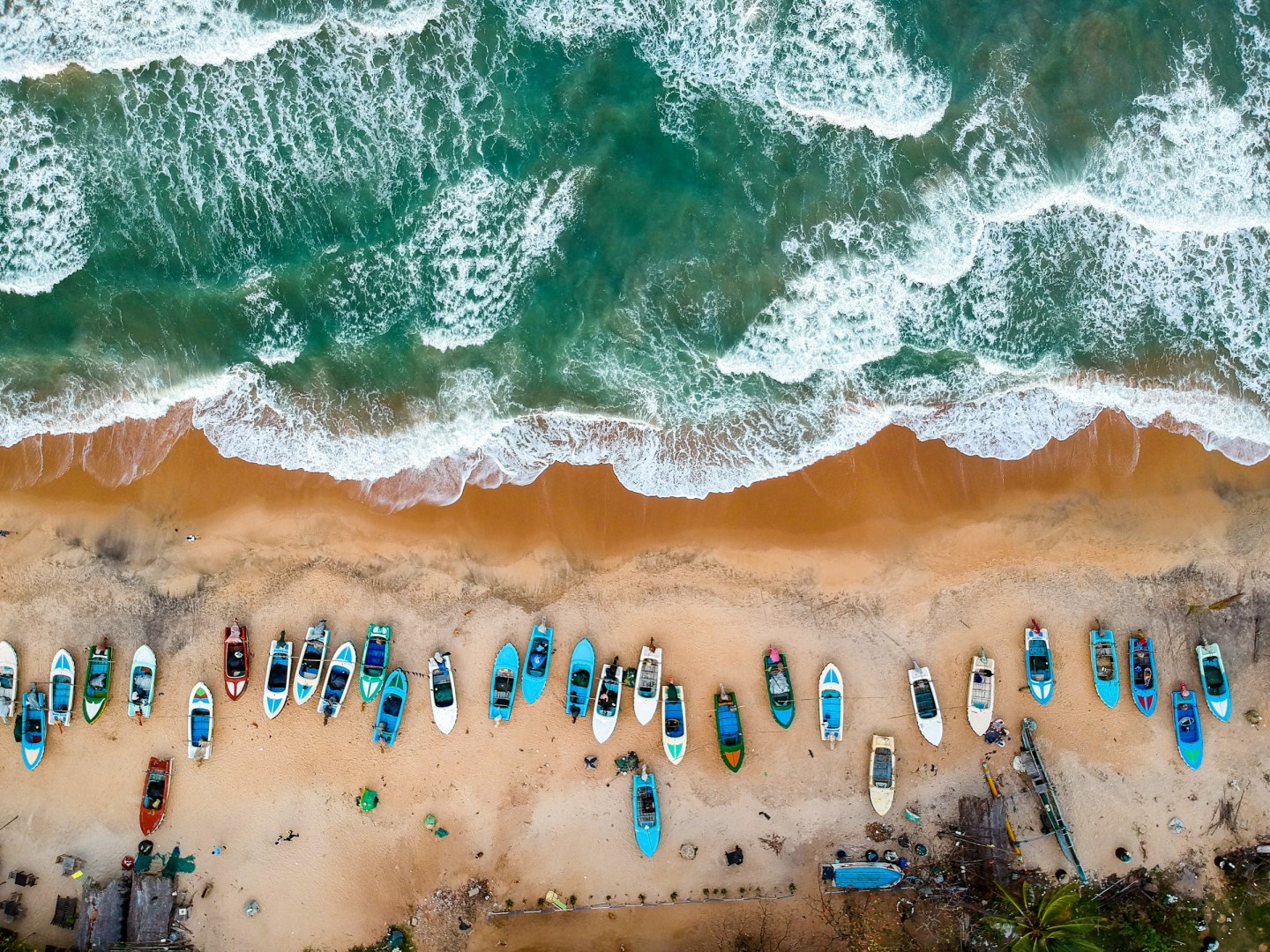
Arugam Bay Beach is a coastal destination on Sri Lanka’s eastern shore, near the town of Pottuvil. Its wide sandy beach curves around a sheltered bay, with low vegetation, lagoons, and wetlands extending inland. Arugam Bay is best known for surfing, particularly for its long right-hand waves and the main break commonly called Main Point. The coastline has a more relaxed, low-rise character than many of Sri Lanka’s developed beach areas, with small hotels, cafés, surf schools, and guesthouses spr
Luxor, often referred to as the world’s greatest open-air museum, is a city where ancient history and breathtaking archaeology converge. Nestled along the eastern bank of the Nile River, Luxor is home to some of the most remarkable and well-preserved relics of ancient Egypt. A visit to the Karnak Temple Complex, an expansive and awe-inspiring site dedicated to the Theban triad of gods, reveals the grandeur of ancient Egyptian architecture and religious practices.
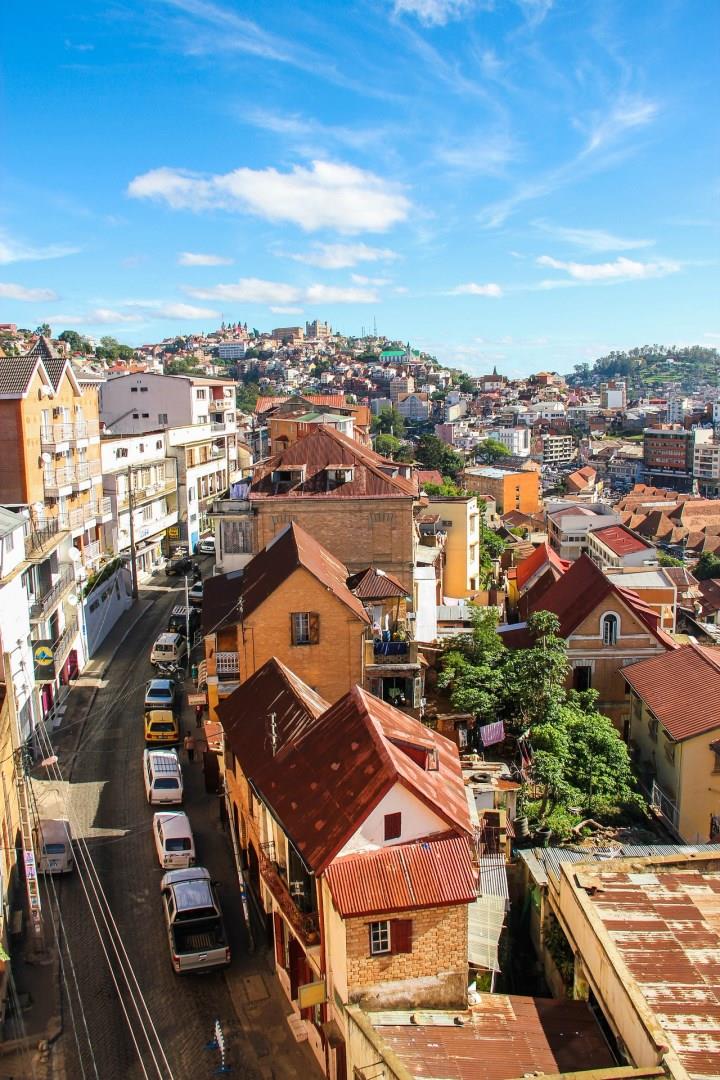
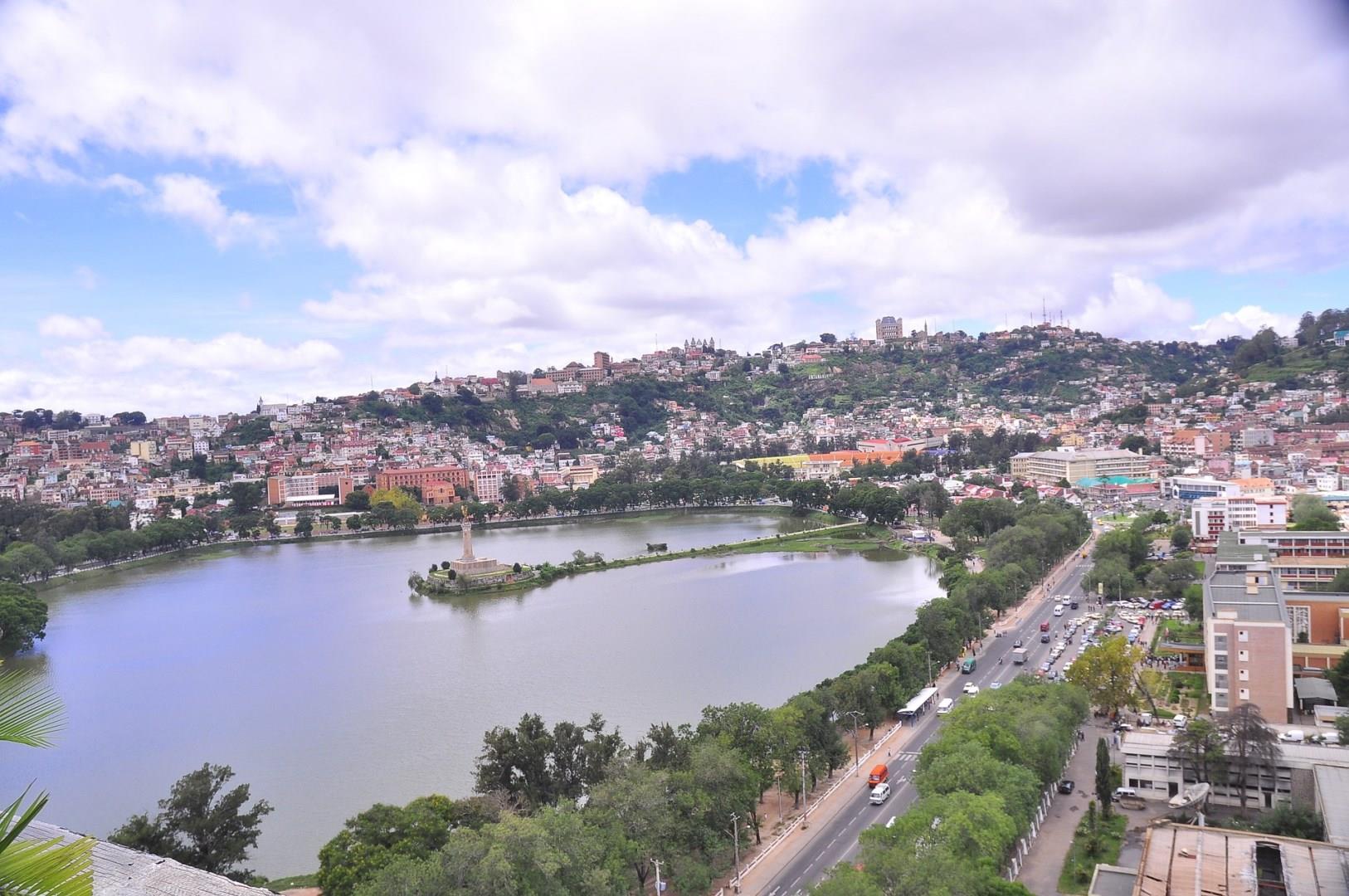
Antananarivo, Madagascar’s vibrant capital, offers a unique blend of cultural richness and historical depth. Perched on a series of hills, the city’s layout is characterized by its steep streets and traditional architecture. The Royal Palace, or Rova of Antananarivo, is a central landmark, offering a glimpse into Madagascar's royal past. Although much of the palace was destroyed by fire in 1995, the site remains a significant cultural and historical monument.
Antananarivo’s markets are bustling with life and offer a feast for the senses. The Analakely Market is a kaleidoscope of colors and sounds where you can sample local street food, buy handcrafted goods, and experience the daily hustle of Malagasy life. For a taste of the city’s colonial past, a stroll through the Avenue of Independence reveals charming buildings and vibrant local cafes
Cultural enthusiasts will enjoy exploring the city’s museums, such as the Musée d'Art et d'Archéologie, which houses a collection of artifacts from Madagascar’s past, including ancient tools and sculptures. The Andafiavaratra Palace, now a museum, was once the residence of Prime Minister Rainilaiarivony and offers insights into the political history of Madagascar.
Fun fact: Antananarivo is named after a 17th-century Merina king, Andrianjaka, who established the city as the center of his kingdom. The name "Antananarivo" translates to "City of a Thousand" or "City of the Thousand," referring to the number of soldiers he maintained in his capital.
Other Popular Destinations in Madagascar
Isalo National Park
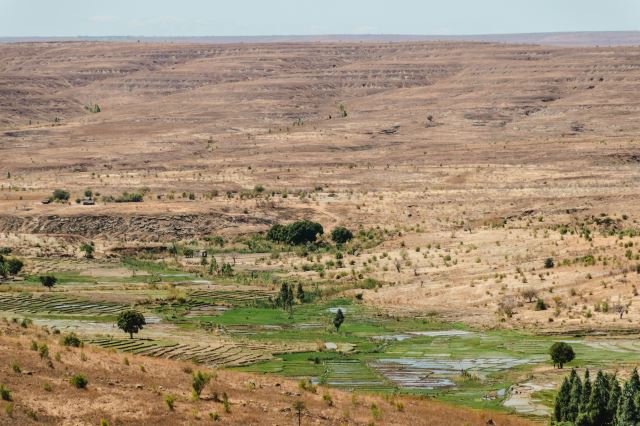
Isalo National Park lies in southern Madagascar near the town of Ranohira, protecting about 81,540 hectares of sandstone massifs, deep canyons, grasslands, forests, and rocky plateaus. Its landscape has been shaped by erosion into unusual cliffs, ridges, gorges, and isolated rock formations. The park's semi-arid climate creates strong contrasts between dry open slopes and greener canyon floors, where streams support pockets of vegetation.
Ifaty
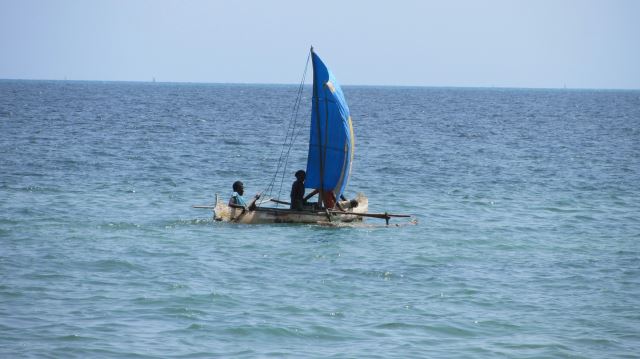
Ifaty is a coastal destination in southwestern Madagascar, located north of Toliara along the Mozambique Channel. The area is known for sandy beaches, shallow turquoise waters, dry forests, and a landscape shaped by the region’s hot, semi-arid climate