

Saint Andrews
Saint Andrews, a picturesque town on Scotland's east coast, is a captivating blend of history, culture, and natural beauty. Known as the "Home of Golf," it is celebrated worldwide for its historic Old Course, one of the oldest golf courses in the world, dating back to the early 15th century. Golf enthusiasts will find a pilgrimage to the iconic Swilcan Bridge or the 18th hole of the Old Course to be an unforgettable experience.
Brasília
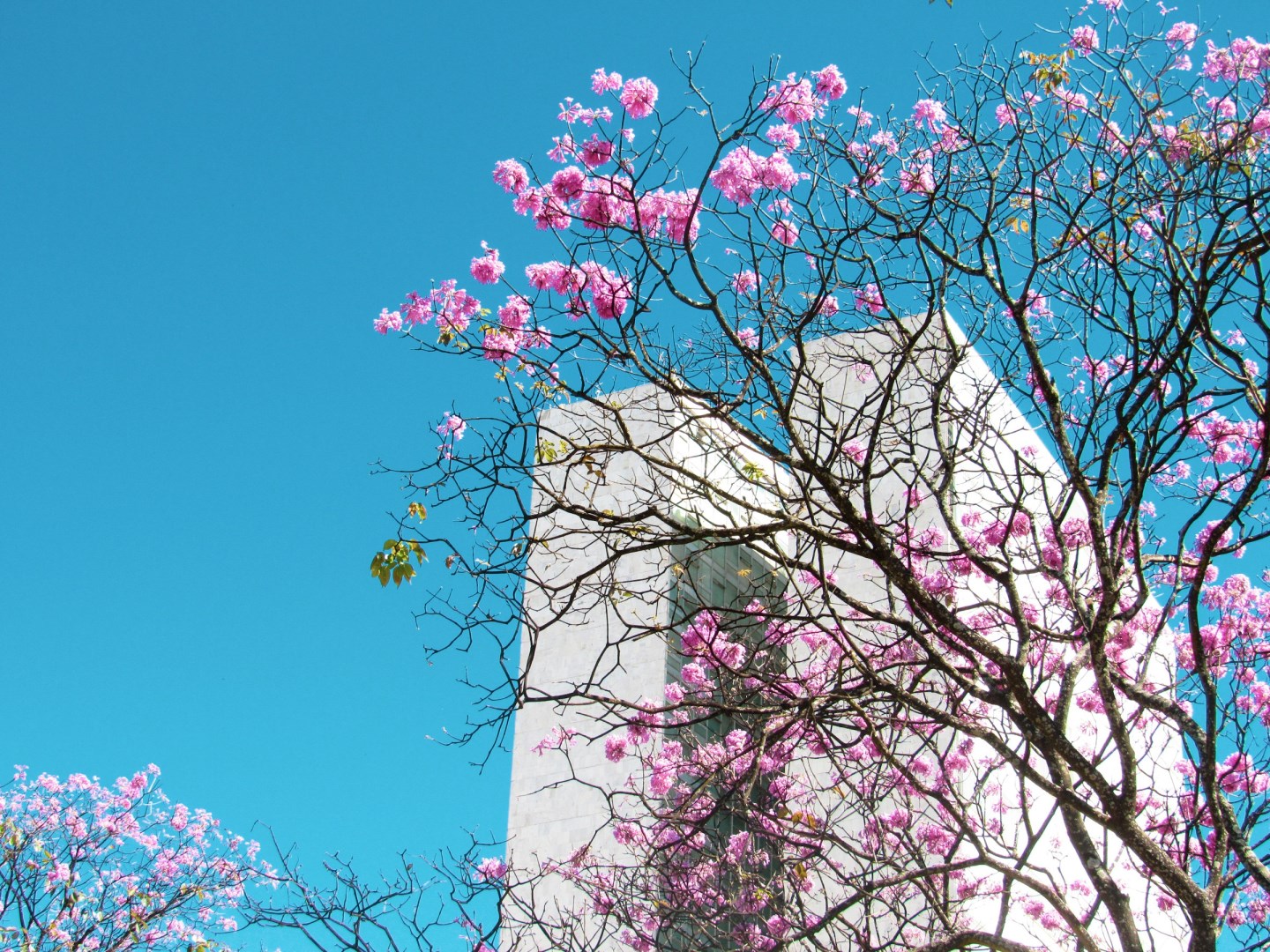
Brasília may be a World Heritage Site, but it is only of interest to town planning and architecture students, and those keen to witness the folly of man on a metropolitan scale. It must have looked good on paper, and still looks good in photos, but in the flesh, forget it. Designed by architect Oscar Niemeyer, urban planner Lucio Costa, and landscape architect Burle Marx, the city was built in an incredible three years between 1957 and 1960.
Tongatapu Island
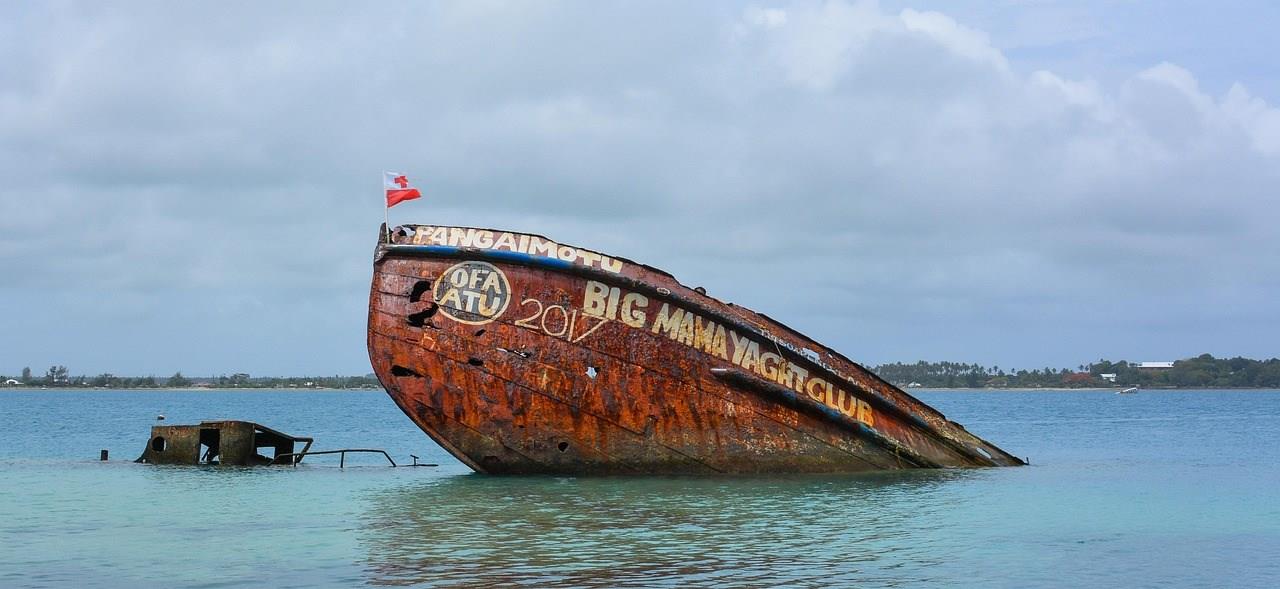
Tongatapu, the main island of Tonga, is where tradition, history, and the South Pacific’s natural world intersect in quiet and unexpected ways. As the political and cultural center of the Kingdom of Tonga, it is home to the capital city, Nukuʻalofa, as well as ancient royal burial grounds, dramatic coastal blowholes, and friendly villages where daily life unfolds slowly.
Knysna
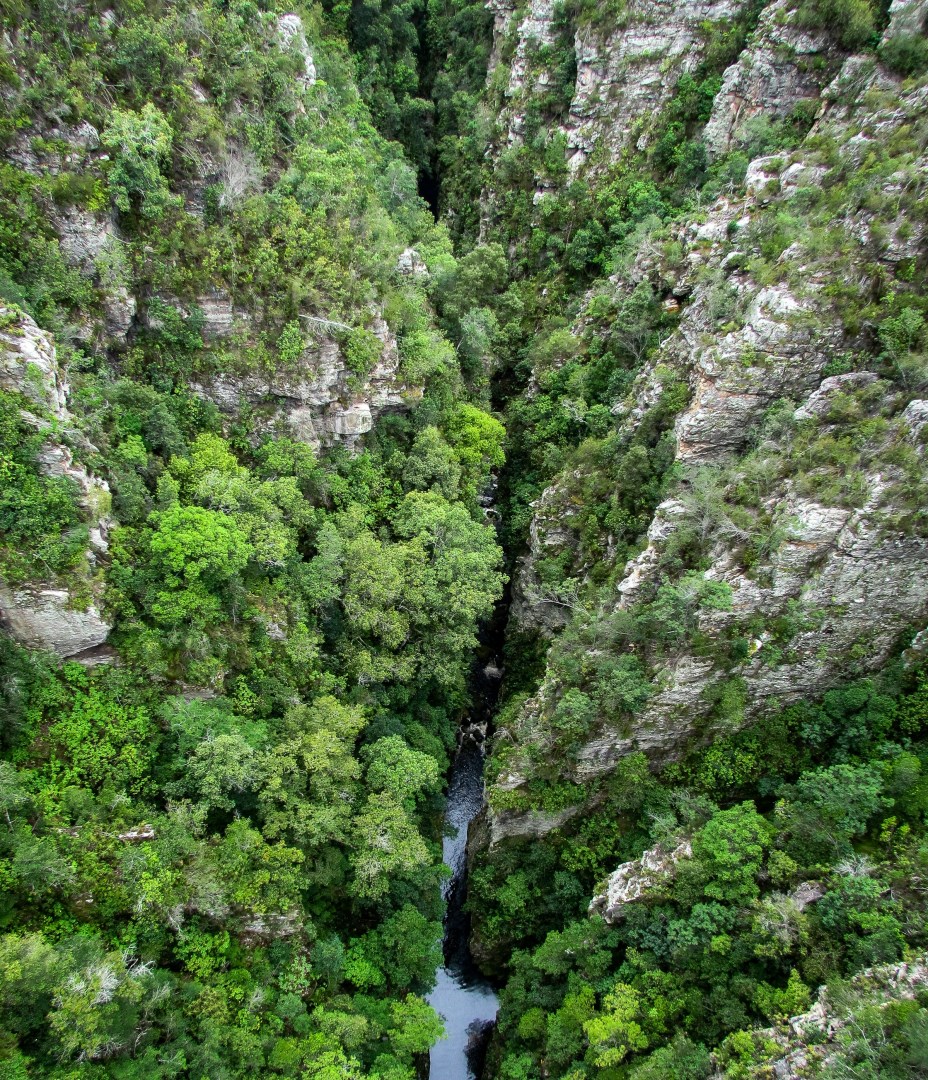
A natural paradise of lush indigenous forests, tranquil lakes and golden beaches adorns South Africa's unspoilt southern coast. Nestling on the banks of a shimmering lagoon in the heart of this "Garden Route" is the picturesque town of Knysna. Beaches, lakes, mountains and rivers provide endless opportunity for leisure and outdoor adventure. Within the town, craft shops, flea-markets and cosy cafe’s beckon with small-town charm and hospitality.

Donji Milanovac
Donji Milanovac is a gateway to the Iron Gates Gorge, one of the most stunning natural attractions in the region.


