Hilton Head Island
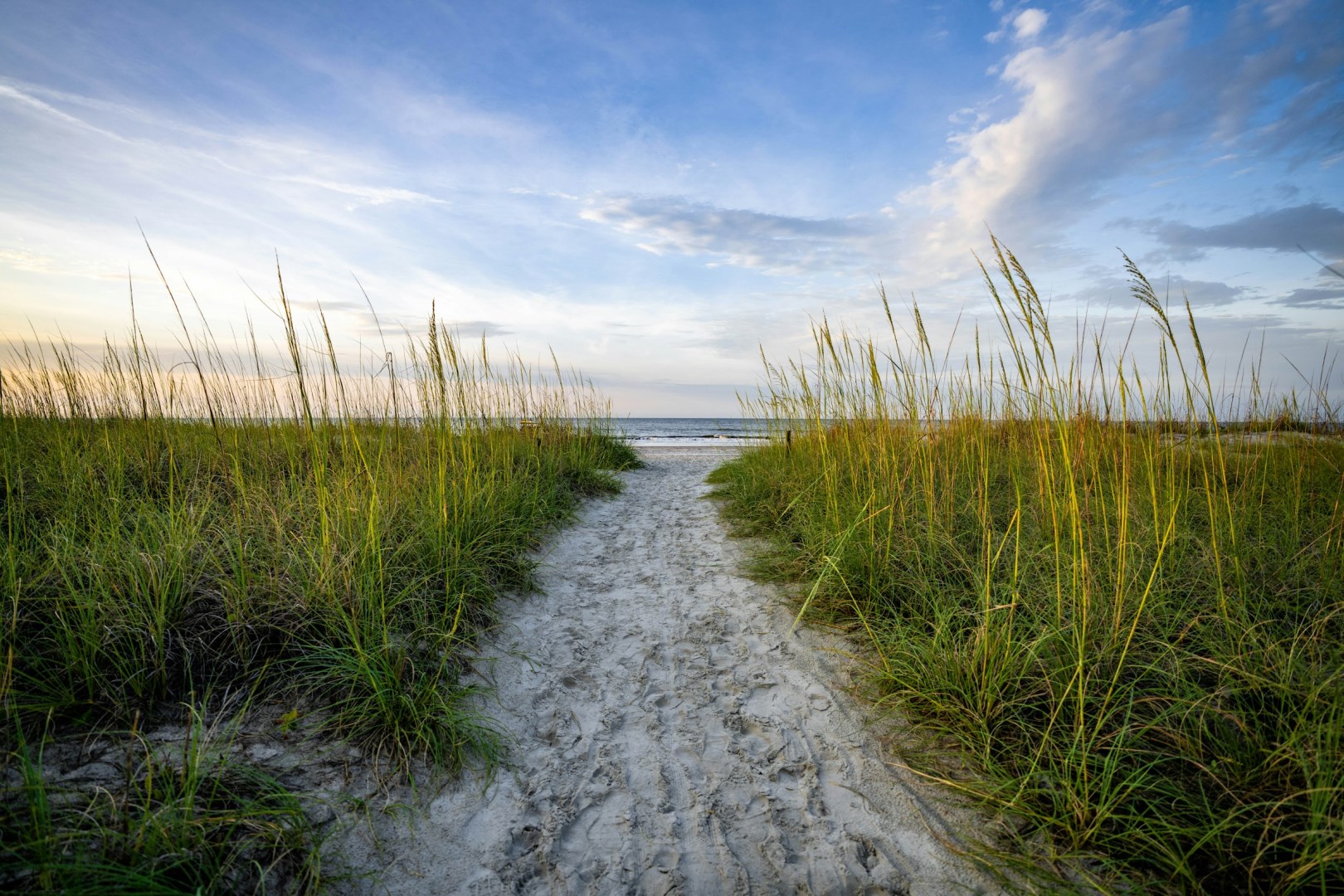
Located off the coast of South Carolina, near Charleston, Hilton Head Island is a popular golf resort area.

Mont St. Michel
Mont-Saint-Michel rises from tidal flats along the Normandy coast, its abbey and village shaped by centuries of pilgrimage, defense, and isolation.

Rab
The picturesque city of Rab, located on Rab Island in Croatia, offers a delightful blend of medieval charm and stunning natural beauty. Known for its well-preserved Old Town, Rab features a network of narrow, cobblestone streets lined with historic buildings that reflect its rich past.
Fenwick Island
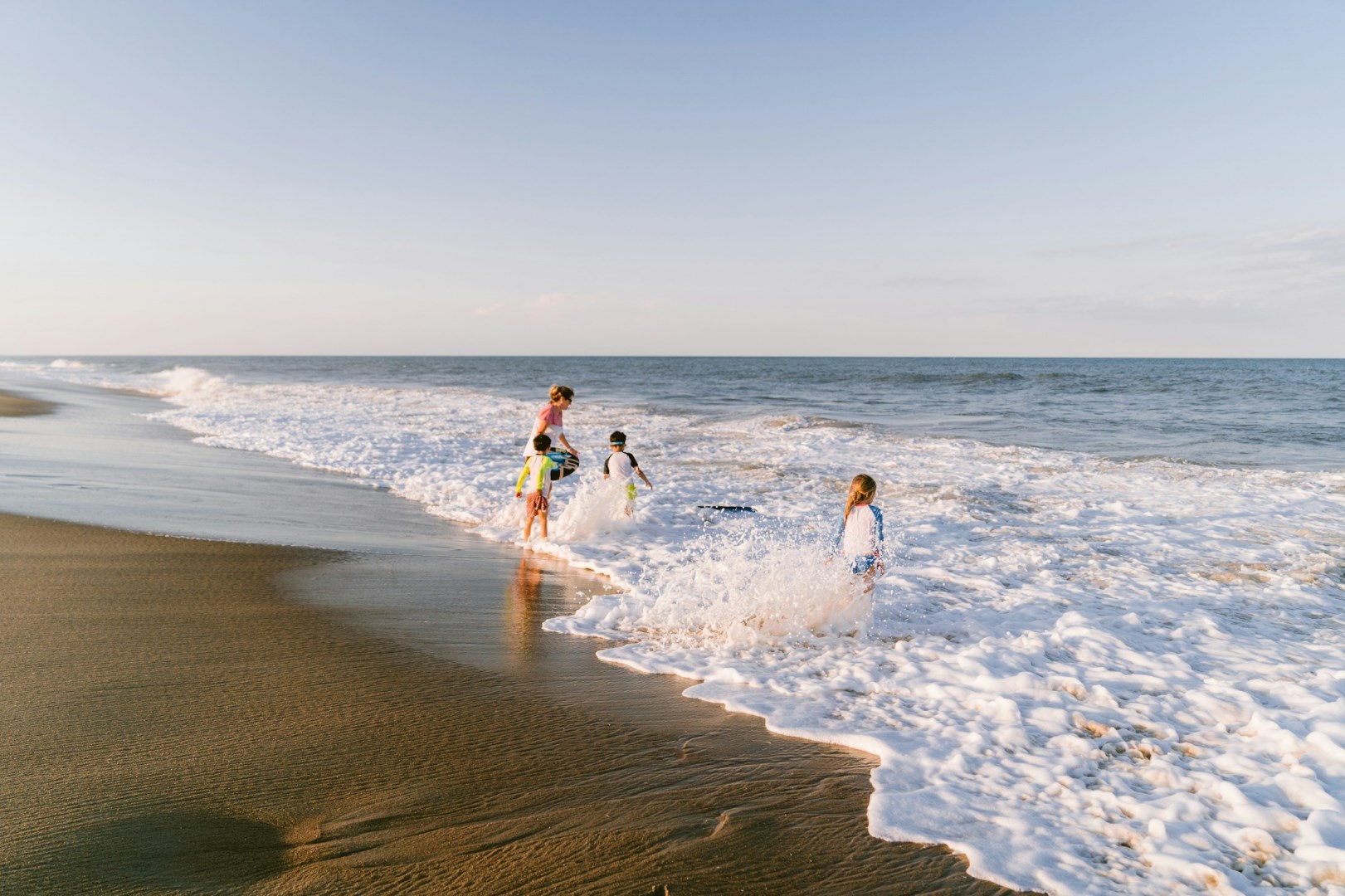
Fenwick Island is a small coastal town in southern Delaware, located on a narrow barrier island between the Atlantic Ocean and Little Assawoman Bay. Its setting gives the community easy access to both ocean beaches and quieter bay waters, while its compact streets are lined with vacation homes, shops, restaurants, and waterfront accommodations. Fenwick Island is known for a more relaxed atmosphere than some of Delaware’s larger beach towns, with the adjacent Fenwick Island State Park providing a
Helsingør
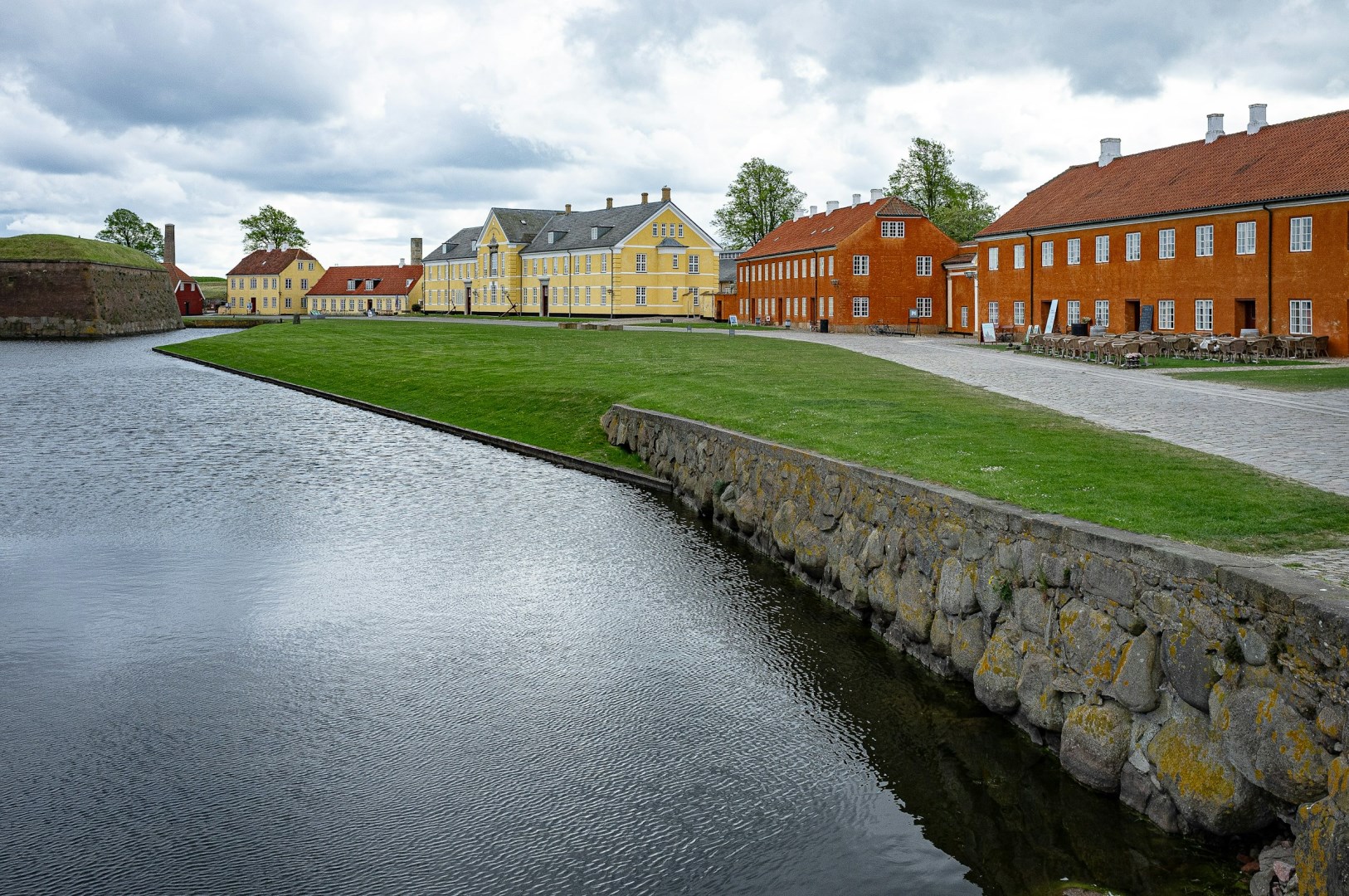
Helsingør is a historic port town on Denmark’s northeastern Zealand coast, facing the narrow Øresund strait toward Sweden. Its waterfront setting has long shaped the town, with ferries, maritime traffic, and views across the water forming part of everyday life. The compact center contains narrow streets, colorful historic buildings, and squares surrounding the town’s main landmarks.