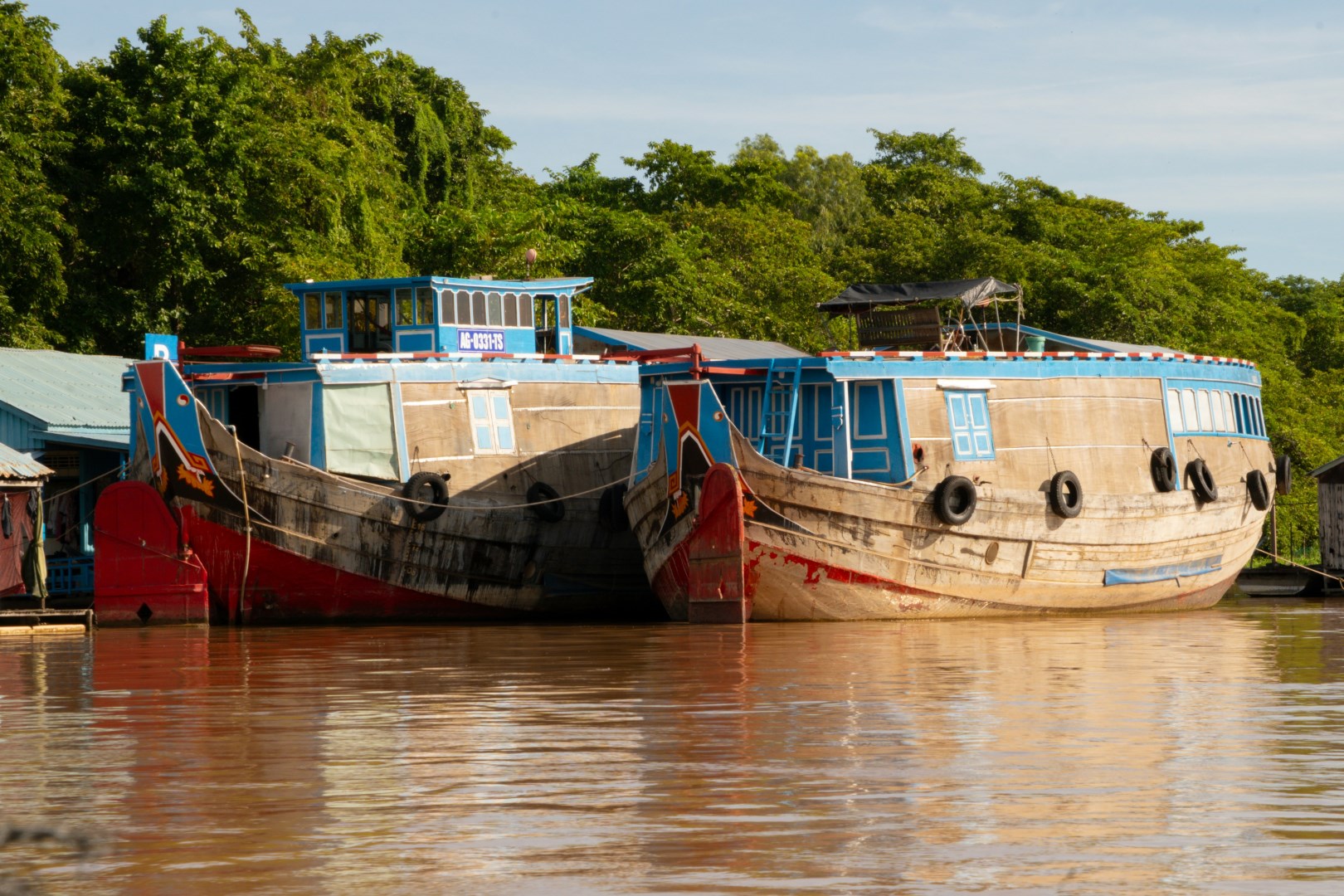
Chau Doc
Chau Doc is a riverside city in Vietnam’s An Giang Province, close to the border with Cambodia and the waterways of the Mekong Delta. The city is known for its floating fish farms, canal networks, and active river trade that connects nearby rural communities.
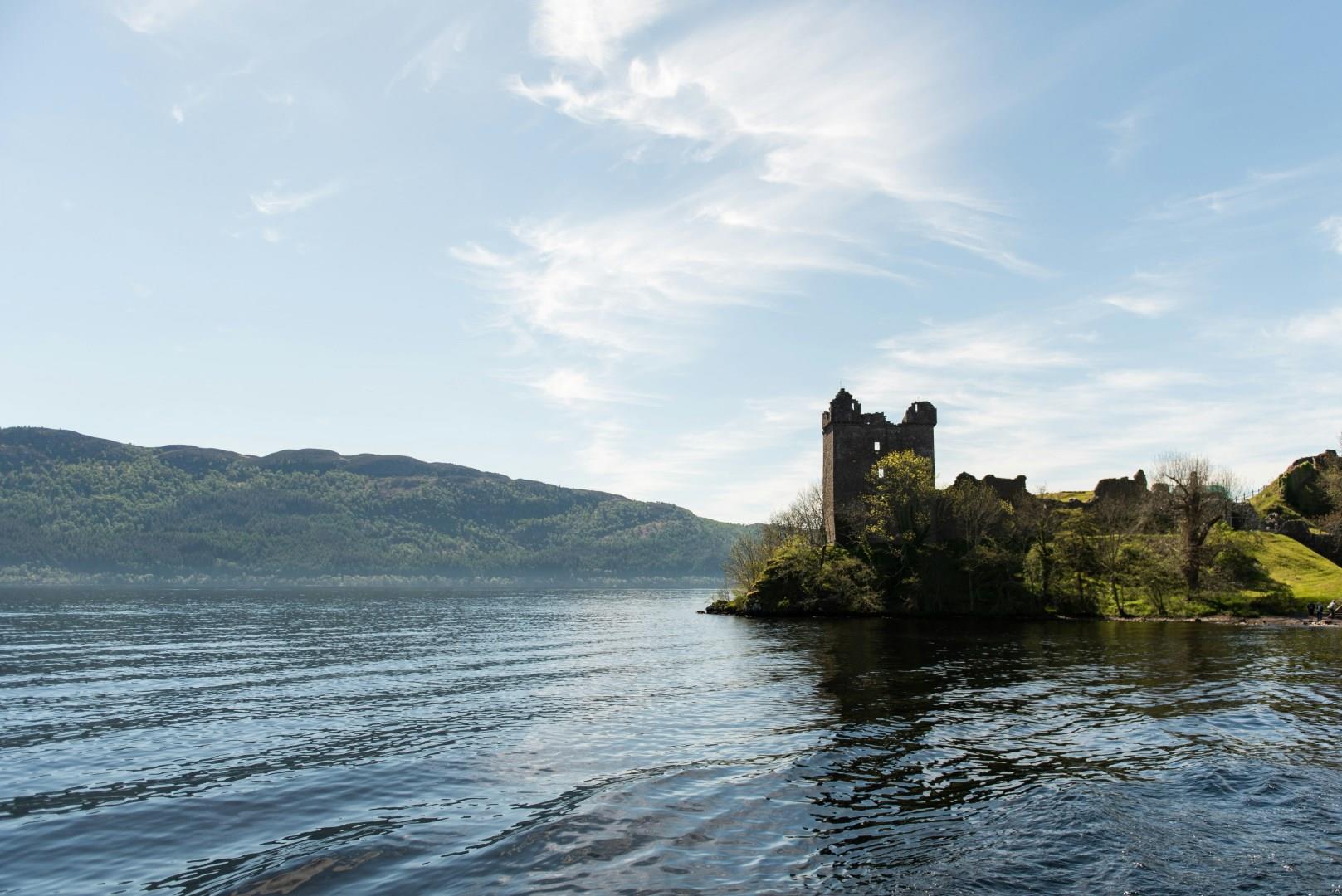
Loch Ness
Loch Ness stretches over 23 miles through the Scottish Highlands, holding more freshwater than all the lakes in England and Wales combined. Best known for its elusive resident, the so-called Loch Ness Monster, the loch has sparked international curiosity since the first modern "sighting" in 1933. While Nessie remains elusive, the surrounding landscape offers clear reasons to visit with steep hillsides, forested trails, and ancient ruins framing one of Scotland’s most iconic bodies of water.
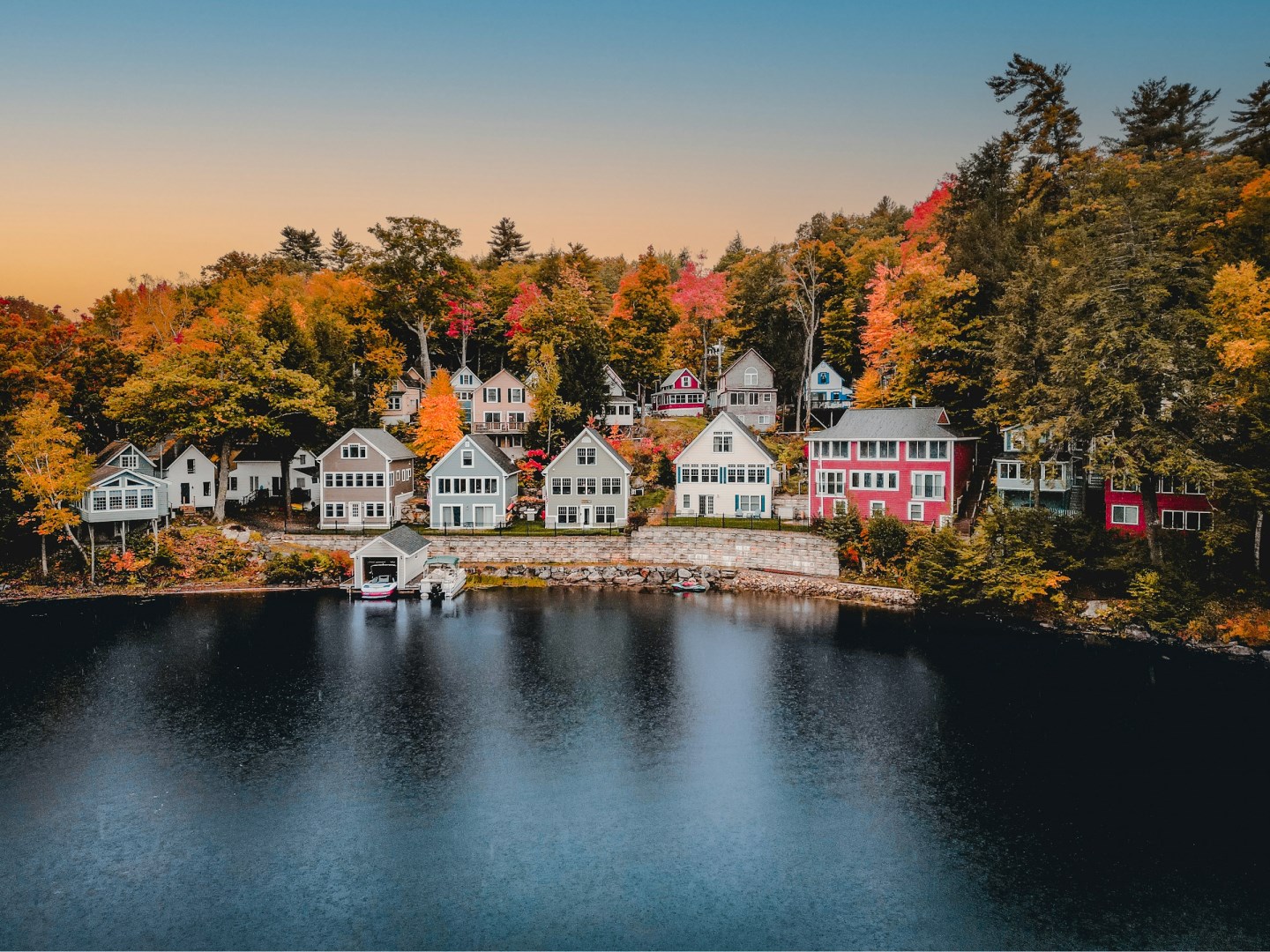
Alton
Alton is a small town in central New Hampshire, located at the southern end of Lake Winnipesaukee. Its landscape includes forested hills, wetlands, streams, and shoreline communities surrounding Alton Bay and the lake’s numerous islands. The town center lies inland from the main lakefront, while Alton Bay forms a historic summer community and transportation point. Mount Major rises nearby, providing a prominent backdrop and a popular hiking destination.
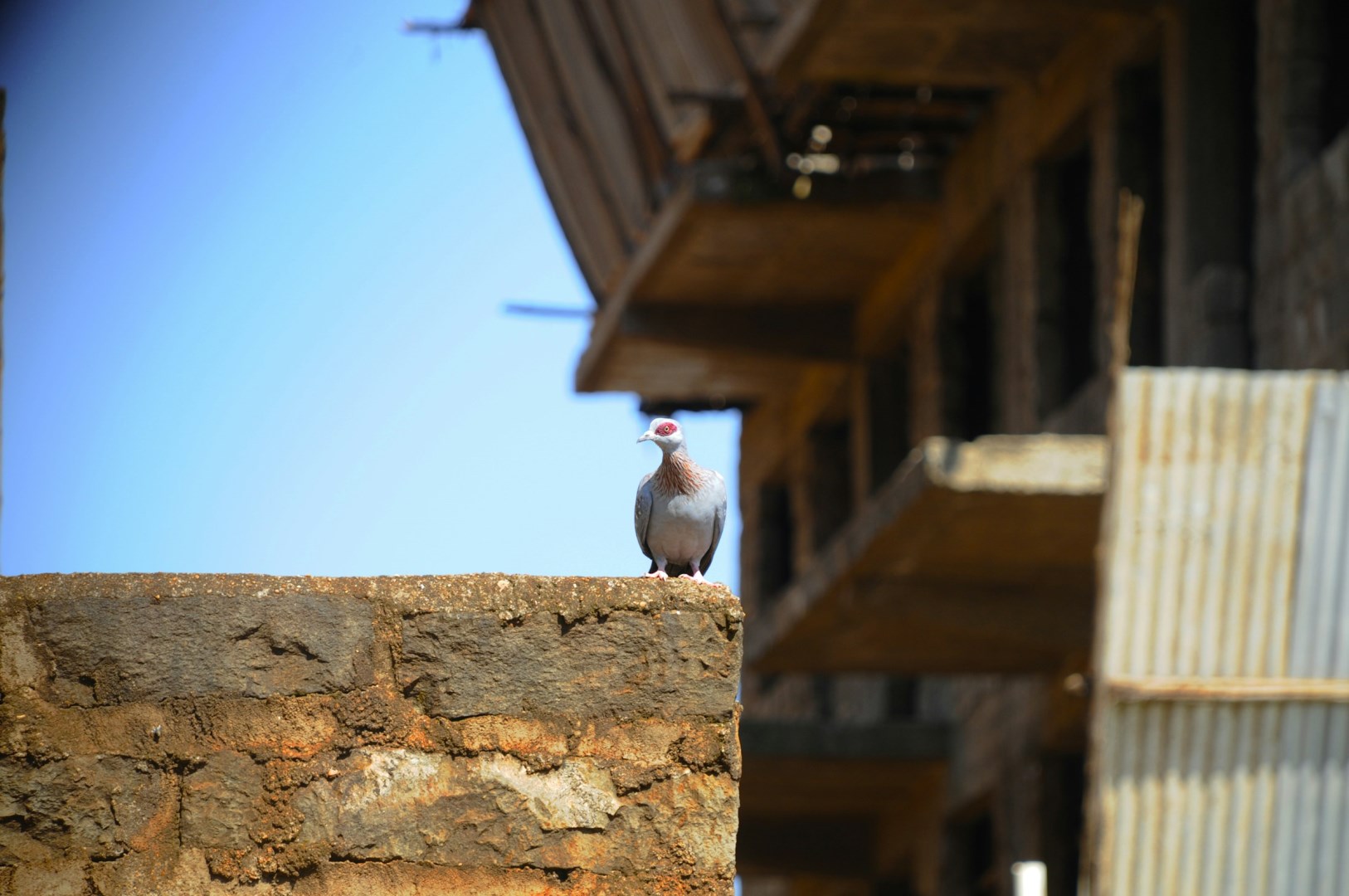
Nyeri
Nyeri is a town in central Kenya, set in the fertile highlands between Mount Kenya and the Aberdare Range. Its elevated location supports tea, coffee, dairy farming, and other forms of agriculture, while the surrounding landscape includes cultivated hills, forested slopes, and open farmland. Nyeri serves as the administrative centre of Nyeri County and is an important commercial hub for the central highlands.
Pacific Ocean
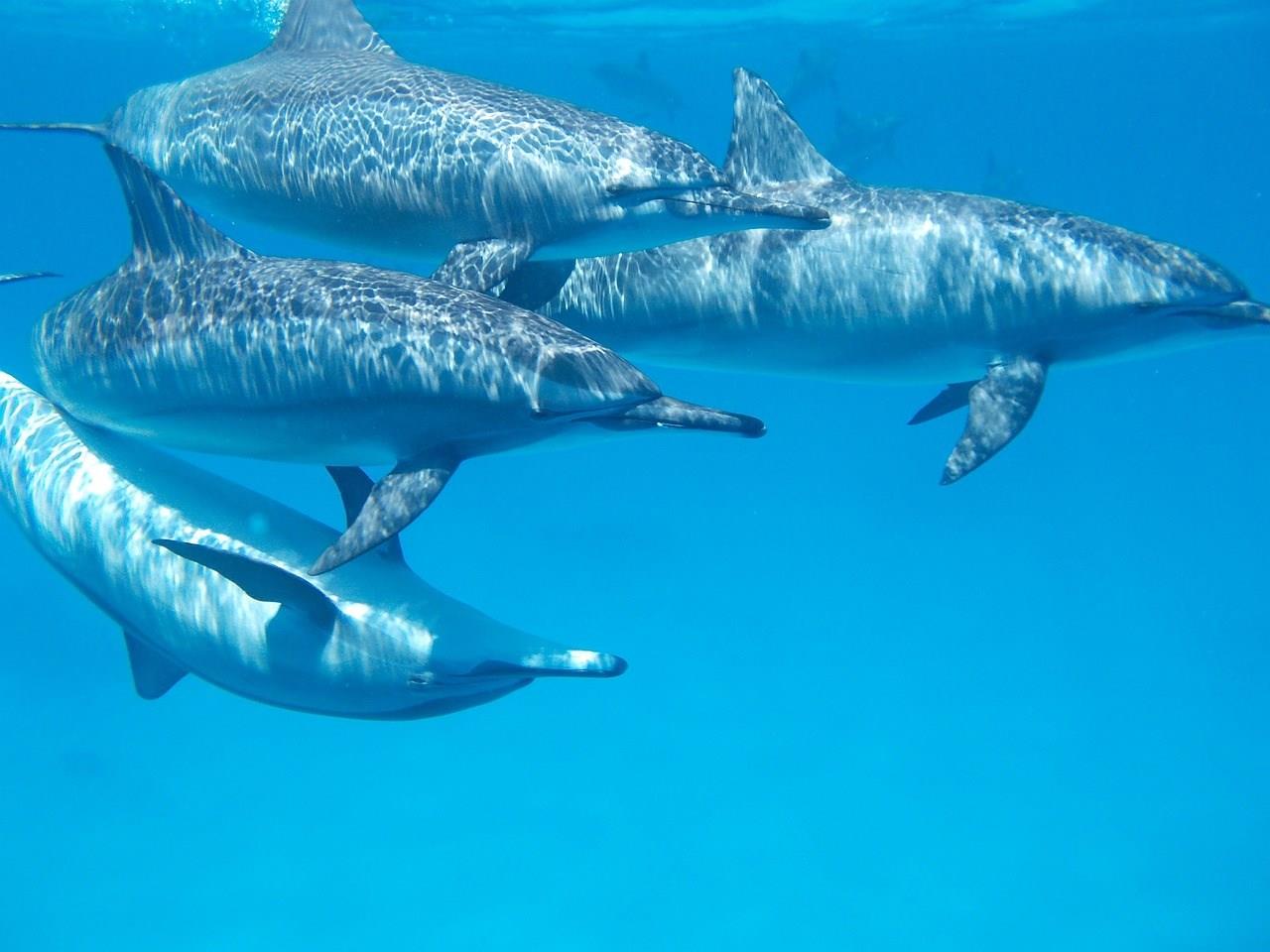
The Pacific Ocean is both the largest and the deepest ocean on Earth. It extends from the Americas in the east to Asia and Australia in the west, and from the Artic Ocean in the north to Antarctica in the south.