
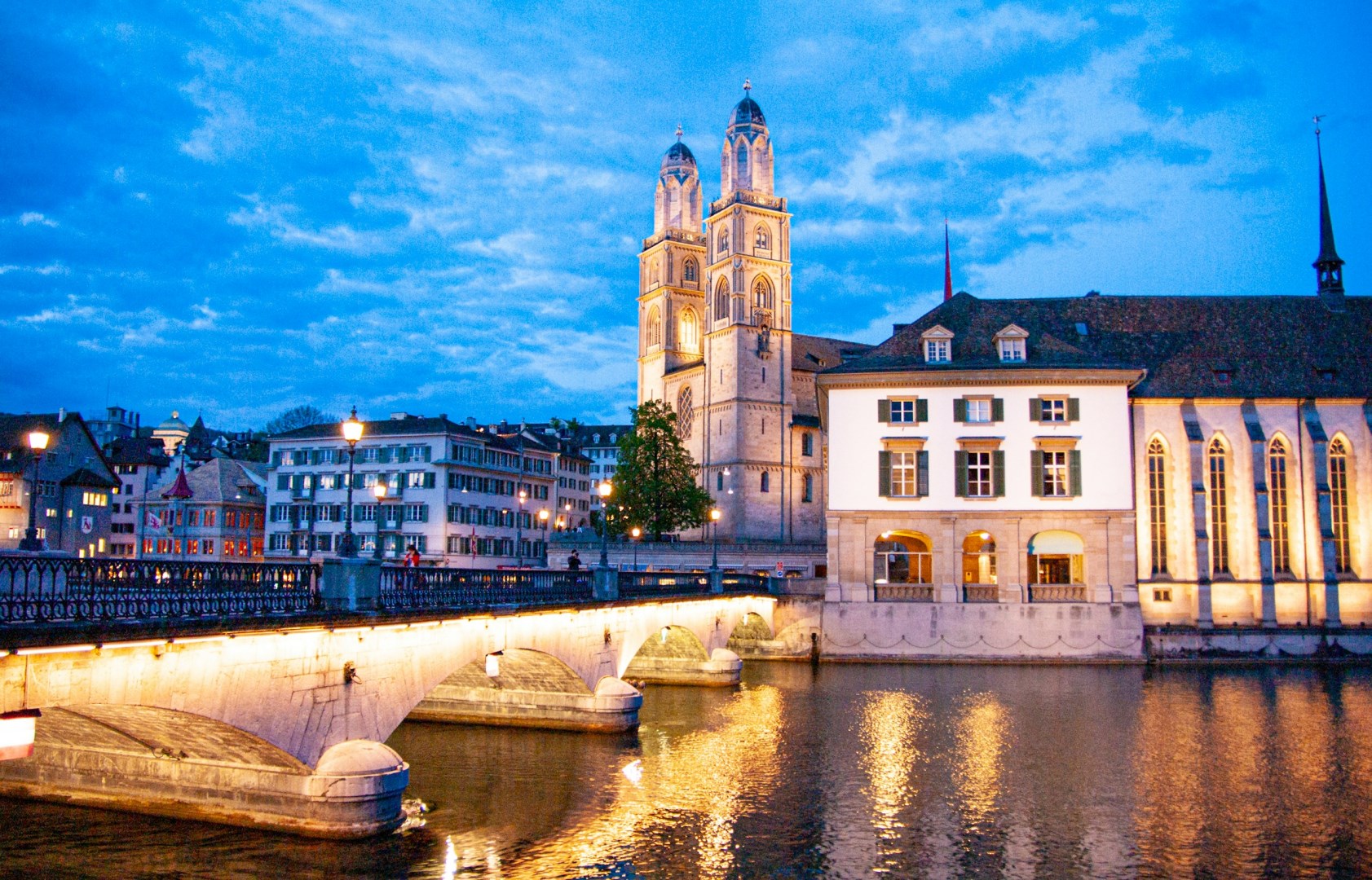
Zurich
Eminently livable and a pleasure to visit, Zurich is Switzerland's largest and most affluent city. This Central European metropolis is an engine of finance and banking, and has much to offer to visitors. There are numerous art museums, fine chocolate stores, and boundless luxury shopping opportunities.
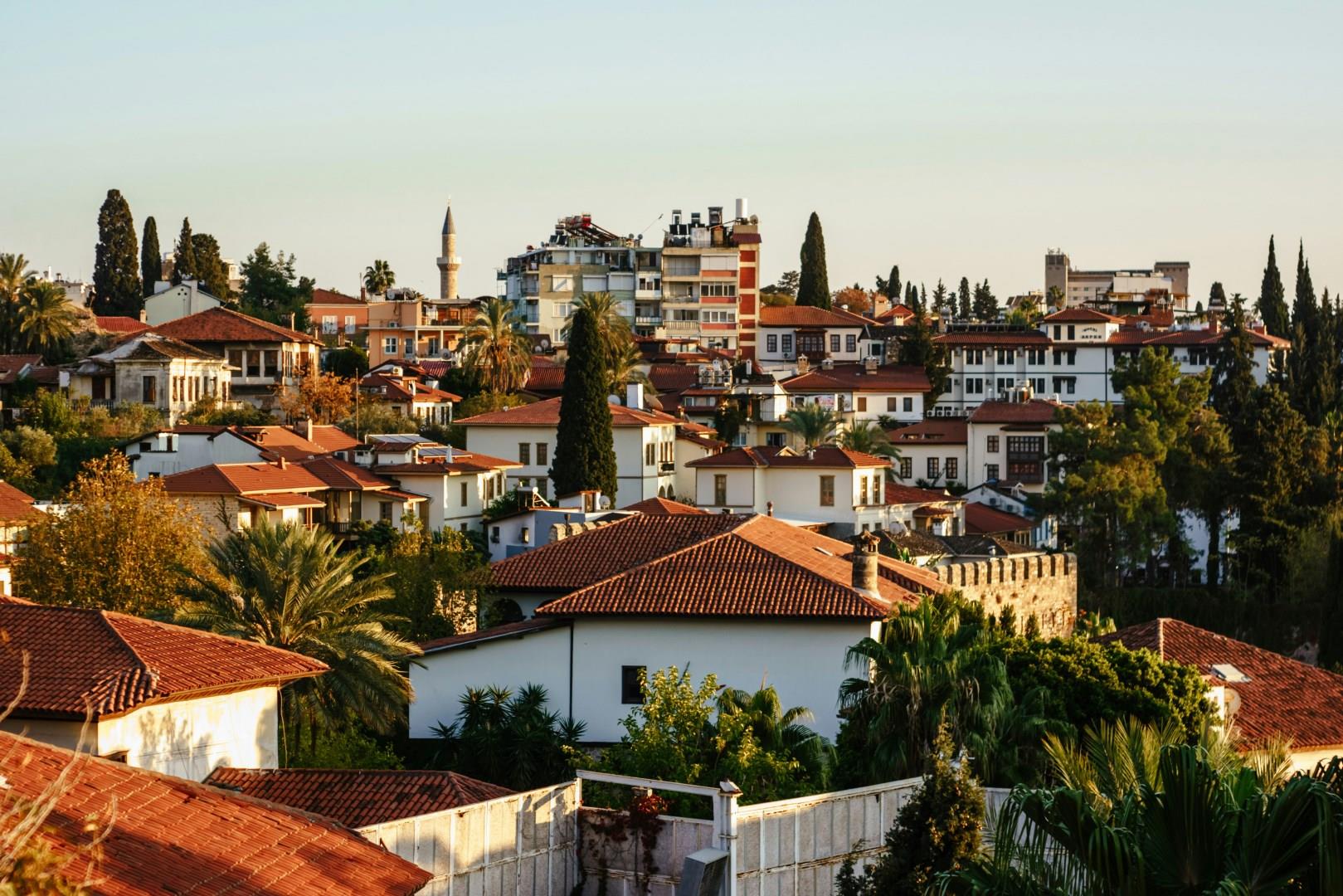
Selçuk
Selcuk, a small town in western Turkey’s İzmir Province, is one of the country’s richest destinations for history lovers. It sits at the foot of the ancient city of Ephesus, once one of the great cities of the classical world and home to the Temple of Artemis, one of the Seven Wonders of the Ancient World.
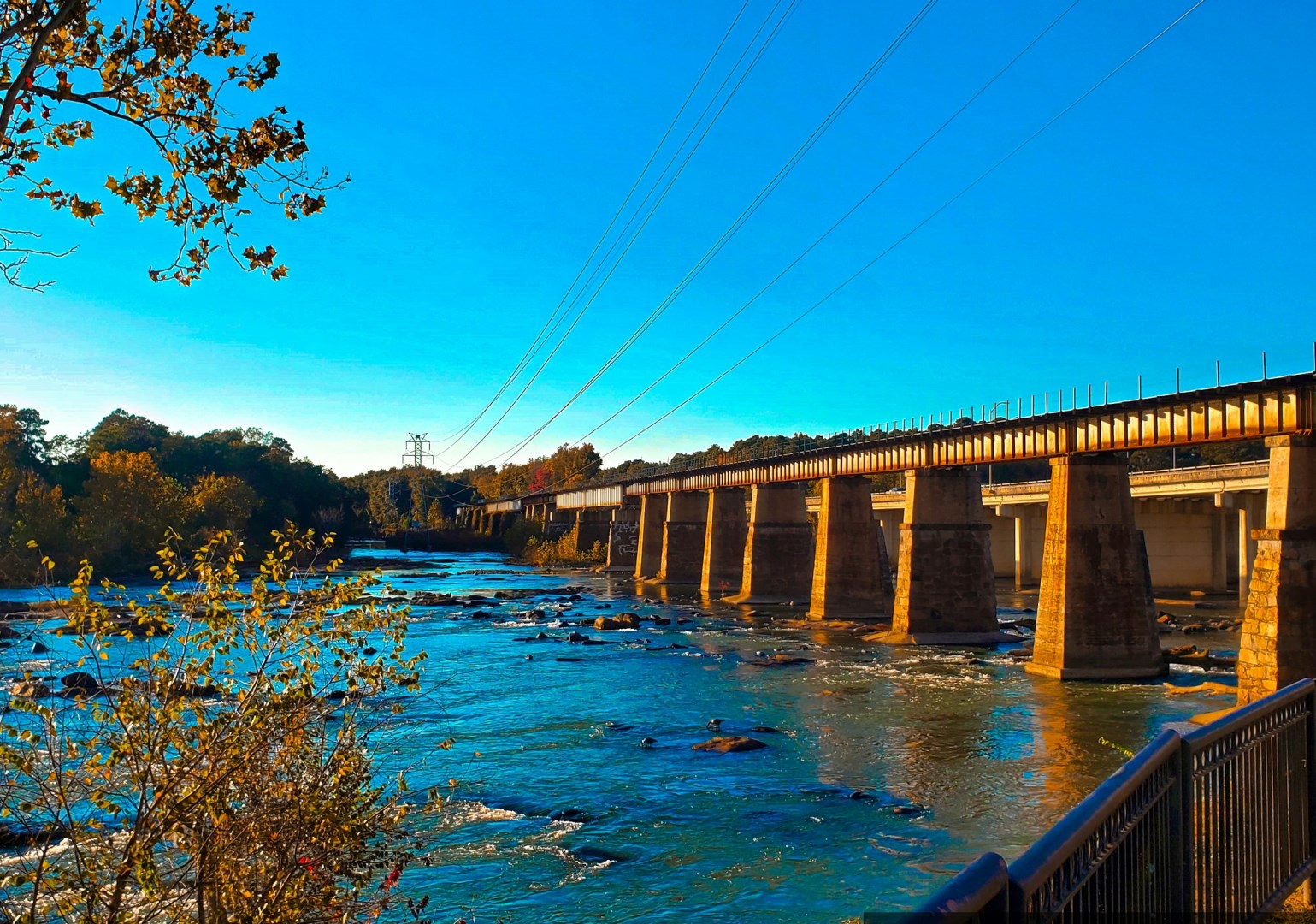
Columbia
Capital city of the state of South Carolina in the southeastern United States.
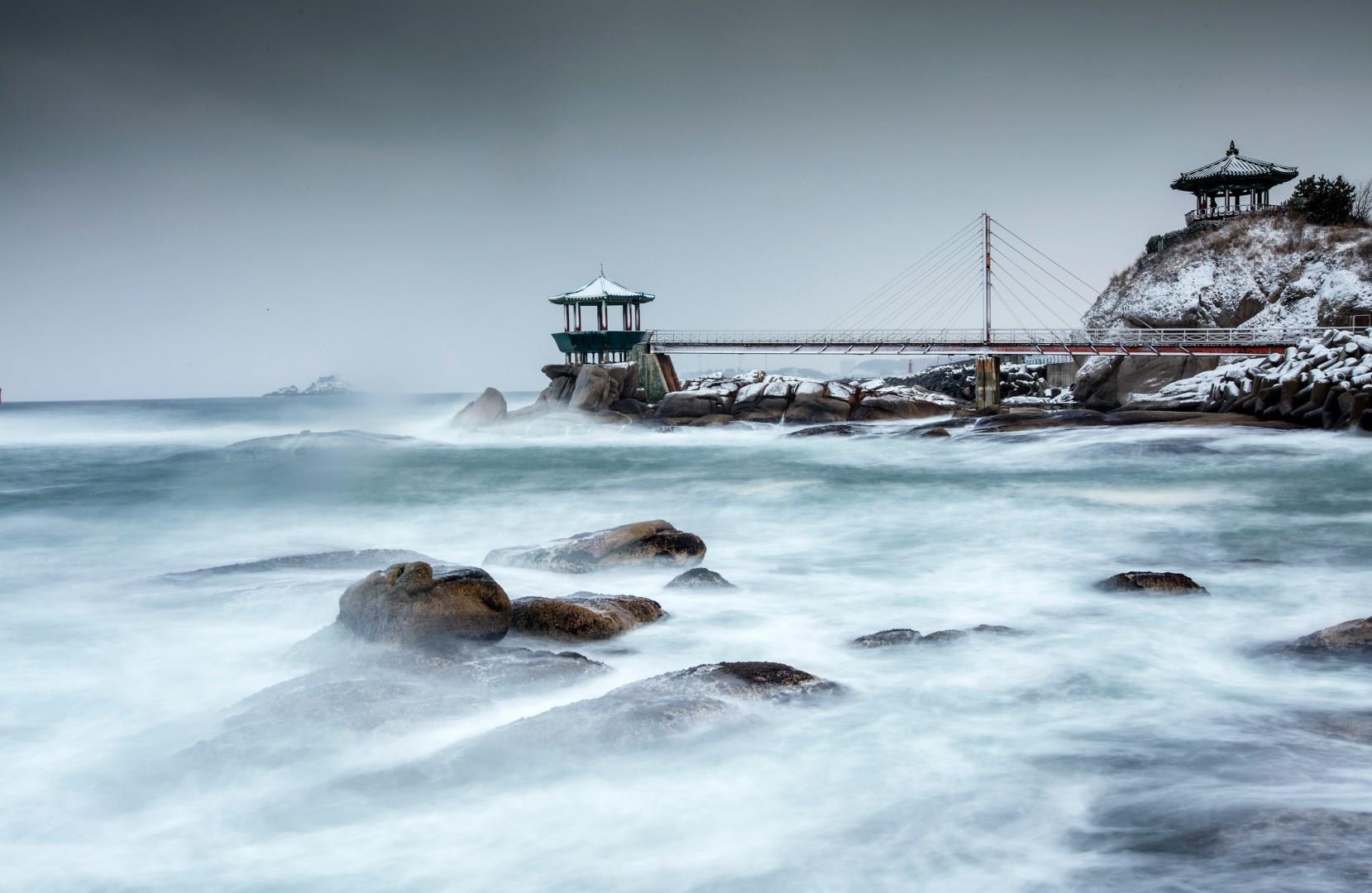
Sokcho-si
Sokcho-si is a coastal city in northeastern South Korea where the East Sea meets rugged mountains, giving it a maritime and outdoor character.
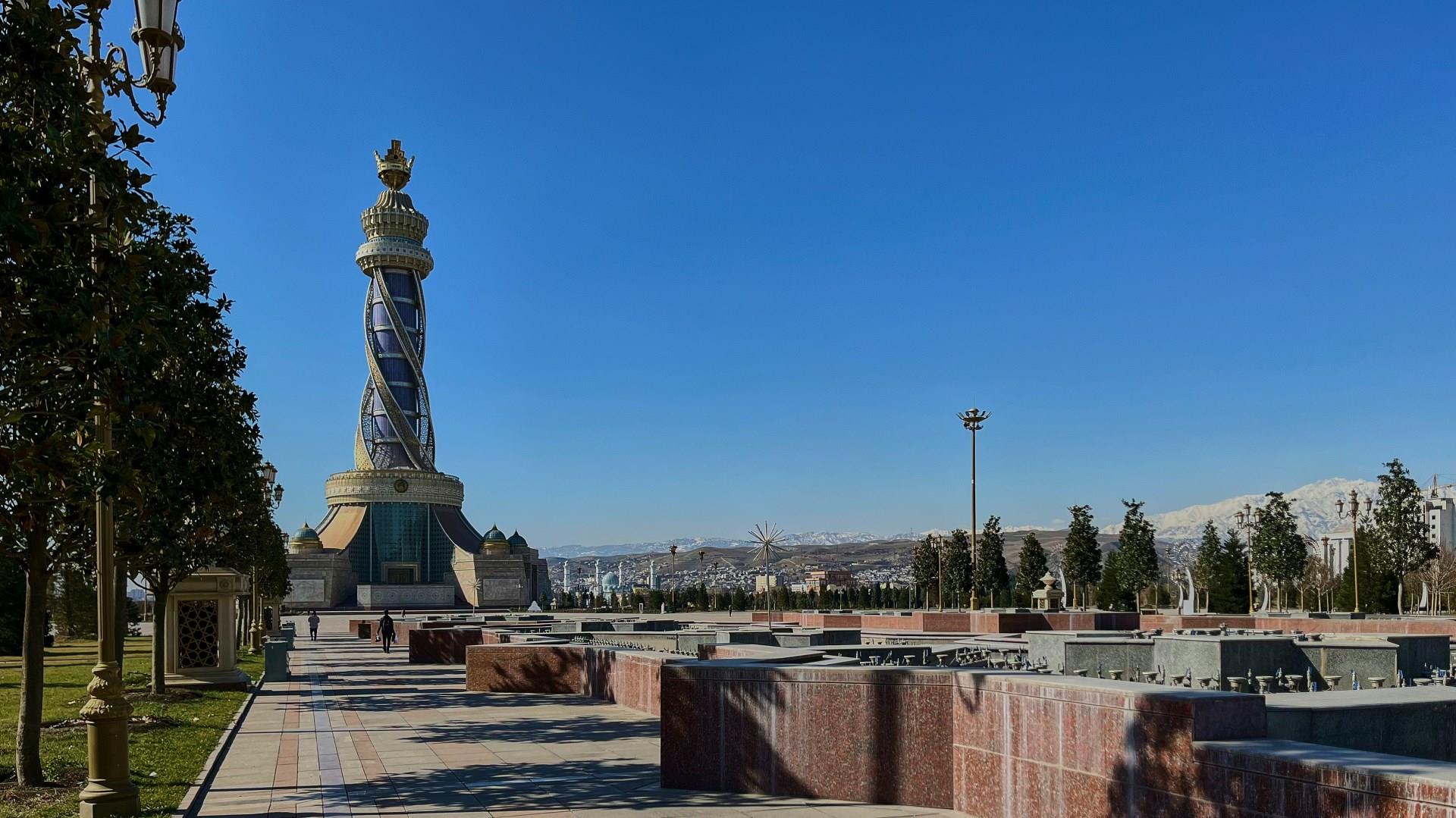
Dushanbe
Dushanbe, the capital of Tajikistan, blends Soviet-era architecture with traditional Central Asian culture. The city is known for landmarks such as the National Library, Rudaki Park, and the striking Flagpole Square, which reflect both civic pride and the country’s heritage
