

Texas
Texas is a state where size meets story from high plains to coastal shores, every region brings something distinct to the table. In San Antonio, visitors can walk through centuries of layered history starting at the Alamo, a site of one of the most famous battles in the state’s fight for independence. The nearby San Antonio Missions, a UNESCO World Heritage Site, offers a deeper look into the Spanish colonial influence that shaped the region.
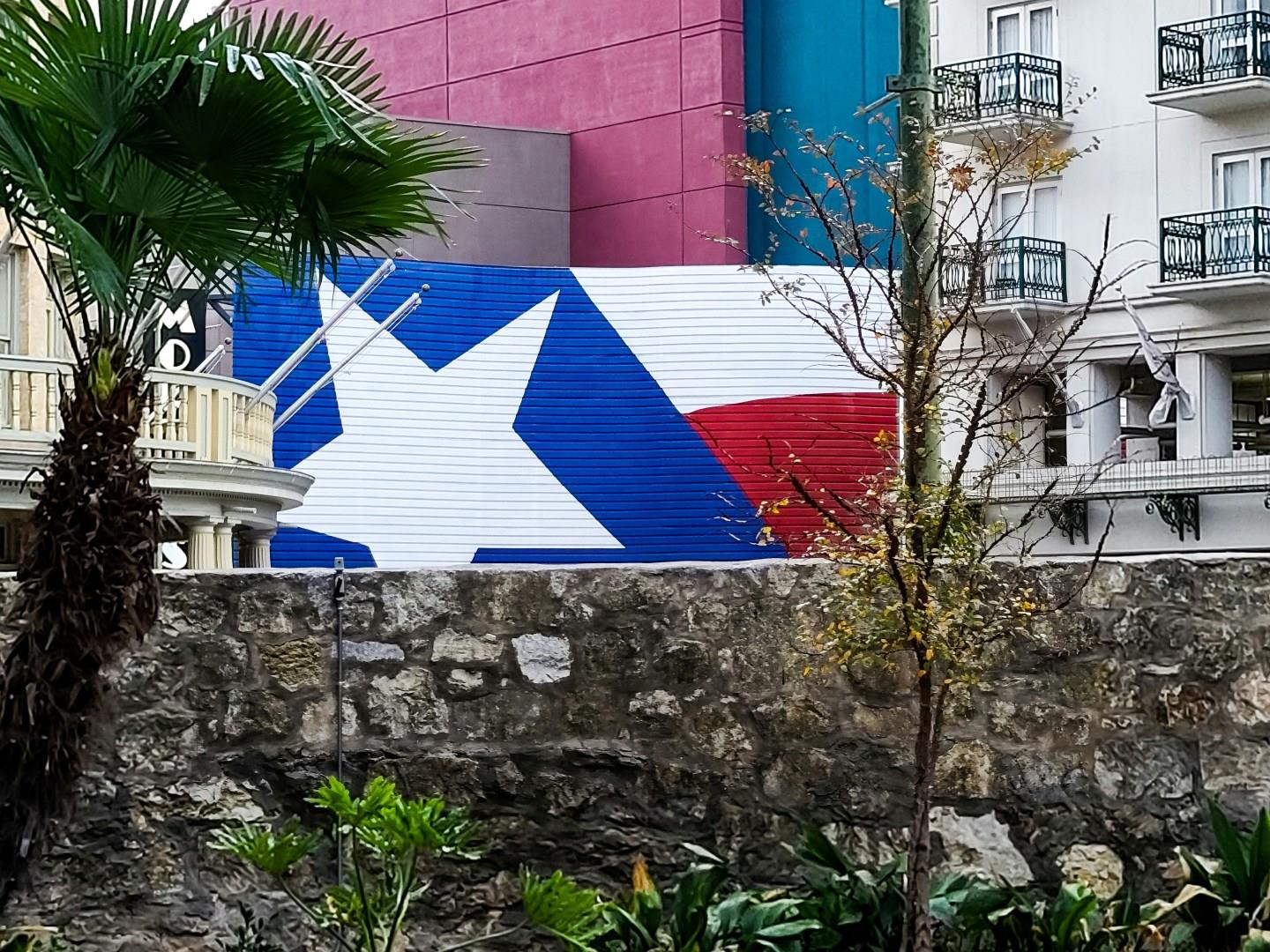
San Antonio
San Antonio is a city where centuries-old missions, lively markets, and a strong sense of place come together in unexpected ways. At the heart of it all is the Alamo, the former Spanish mission that became a symbol of Texas independence after the pivotal 1836 battle. Beyond its landmarks, San Antonio thrives through its neighborhoods. The River Walk weaves through downtown, lined with restaurants, shops, and galleries.

Juneau
Juneau's majestic sprawl and abundance of nature set it apart from most capital cities in America. Tourists arrive via air or water, many coming in on cruise ships.
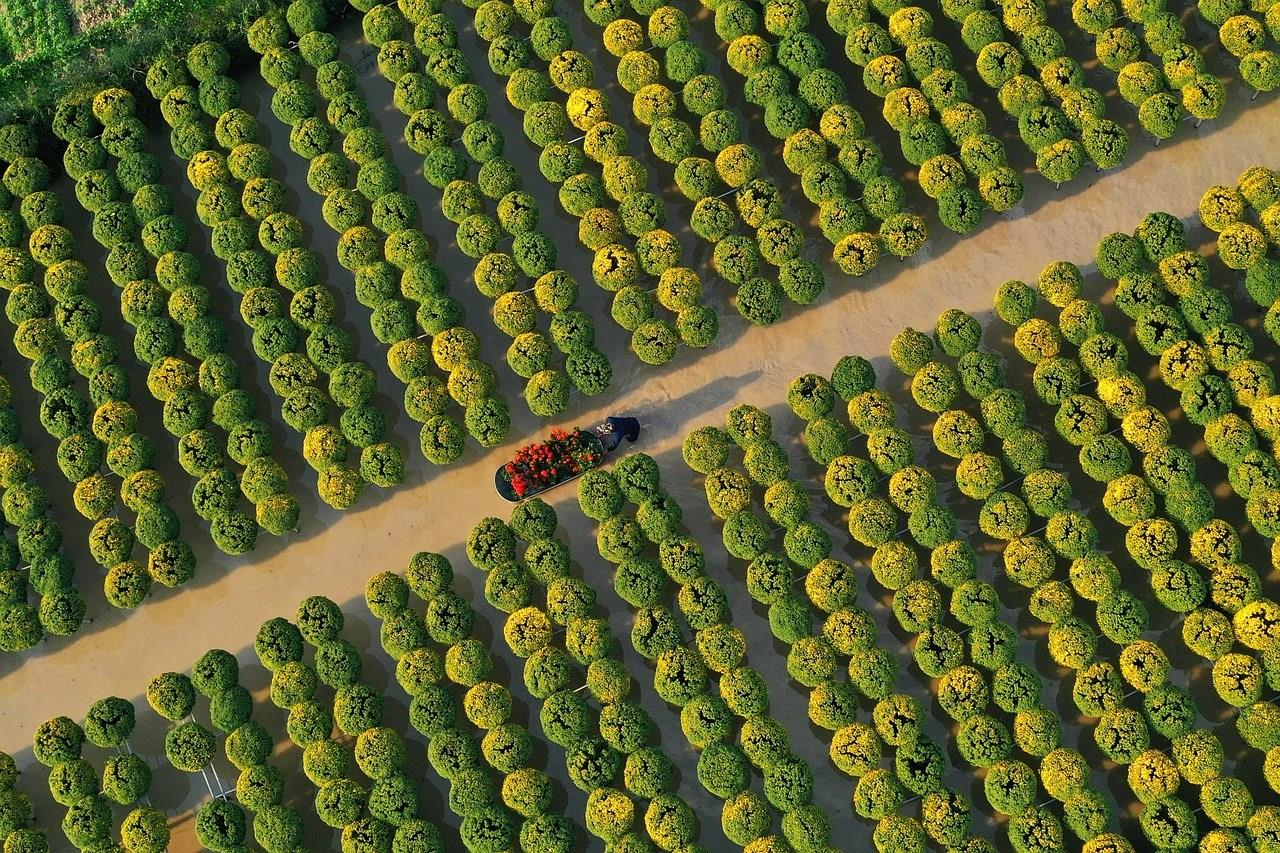
Sa Dec
A lesser-known river port in the Mekong Delta, Sa Dec was once the capital of Dong Thap province of southern Vietnam. Today, it is best known for its flower gardens and authentic bustling market. The city is also famous as the setting for French writer Marguerite Duras' 1984 novel, The Lover, and its 1991 film adaptation of the same name.

Copan
Copán, Honduras, is a hidden gem in Central America that beckons travelers with its extraordinary blend of ancient history, lush landscapes, and vibrant local culture. Known as the "Athens of the Maya," Copán is home to one of the most significant and well-preserved archaeological sites of the Mayan civilization, a UNESCO World Heritage Site.
