

Basseterre
Nestled under the imposing view of volcanic Mount Liamuiga, charming Basseterre is the best place to begin your next Caribbean adventure to St. Kitts. From the island’s untouched natural beauty, best seen by boarding the famous St. Kitts Scenic Railway, to the glittering beaches of Frigate Bay, perfect for snorkeling and jet skiing, there are plenty of excursions guaranteed to thrill you in Basseterre. Be sure to stop by the city center to visit Independence Square or venture thirty minutes outs

Des Moines
Des Moines, Iowa’s capital city, offers a refreshing take on Midwest travel with a blend of creativity, history, and community pride. Its downtown skyline is anchored by the gold-domed Iowa State Capitol, which offers free guided tours and a striking view from its hilltop perch. Just across the river, the East Village mixes old brick storefronts with indie shops, coffee houses, and vibrant murals. It's where old meets new, a theme that runs throughout the city’s evolving identity.

Aqaba
Red Sea beaches, world-class snorkeling and spectacular desert environments are all reasons to visit the port city of Aqaba, Jordan. Take a quick walk from the city's lovely waterfront promenade and behold its Old Town, which features the 14th century Mamluk Fort and the Aqaba Archaeological Museum.

Mauritius
Mauritius, a jewel in the Indian Ocean, is known for its turquoise lagoons and coral reefs. The island is a haven for relaxation and adventure.
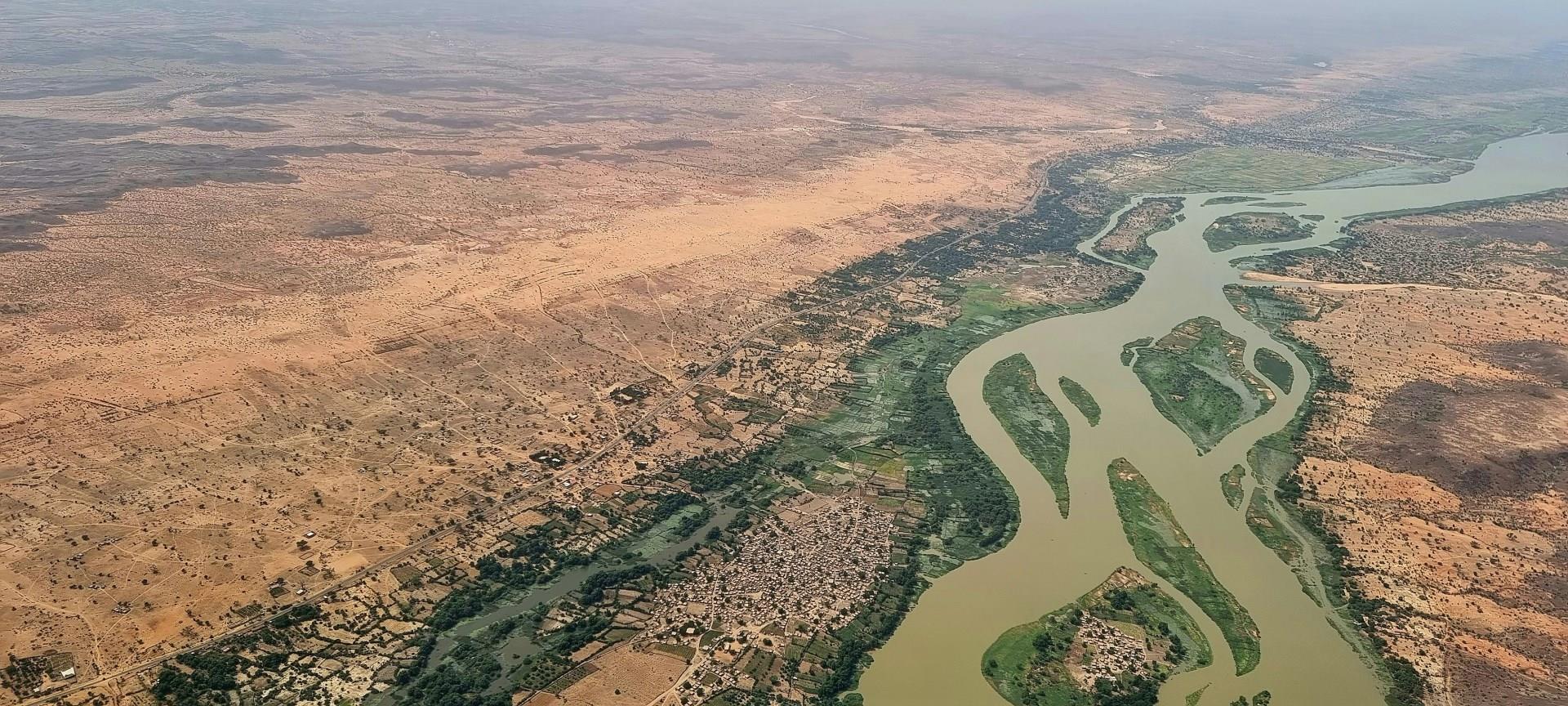
Niamey
Niamey, the capital of Niger, sits along the banks of the Niger River and serves as the country’s political, economic, and cultural center. Its riverside setting provides both scenic views and a hub for local activities, from fishing to small boat transport.
