
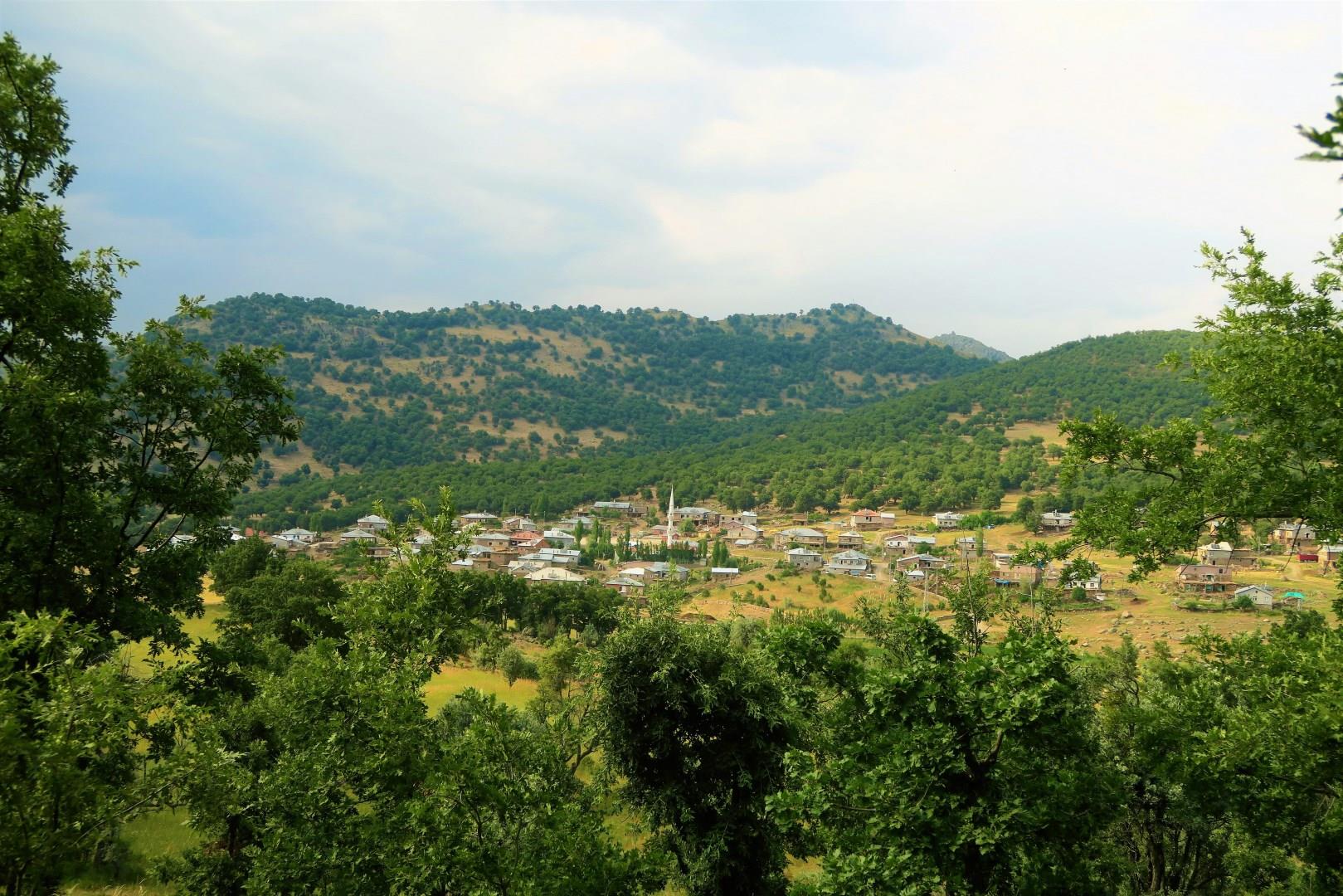
Konya
Konya has served as a spiritual center for centuries. Every December, the Şeb‑i Arûs festival marks the passing of Rumi, the Persian mystic, and draws Sufis and visitors from around the world to witness the Sema. Whirling dervish dance is performed to the sound of ney flutes and drums. In one of the country's most hushed and vivid traditions, performers spin in unison in flowing white skirts, a scene that blends meditation with graceful motion in a way found nowhere else.
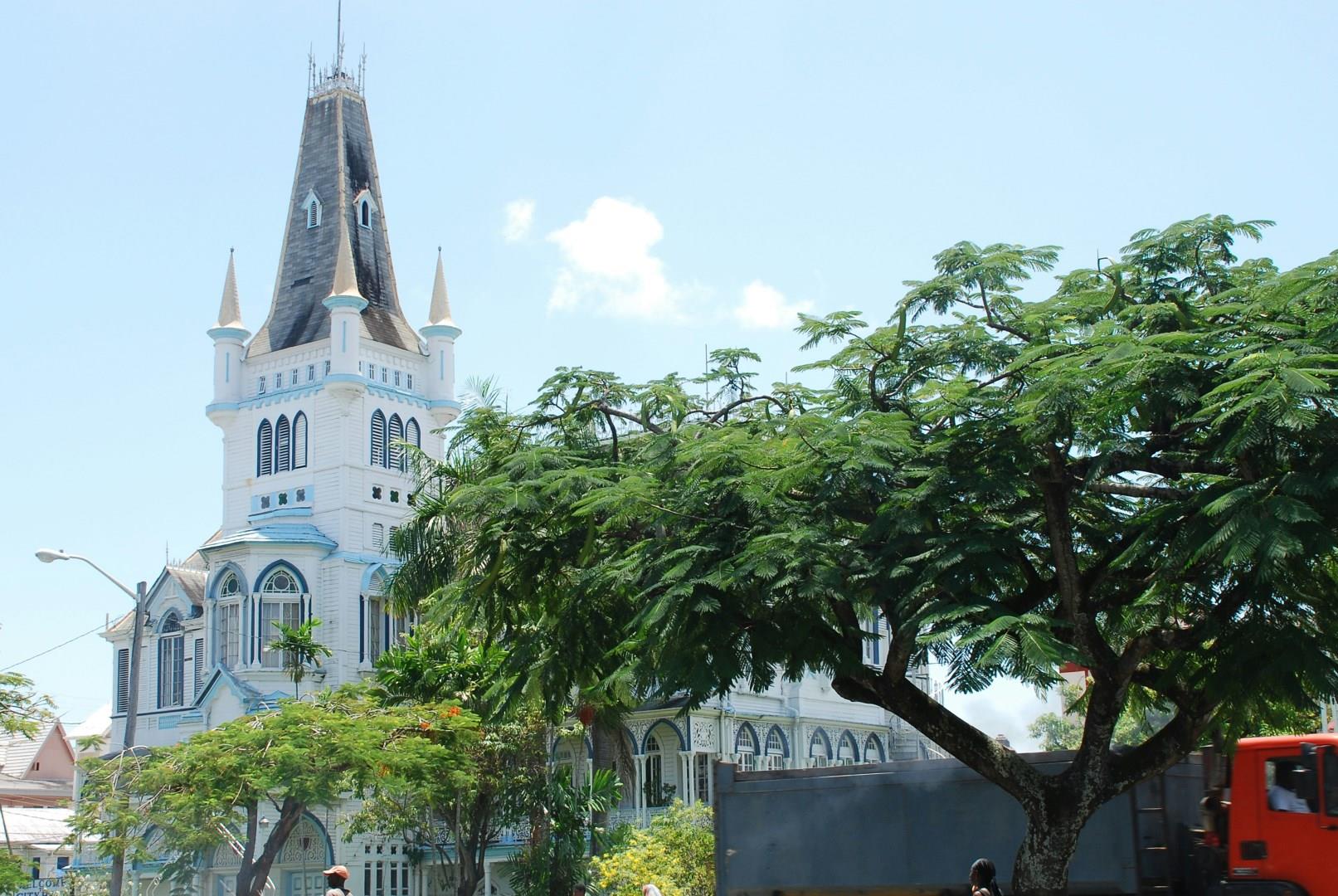
Georgetown
Georgetown, Guyana’s capital, is a city of wooden cathedrals, tree-lined canals, and street corners alive with music, food, and political discussion. Located at the mouth of the Demerara River, the streets still follow the Dutch grid system, and the city’s architectural signature, with its elegant wooden buildings with louvered shutters and fretwork, make it one of the most visually distinct capitals in South America.
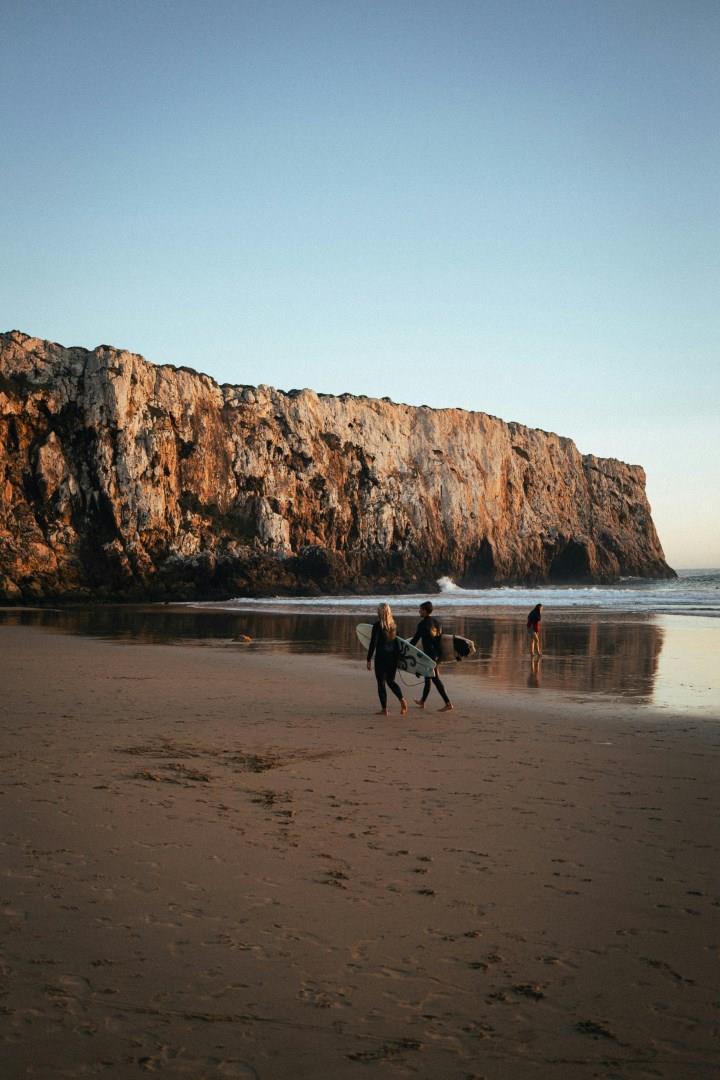
Sagres
Sagres sits at the southwestern edge of continental Europe in Portugal’s Algarve region, where the Atlantic’s wide horizon meets rugged cliffs and open skies. For centuries this point was linked to maritime adventure and visitors can still feel that sense of discovery in the air. Here, people like Prince Henry the Navigator gathered cartographers, shipbuilders and astronomers in the 1400s to push beyond maps of the known world and shape the early Age of Discovery from Sagres’ dramatic headlands.

Whistler
Whistler, nestled in the Coast Mountains of British Columbia, is a year-round destination renowned for its world-class skiing and vibrant outdoor lifestyle. As home to the largest ski resort in North America, Whistler Blackcomb, this picturesque town transforms into a snowy wonderland each winter.
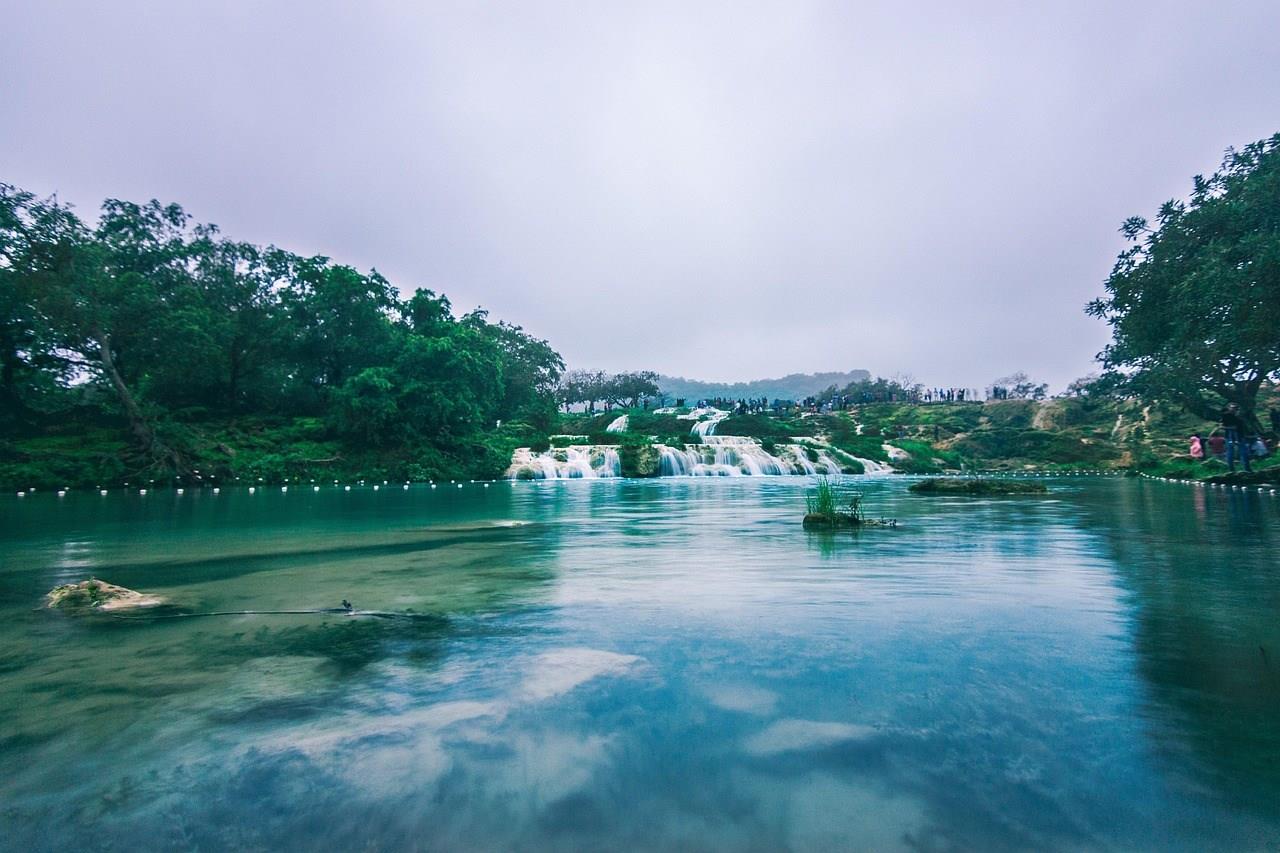
Salalah
Salalah stands out with its rare blend of desert and tropical appeal. Unlike much of the Arabian Peninsula, this coastal city is transformed by the seasonal Khareef (monsoon), turning the landscape lush and green between June and September.
