

Malta
Malta, a small island nation in the heart of the Mediterranean, offers visitors a rich blend of history and vibrant local culture. Its capital, Valletta, is a UNESCO World Heritage site filled with grand Baroque architecture, narrow streets, and significant historical landmarks like St. John’s Co-Cathedral, home to masterpieces by Caravaggio. The city's fortifications tell stories of centuries of military importance, guarding one of Europe’s busiest harbors.
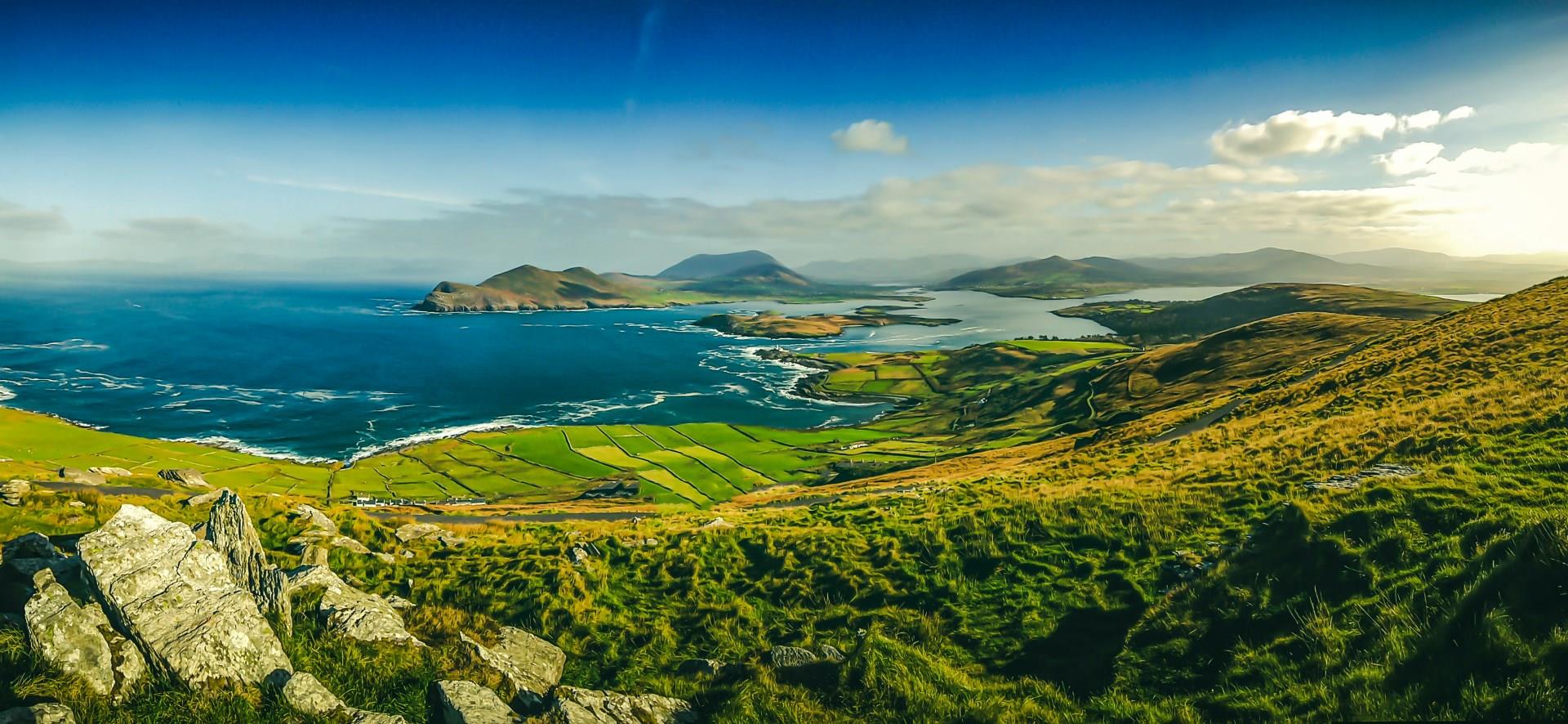
Kerry County
County Kerry, located in Ireland’s southwest corner, is a landscape of dramatic contrasts, where rugged mountains meet serene lakes and Atlantic waves crash against wild peninsulas. Known as “The Kingdom,” Kerry holds deep cultural and historical significance, with ancient ring forts, medieval monasteries, and Gaelic traditions that endure in everyday life.

Reykjavik
On coastal Iceland, the globe's northernmost capital, Reykjavík, invites visitors to discover its unique charms. Iceland is rife with natural wonders: geysers, geothermic spas, waterfalls and the spectacular Northern Lights. Reykjavik, dating back to 870 AD, offers world-class museums, restaurants, shopping and nightlife.

Fez
A series of gates surrounds the two centers of ancient, medieval Fez (sometimes spelled Fes). The principal axes link the center to the gates and a street surrounds the heart of the old city. The Kairouan quarter, which is longer, is crossed by an artery. Narrow, tortuous pedestrian streets, covered passages, stairs and numerous dead-ends make up the dense layout with few urban squares.

Havana
Havana, Cuba's vibrant capital, is a city where the past and present coalesce to create an unforgettable travel experience. Walking through Old Havana (La Habana Vieja), a UNESCO World Heritage site, feels like stepping back in time. The cobblestone streets are lined with pastel-colored colonial buildings, baroque churches, and iconic plazas, such as Plaza de la Catedral and Plaza Vieja, each with its own unique charm and history.
