
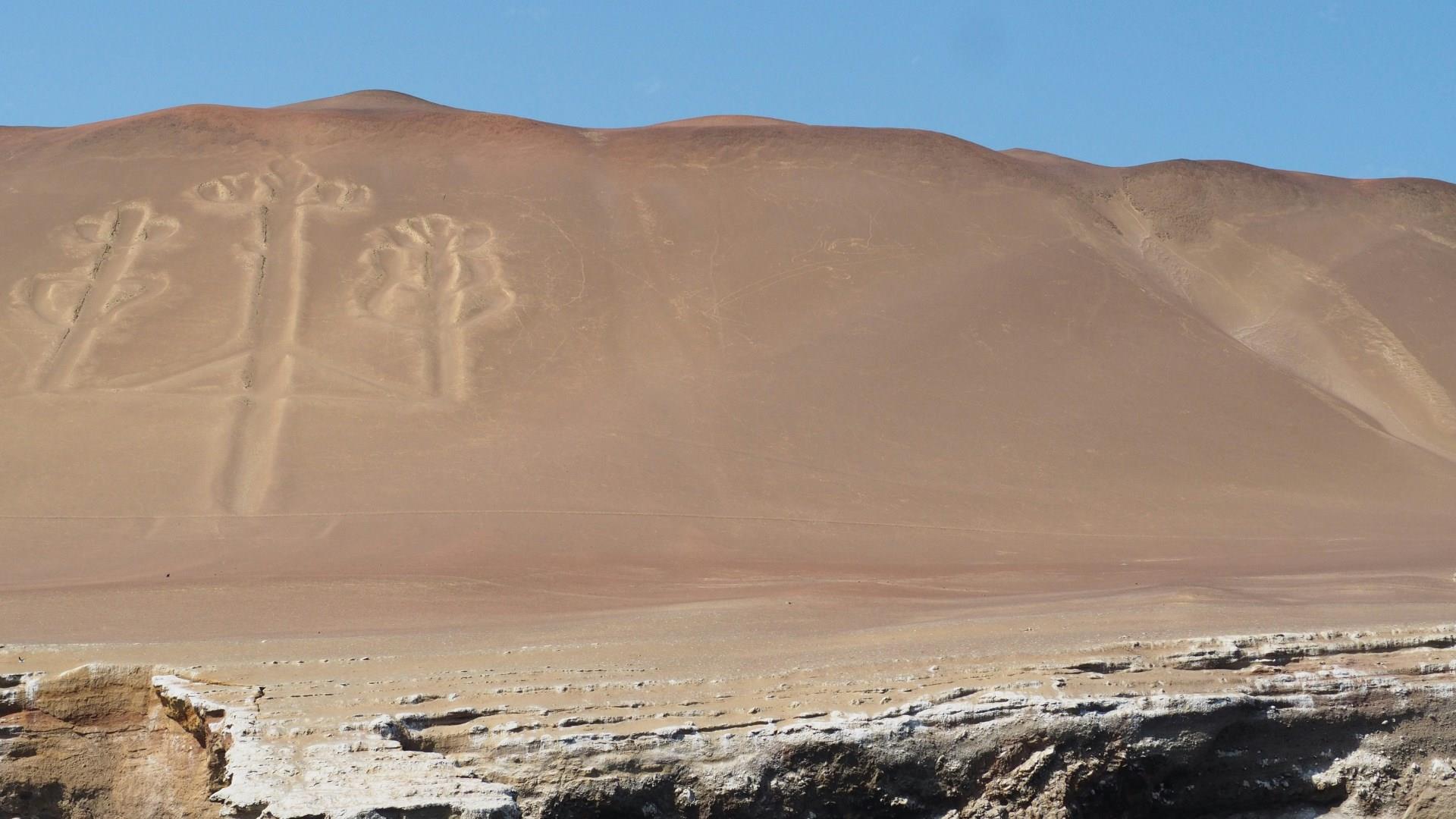
Paracas
Paracas, a small coastal town in southern Peru, offers a mix of desert landscapes, marine wildlife, and ancient history. Just three hours from Lima, it’s the gateway to the Paracas National Reserve, one of the country’s most important protected areas. This reserve includes both land and sea, making it home to dramatic cliffs, wind-carved rock formations, and waters where dolphins, sea lions, and Humboldt penguins are frequently seen.

USA
Spanning from the Atlantic to the Pacific, its geography encompasses everything from mountain ranges and fertile plains to vibrant cities and quiet coastal towns. Each region tells its own story.
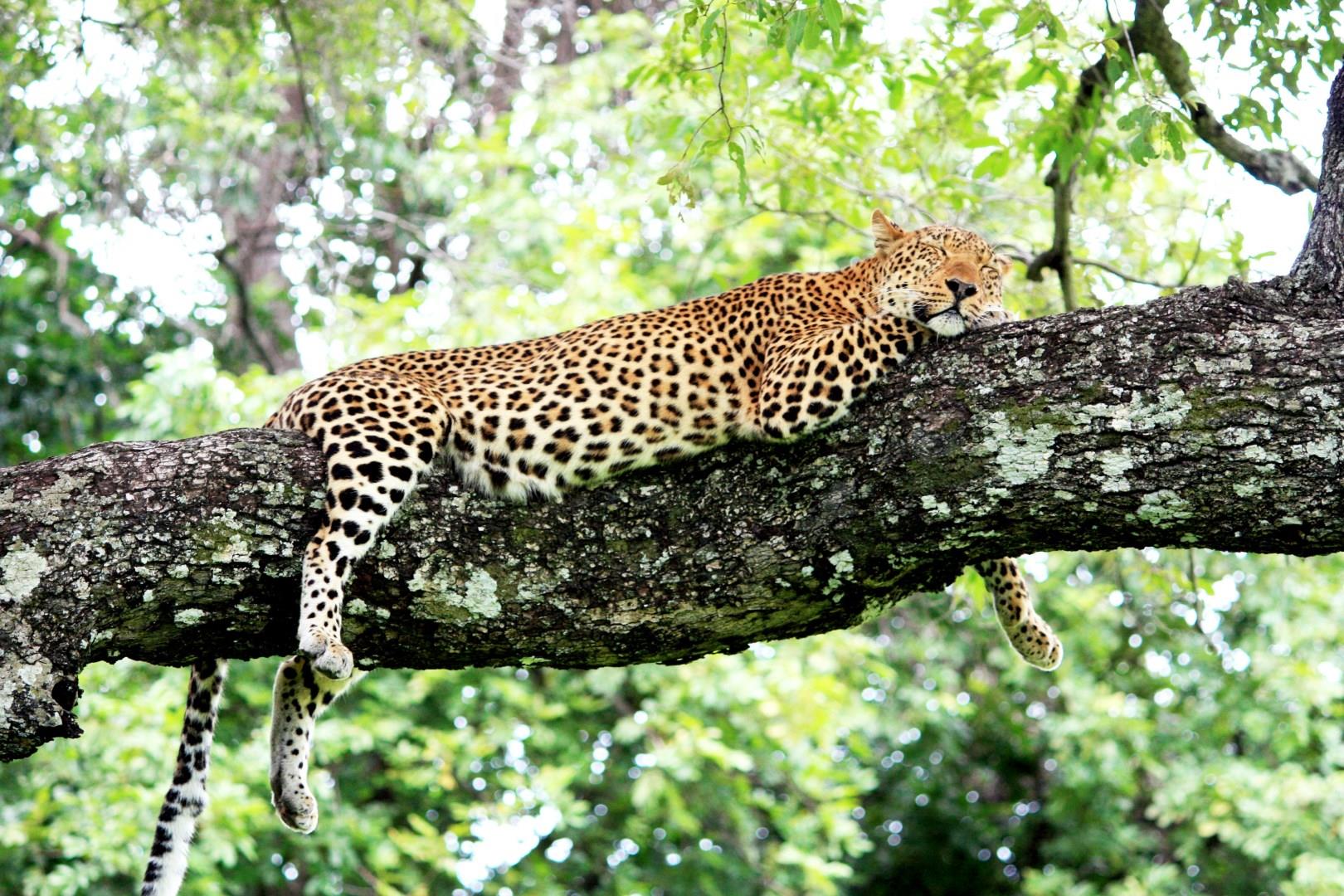
South Luangwa National Park
South Luangwa National Park in eastern Zambia is one of Africa’s most treasured wildlife areas, lying along the lush bends of the Luangwa River. Designated as a protected area in the 1970s, it stands out for its consistently high wildlife densities and landscapes that shift with the seasons. Dry grasslands, shaded woodlands, and green floodplains all unfold beneath wide skies, shaping the canvas for memorable animal sightings.
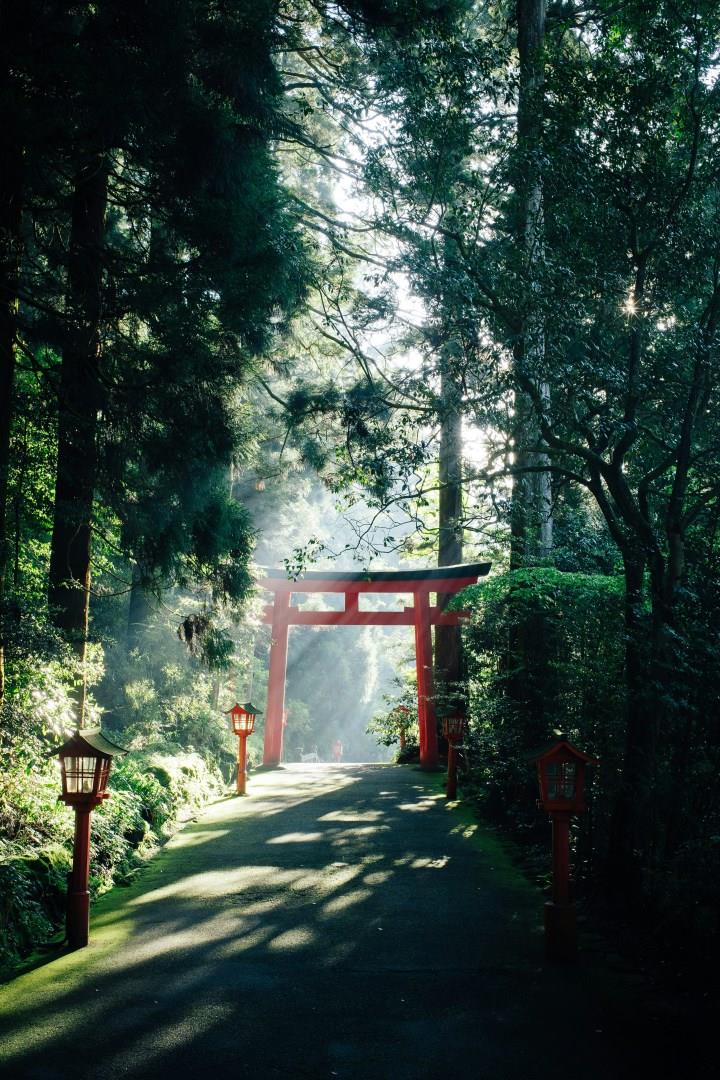
Hakone
Nestled in the mountains just 90 minutes from Tokyo, Hakone has long been a retreat for travelers seeking both quiet and culture. Once a crucial checkpoint on the historic Tōkaidō road between Edo and Kyoto, Hakone is still shaped by centuries of history. The reconstructed Hakone Sekisho (Hakone Checkpoint) offers a glimpse into the Edo Period, when travelers were inspected by samurai guards before continuing on their journey.

Terre-de-haut
Terre-de-Haut is an island off the coast of Guadeloupe and replete with a variety of stunning viewpoints to gaze out at the sparkling waters of the Caribbean Sea.
