
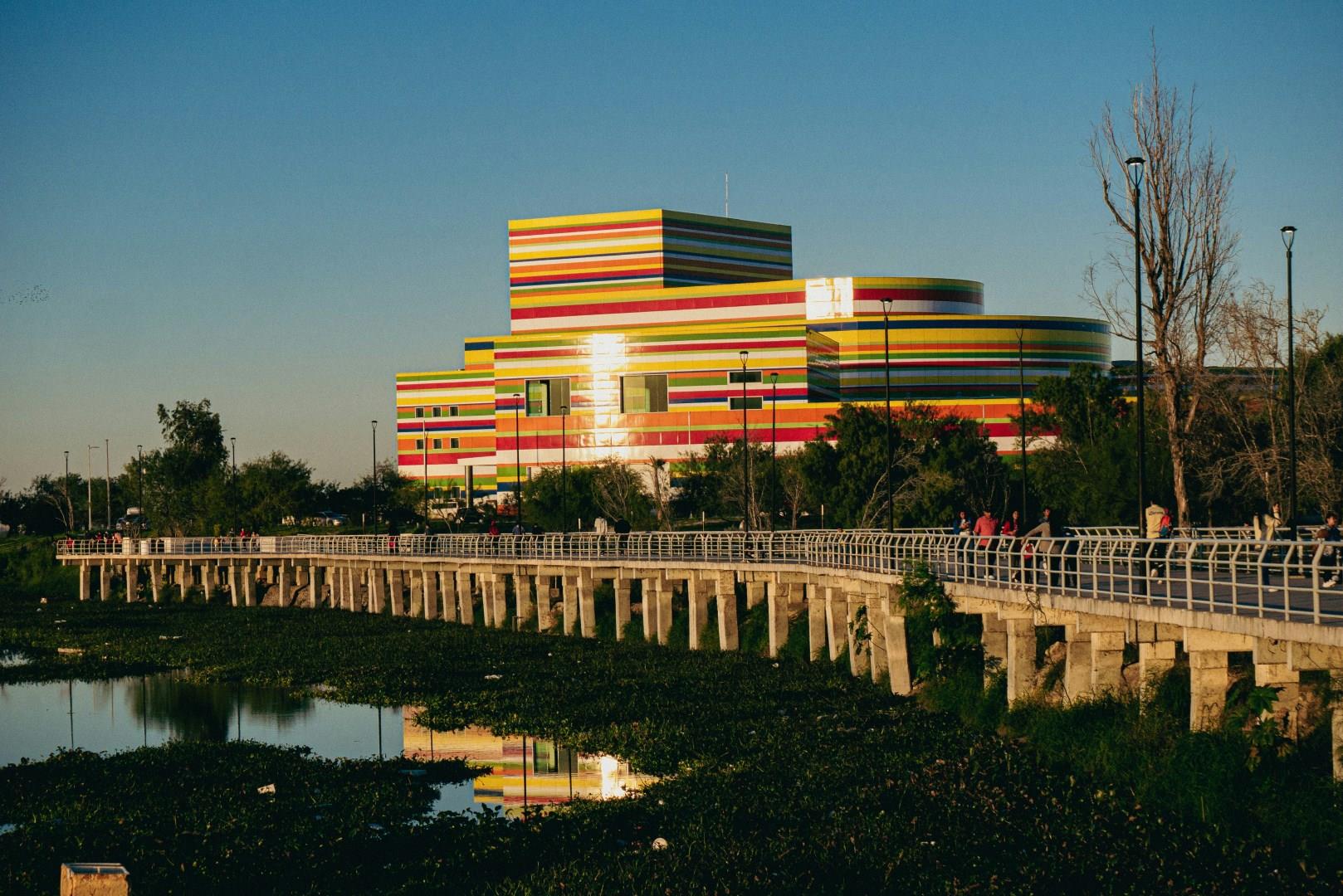
Reynosa
Reynosa, located along the northern border of Tamaulipas, is a city shaped by its position as a cultural and economic bridge between Mexico and the United States. Founded in 1749, Reynosa has grown into a vital manufacturing and trade center, but it also holds onto traditions that reflect both its regional roots and binational influences. The Plaza Principal is a popular gathering spot, often hosting live music and seasonal festivals.

Heimaey
Heimaey, the largest island in Iceland’s Vestmannaeyjar archipelago, is a captivating destination renowned for its dramatic landscapes and volcanic history. A visit to Heimaey offers a unique blend of natural beauty and cultural heritage.
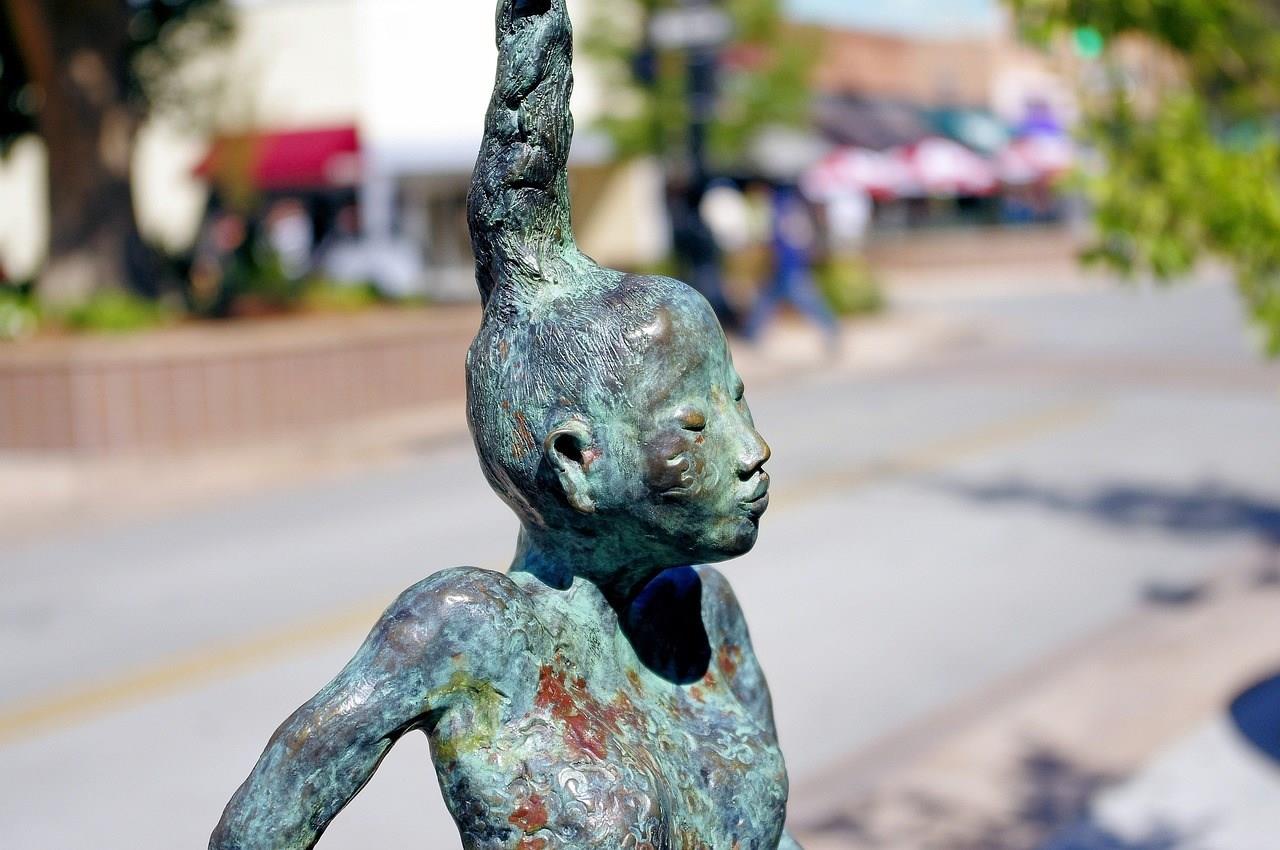
Grand Junction
Grand Junction, located on Colorado’s Western Slope, is a destination where desert canyons meet fertile vineyards and rugged plateaus overlook winding rivers. The town sits at the junction of the Colorado and Gunnison Rivers, which historically made it a vital meeting point for Native American tribes, trappers, and settlers. Today, visitors come for its striking landscapes, laid-back pace, and a growing food and wine scene that's putting this region on the map for more than just its scenery.

Moab
Nestled between Canyonlands National Park and Arches National Park, Moab is the perfect entryway to some of Utah’s most iconic scenery. Dotted with gorgeous sandstone formations, mesas, and buttes, Moab epitomizes the rugged beauty of the American Southwest.
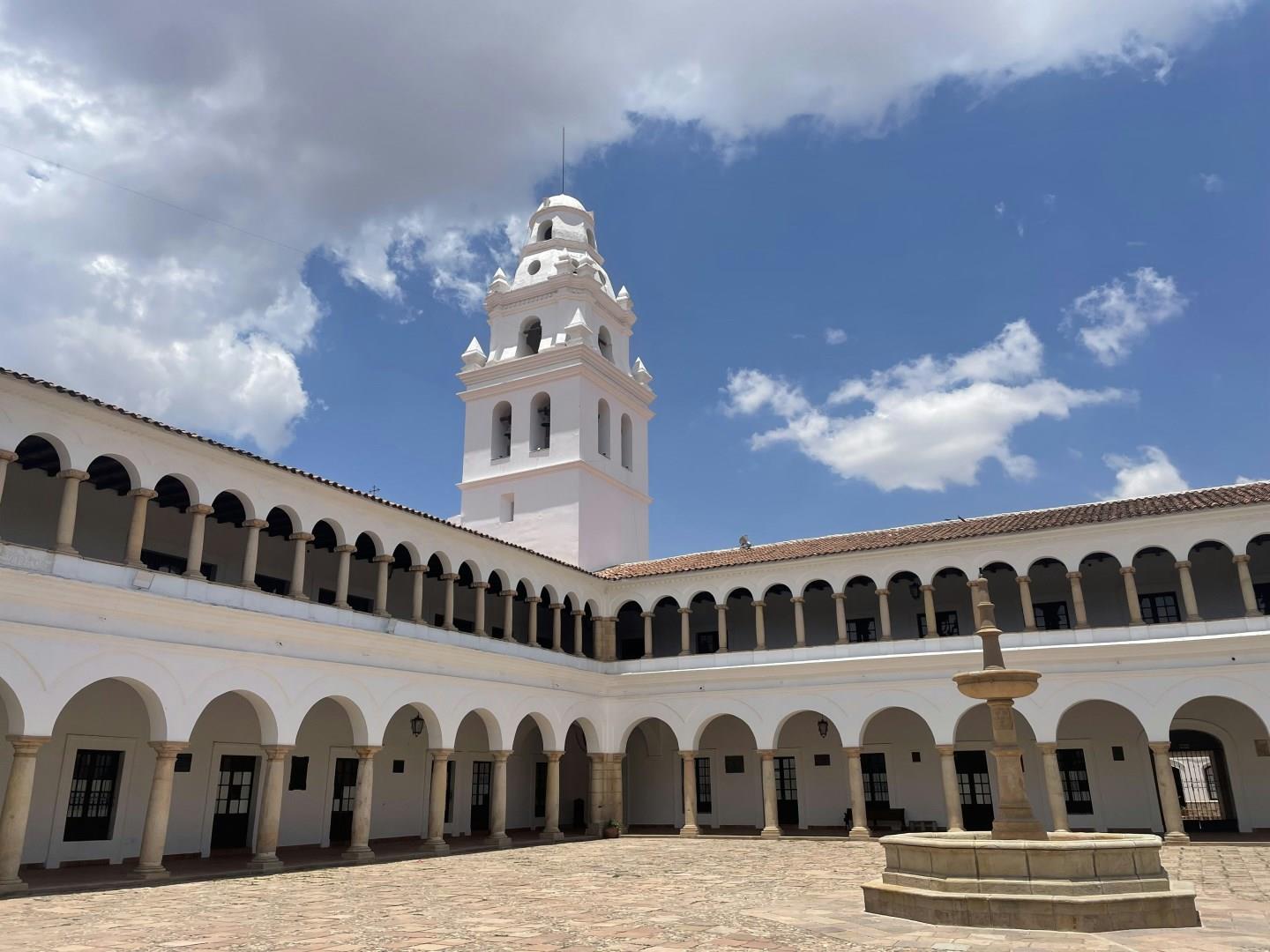
Sucre
Sucre, Bolivia’s constitutional capital, is a city steeped in history and colonial charm. Founded in the 16th century by the Spanish, it played a pivotal role in South America’s independence movements, earning its place as the birthplace of the Bolivian Republic.
