Dublin
Dublin, Ireland is an architectural, artistic, and gastronomic marvel. Immerse yourself in this cultural capital and discover a few of Ireland’s most famous landmarks!

Viñales
Nestled in the lush landscapes of western Cuba, Viñales offers an enchanting escape into a world where time seems to slow down amidst breathtaking natural beauty. Renowned for its striking limestone formations, known as mogotes, the Viñales Valley is a UNESCO World Heritage Site and a paradise for nature enthusiasts. The valley's dramatic scenery provides an ideal backdrop for hiking, horseback riding, and exploring underground caves like the Cueva del Indio.
Socotra
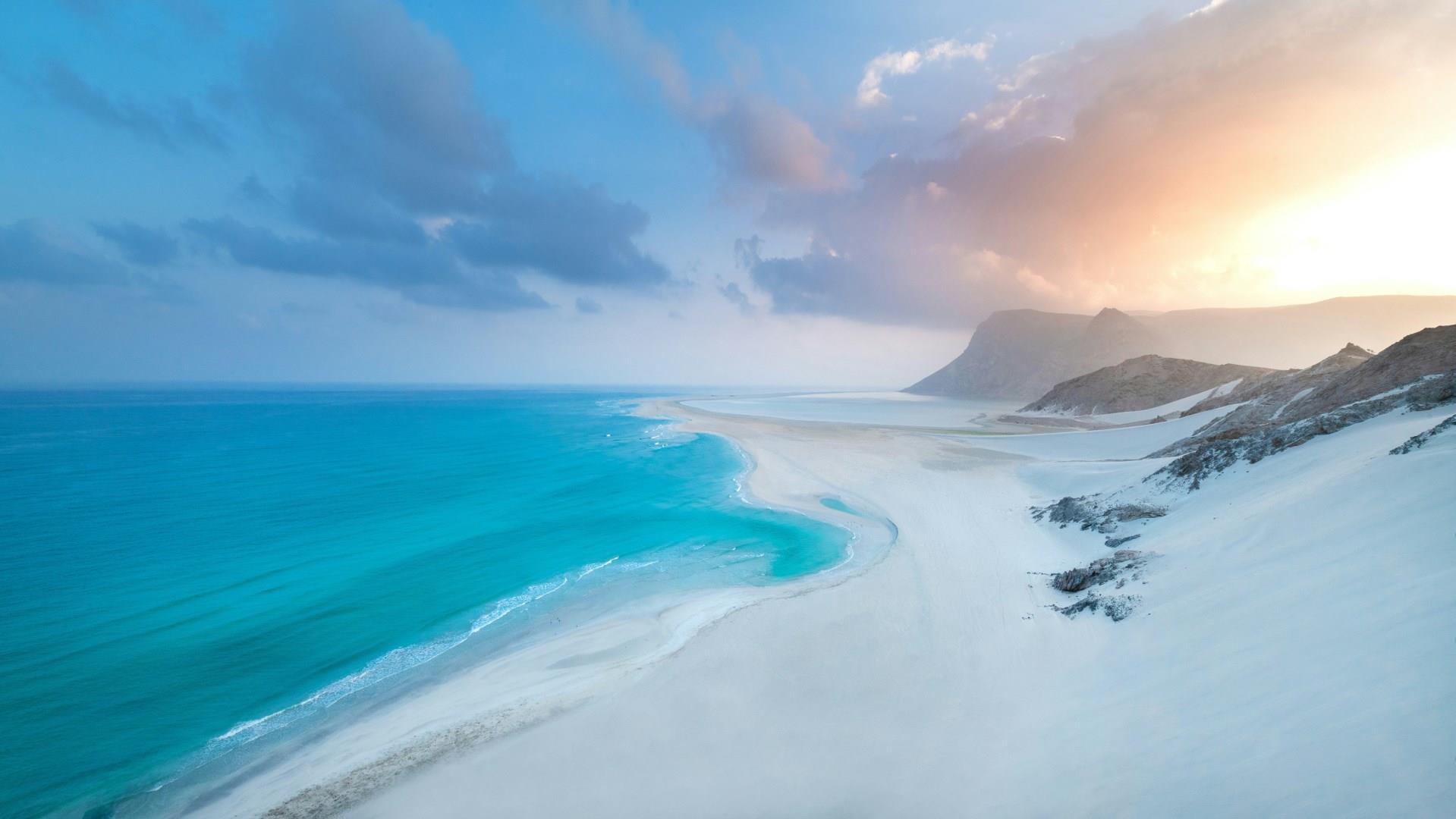
Socotra rises from the Arabian Sea like a world apart, its landscapes shaped over millennia. The Dragon’s Blood Trees, with their umbrella-shaped crowns and deep red sap, stand among the most iconic sights here. In places like Dixam Plateau and Homhil Forest, these trees gather in sparse formations, creating scenes that feel both ancient and alien. The resin remains valued for traditional dyes and remedies.
Cankuzo
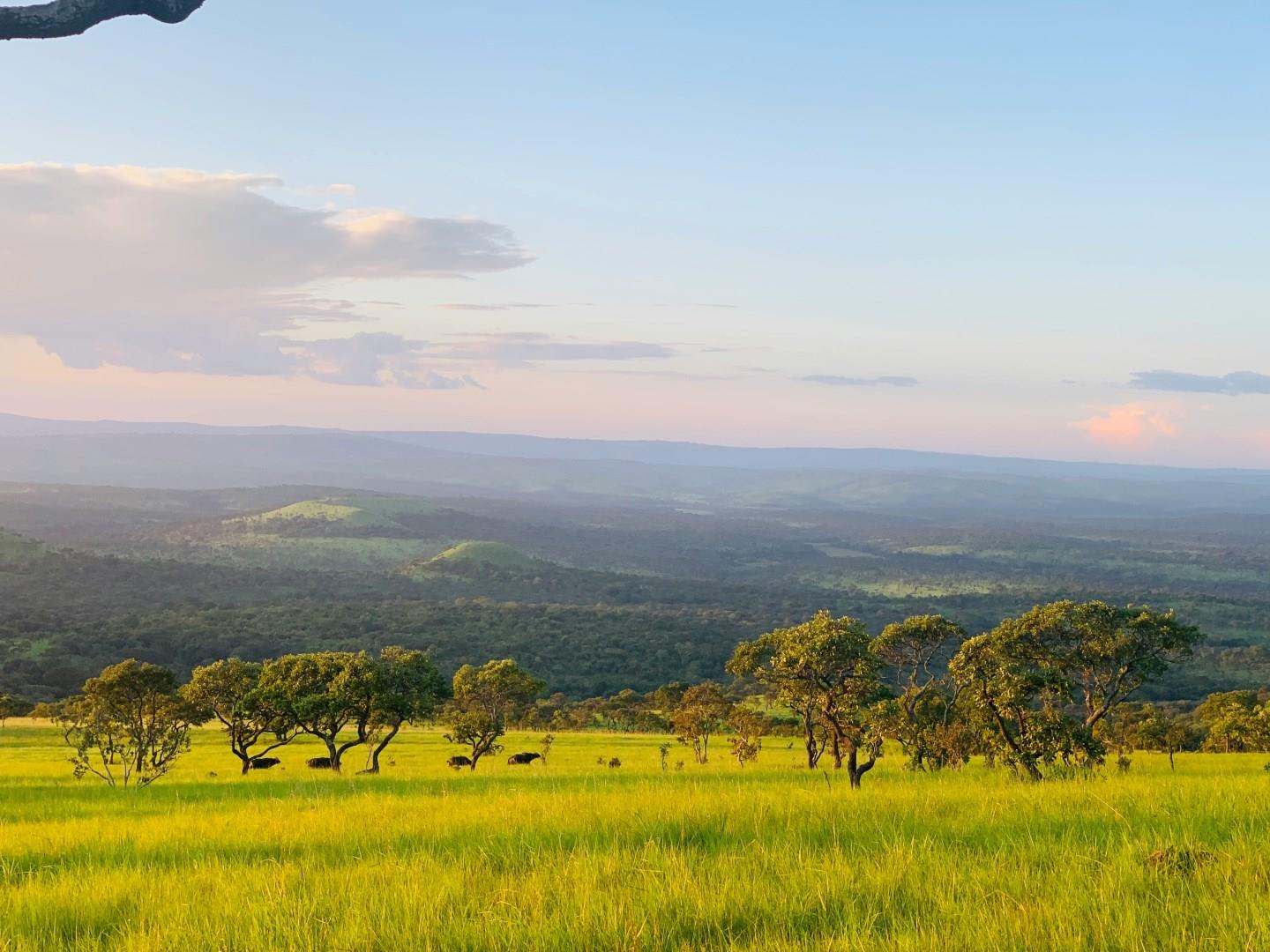
Cankuzo, tucked in Burundi’s eastern corner near the Tanzanian border, offers travelers a lesser-known but deeply rewarding experience. Known for its rolling hills, scattered woodlands, and untouched landscapes, Cankuzo is one of the country’s least populated provinces, which adds to its charm. The region’s peaceful setting makes it an ideal place to experience rural Burundi in its most genuine form.
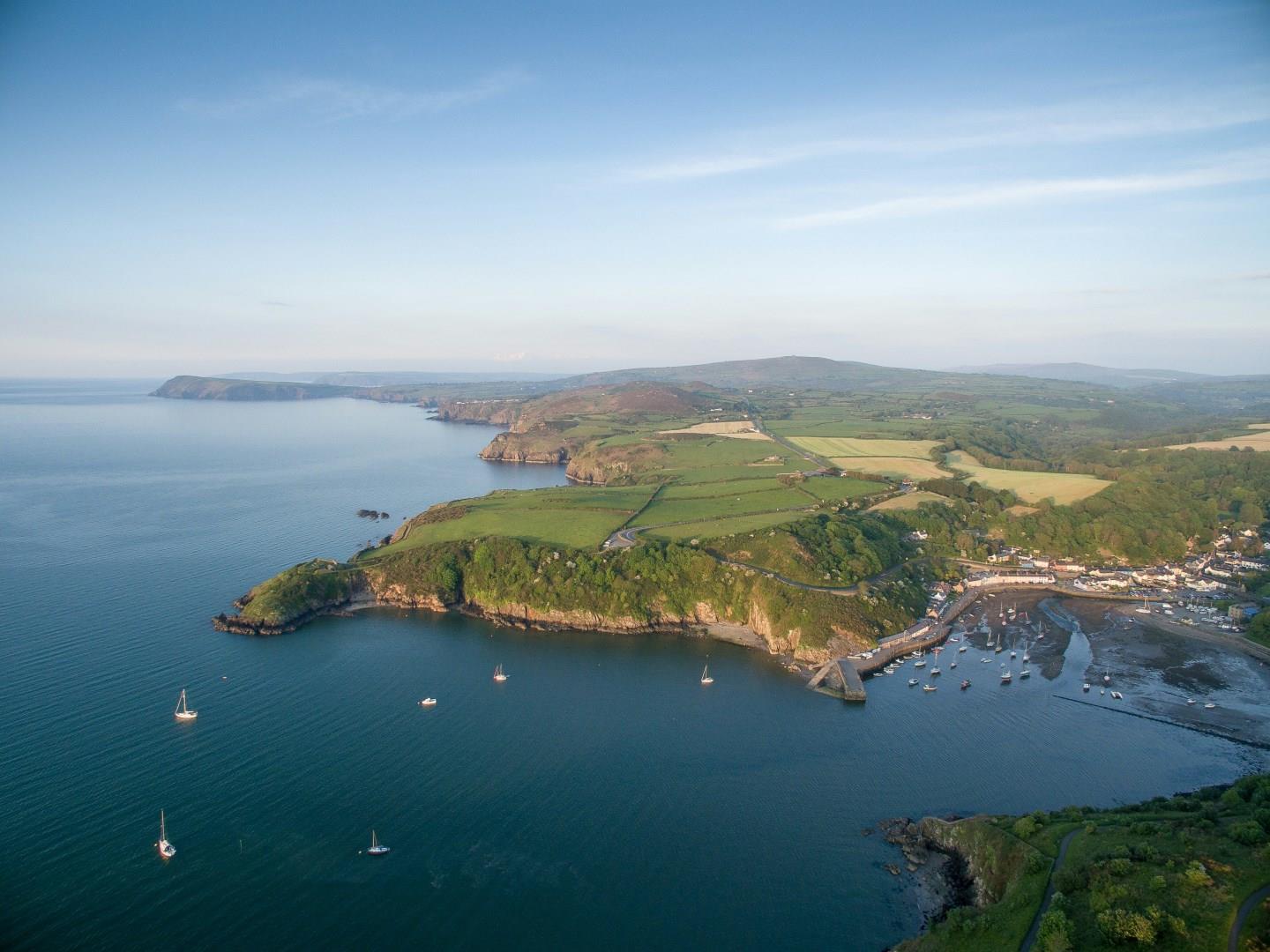
Fishguard
Fishguard, a coastal town in north Pembrokeshire, is divided into two parts: Fishguard and Lower Town. Lower Town is a small harbor nestled at the mouth of the River Gwaun, lined with fishing cottages and boats. It has served as a filming location for several productions, including the 1956 movie *Moby Dick* starring Gregory Peck. Visitors can walk the quayside, explore rock pools at low tide, or take boat trips along the Pembrokeshire Coast.