

Padre Island
Padre Island is a long barrier island along the Texas Gulf Coast, extending beside the Gulf of Mexico from the Corpus Christi area toward the southern tip of Texas. Much of the island consists of broad beaches, coastal dunes, grasslands, tidal flats, and shallow lagoons. The northern section is closely associated with Corpus Christi, while South Padre Island is a developed resort community farther south.

Changsha
The capital of Hunan Province in central China, north of Guilin. Founded over 5000 years ago, it has long been a major cultural and educational center. Mao Zedung lived here and attended school.
Middletown
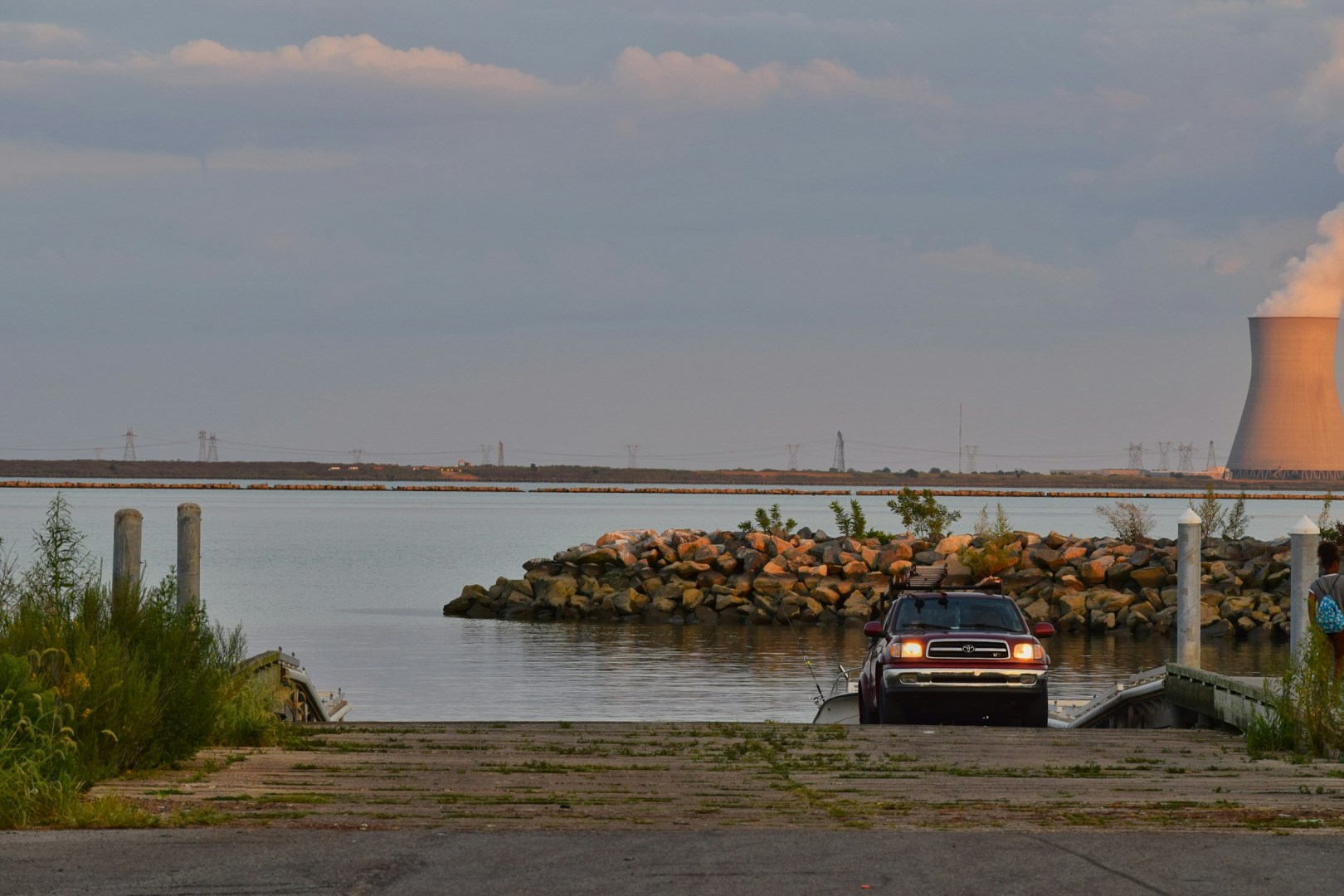
Middletown, Delaware, offers a delightful blend of small-town charm and modern appeal, making it an increasingly popular destination for visitors. Nestled in the heart of New Castle County, Middletown is known for its picturesque landscapes and rich history. The town has grown rapidly in recent years, but it has retained its historic character, with spots like the Everett Theatre, which first opened in 1922, offering a nostalgic glimpse into Middletown's past.

Spitzkoppe
Spitzkoppe, often referred to as the "Matterhorn of Namibia," is a stunning granite peak rising majestically from the desert floor, offering some of the most dramatic landscapes in the country. Located between Usakos and Swakopmund, this isolated mountain range, with its highest point standing at 1,728 meters, is a paradise for hikers, climbers, and nature lovers. The area is also rich in ancient San rock art, providing visitors with a glimpse into Namibia's prehistoric past.

Norwegian Sea
The Norwegian Sea, situated between Norway and the Arctic Ocean, offers a breathtaking adventure in one of Europe’s most rugged and enchanting regions. This body of water is bordered by Norway's western coastline, the Faroe Islands, and the northern reaches of Iceland, each contributing to its unique allure.
