
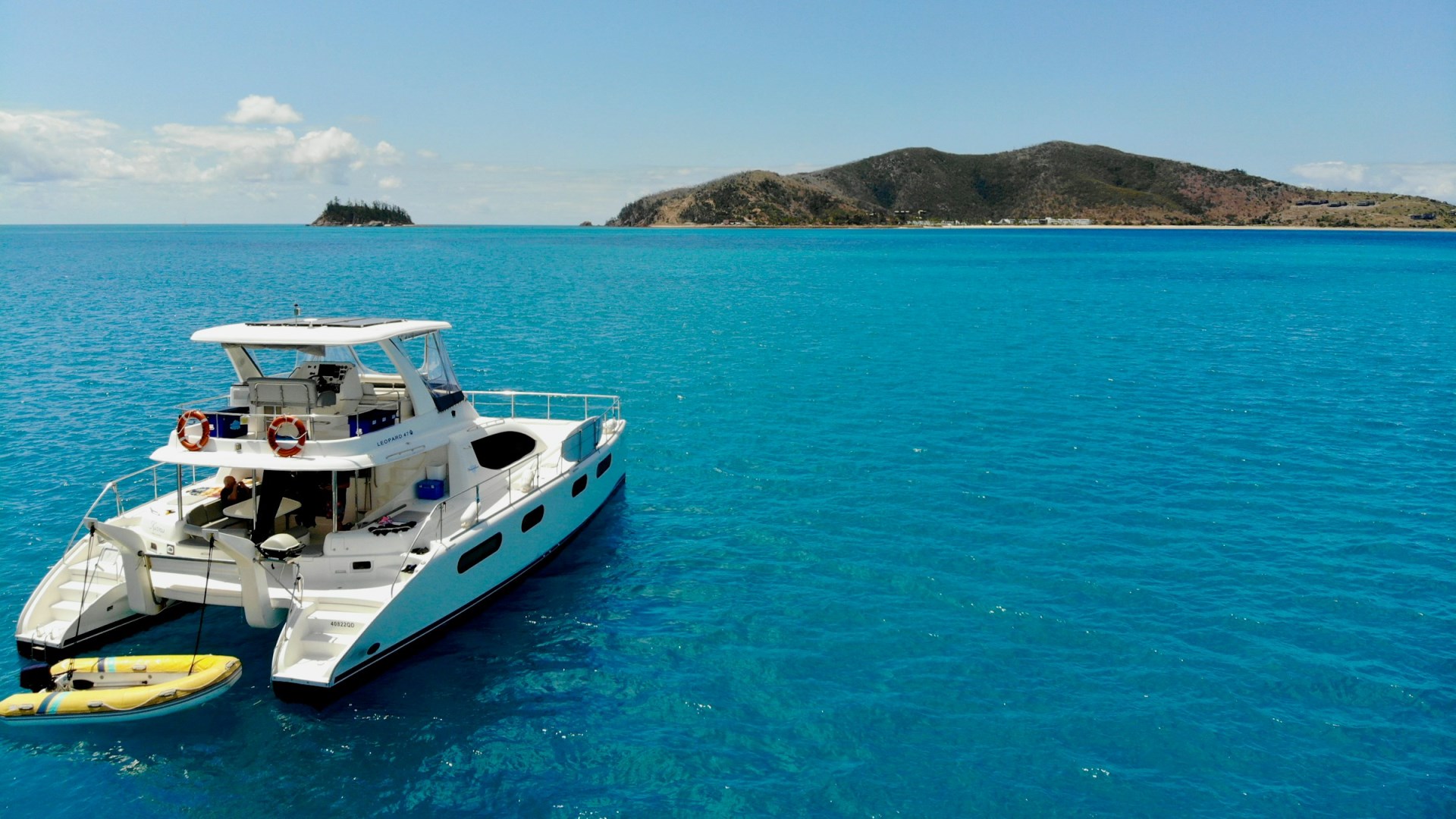
Hayman Island
Hayman Island is nestled in the spectacular Whitsunday Islands off Australia's north Queensland Coast.
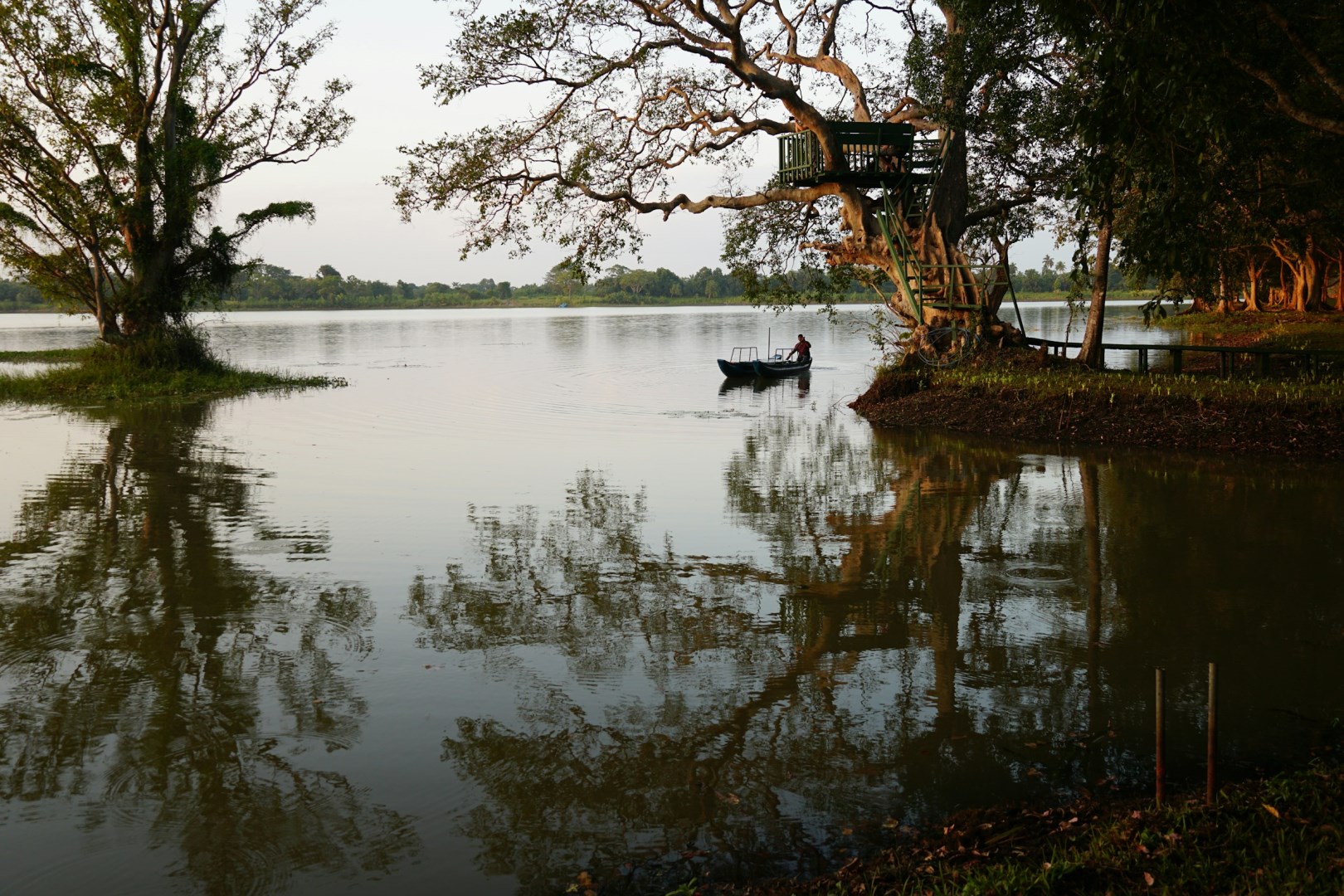
Habarana
Habarana is a small town in Sri Lanka’s North Central Province and an important base for exploring the island’s Cultural Triangle. Set among dry-zone forest, lakes, and open countryside, it provides access to several major heritage and wildlife sites. Sigiriya, Polonnaruwa, Dambulla, and Anuradhapura are all within reach, while the town itself has developed accommodation and services for visitors traveling between these destinations.
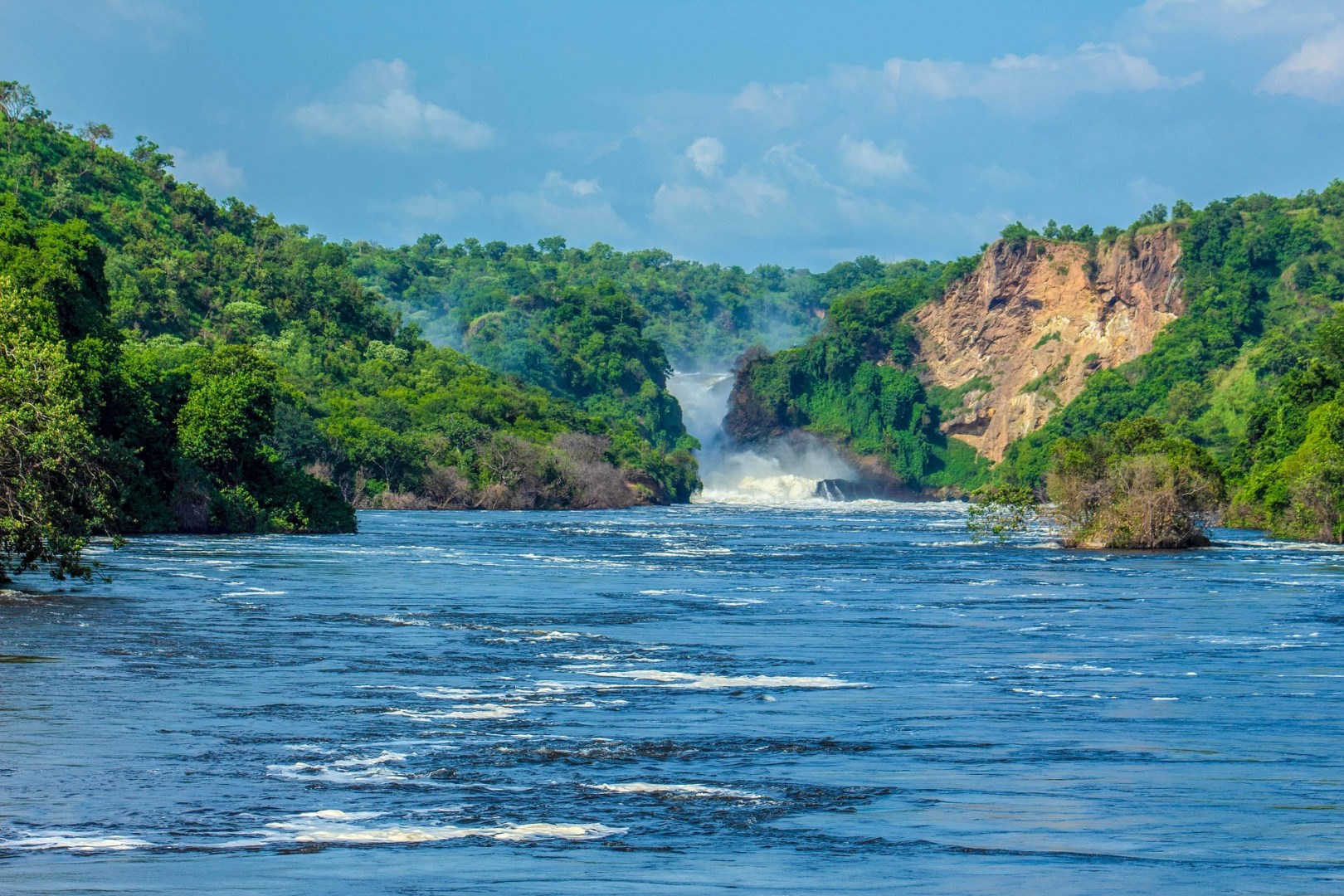
Murchison Falls
Murchison Falls is one of Uganda’s best-known natural landmarks, located within Murchison Falls National Park in the northwestern part of the country. The waterfall forms where the Victoria Nile is forced through a narrow gorge before dropping over the rocks and continuing toward Lake Albert.
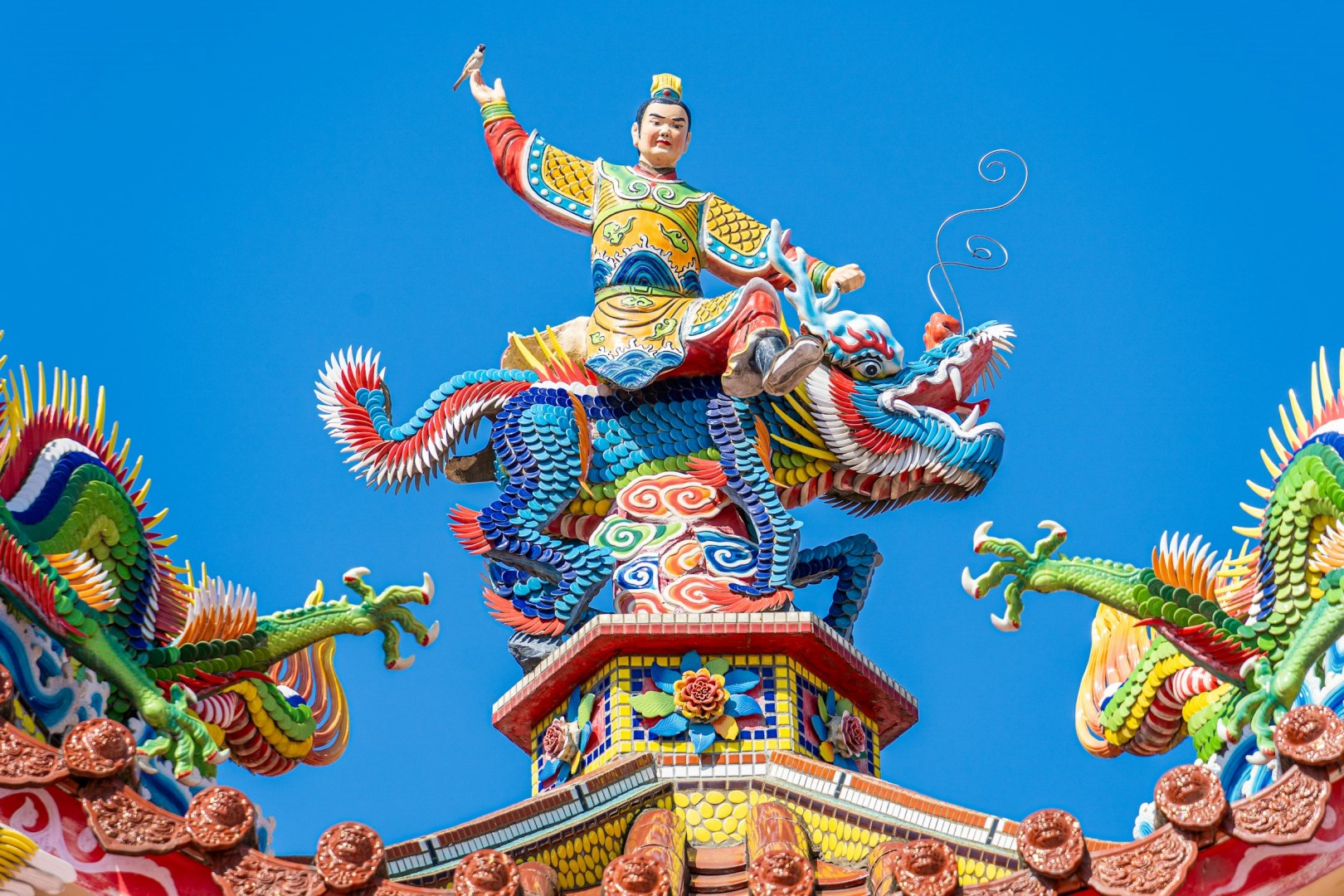
Taichung
Founded in 1721 by mainland Chinese, it is the third largest city in Taiwan. Occupied by Japanese from 1895-1945, it totally leveled and rebuilt. With many museums, gardens and universities, it is considered the cultural center of Taiwan.
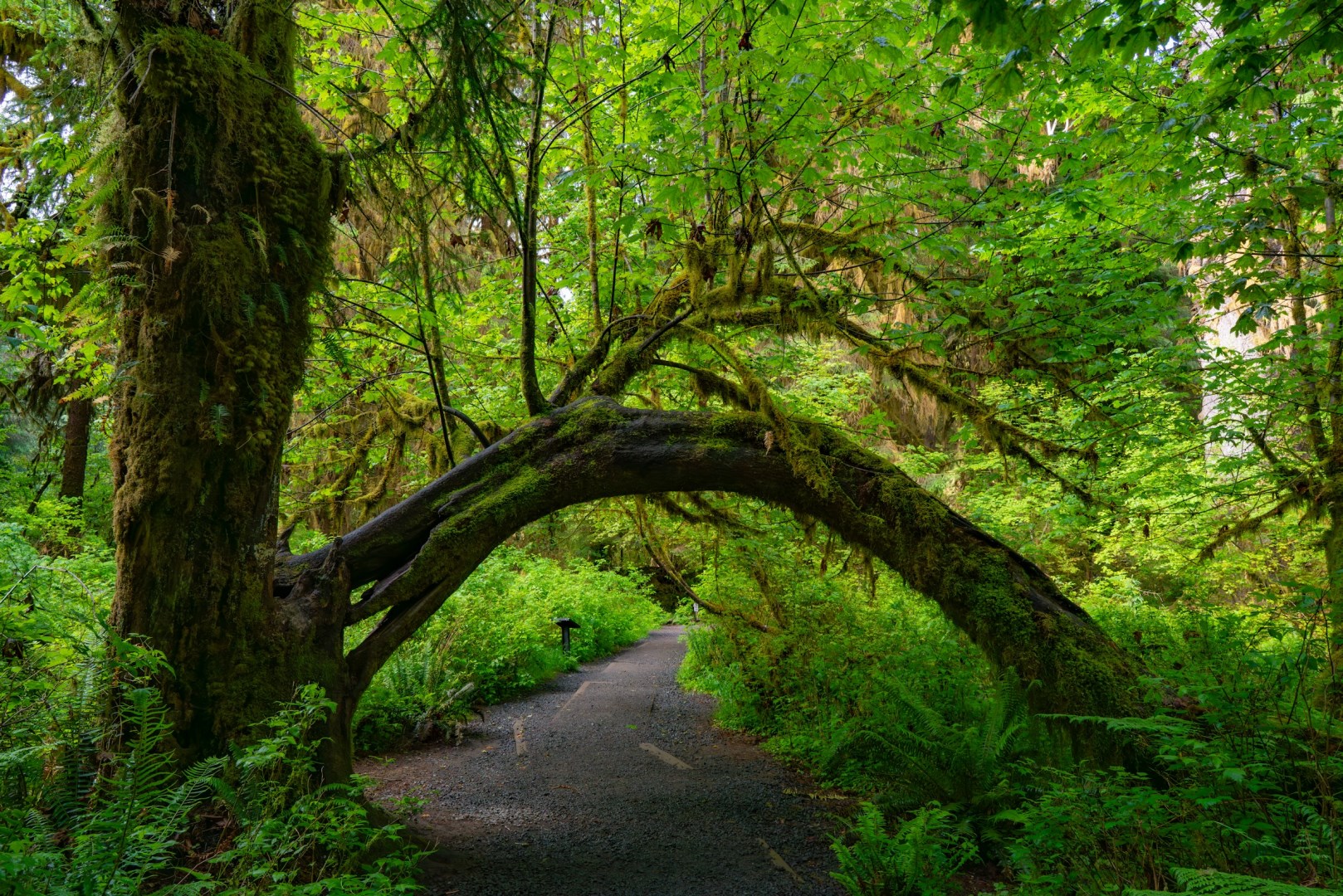
Olympic National Park
Olympic National Park occupies Washington State’s remote northwest corner, shaped by isolation and ecological range rather than a single defining feature.
