
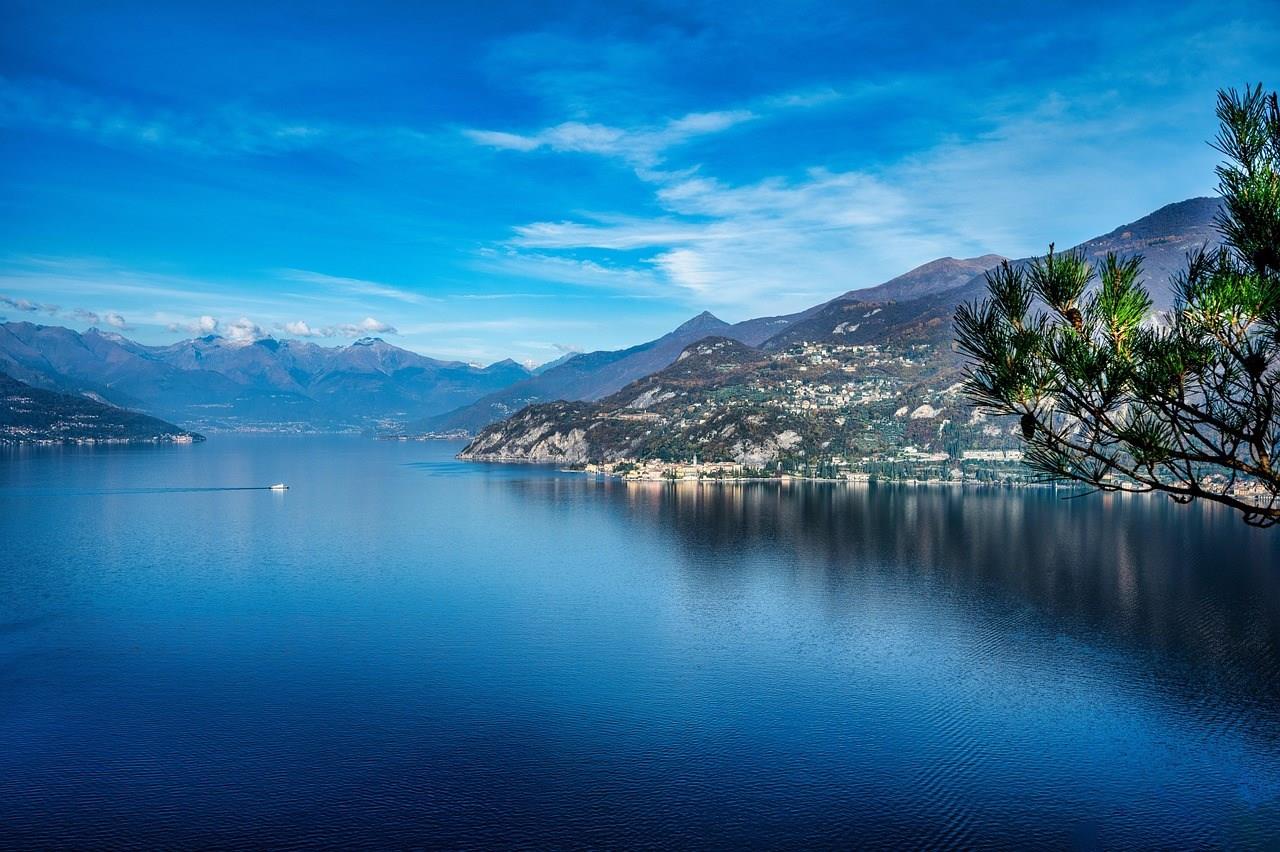
Como
A visit to Como is like looking through a manual on the history of architecture. Its ancient walls, the Duomo with its rich Gothic-Renaissance façade, the Broletto, the Castel Baradello, the Romanesque basilicas of Sant'Abbondio and S. Fedele, the myriad of monuments created by the Comacini Masters, and the modern architectural lines, all represent foundations of the urban and tourist fabric, interwoven with unforgettable splendor.

Durango
Durango, Colorado offers a delightful blend of history, adventure, and natural beauty. Founded in 1880 as a railroad town, Durango's Historic Downtown reflects its rich past with well-preserved Victorian architecture and a lively atmosphere.

Kraków
Kraków lies in southern Poland along the Vistula River and serves as one of the country’s most recognized cultural centers. Its layout is shaped by a well-preserved historic core, with streets radiating from a large central square. The city retains a human scale, where daily life unfolds among historic buildings, universities, and markets. It stands apart for its continuity of urban life, where medieval structures coexist with modern institutions without dramatic contrast.
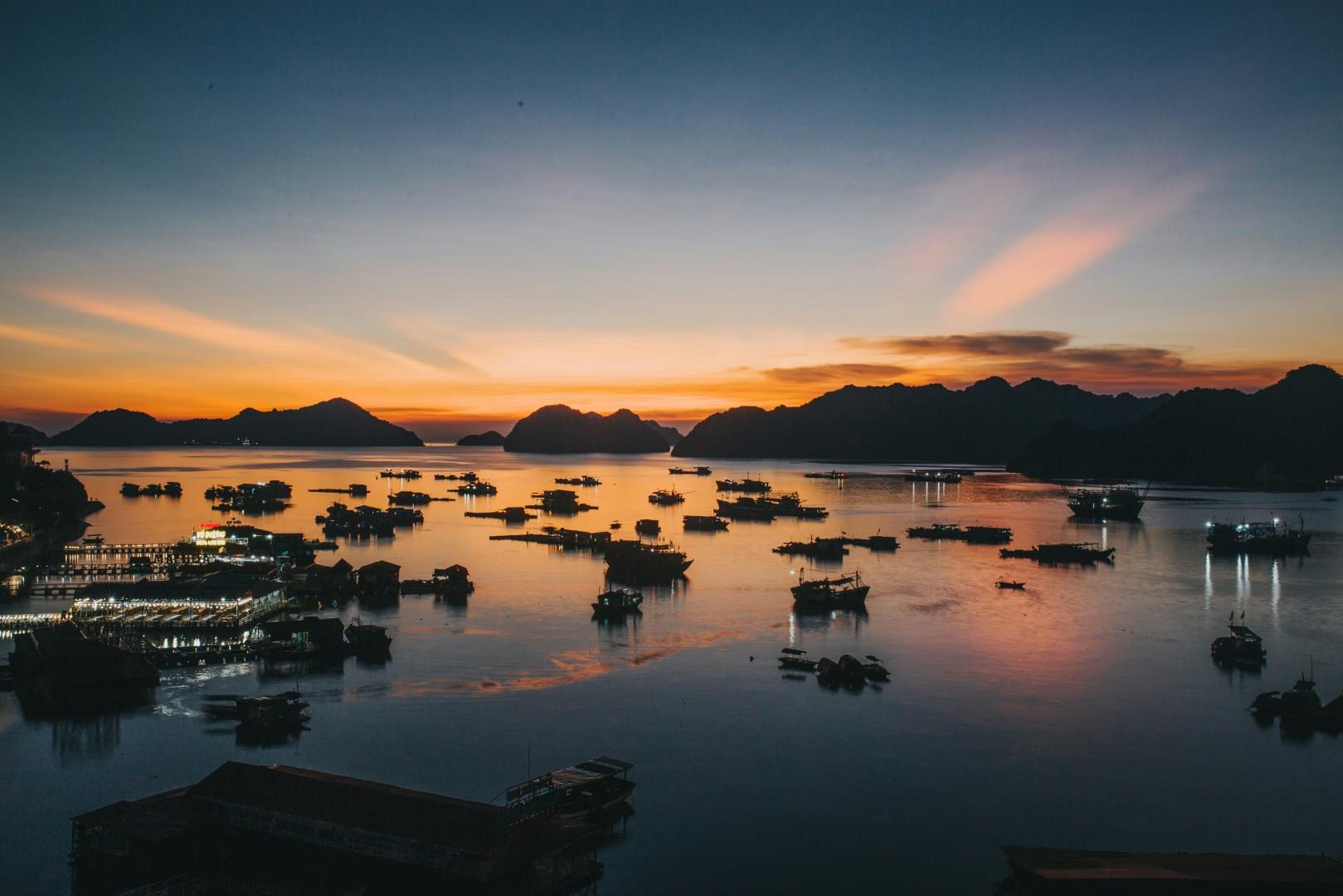
Cát Bà
Cat Ba, the largest island in Vietnam’s Halong Bay, is a striking mix of rugged limestone cliffs, hidden coves, and vibrant jungle. Long home to fishing communities, the island has retained its local charm while also becoming a gateway to the natural wonders of the surrounding bay.

Slovenia
>Slovenia, tucked between the Alps and the Adriatic Sea, is a small country with a strong sense of identity and an impressive variety of landscapes. Its capital, Ljubljana, is known for its walkable center and mix of Baroque, Secessionist, and modern architecture. The Ljubljanica River runs through the city and is lined with open-air cafés and artisan shops.
