
St. Moritz
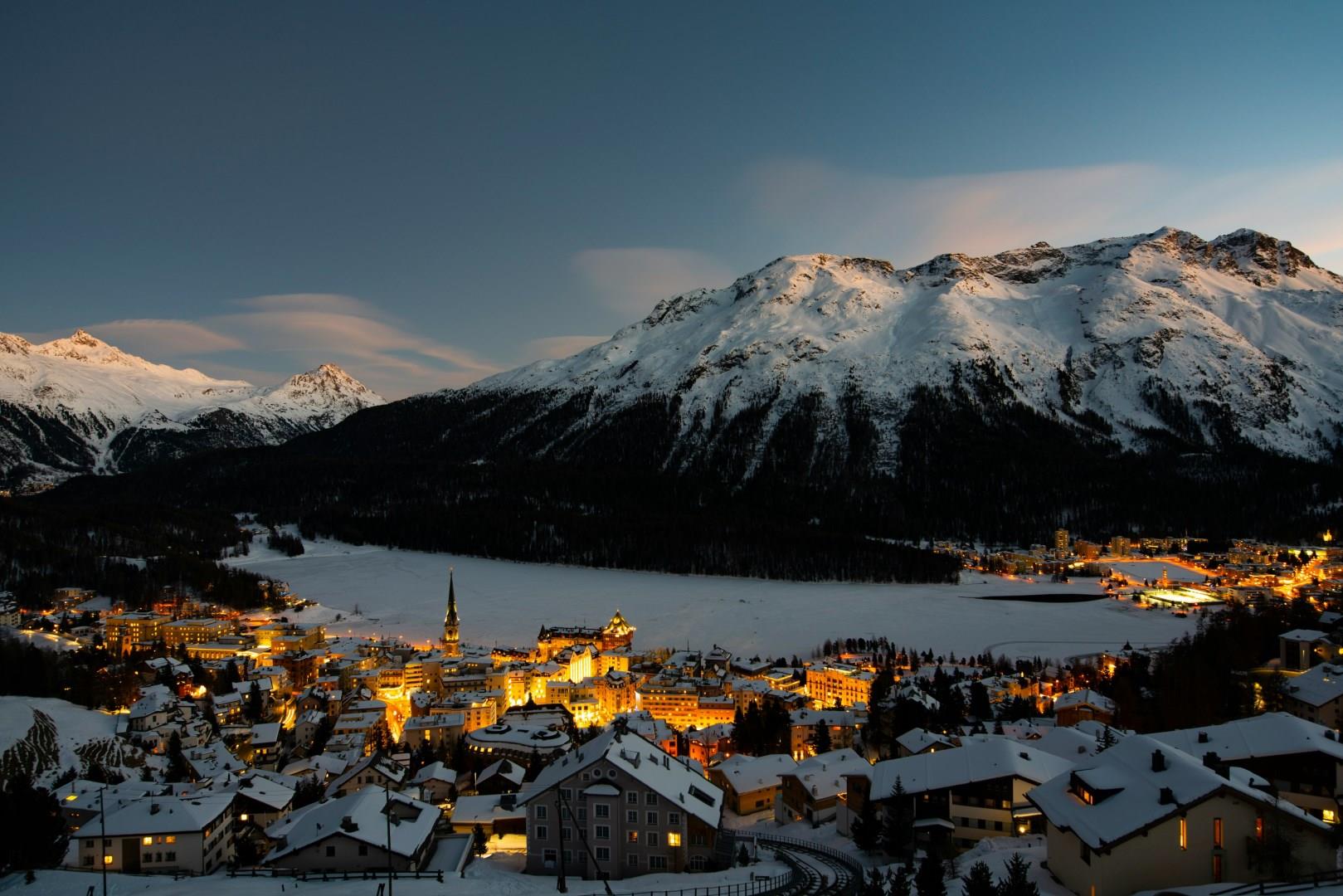
St. Moritz, located in Switzerland’s Engadin Valley, has been attracting visitors for over 150 years, long before the term "alpine resort" became common. It was here in 1864 that winter tourism was born, when a hotelier made a wager with British guests that they would enjoy the snow just as much as the summer sun. They returned, and the rest is history. The town has since hosted the Winter Olympics twice (in 1928 and 1948) and remains a favorite for skiing, snowboarding, and ice sports.
Mount Gambier
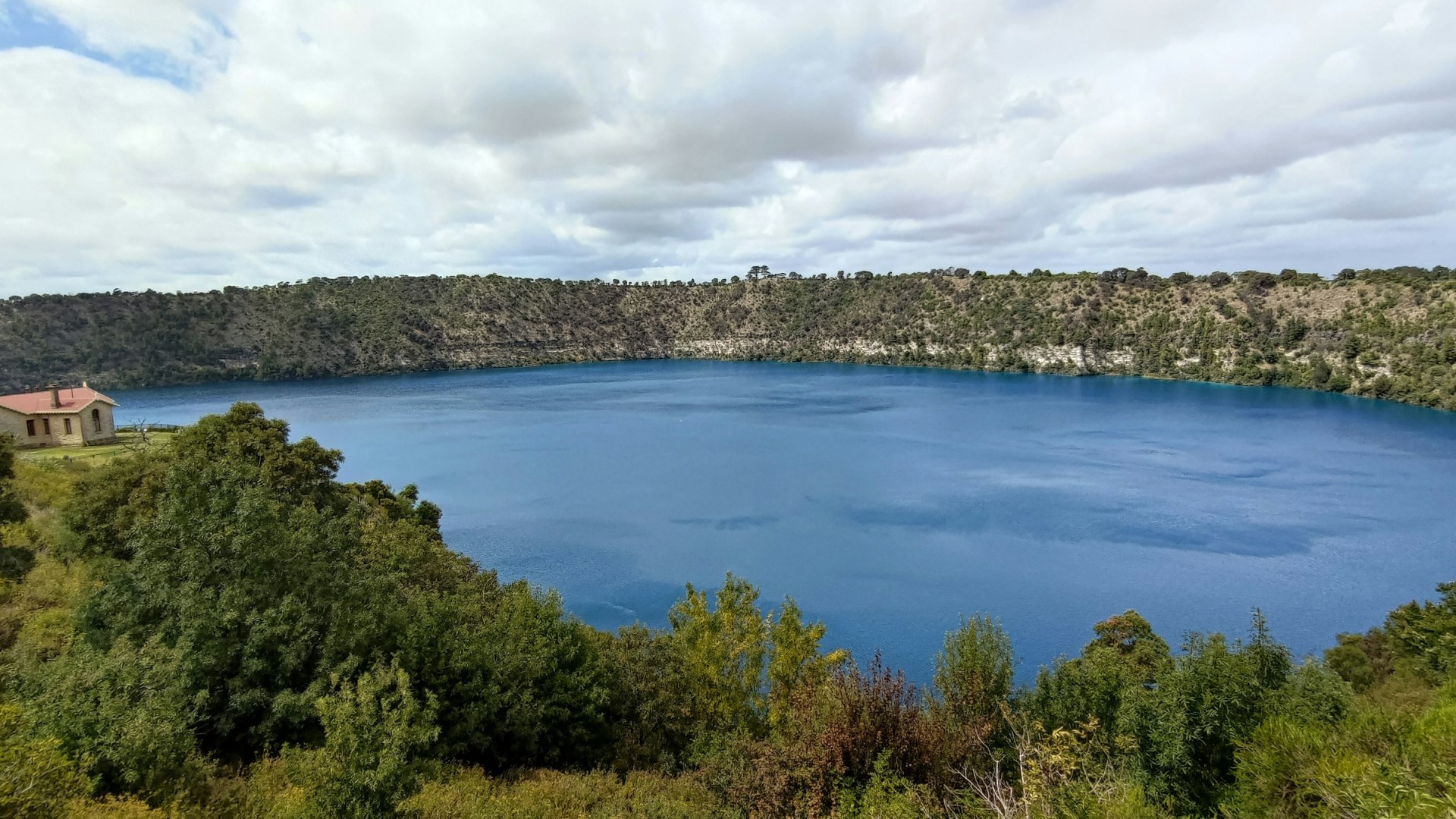
Mount Gambier is located midway between Adelaide and Melbourne. The city is built on its slopes, in the center of the largest pine plantation in Australia.
Nepal
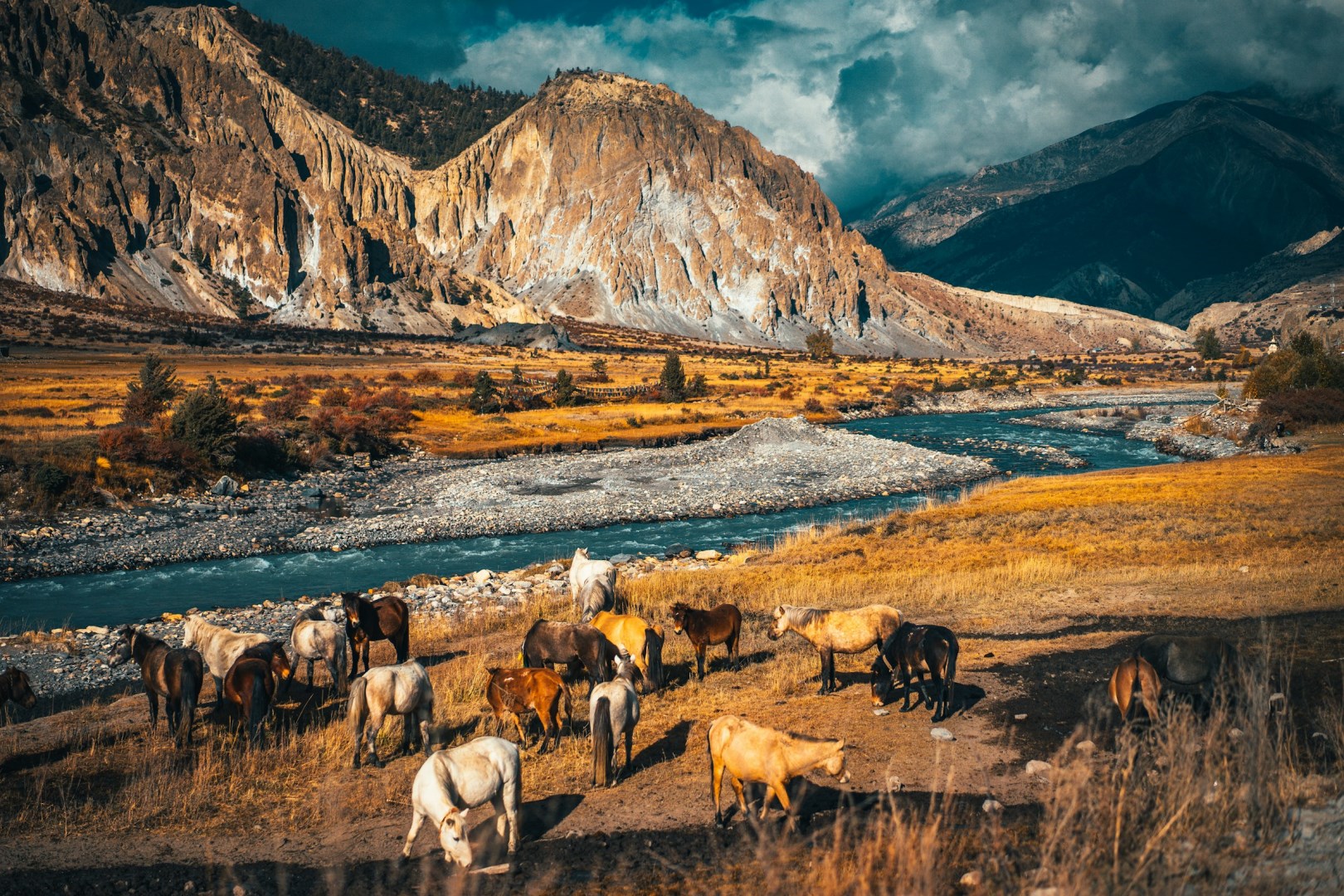
Nepal, nestled in the heart of the Himalayas, is a land of dramatic landscapes, rich traditions, and spiritual depth. Known as the gateway to the world’s tallest peaks, including Mount Everest, it offers both breathtaking natural beauty and profound cultural heritage.
Kenai Peninsula
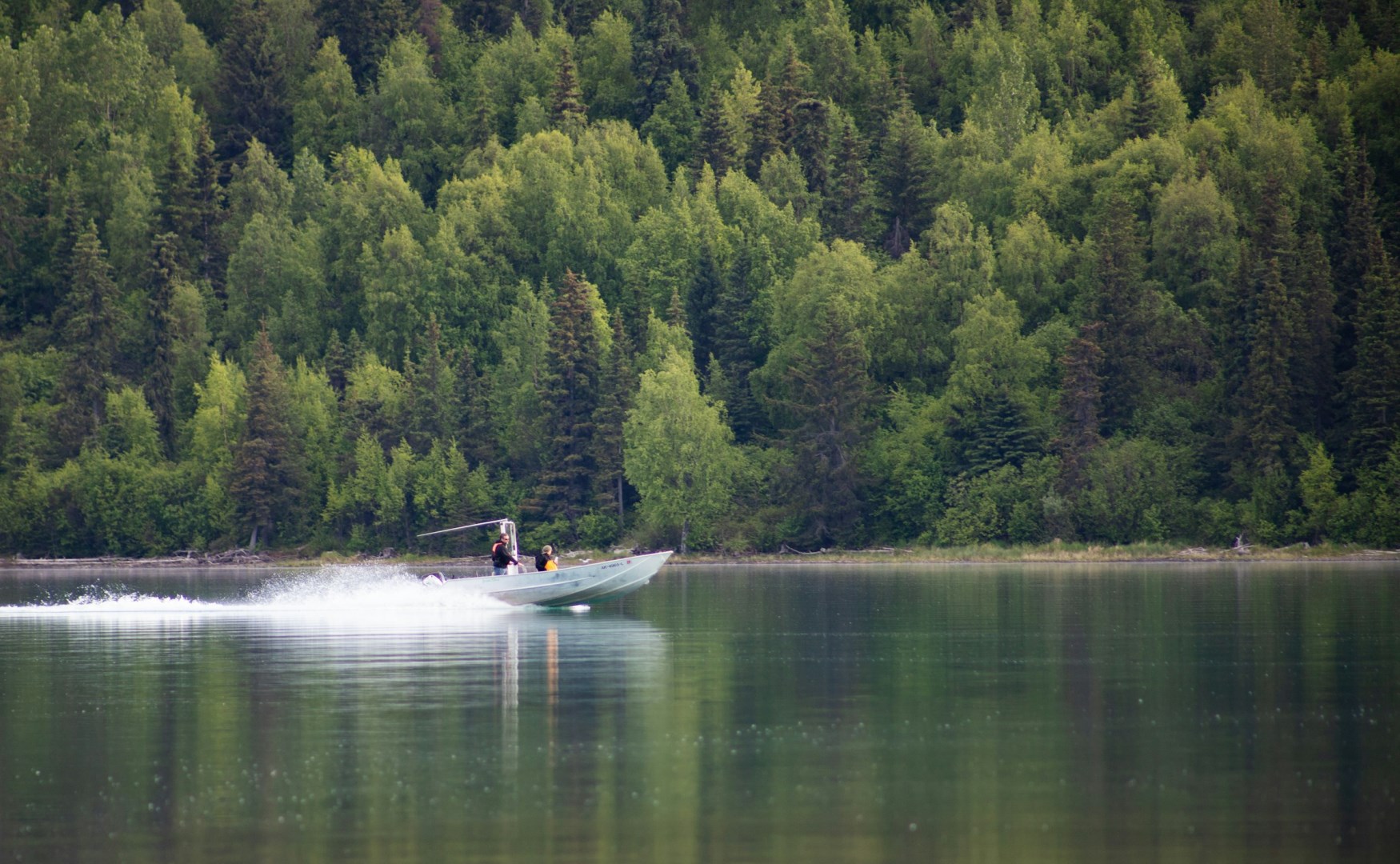
The Kenai Peninsula extends southwest from Anchorage into the Gulf of Alaska and is one of south-central Alaska’s most varied regions. Its landscape includes the Kenai Mountains, coastal forests, glaciers, broad river valleys, lakes, and a long shoreline along both Cook Inlet and the Gulf of Alaska. Communities such as Kenai, Soldotna, Seward, Homer, and Cooper Landing serve different parts of the peninsula, while the Kenai River and numerous smaller waterways connect the interior to the coast.
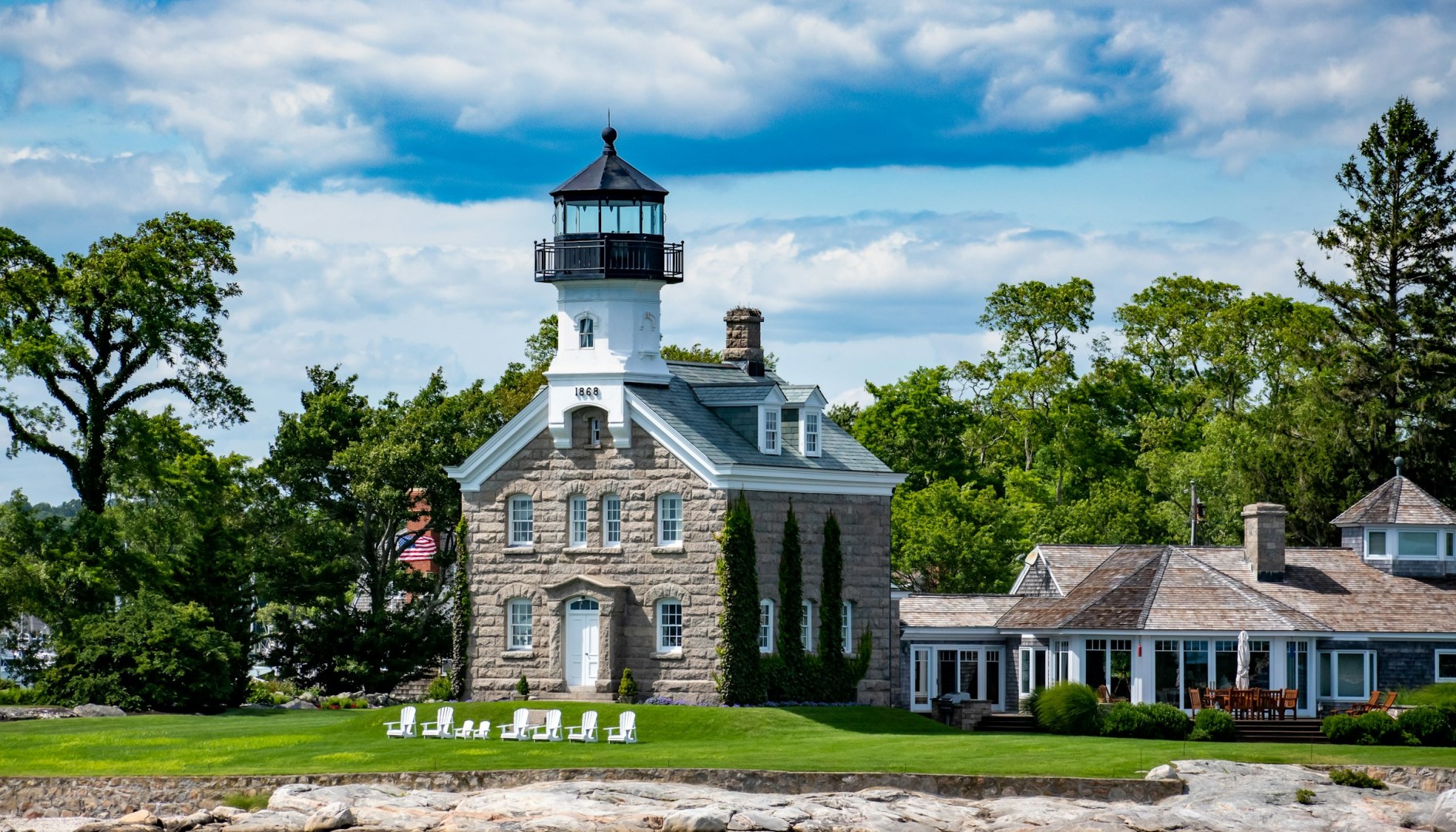
Groton
Groton is a coastal town in southeastern Connecticut, positioned between the Thames River and Long Island Sound. Its identity has been shaped by maritime trade, shipbuilding, military activity, and submarine technology, earning it the longstanding nickname “Submarine Capital of the World.” The town includes several distinct areas, from the historic waterfront of Groton Bank to beaches, wooded neighborhoods, and working industrial facilities.
