
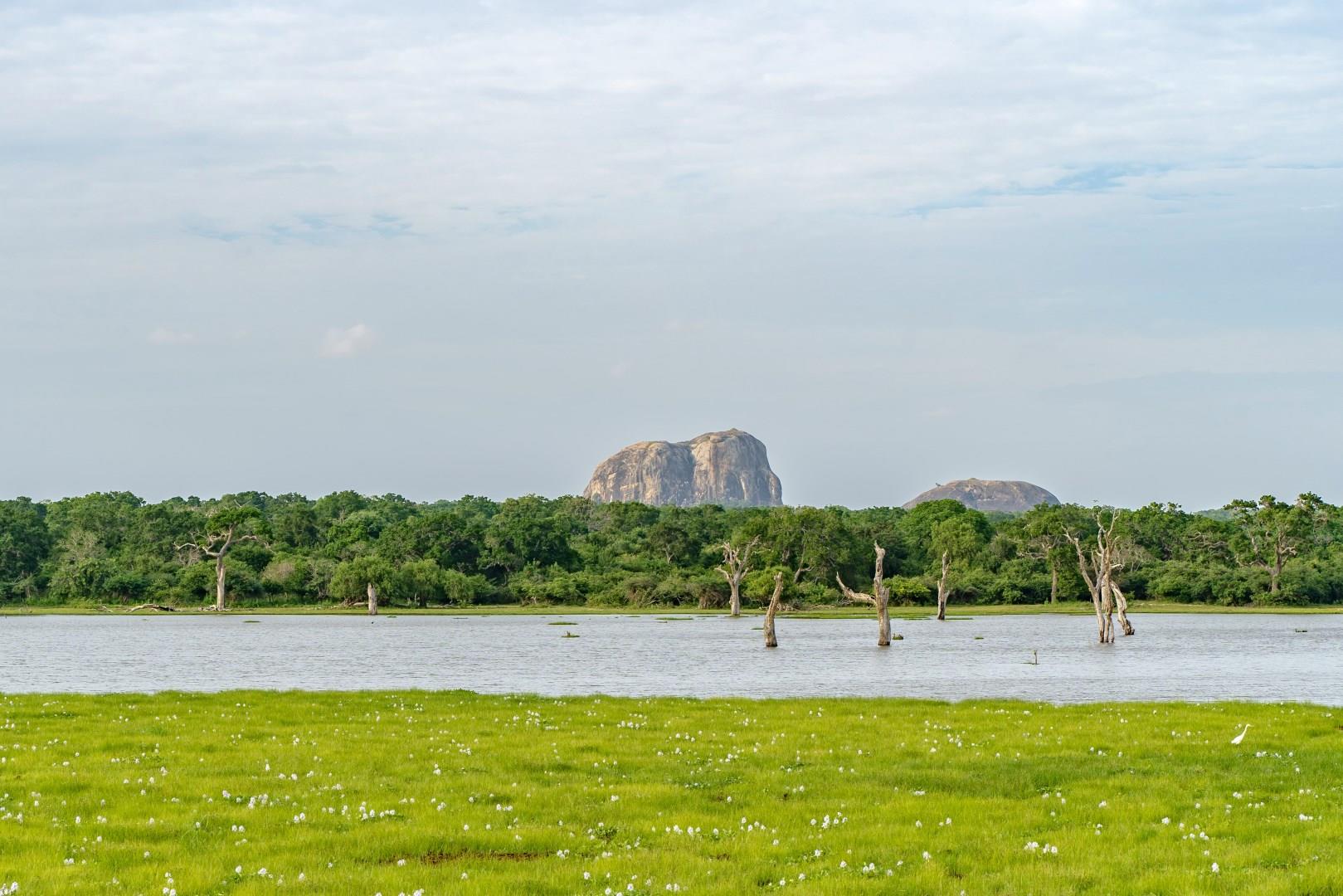
Yala National Park
Yala National Park sprawls across Sri Lanka’s southeast, where dry plains meet lagoons and the Indian Ocean’s shoreline. It is one of the country’s oldest protected areas, first set aside as a wildlife reserve in 1900 and later declared a national park in 1938, and today invites travelers to see life thrive in a wide range of landscapes, from scrubland to sandy beaches.
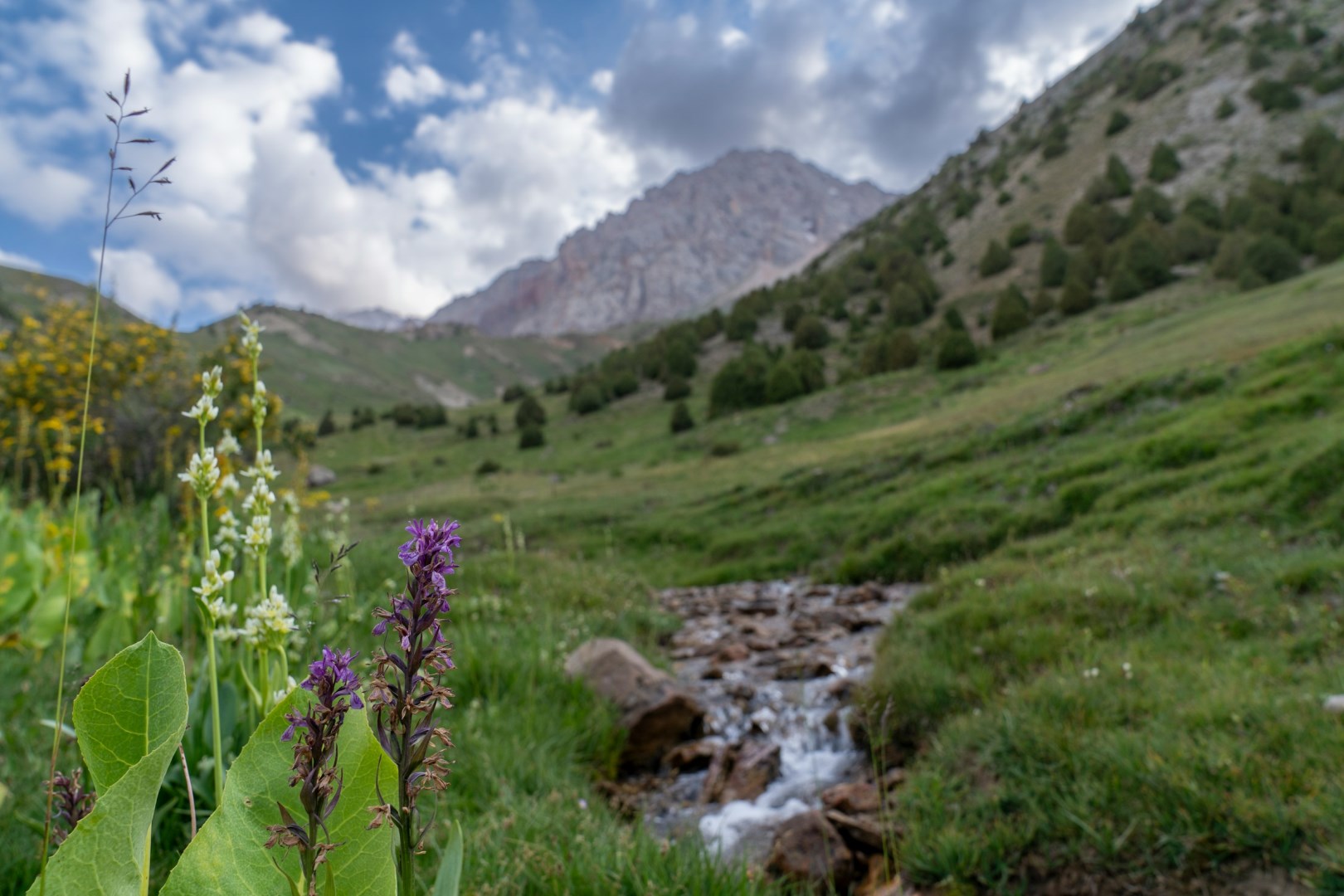
Fann Mountains
The Fann Mountains are a high mountain range in western Tajikistan, forming part of the Pamir-Alai system between the Zeravshan and Hisor ranges. The region is known for steep peaks, deep valleys, glaciers, alpine lakes, and juniper-covered slopes. Several summits rise above 5,000 meters, including Chimtarga, the highest peak in the Fann Mountains. The range is accessible from settlements such as Ayni and Panjakent and contains some of Tajikistan's most recognized mountain landscapes.
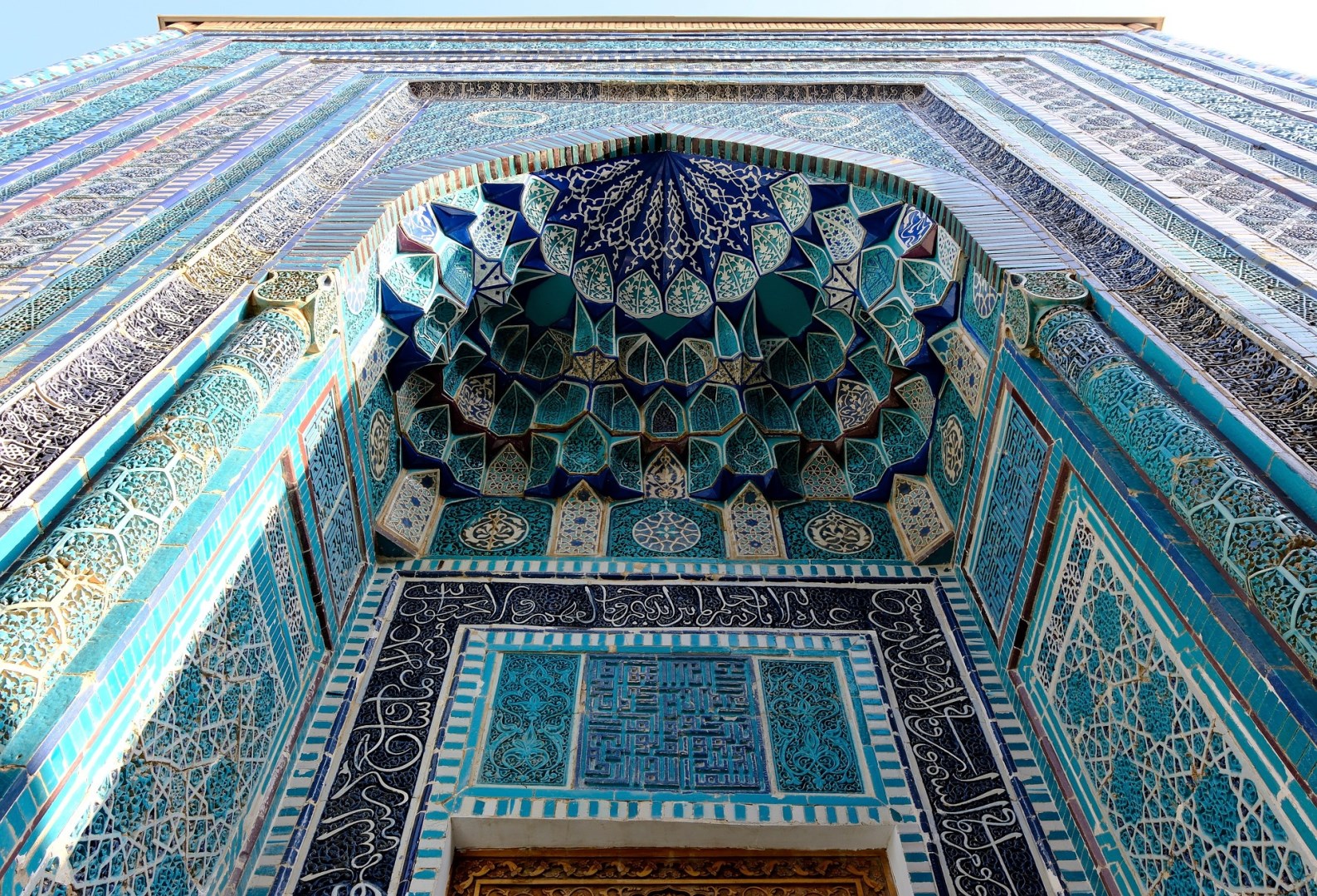
Tashkent
Tashkent, the capital of Uzbekistan, lies at the crossroads of Central Asia and has long been a hub of culture, trade, and political life. Its history stretches back over two millennia, shaped by Persian, Mongol, and Russian influences.
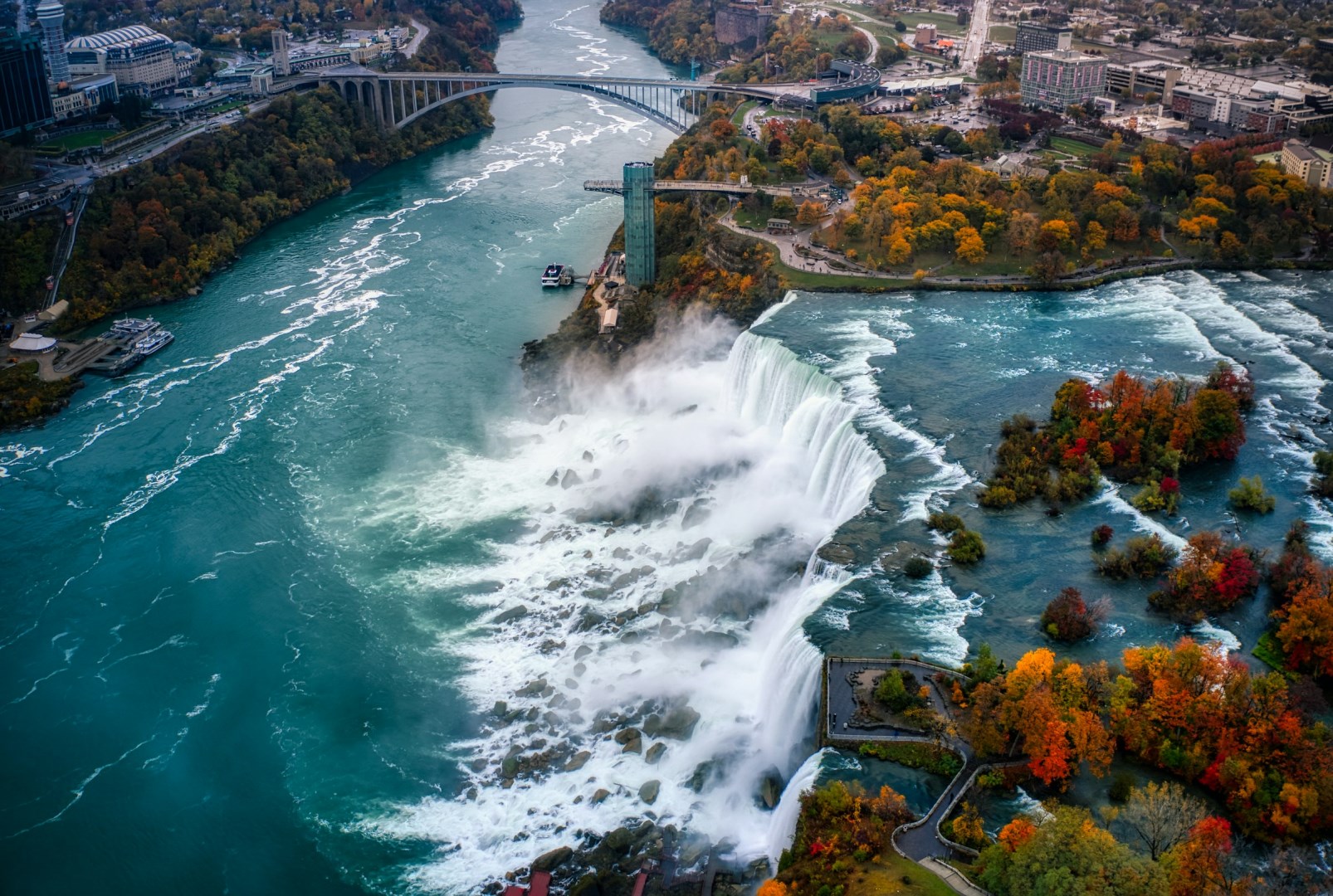
Niagara Falls
Niagara Falls, New York, is home to one of the most powerful natural spectacles in North America. More than 3,000 tons of water pour over the edge every second, creating a thunderous roar and a rising mist that can be felt from blocks away. Visitors can stand just feet from the American Falls at Prospect Point or take the iconic Maid of the Mist boat tour, which has operated since 1846 and now features all-electric vessels.
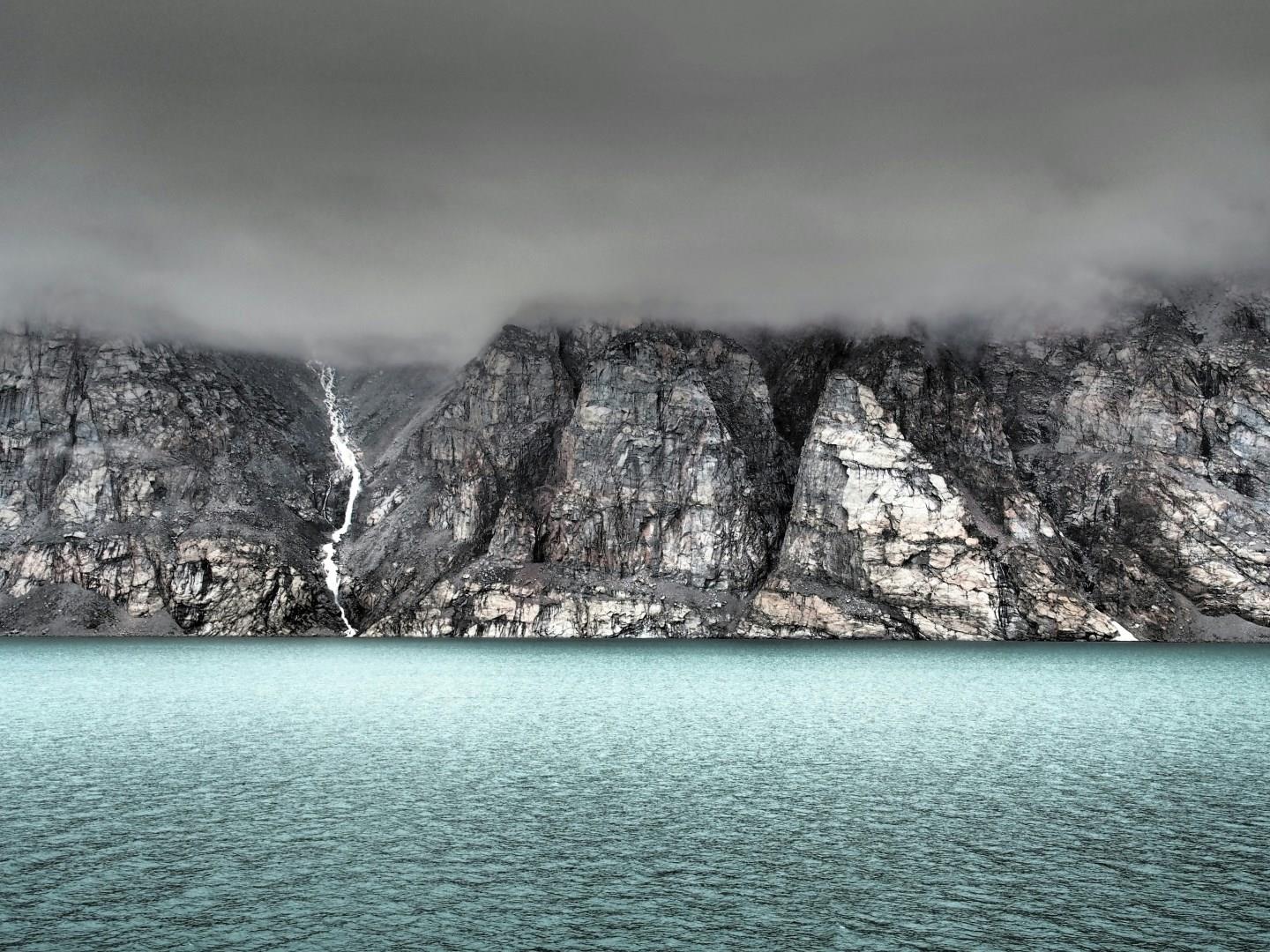
Baffin Island
Baffin Island is Canada’s largest island and one of the Arctic’s most imposing landscapes, shaped by ice, migration, and long human presence. Inuit communities have lived here for thousands of years, developing deep connections to sea ice, wildlife, and seasonal movement.
