

Gothenburg
Gothenburg, Sweden’s vibrant west coast gem, offers a perfect blend of maritime charm, innovative design, and sustainable living. Known for its picturesque canals, cobblestone streets, and classic Nordic architecture, Gothenburg invites visitors to explore its rich history and modern flair. The city’s heart is anchored by the famous Kungsportsavenyen (Avenyn), a grand boulevard lined with cafes, boutiques, and cultural landmarks like the Gothenburg Museum of Art.

Sumbawa Island
Located between Lombok and Flores in the Lesser Sunda chain in the Indian Ocean.

Arusha
Arusha, Tanzania is a destination for adventurers! Situated between Mount Kilimanjaro National Park and Serengeti National Park, Arusha is an ideal starting point for your next Tanzanian safari trip and is a gateway city for climbers interested in summiting Mount Kilimanjaro, Africa's highest peak.
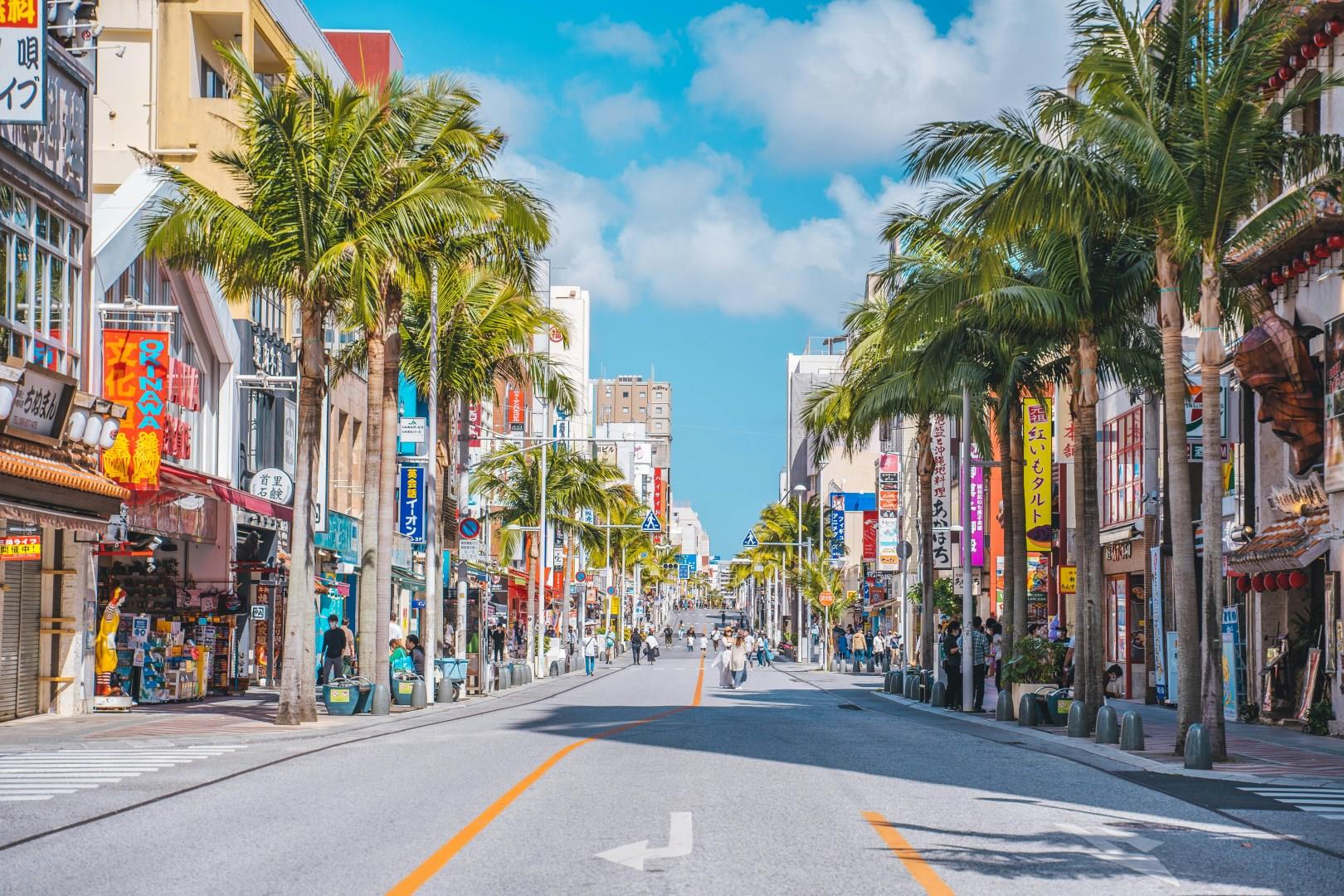
Naha Okinawa Island
Naha is the cultural and administrative heart of Okinawa Island, shaped by its past as the capital of the Ryukyu Kingdom.

Normandy
Normandy is a province along the Northwestern coast of France. It was the site of the important World War II landings and battle and one of the most fascinating regions of France. This land is rich in legend and scenic splendor. Visit coastal villages, museums, fortresses and fragrant gardens.
