
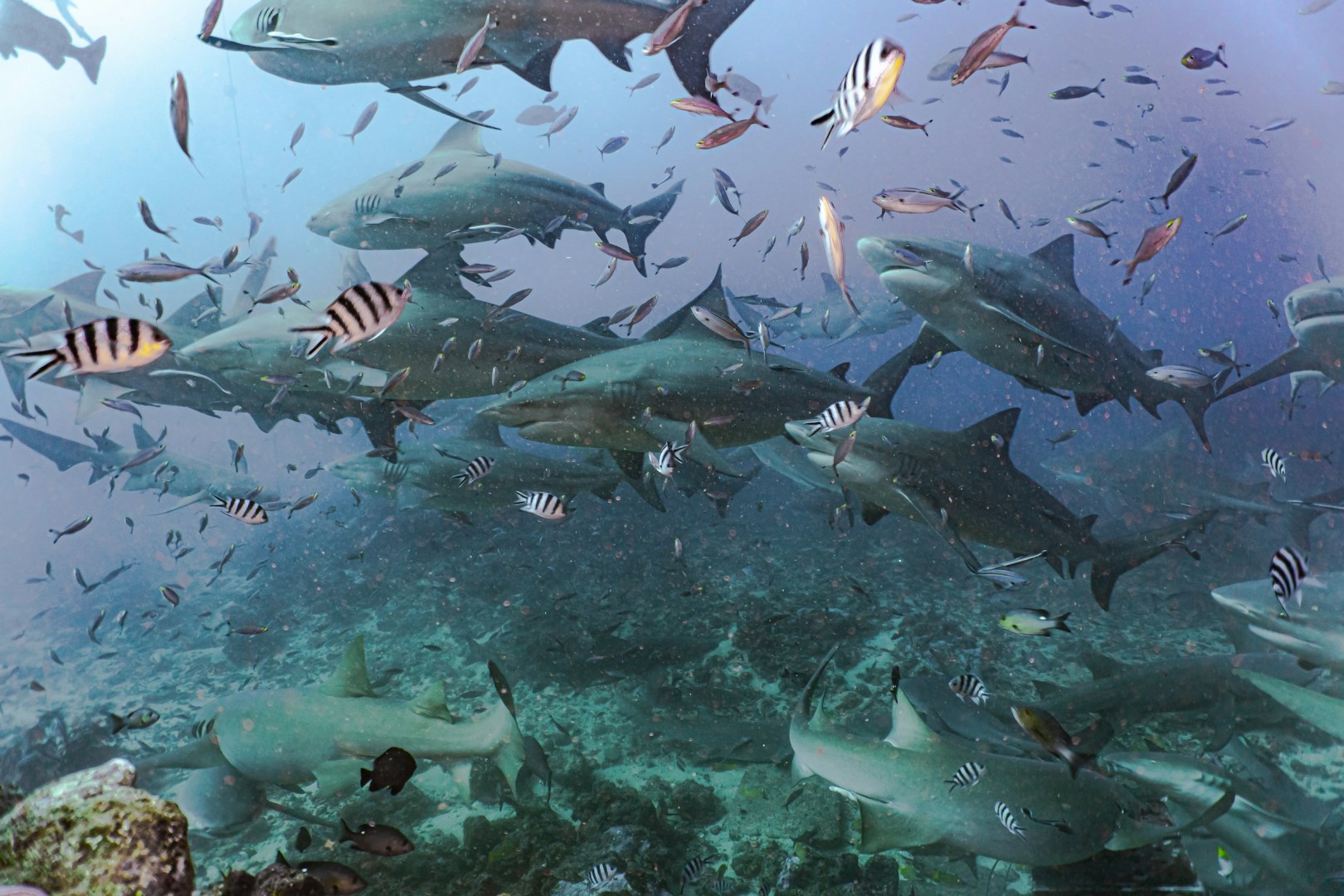
Beqa Island
In the heart of the South Pacific, beneath southern skies, lies the island paradise of Fiji. If you travel to dive, to eat fine food, to bask in the sun, or to simply relax in a tropical paradise the tiny, unspoiled island of Beqa, just might be what you're looking for. One exciting feature of Beqa is its seclusion. Beqa Island has no roads and no towns, only three isolated villages scattered around the perimeter. The island is skirted by stretches of sandy beaches laced, in the evening and ear
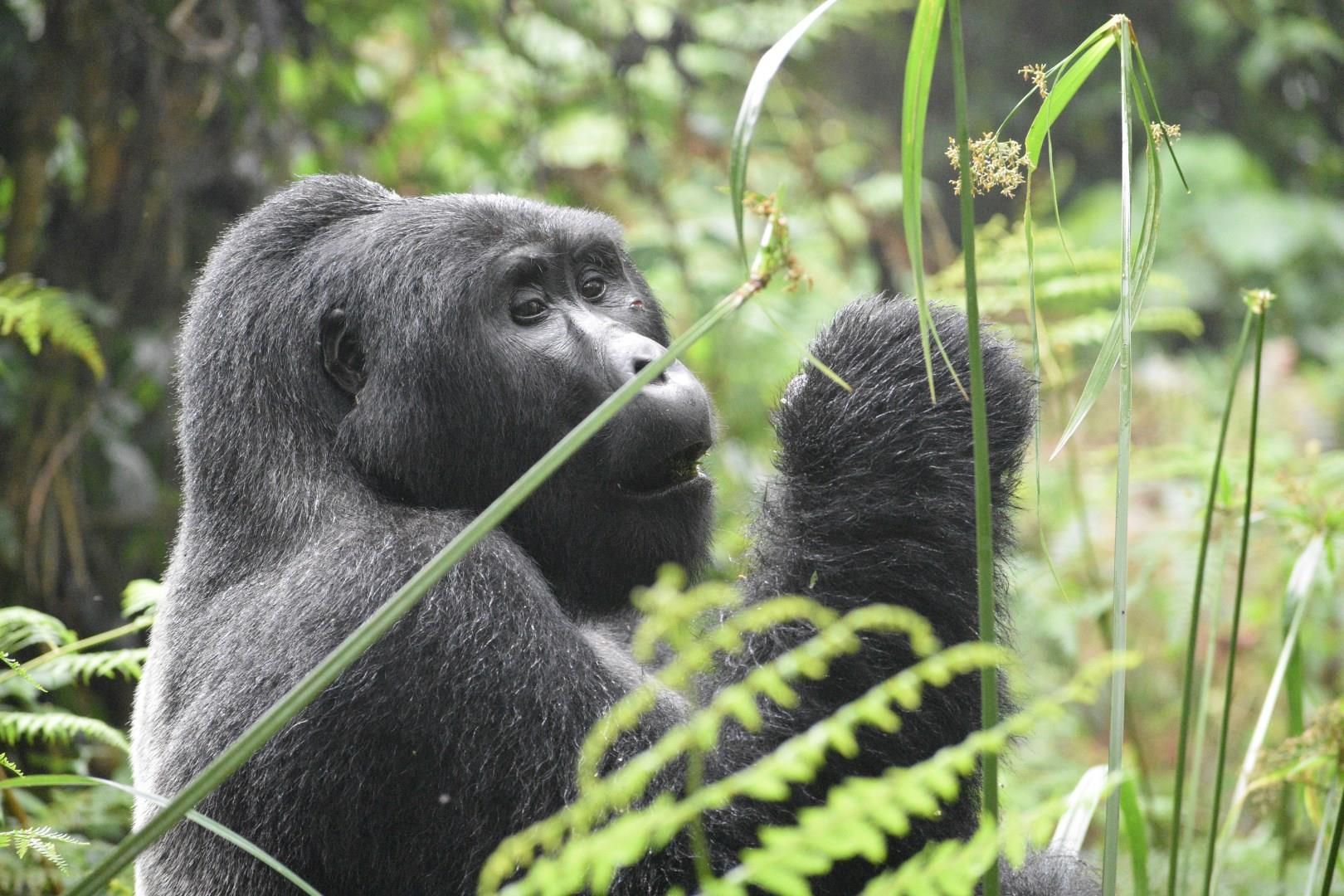
Volcanoes National Park
Volcanoes National Park, in northwestern Rwanda, is a place where dramatic volcanic landscapes meet extraordinary wildlife encounters. Stretching across the Virunga Mountains, the park is dominated by five towering volcanoes whose slopes are cloaked in rainforest and bamboo.

Main River
The Main River winds through the heart of Germany, offering a scenic journey through picturesque towns, rolling vineyards, and historic cities.

Geiranger
Nestled in the heart of Norway's spectacular fjord region, Geiranger is a village where nature takes center stage. Set against the breathtaking Geirangerfjord, this charming destination captivates visitors with its towering cliffs, shimmering emerald waters, and dramatic waterfalls. Whether exploring by boat along the fjord’s serene waters or hiking to viewpoints like Dalsnibba, visitors are treated to unforgettable panoramic vistas that showcase the area’s raw beauty from every angle.
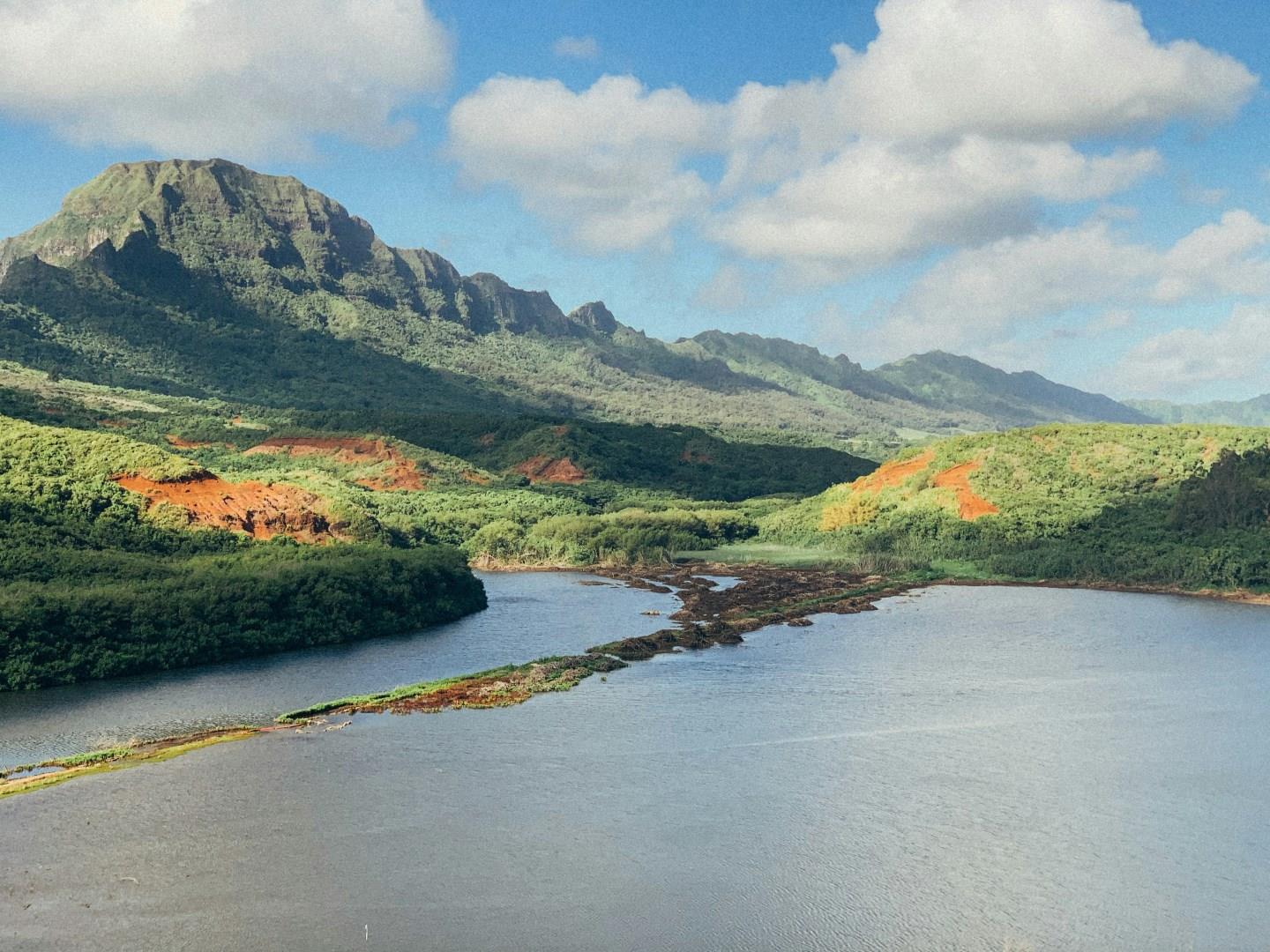
Lihue, Kauai
Lihue, the main town on the Hawaiian island of Kauai, blends administrative importance with island charm. As the county seat, it’s the hub of government and commerce, but it also serves as the welcoming gateway for travelers arriving at Lihue Airport or through its nearby harbor.
