
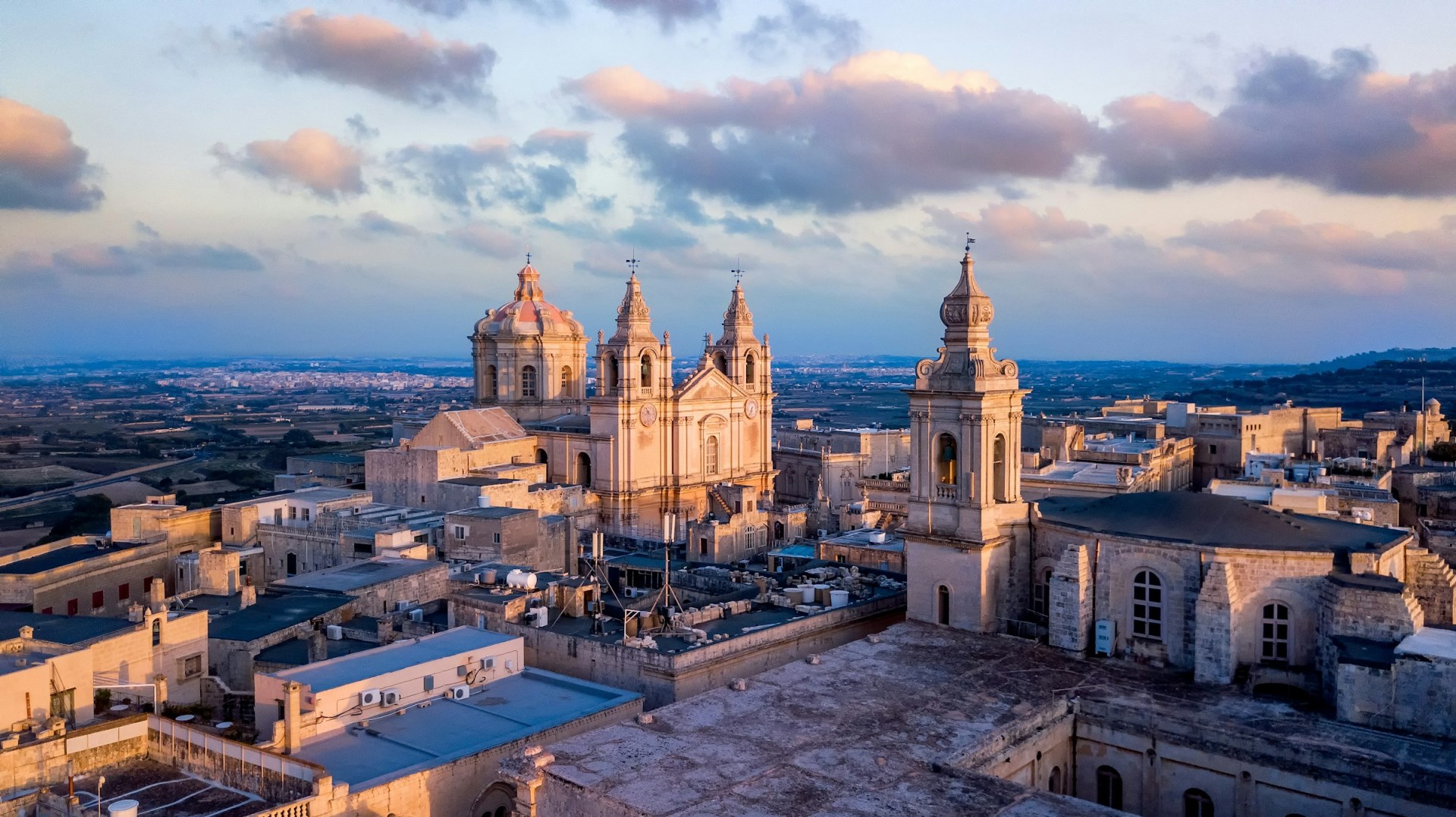
Mdina
Mdina is a fortified hilltop city in central Malta, known as the Silent City for its quiet streets and enclosed historic character. The former capital occupies a limestone plateau above the surrounding countryside, with massive walls, narrow lanes, small squares, and honey-colored buildings creating a compact urban landscape. The main entrance leads toward Villegaignon Street and the center of the old city, where St Paul’s Cathedral dominates Cathedral Square.

Riga
Riga, the vibrant capital of Latvia, offers a captivating blend of medieval charm and contemporary energy. Founded in 1201, Riga’s Old Town, a UNESCO World Heritage Site, is a treasure trove of stunning architecture and historical landmarks. Wander through its cobblestone streets to admire the intricately carved facades of buildings like the House of the Blackheads, a striking 14th-century guildhall that epitomizes Riga's rich merchant history.

Cobh
Cobh, a colorful harbor town in County Cork, holds a unique place in Irish history and maritime heritage. Once known as Queenstown, it was the final port of call for the Titanic in 1912. Today, the Titanic Experience Cobh offers visitors a chance to step into the footsteps of the 123 passengers who boarded that day. Located in the original White Star Line ticket office, the museum tells personal stories of those who left from this very spot, blending interactive exhibits with original artifacts.
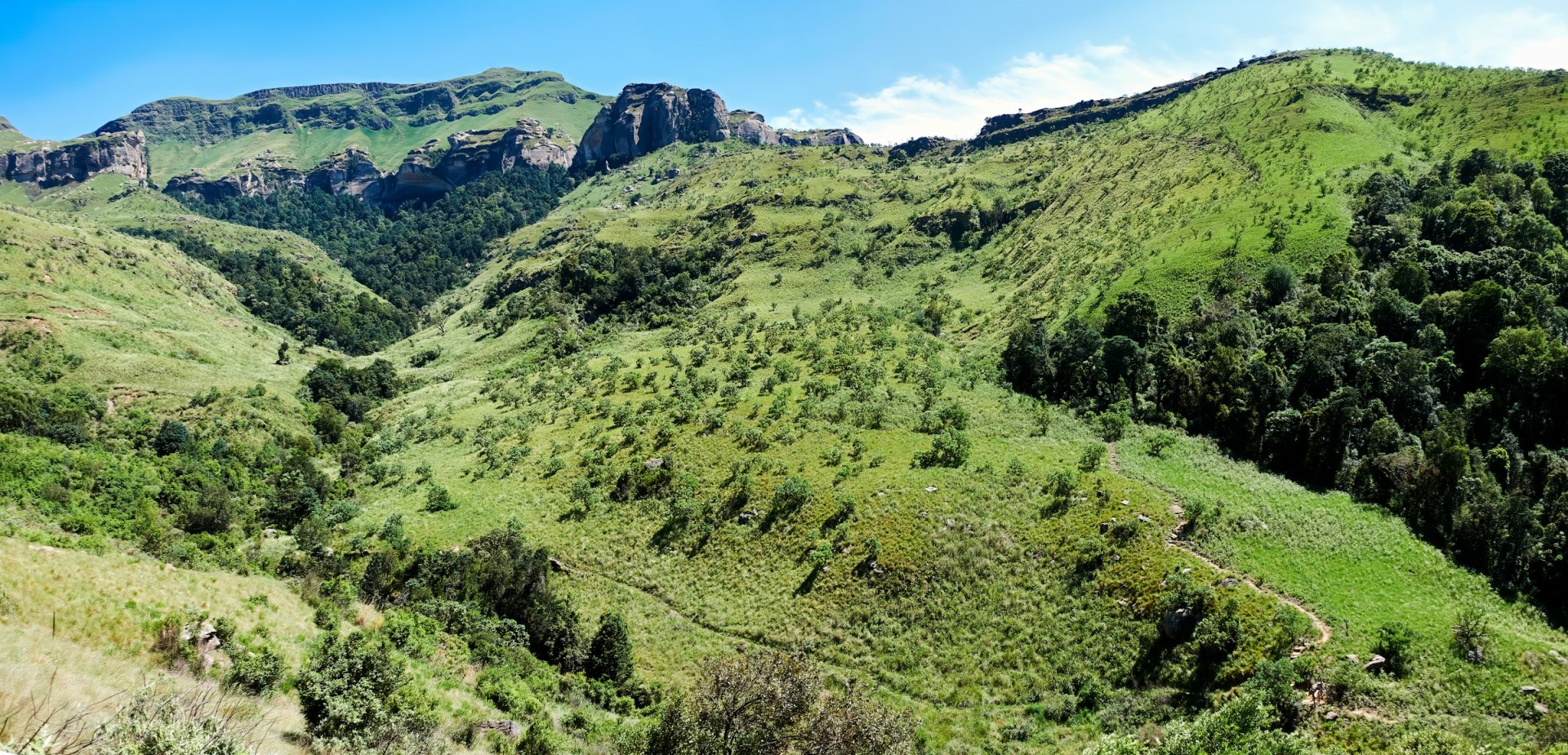
Bergville
Bergville is a small town in South Africa’s KwaZulu-Natal province, situated near the foothills of the northern Drakensberg Mountains.
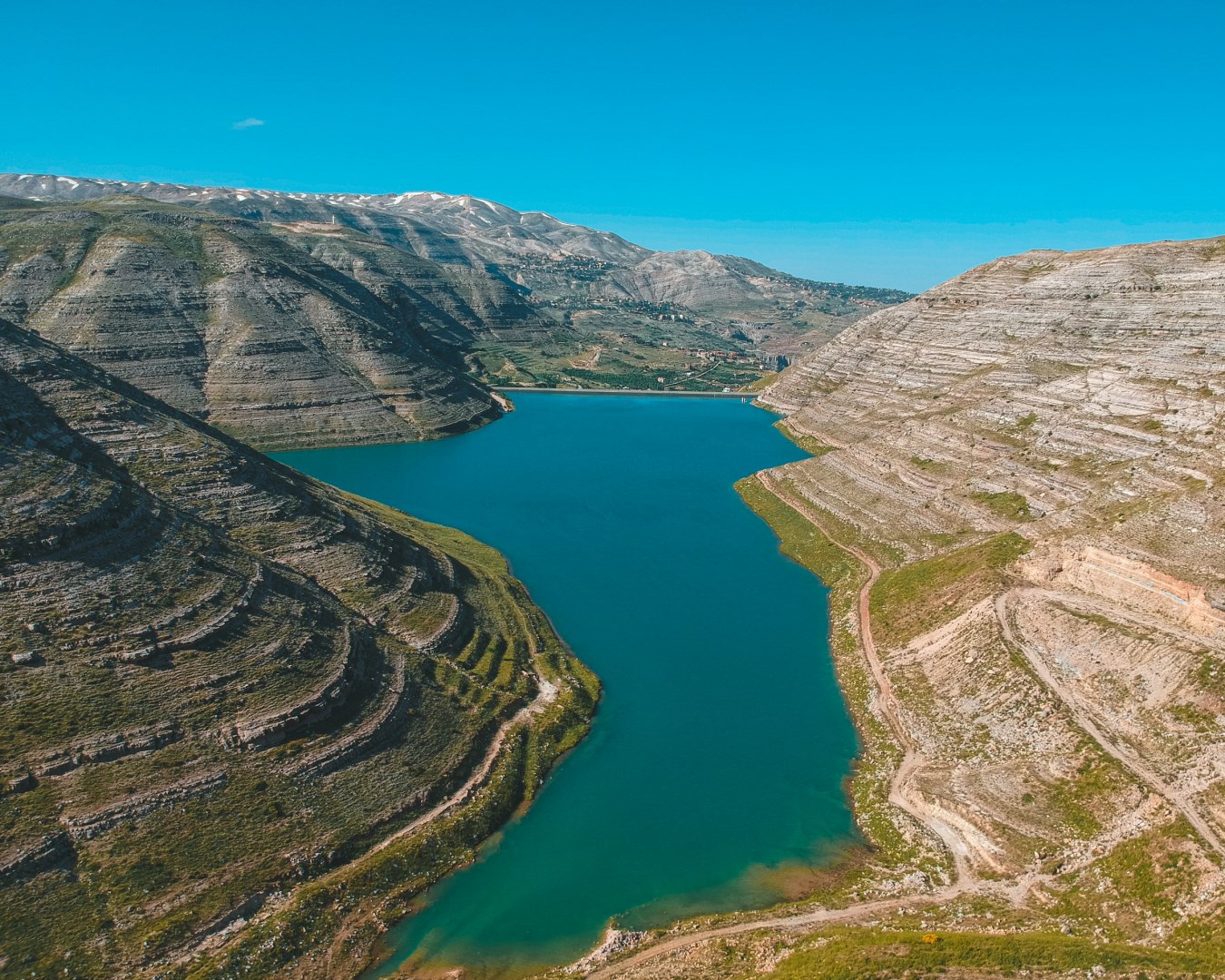
Lebanon
Lebanon unfolds like an open-air museum, with ancient stones that tell stories from centuries past. In Baalbek, the Temple of Bacchus stands among the most impressive Roman ruins outside Italy, its columns framed by Beqaa Valley light. In Byblos, one of the oldest cities in the world, ruins sit beside a bustling harbor and modern cafés, blending past and present in a single stroll.
