
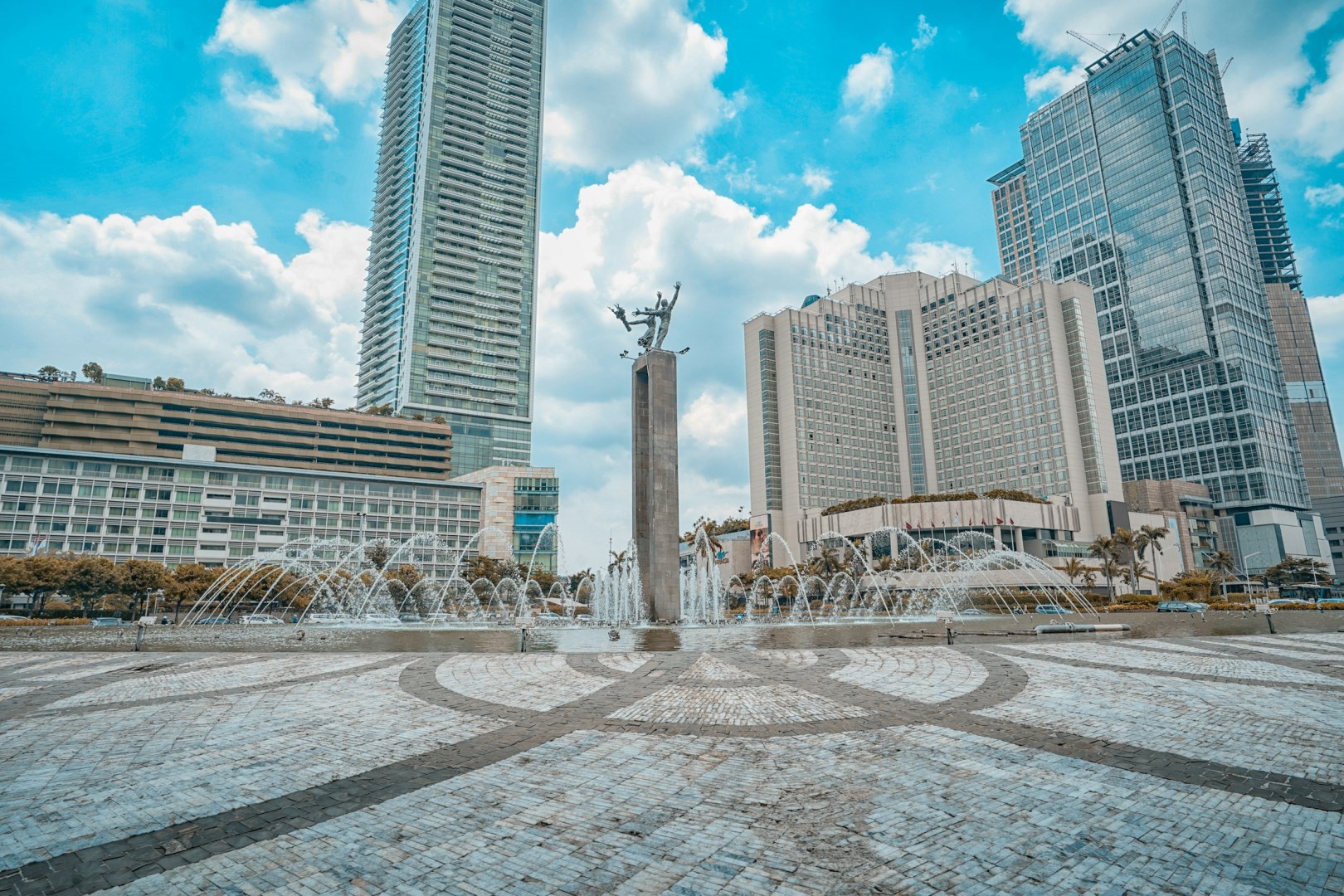
Jakarta
Jakarta, the capital of Indonesia, is a city where centuries of history meet modern energy. Located on the island of Java, it has long been a hub for trade and culture, drawing influences from across Asia, the Middle East, and Europe.
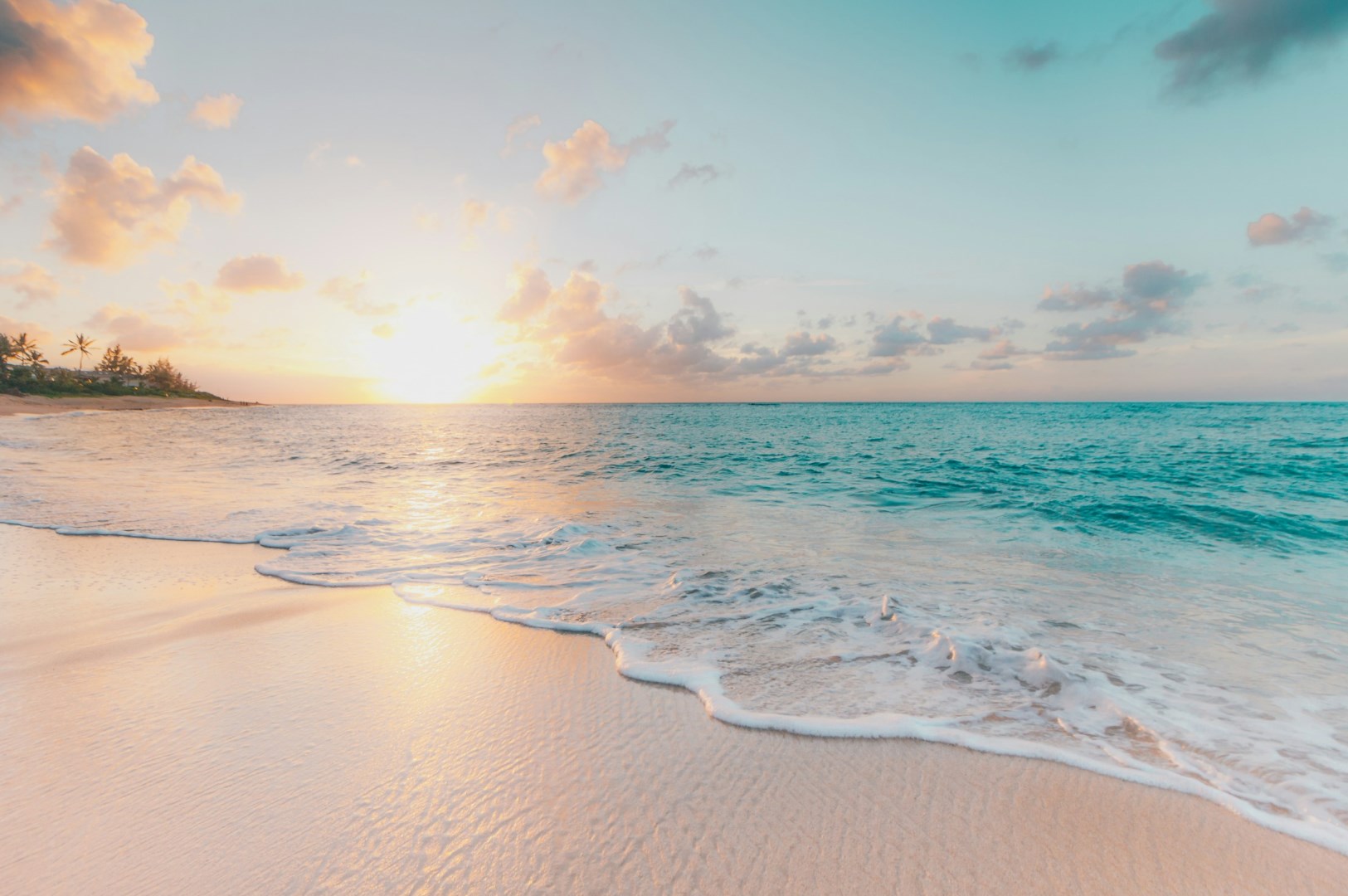
Waialua, Oahu
Waialua is a small rural community on the North Shore of Oʻahu, Hawaiʻi, situated between the Pacific Ocean and the agricultural lands of the island’s northern interior. The area is known for its open fields, coastal scenery, and connection to farming rather than the resort development found elsewhere on Oʻahu. Waialua sits near the Anahulu River and is close to Haleʻiwa, making it a useful base for exploring the North Shore. Its landscape combines beaches, farmland, lowland forests, and views t
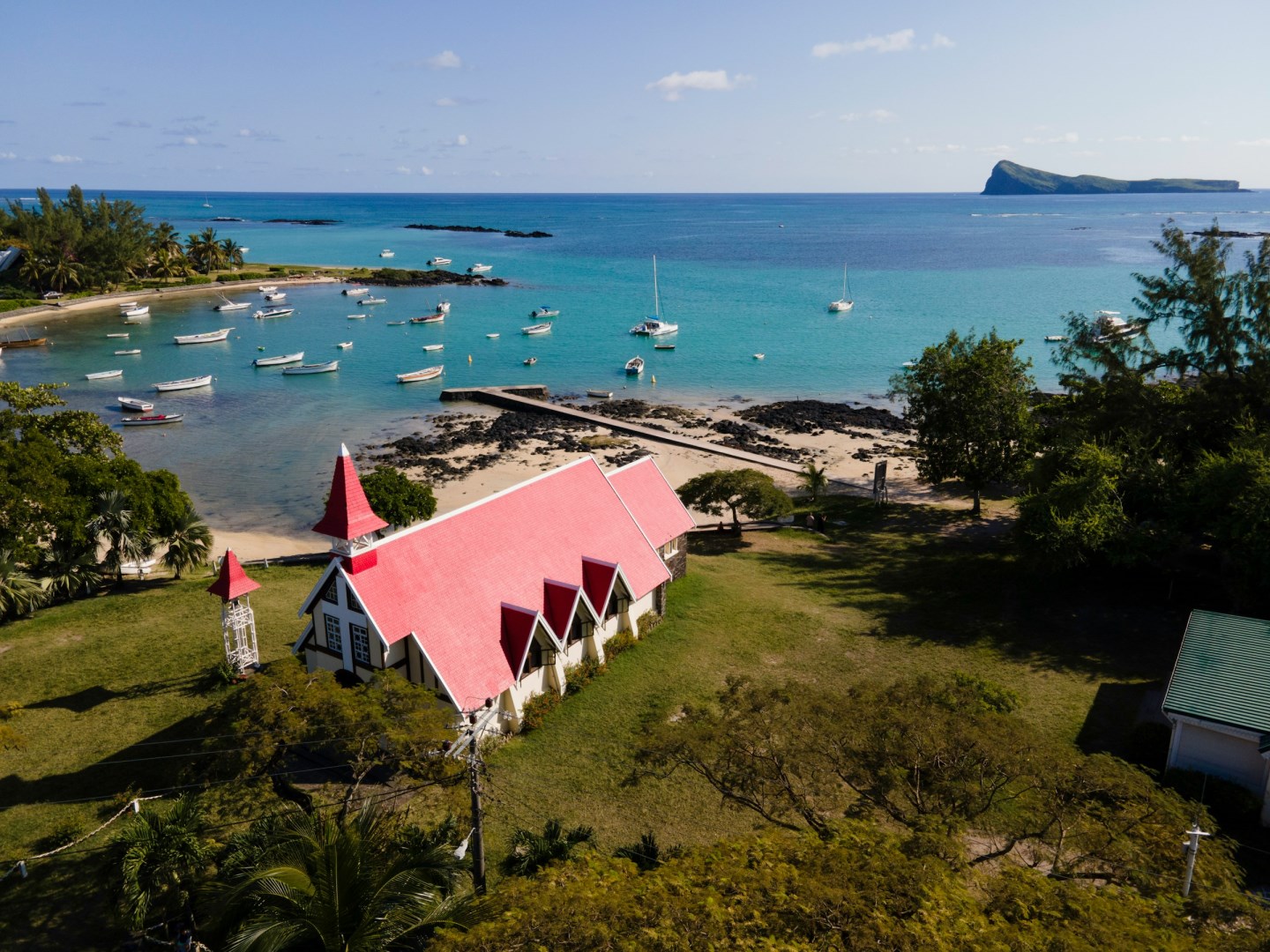
Cap Malheureux
Cap Malheureux is a small coastal village at the northern tip of Mauritius, facing the islands and open waters beyond Grand Baie. It is best known for Notre-Dame Auxiliatrice, a Catholic chapel with a bright red roof that stands beside the shoreline and has become one of northern Mauritius’s most recognizable landmarks.
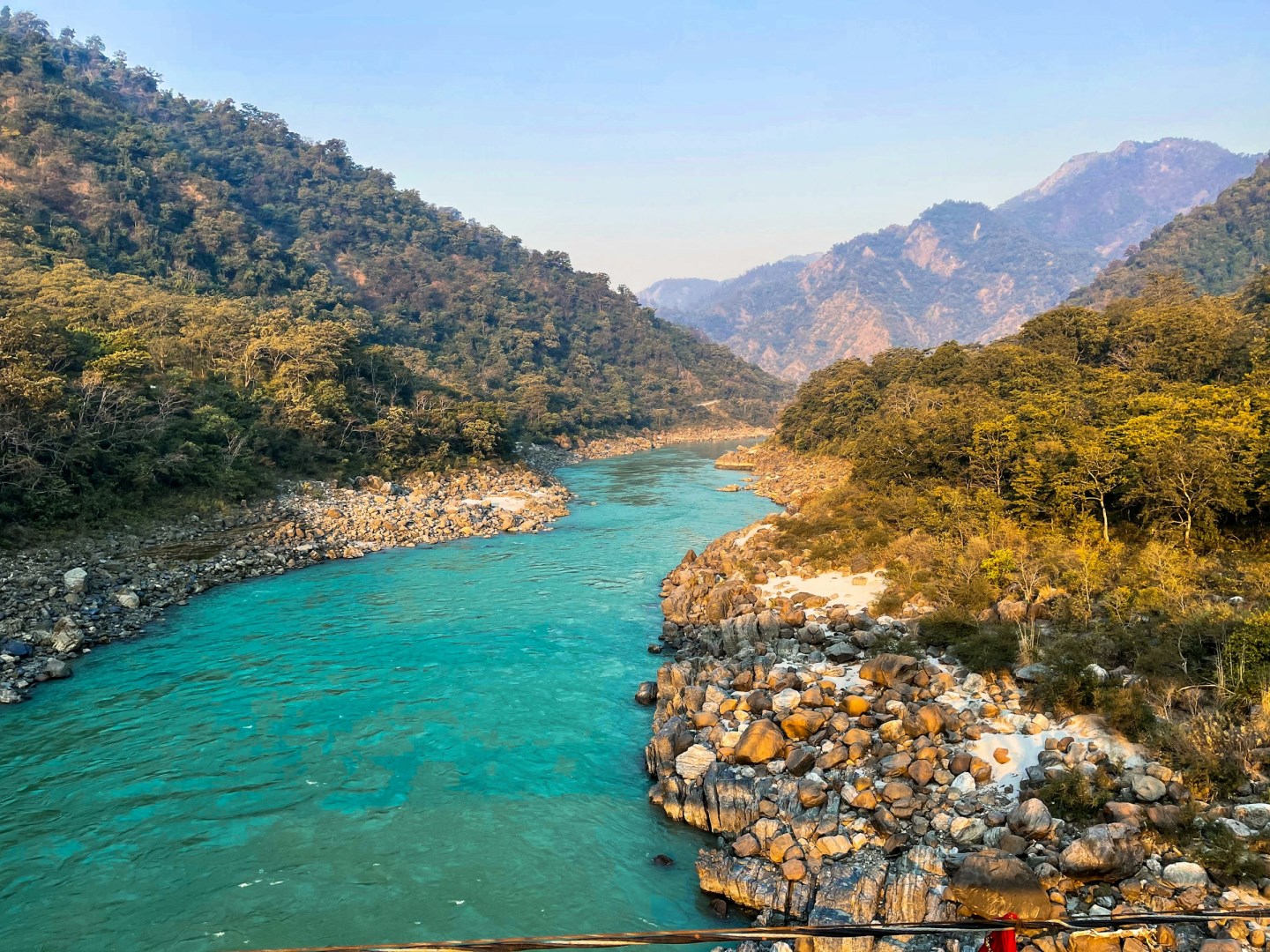
Ganges River
The River Ganges, flowing through India and Bangladesh, supports millions of people living in the river basin. In Hinduism, the river is considered the most sacred, and as a result it is in important element of many Hindu rituals and festivals.
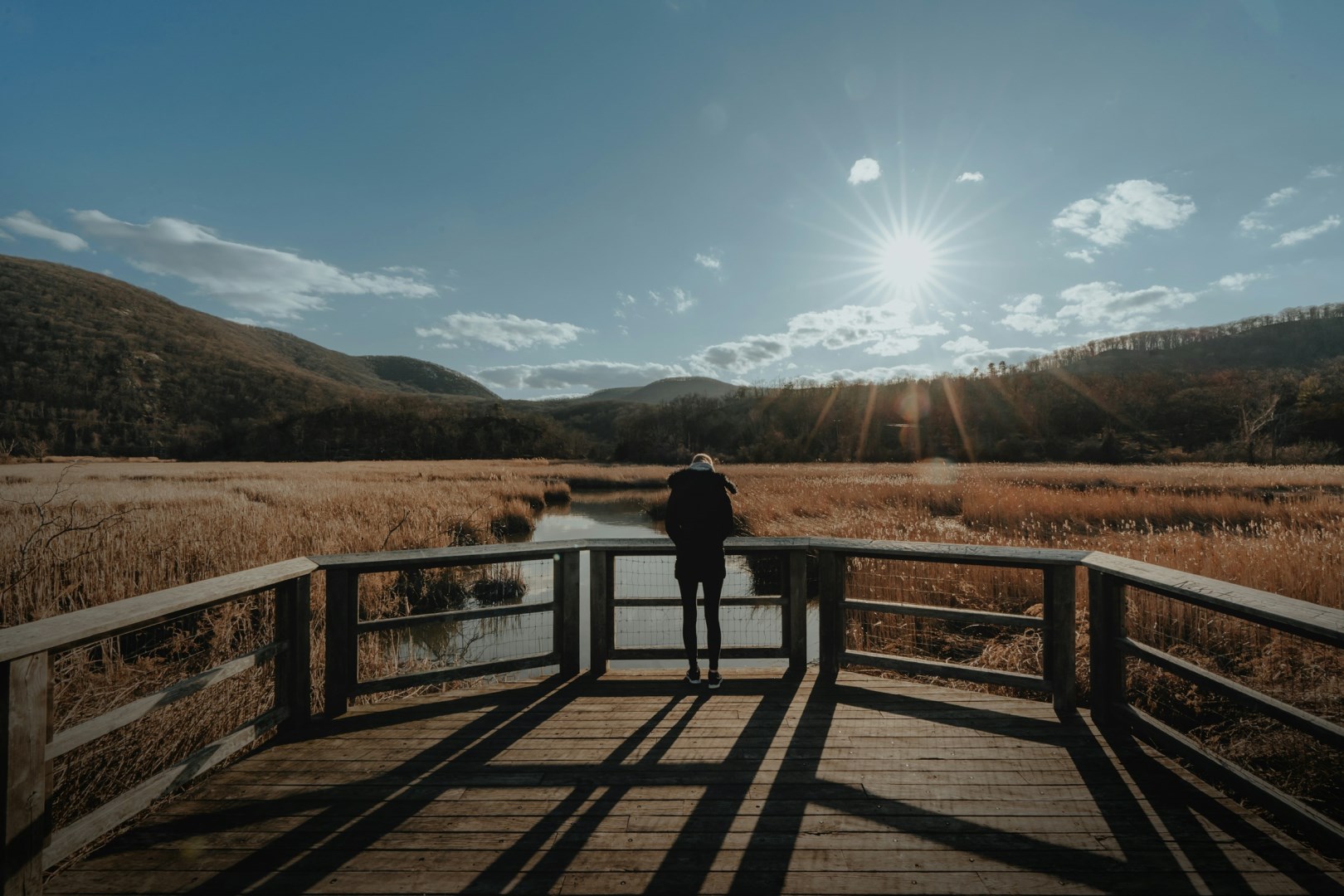
Bear Mountain State Park
Bear Mountain State Park occupies a rugged section of the Hudson Highlands on the western bank of the Hudson River, about 45 miles north of New York City. The park covers roughly 5,000 acres of forests, mountain slopes, lakes, and riverfront, making it one of the best-known public recreation areas in the Hudson Valley. Its landscape supports hiking, biking, fishing, boating, swimming, picnicking, and winter activities.
