

Dominica
Dominica, known as the “Nature Island of the Caribbean,” is a haven for eco-tourists and adventure seekers. Nestled between the French islands of Guadeloupe and Martinique, this lush island boasts a remarkable landscape of volcanic mountains, dense rainforests, and stunning waterfalls. Dominica’s most iconic natural wonder is the Boiling Lake, the second-largest hot spring in the world.
Palm Island
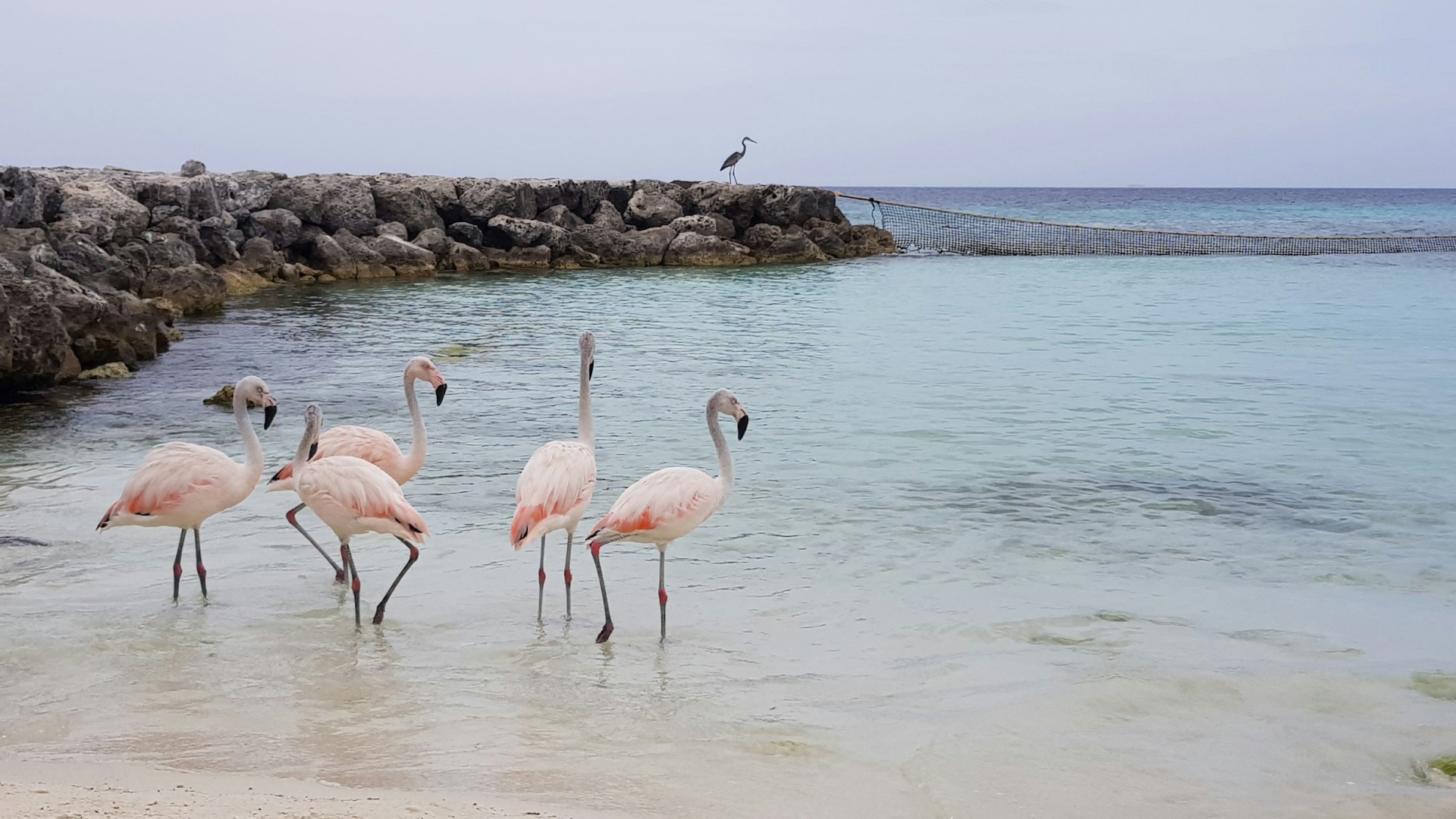
Palm Island is a small private resort island just off Aruba's southern coast, reached by a short ferry ride from the mainland near the fishing community of De Palm Island. The island is surrounded by the warm Caribbean Sea and features sandy beaches, shallow lagoons, coral reefs, and landscaped areas.
Twyfelfontein
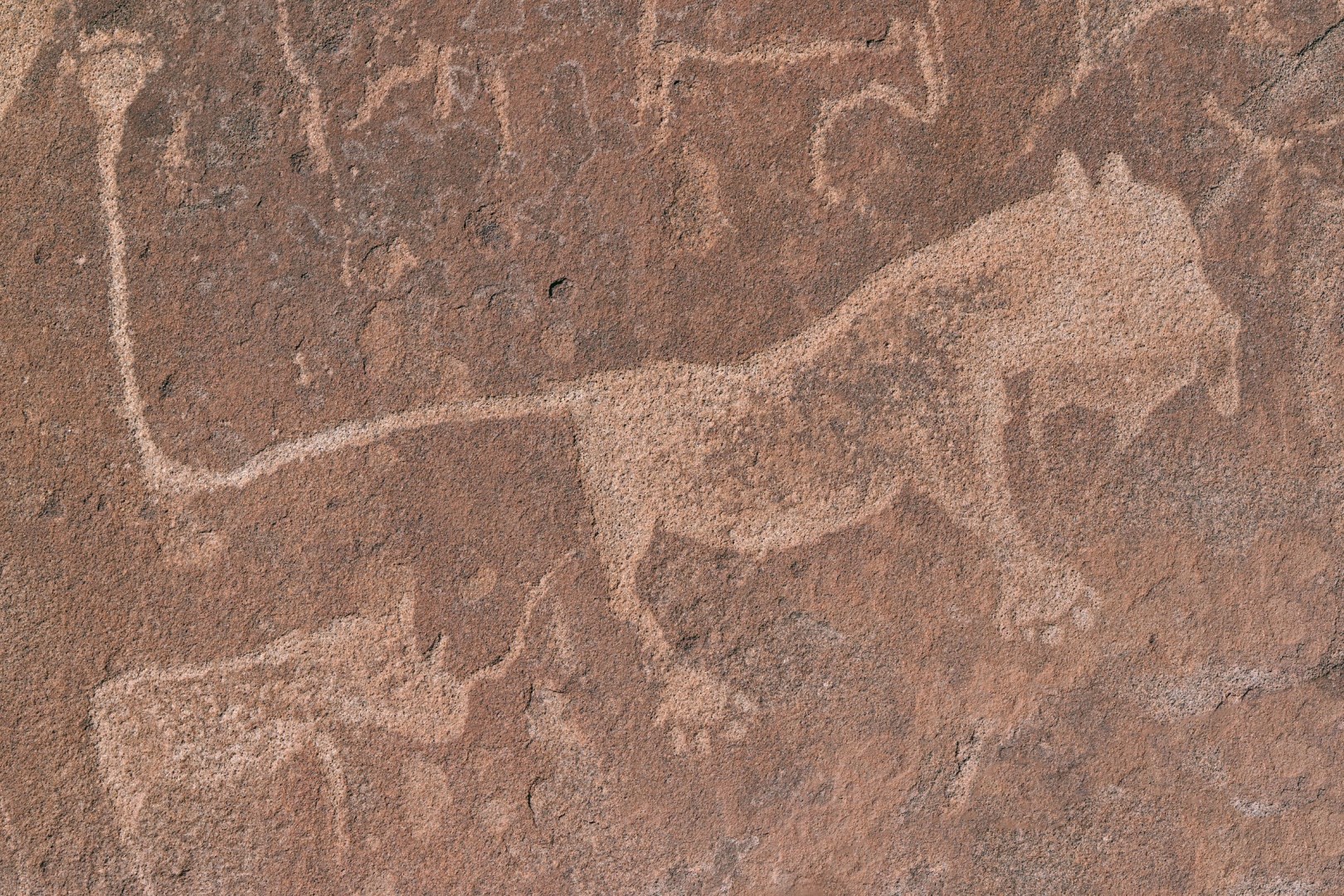
Twyfelfontein is a cultural heritage site in the rugged Damaraland region of northwestern Namibia, known for one of Africa’s largest concentrations of ancient rock engravings. The site lies among sandstone cliffs, dry valleys, and open plains where water is scarce and vegetation is adapted to arid conditions. Twyfelfontein or /Ui-//aes is recognized as a UNESCO World Heritage Site because of its extensive collection of engravings and painted rock shelters
Tskaltubo
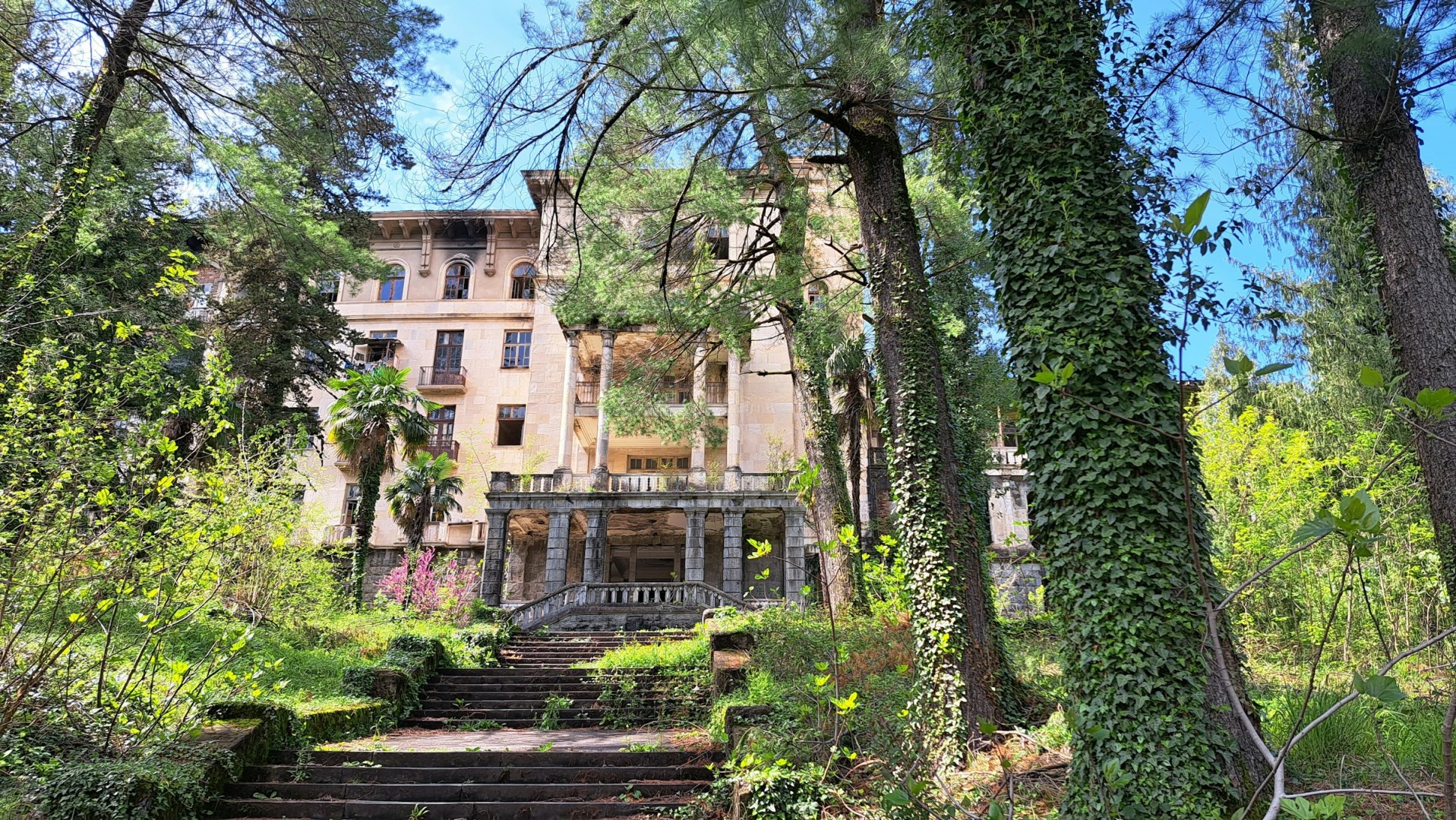
Tskaltubo is a spa town in western Georgia, located in the Imereti region near Kutaisi. The town is known for its naturally warm mineral waters, which emerge from springs beneath the surrounding limestone landscape. Broad streets, parks, gardens, and early resort architecture reflect Tskaltubo's long association with health tourism.

Alice Springs
Alice Springs, located in the heart of Australia’s Red Centre, is a town deeply connected to the desert landscapes and Aboriginal culture that define the region. Long an important meeting place for the Arrernte people, it remains a center of Indigenous art and traditions, with galleries and cultural institutions showcasing some of the world’s most renowned Aboriginal artworks and stories.
