
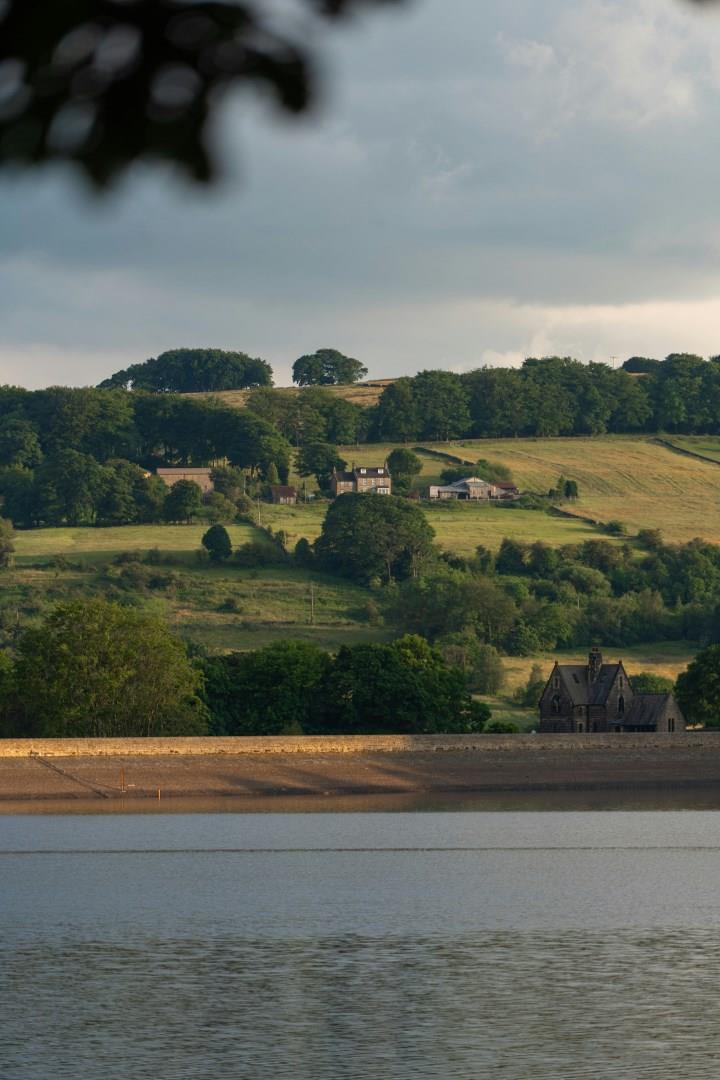
Sheffield
Sheffield, once the global heart of the steel industry, has evolved into a city where industrial heritage meets green landscapes and a growing creative scene. Known historically for innovations like stainless steel, Sheffield still celebrates its roots at sites like the Kelham Island Museum, where restored machinery and interactive exhibits tell the story of the city’s engineering legacy.

Belgium
Belgium may be compact, but it offers a surprising variety of experiences shaped by centuries of shifting borders, artistic innovation, and culinary tradition. In Brussels, the Grand Place sets the stage for history and architecture in one square lined with ornate guild halls. The city is also home to the European Union’s headquarters, surrealist painter René Magritte’s former house, and a lively comic book trail that winds through murals of Tintin and other Belgian icons.
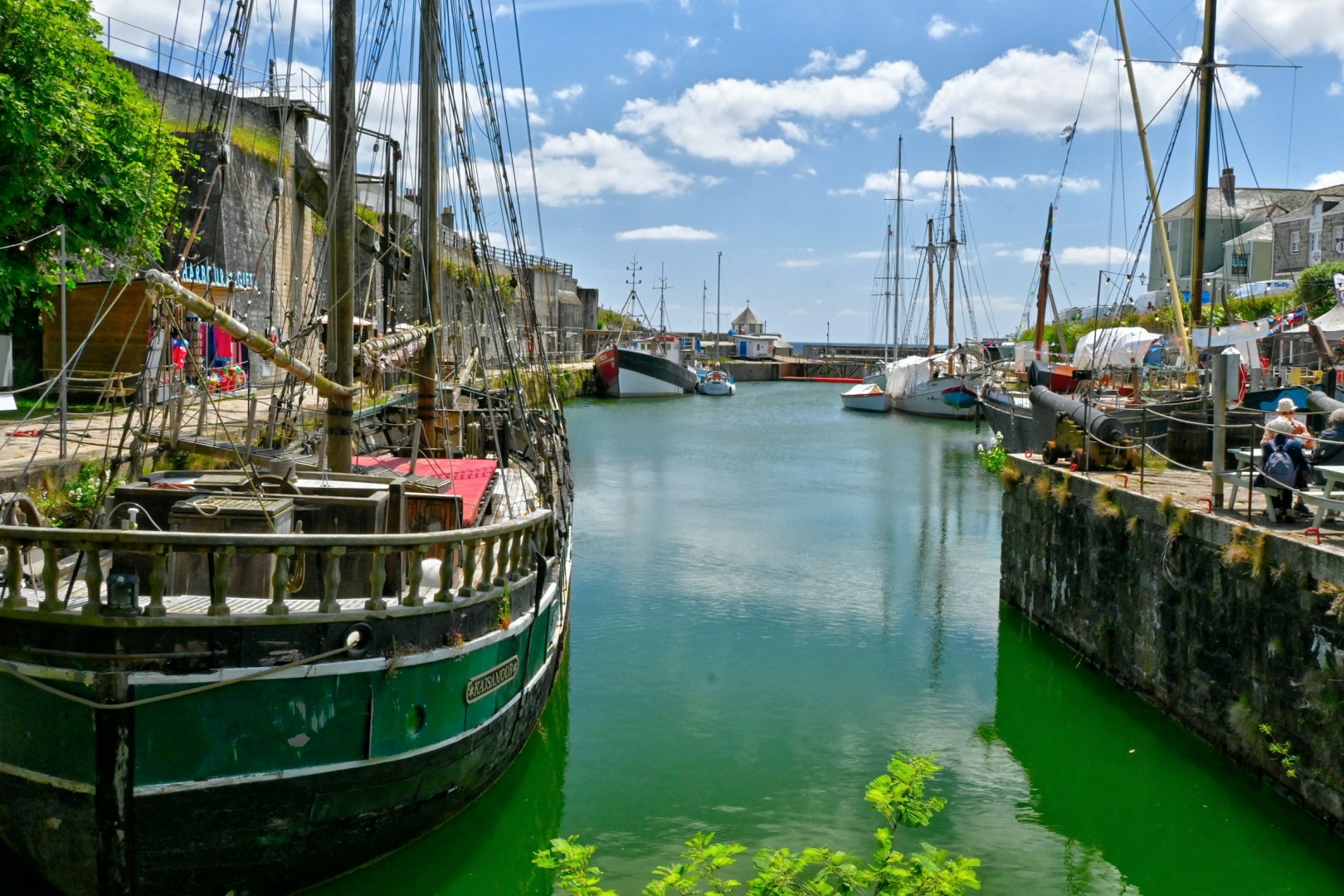
Charlestown
Charlestown is a small historic harbor village on Cornwall’s south coast, near St Austell. Its sheltered harbor is enclosed by stone walls and remains filled with traditional tall ships, giving the village a strong connection with Cornwall’s maritime past. Behind the waterfront are compact rows of stone buildings, narrow lanes, and former industrial structures.

Phillip Island
Phillip Island, a serene escape located just 90 minutes from Melbourne, Australia, is a natural wonderland that entices visitors with its stunning coastal landscapes and unique wildlife experiences. The island is most famous for its Penguin Parade, where every evening at sunset, hundreds of little penguins—the smallest penguin species in the world—waddle ashore to their burrows on Summerland Beach.
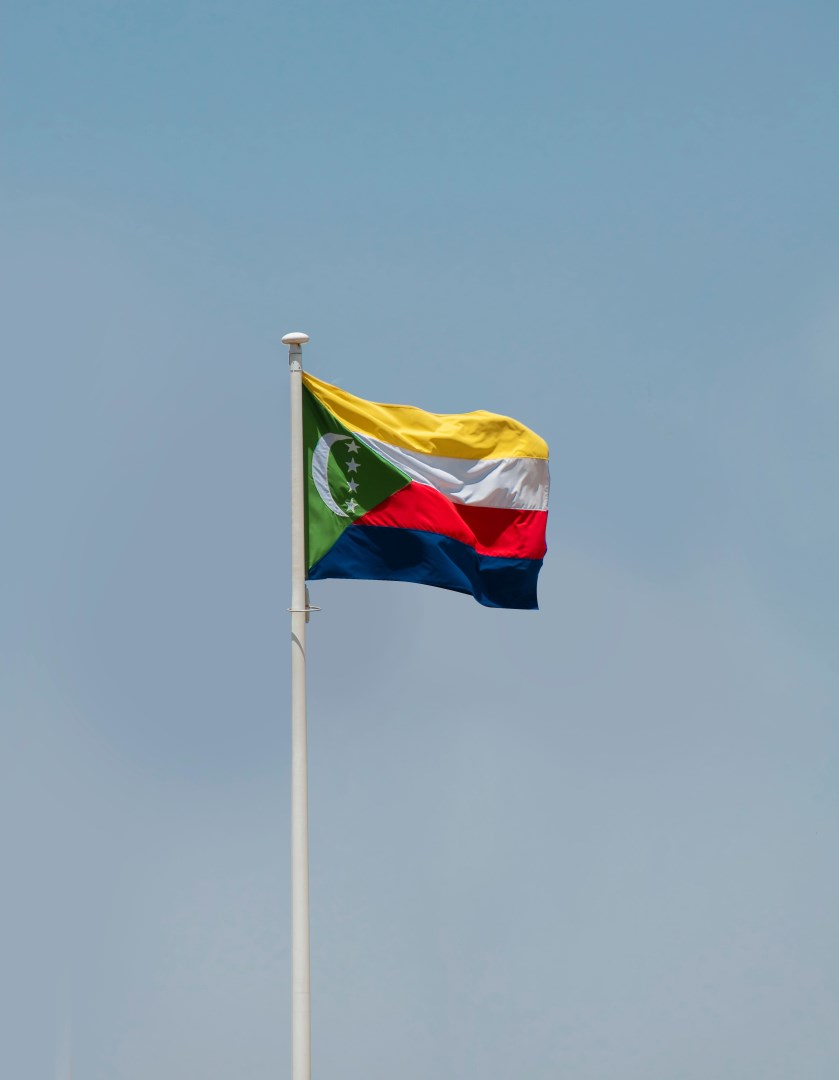
Comoros
Comoros, independent state comprising a group of islands located at the northern entrance of the Mozambique Channel, between the African mainland and the island of Madagascar. Officially called the Federal Islamic Republic of the Comoros, the archipelago includes four major islands.
