
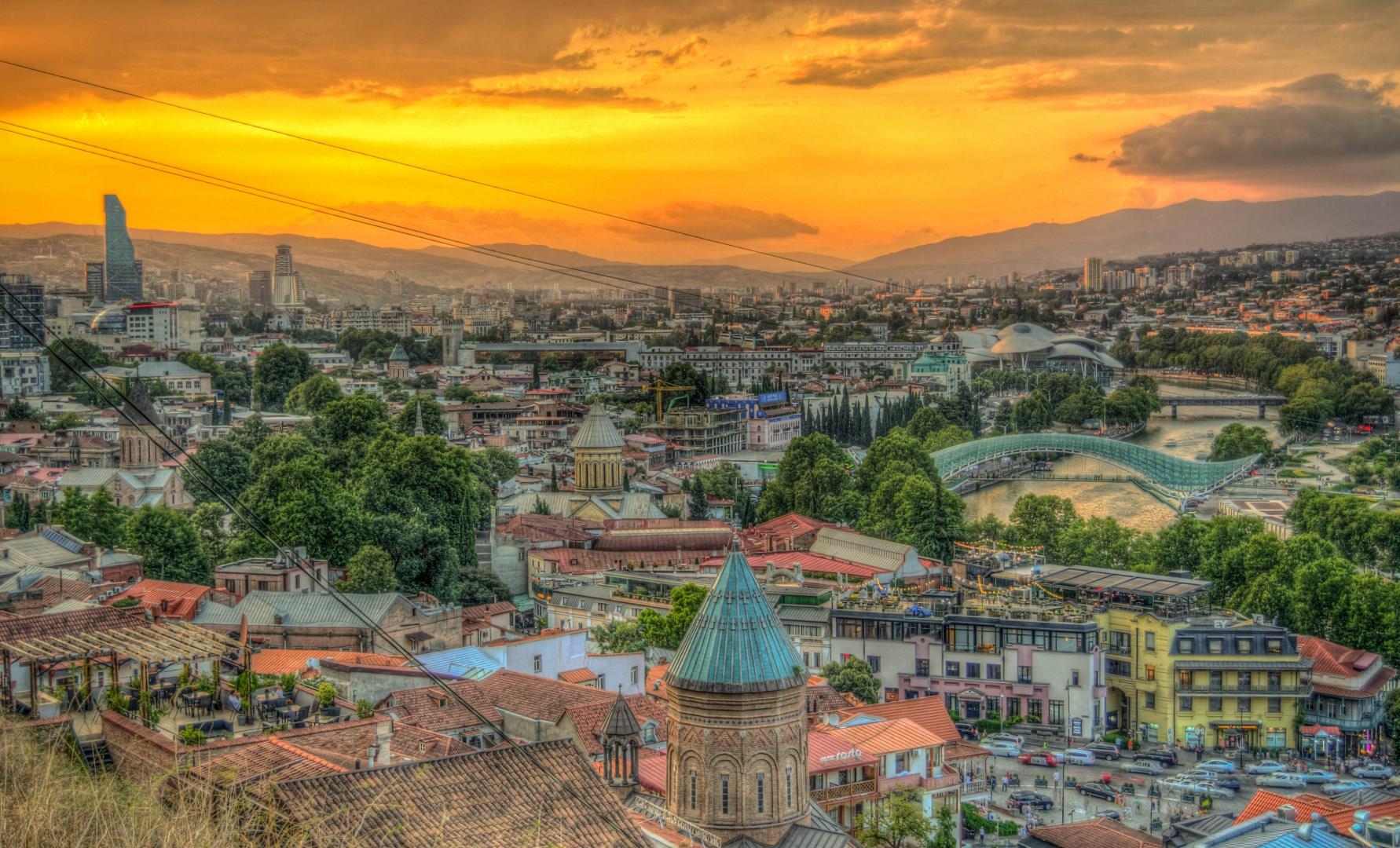
Tbilisi
Tbilisi, the capital of Georgia, is a city where tradition and modern life blend seamlessly. Set along the banks of the Kura River and surrounded by hills, its layout reflects centuries of change and cultural exchange. The Old Town, with its cobbled lanes and wooden balconies, is a living museum of architecture, showcasing influences from Persian, Ottoman, and Russian eras. Above it all, the Narikala Fortress stands watch, offering sweeping views of the city below.
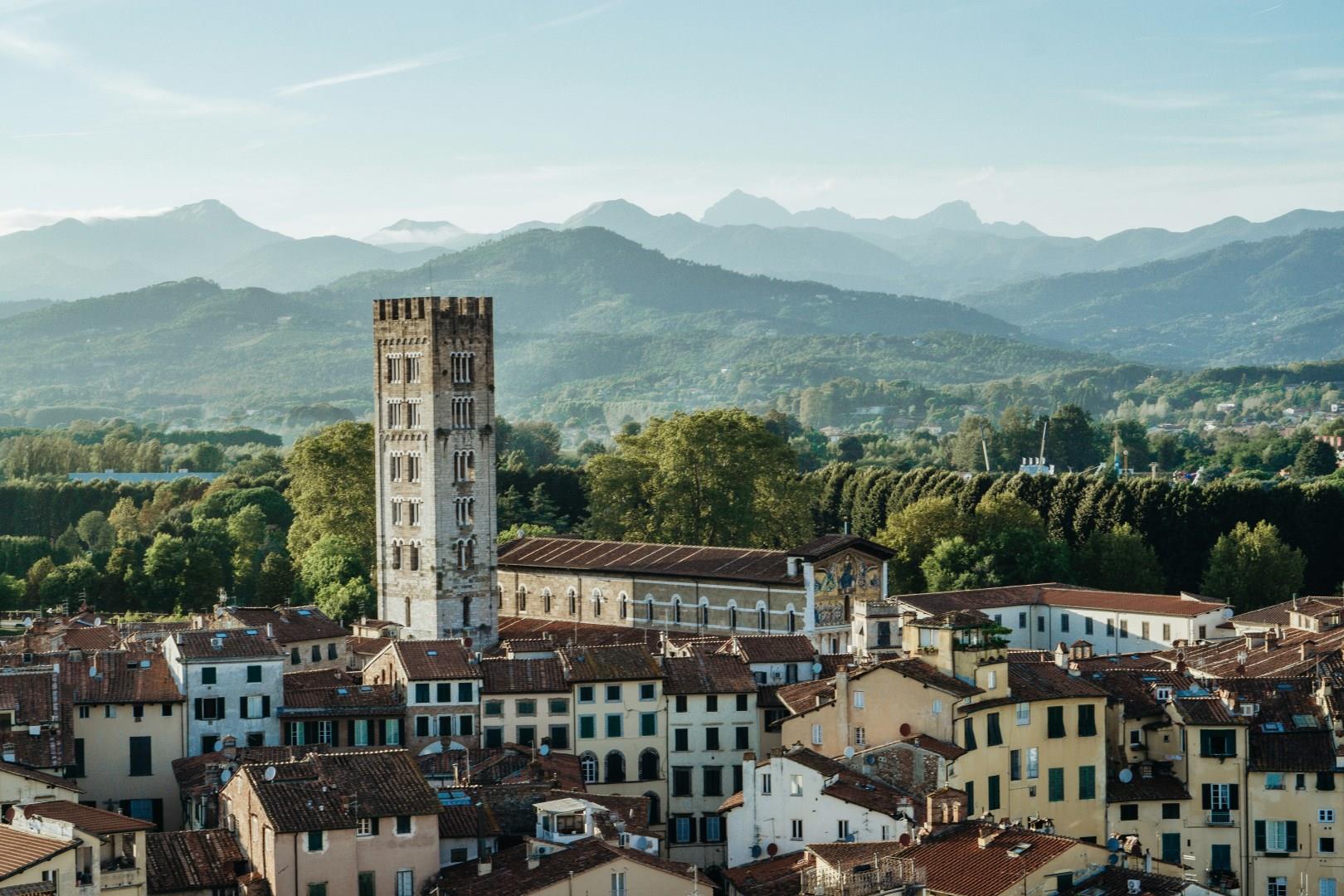
Lucca
Lucca, a Tuscan city surrounded by remarkably intact Renaissance walls, offers more than just postcard views. Known for its quiet streets and grand piazzas, Lucca stands apart with its circular street layout, still following the lines of a Roman amphitheater from centuries ago. The walls, now repurposed as a 4-kilometer tree-lined park, are a favorite route for locals and visitors who explore them on foot or by bike, passing old bastions and panoramic viewpoints along the way.
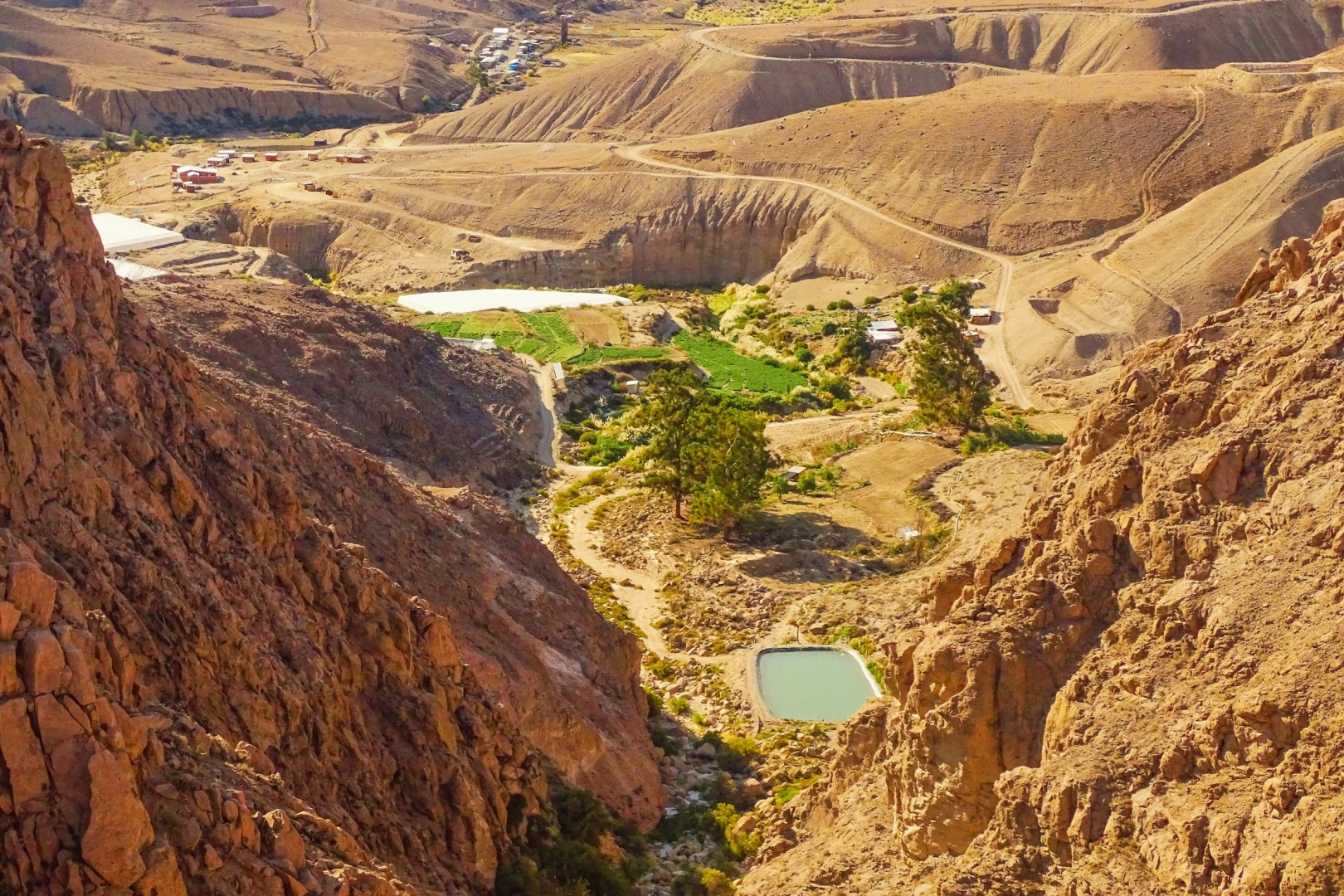
Arica
At Chile's northernmost end, the dizzying railway from high Bolivia comes down to the sea. Arica, the City of Eternal Spring, has a population of 169,000. and is located in the Atacama Desert. See San Marcos Cathedral, designed by Gustave Eiffel, and marvel at Pre-Incan relics in the City Museum. Or leave the city to venutre to the White City of Arequipa, the Incan capital of Cuzco and Machu Picchu and the ancient Inca city in the clouds.
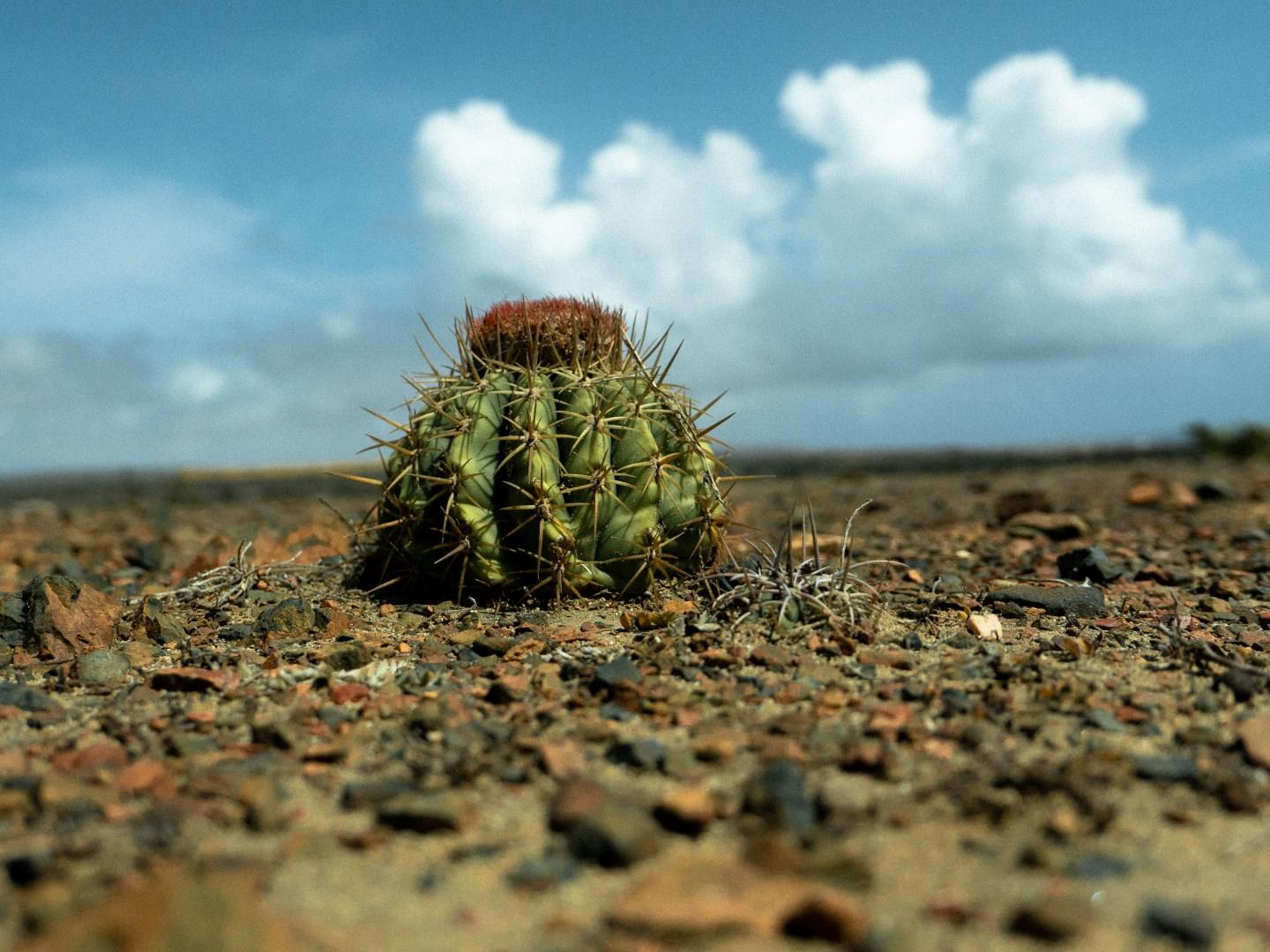
Arikok National Park
Arikok National Park, covering nearly 20% of Aruba, is a striking showcase of the island’s rugged landscapes, cultural history, and biodiversity. Unlike the postcard image of Aruba’s white-sand beaches, Arikok reveals a wilder side, with windswept hills, desert-like terrain, and dramatic limestone cliffs meeting the sea.
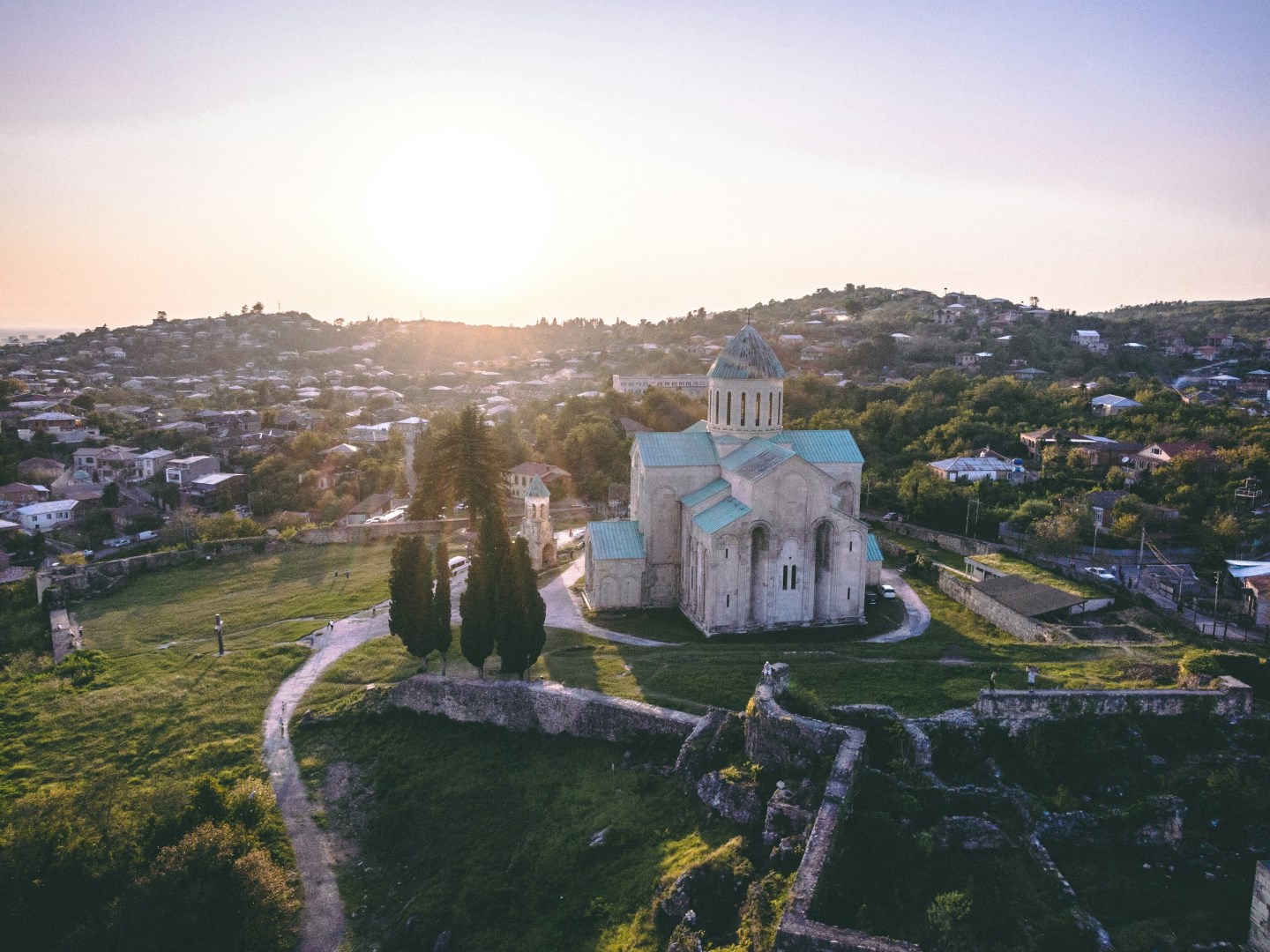
Kutaisi
Georgia's second largest city, it is located between the Caspian and Black seas. Dating back to at least the sixth century, it has outstanding museums.
