
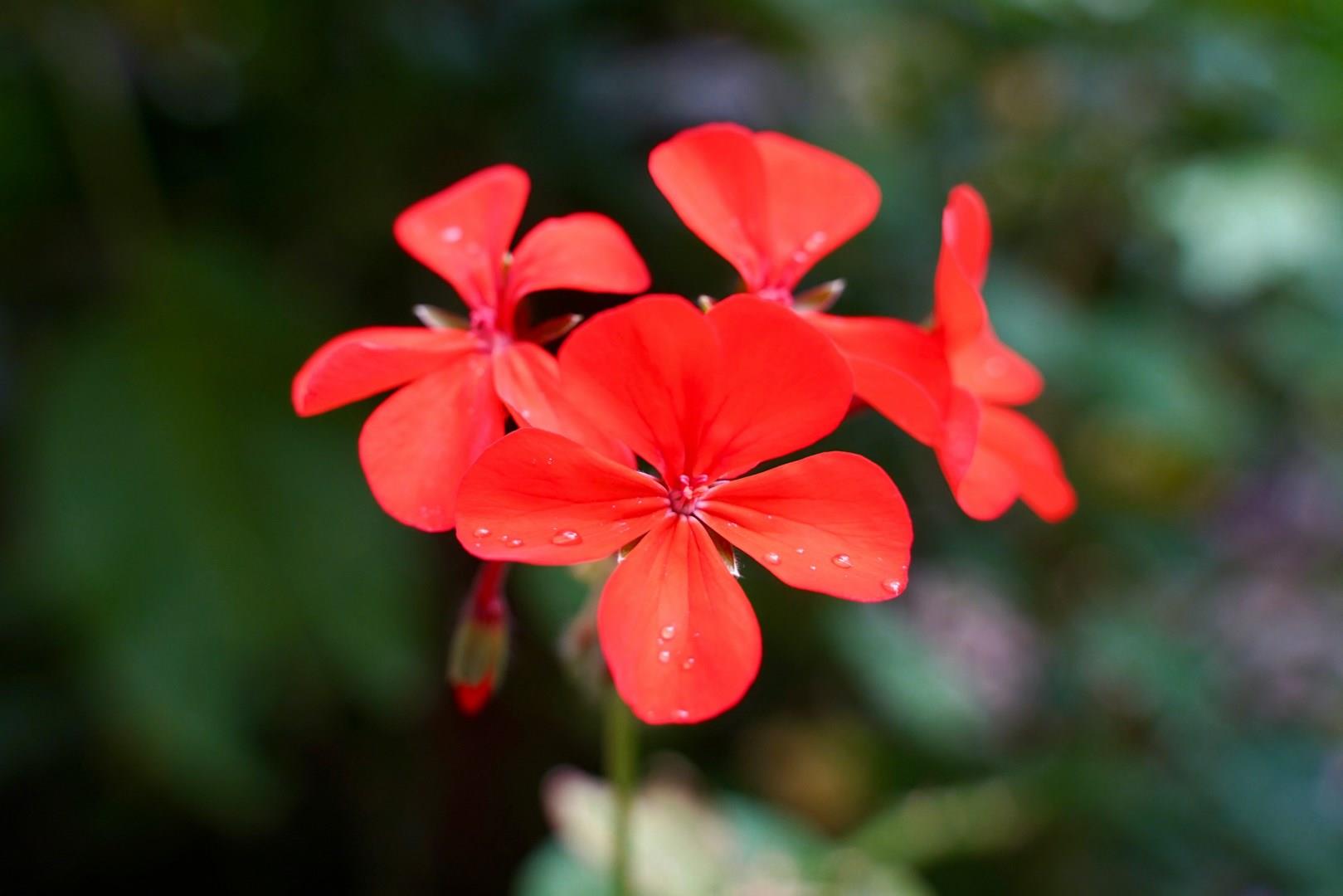
Aguas Calientes
Aguas Calientes, officially called Machupicchu Pueblo, sits in a narrow valley below the ruins of Machu Picchu, shaped almost entirely by geography and access. The town grew around the railway and hot springs that give it its name, becoming a necessary stopping point rather than a destination planned in advance. Its identity is closely tied to movement, with most people arriving on foot or by train and staying briefly before heading uphill.
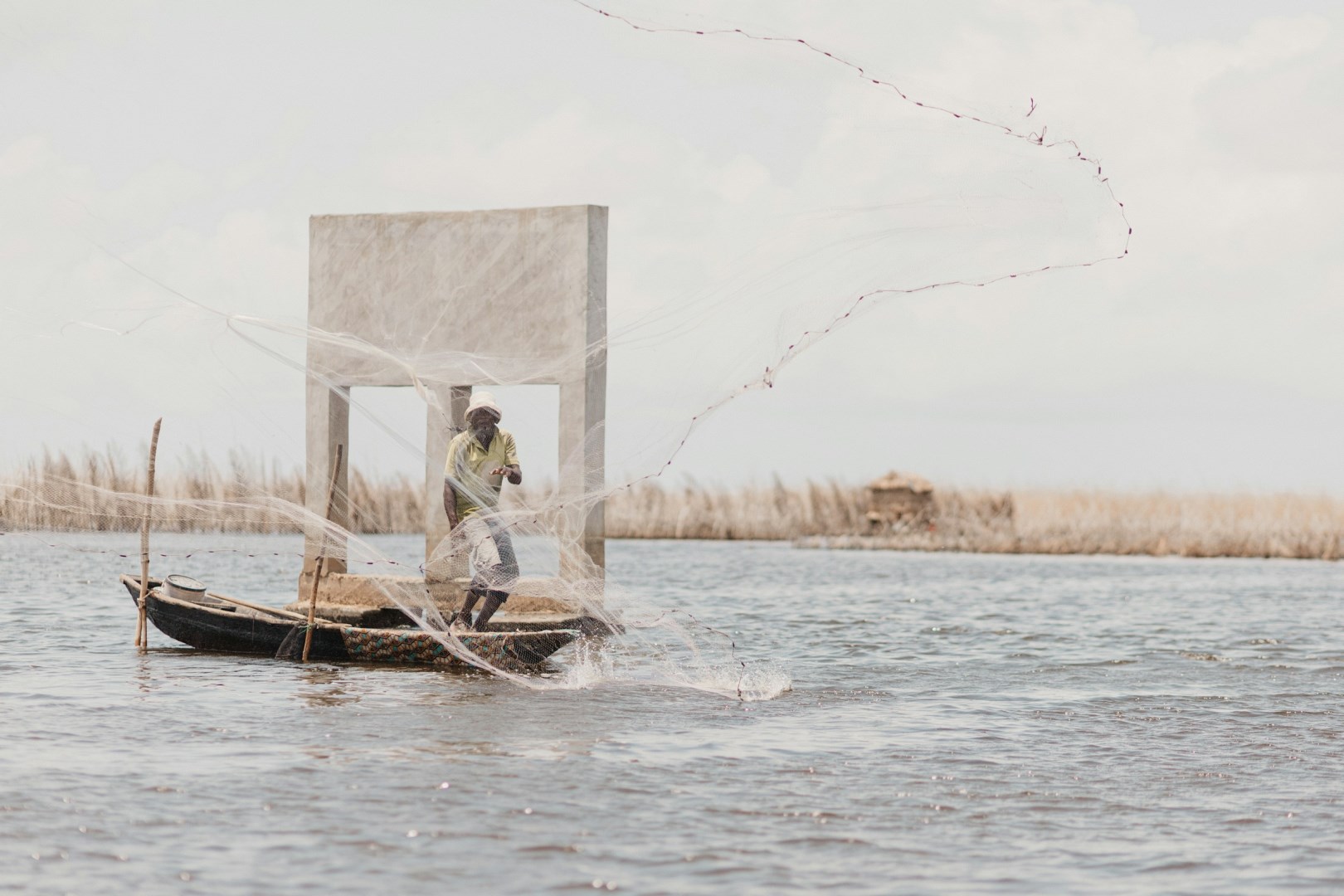
Cotonou
Cotonou, the Center de Promotion de l'Artisant is a lively spot where you can bargain for everything thats produced in Cotonou.
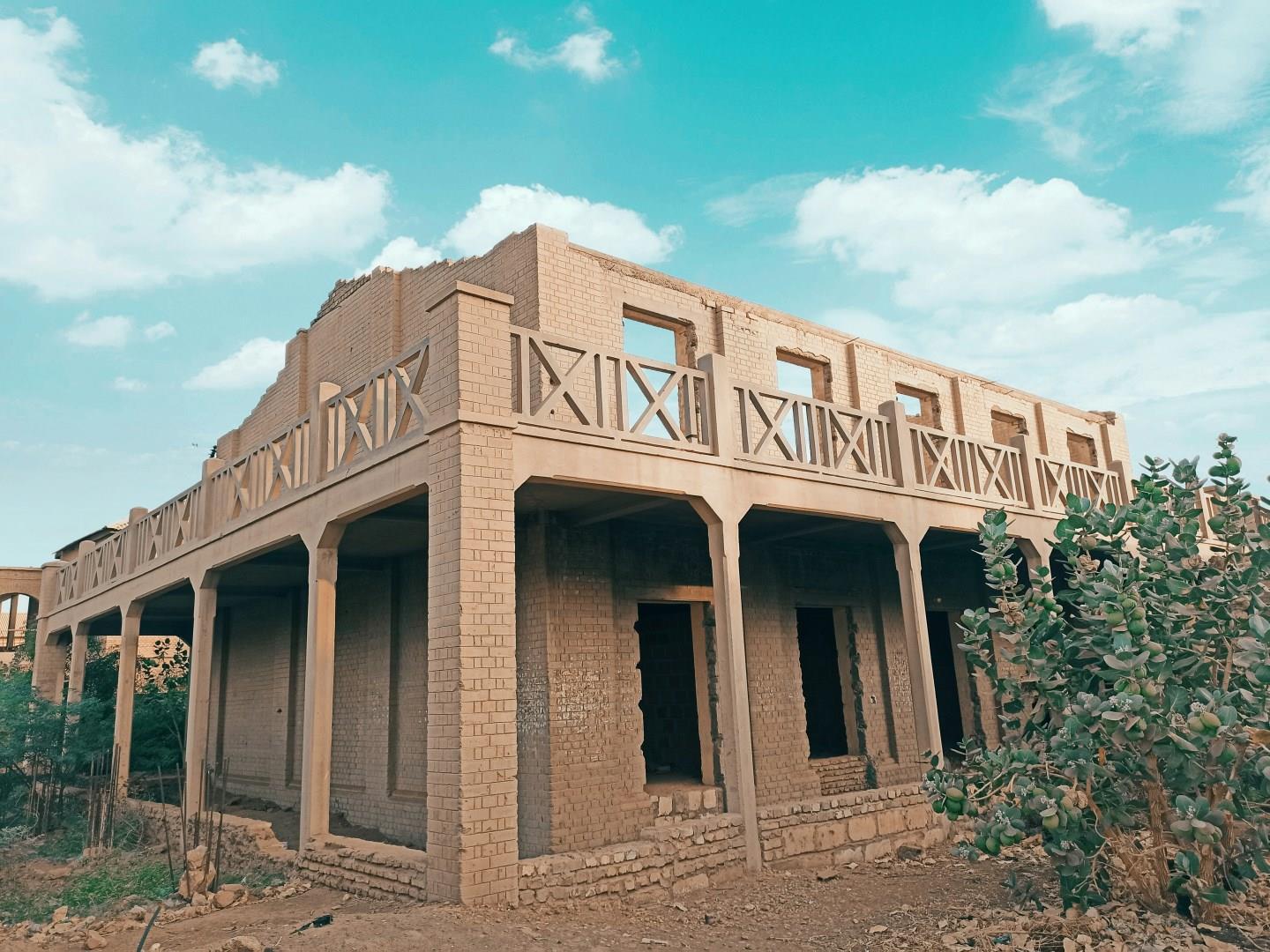
Sudan
Sudan, located in northeastern Africa, is a country of diverse landscapes, from the vast Sahara Desert in the north to the fertile Nile Valley in the center. The Nile River, one of the world’s longest, runs through the country, shaping both its agriculture and history.
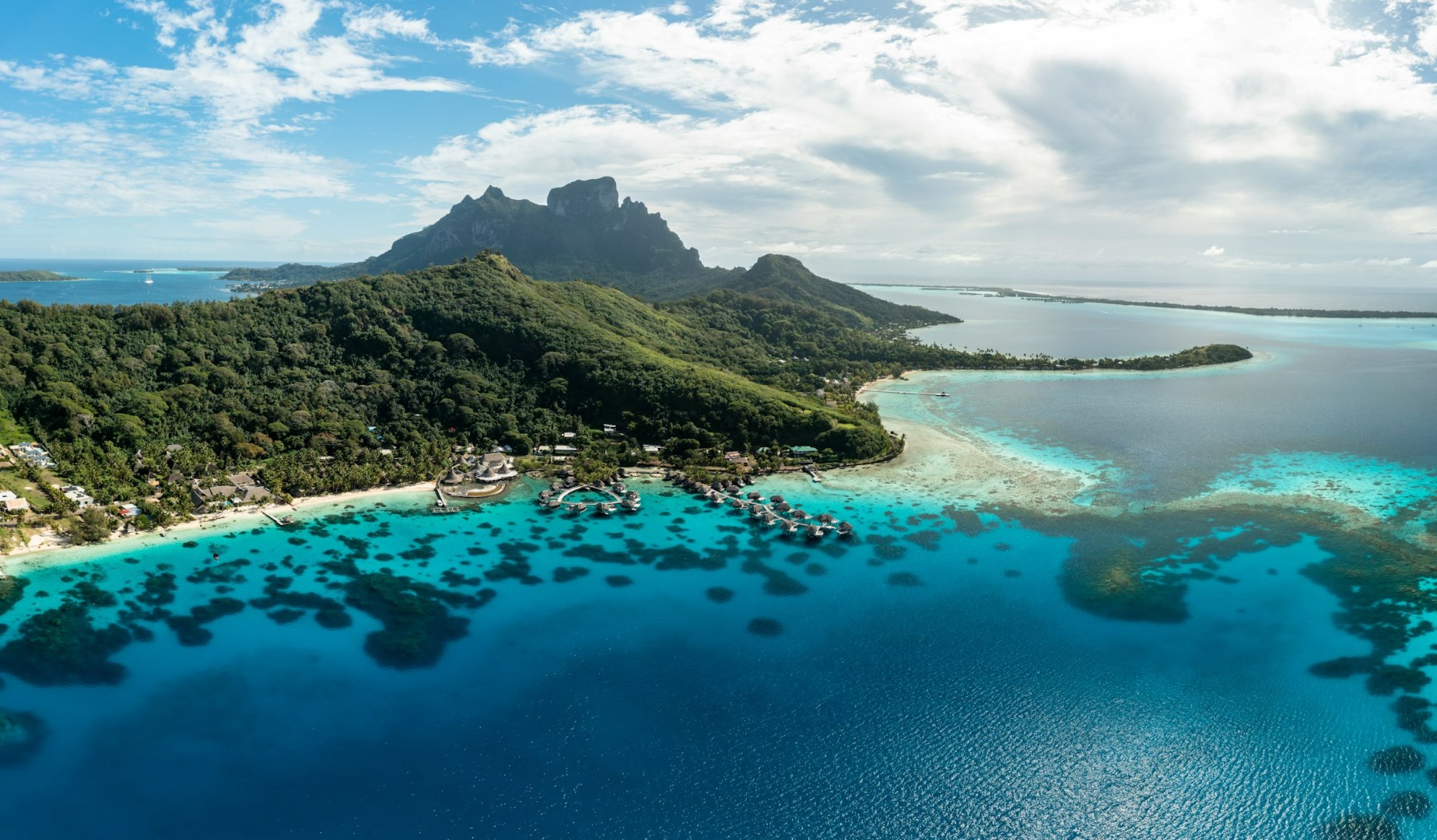
Bora Bora
Bora Bora, often referred to as the "Jewel of the South Seas," is the epitome of tropical luxury. Nestled in the Society Islands of French Polynesia, this idyllic island is famed for its stunning turquoise lagoon, ringed by a barrier reef and dotted with overwater bungalows.
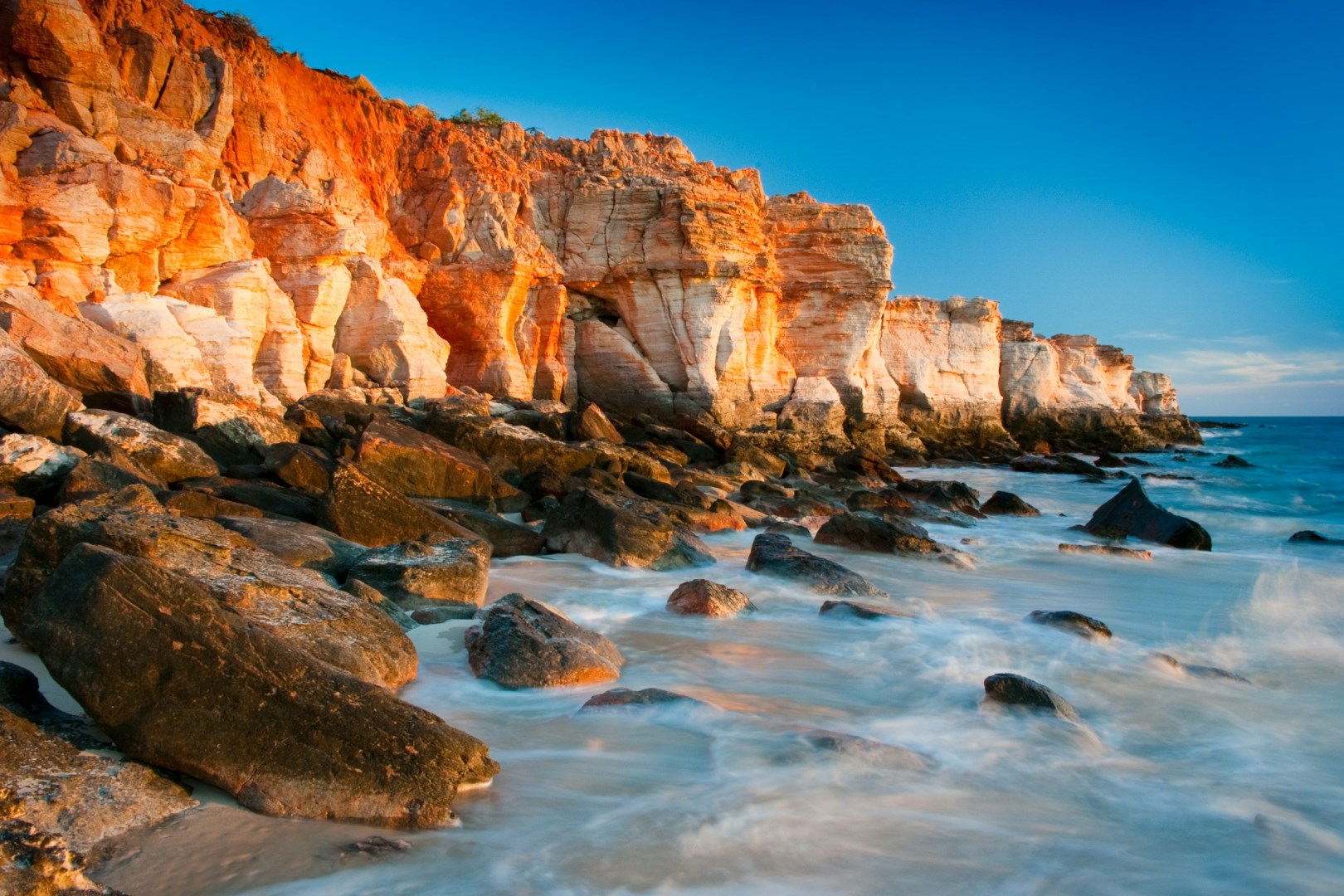
Dampier
Dampier Peninsula is situated along the north east coast of western Australia within the famous Kimberley. Around half of the Peninsula is covered by Aboriginal land, and so you should check with the Tourist Information Centre in Broome about the areas where you may not be permitted. However, there are several places where you can stay.
