

Aguas Calientes
Aguas Calientes, officially called Machupicchu Pueblo, sits in a narrow valley below the ruins of Machu Picchu, shaped almost entirely by geography and access. The town grew around the railway and hot springs that give it its name, becoming a necessary stopping point rather than a destination planned in advance. Its identity is closely tied to movement, with most people arriving on foot or by train and staying briefly before heading uphill.
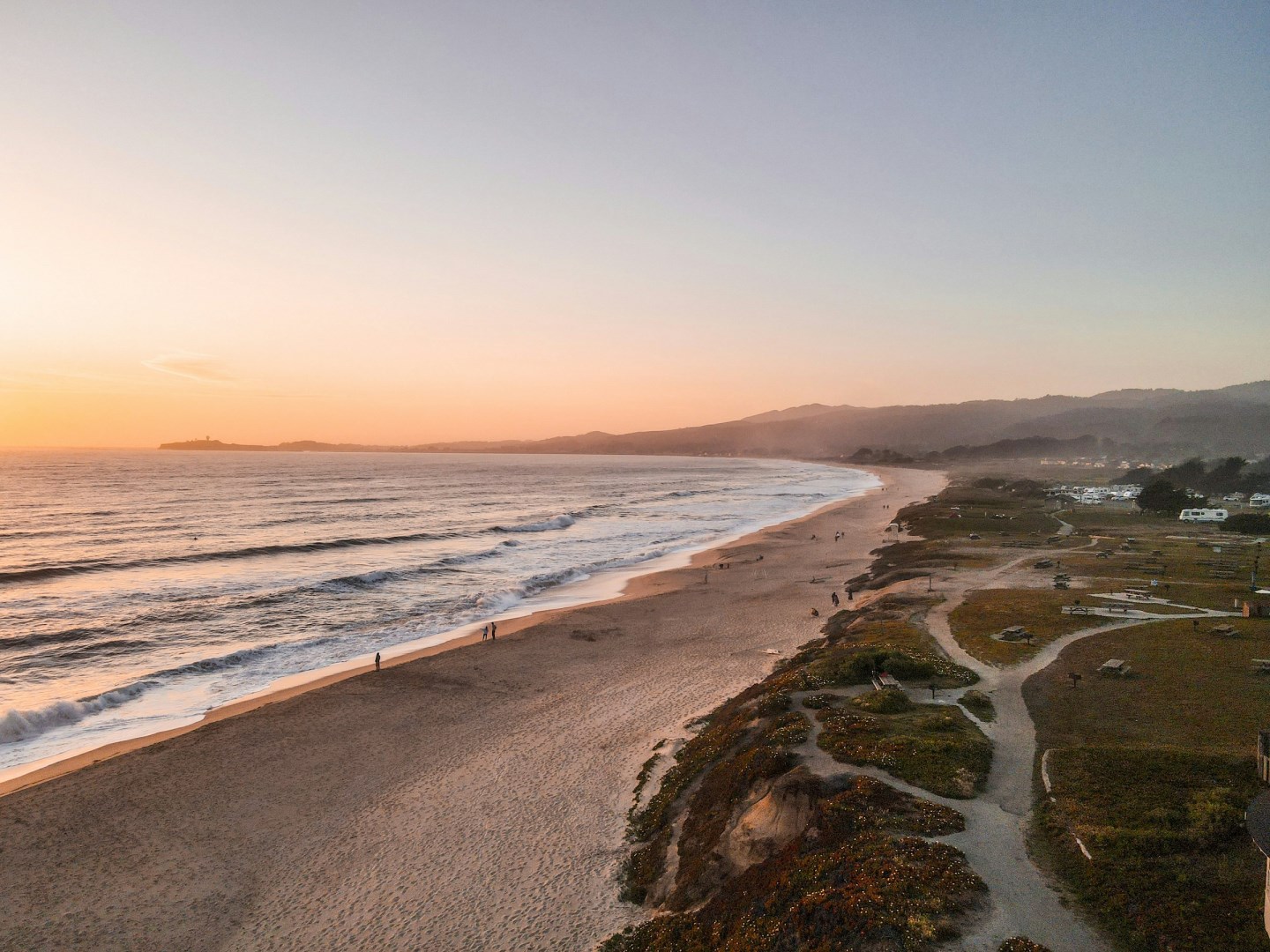
Half Moon Bay
Half Moon Bay is a coastal city on California’s San Mateo County coast, located south of San Francisco along a broad curve of the Pacific shoreline. The community is surrounded by agricultural land, coastal bluffs, sandy beaches, and rolling hills, with the Santa Cruz Mountains rising inland.
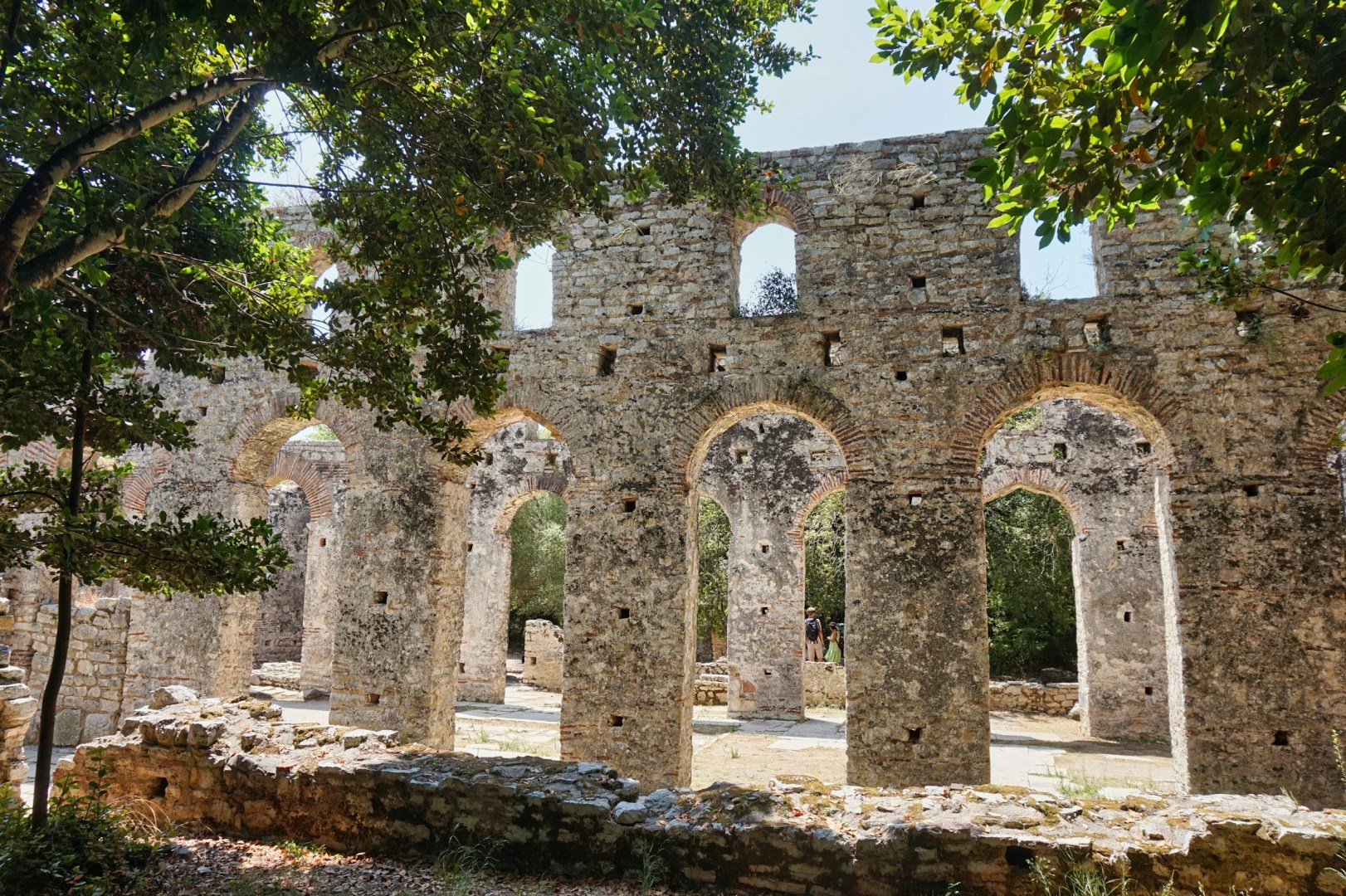
Butrint
According to legend, the ancient Greek city of Butrint was founded by the Trojans. It was later occupied by the Romans, Greeks, and the Byzantine Empire

Nelson
Nelson sits along the West Arm of Kootenay Lake in southeastern British Columbia, embraced by the rugged peaks of the Selkirk Mountains and threaded with over 350 heritage buildings that tell the story of its silver-rush beginnings. A short trip outside town leads to spots like the Salmo–Troup Rail Trail, a wide, gentle path that follows an old rail line for kilometers through forest and alongside rivers.
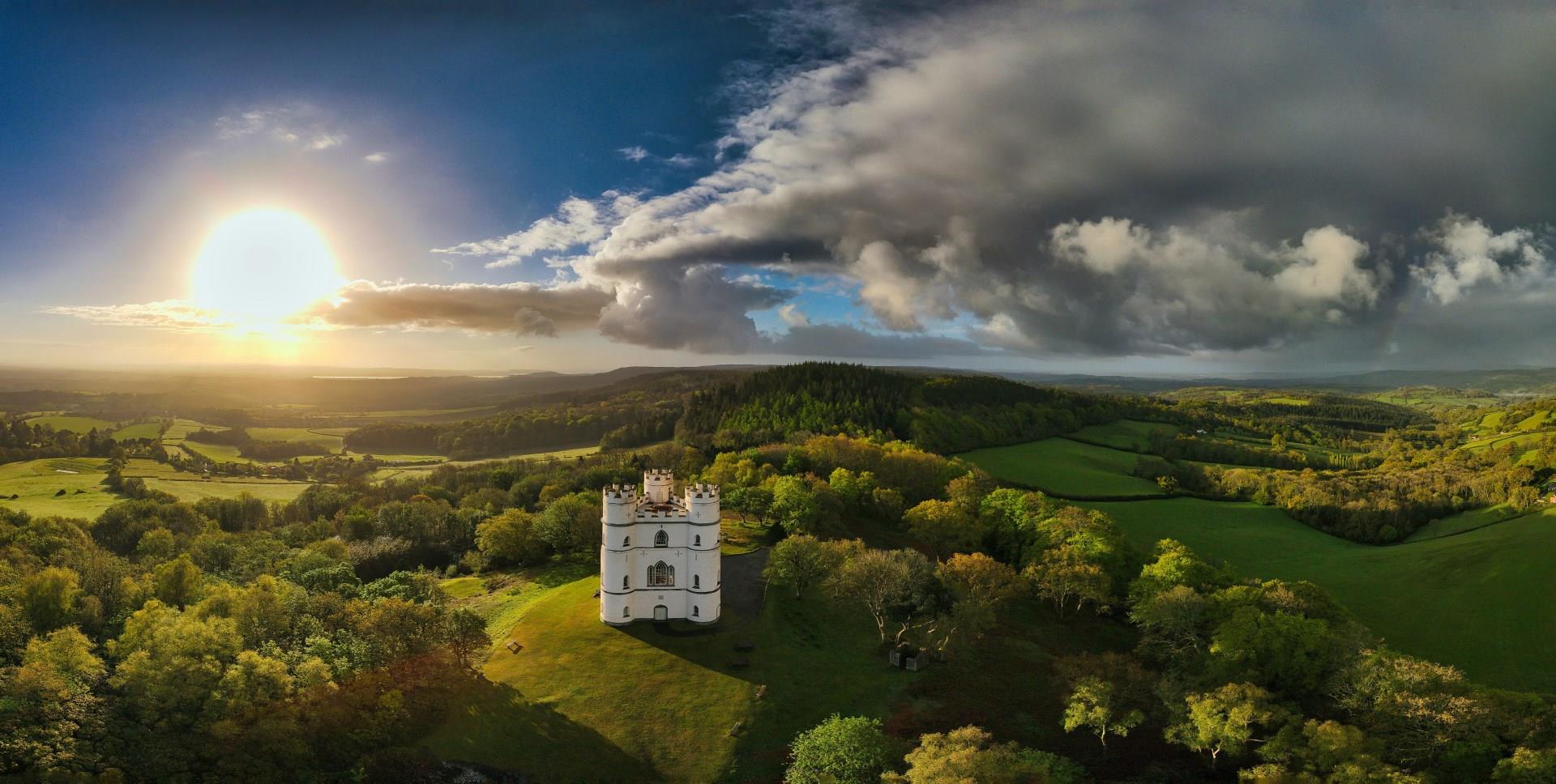
Exeter
Exeter sits in southwest England at a natural crossing of the River Exe, a position that has shaped its role since Roman times.
