

Ionian Sea
The Ionian Sea, a stretch of the Mediterranean nestled between Italy and Greece, offers a captivating blend of azure waters, picturesque islands, and rich history. The sea is framed by Italy's western coast and Greece's western islands, including Corfu, Kefalonia, and Zakynthos. These islands provide a gateway to some of the most stunning landscapes in the region, from the rugged cliffs of Zakynthos to the lush greenery of Kefalonia.

Cancún
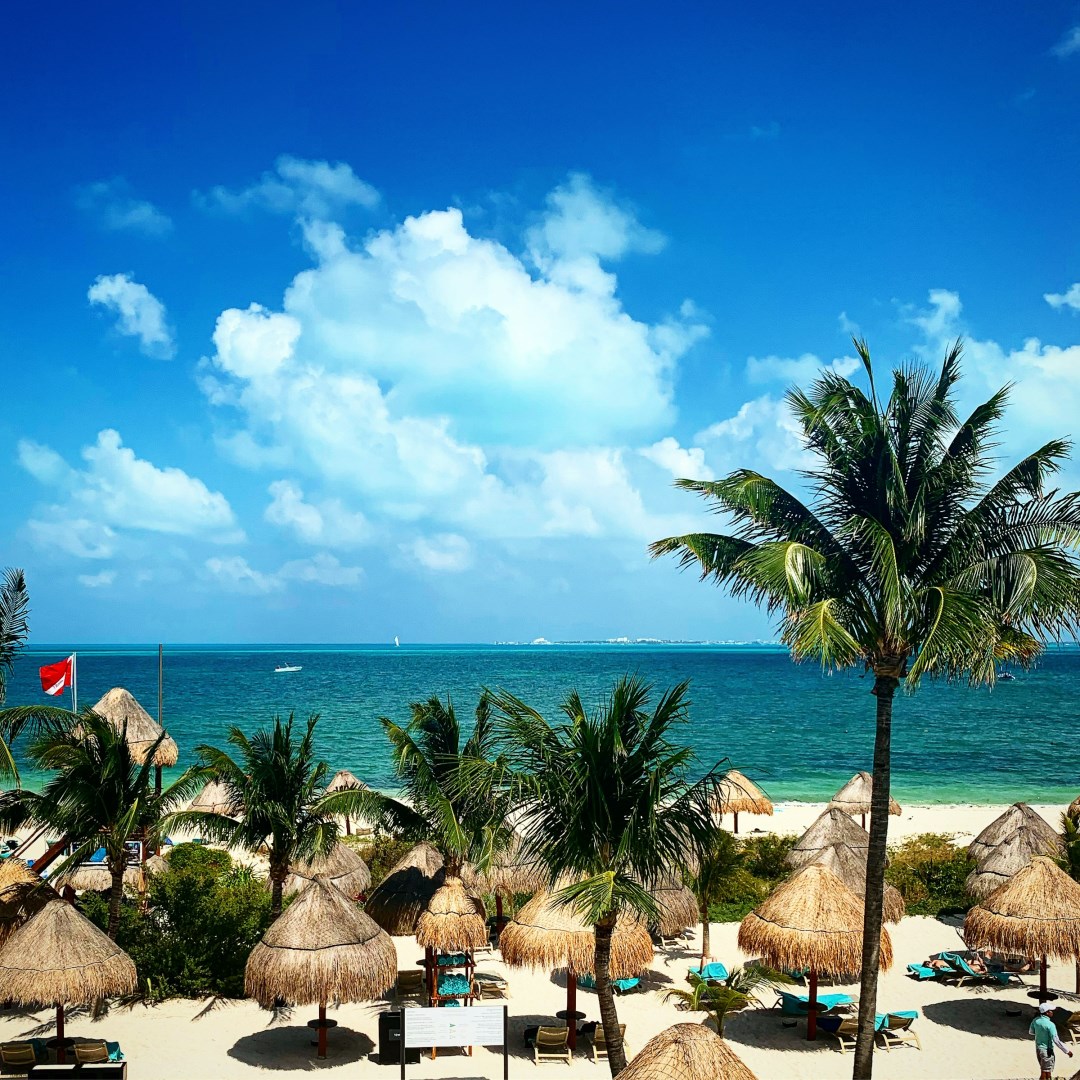
Cancún sits on the northeastern tip of Mexico’s Yucatán Peninsula, where the Caribbean Sea meets a narrow stretch of sand shaped by ancient Maya trade routes and modern development. While widely known as a resort destination, Cancún’s roots trace back to a quiet fishing area near important pre-Hispanic sites, with nearby Isla Mujeres and the mainland serving as part of a broader coastal network connected to inland Maya cities.
Isla Mujeres
North of Cancun, the island was first discovered by the Spanish in the 1500's. It has numerous Mayan ruins, many badly eroded. It is also a sanctuary for sea turtles.

Cape Cod
Cape Cod, Massachusetts, is a captivating destination known for its scenic beauty and charming coastal villages. Stretching out into the Atlantic Ocean, Cape Cod offers a quintessential New England experience with its pristine beaches, historic lighthouses, and quaint towns. A visit to the Cape Cod National Seashore is a must, where visitors can explore miles of sandy shores, salt marshes, and tidal flats.

Norway
Norway offers a landscape shaped by glaciers, framed by fjords, and steeped in Viking history. The country's coastline stretches for over 100,000 kilometers if you count every inlet and island, which makes it one of the longest in the world. Travelers can take a ferry through the Geirangerfjord or cruise along the Lofoten Islands, where steep mountain peaks rise dramatically from the sea. These routes aren’t just scenic; they’ve been lifelines for coastal communities for centuries.
