
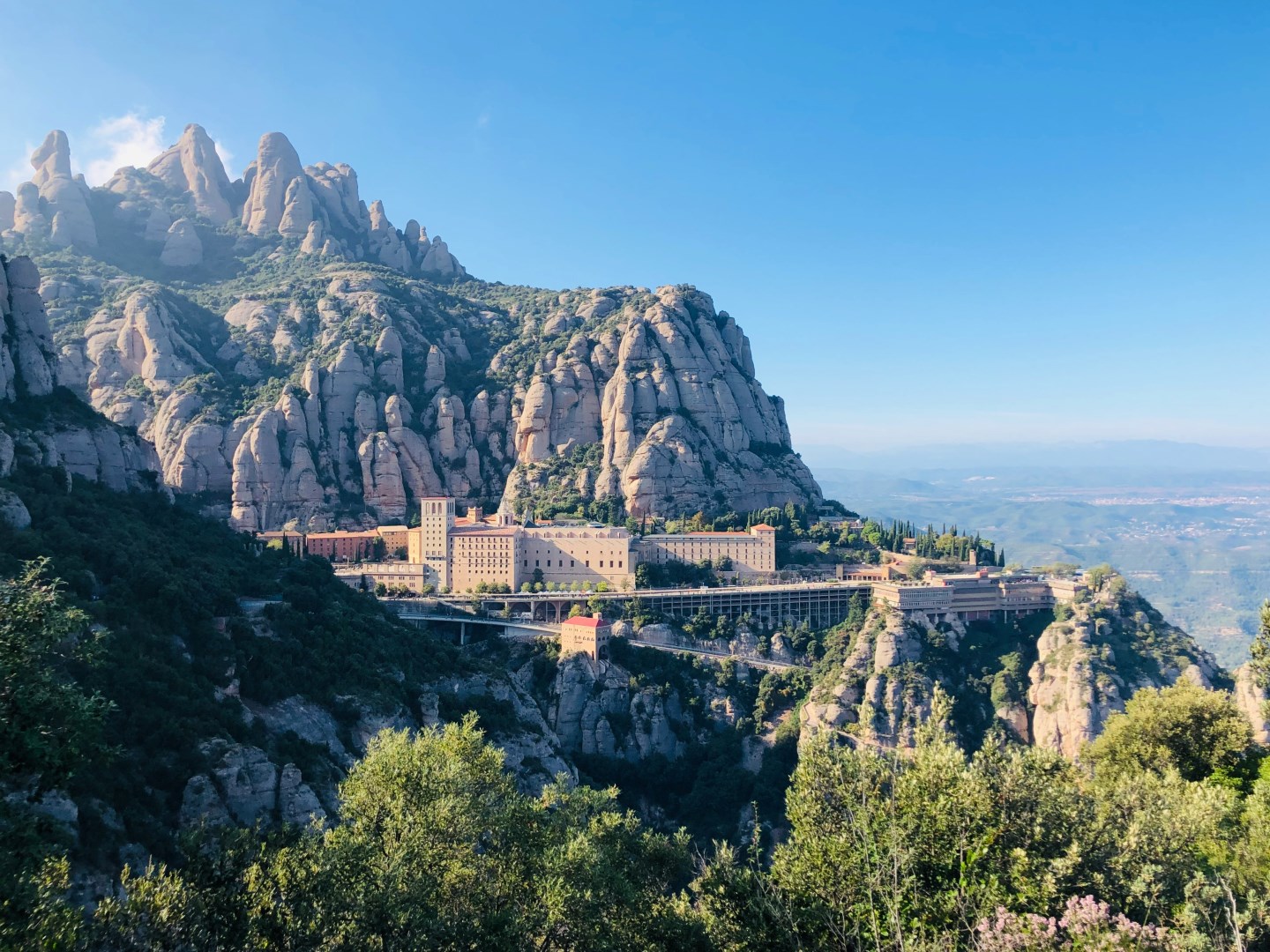
Montserrat
Montserrat Mountain rises sharply from the plains of Catalonia, its jagged rock shapes visible from far away. The mountain is known for its unusual rounded peaks and narrow ridges, formed into striking forms that look almost carved by hand. Trails and cable cars lead visitors upward from nearby villages such as Monistrol de Montserrat, where the climb quickly reveals wide views across the region, stretching toward Barcelona on clear days.
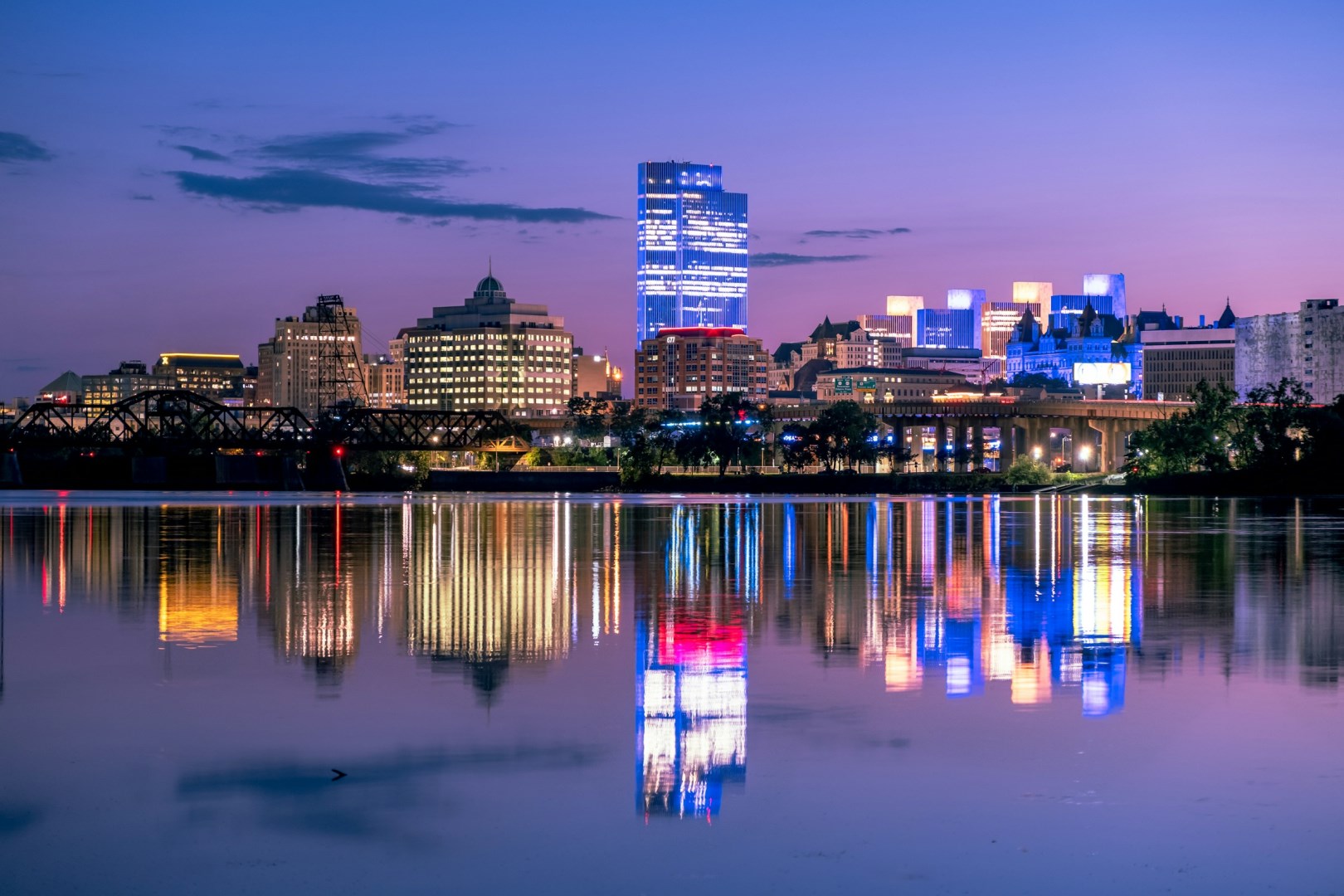
Albany
Albany is the capital of the state of New York. Albany is noted for the Empire State Plaza, which houses government buildings and the New York State Museum.

Fayetteville
With a population of 125,000, the All-America City of Fayetteville ranks as the sixth largest municipality in North Carolina. In 1949, Fayetteville adopted the council/manager form of government. Under this form of government, citizens are both stockholders and customers, the elected body represents the board of directors, and the manager is the paid professional responsible for the daily operations of the corporation.
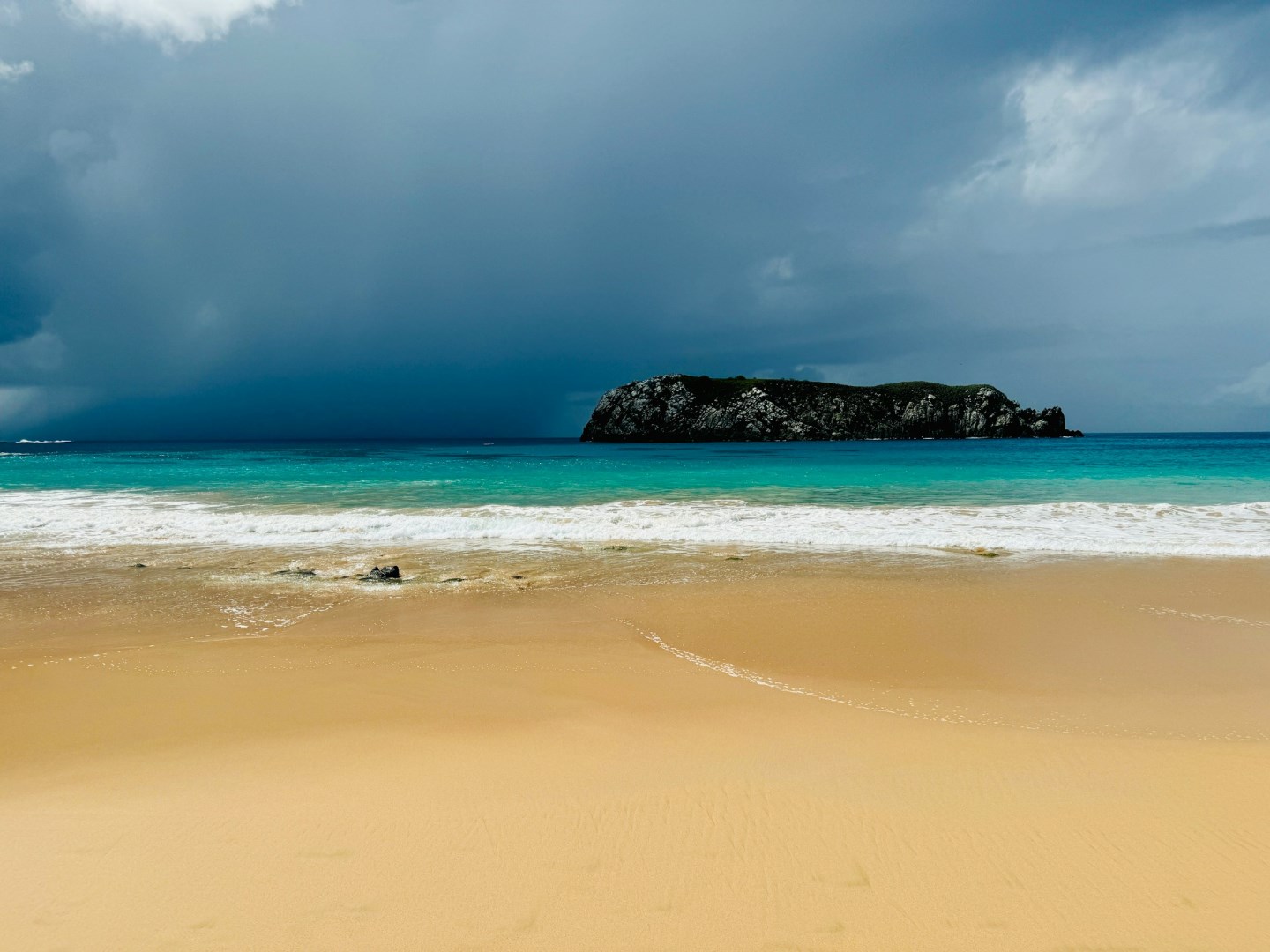
Fernando de Noronha
Fernando de Noronha is a volcanic archipelago in the Atlantic Ocean, belonging to the Brazilian state of Pernambuco. The archipelago consists of 21 islands and islets, with only the main island permanently inhabited. Much of the land and surrounding sea is protected through the Fernando de Noronha Marine National Park and the Fernando de Noronha Environmental Protection Area.

Vanuatu
Vanuatu, a chain of 83 islands in the South Pacific, offers travelers an experience that’s both bold and deeply rooted in custom. Once known as the New Hebrides, Vanuatu blends ancient Melanesian traditions with dramatic landscapes shaped by volcanic activity. On Tanna Island, visitors can stand at the rim of Mount Yasur, one of the world’s most accessible active volcanoes, and watch fiery eruptions light up the night sky.
