
Luzon
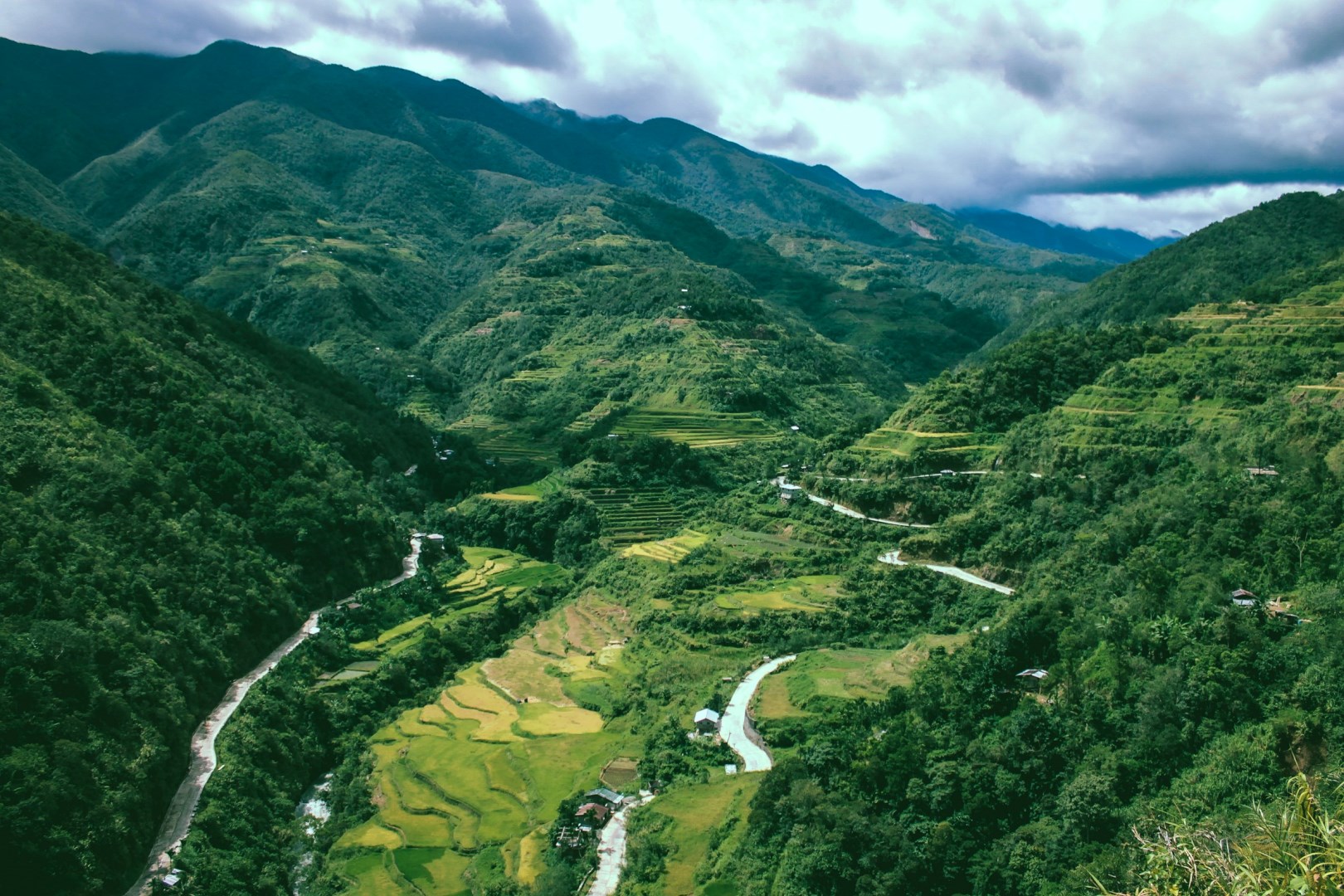
Luzon is the 15th largest island in the world, and the most populous island in the Philippines, home to 53 million people and the country’s capital, Manila. Luzon boasts a unique and eye-catching topography, with a variety of terrains and distinct geographical features. The north’s flat coastline and tropical pine forests meet at the site of Mount Pulag, Luzon’s tallest mountain peak.

Mâcon
Mâcon is a riverside town in the Saône et Loire department of southern Burgundy, set where the Saône River curves gently through the countryside. Walking through the town naturally leads visitors from the riverfront toward its historic streets, where the past seems to linger in every corner. In the heart of Mâcon’s historic district, pedestrians find streets lined with notable sites.
Lewa Wildlife Conservancy
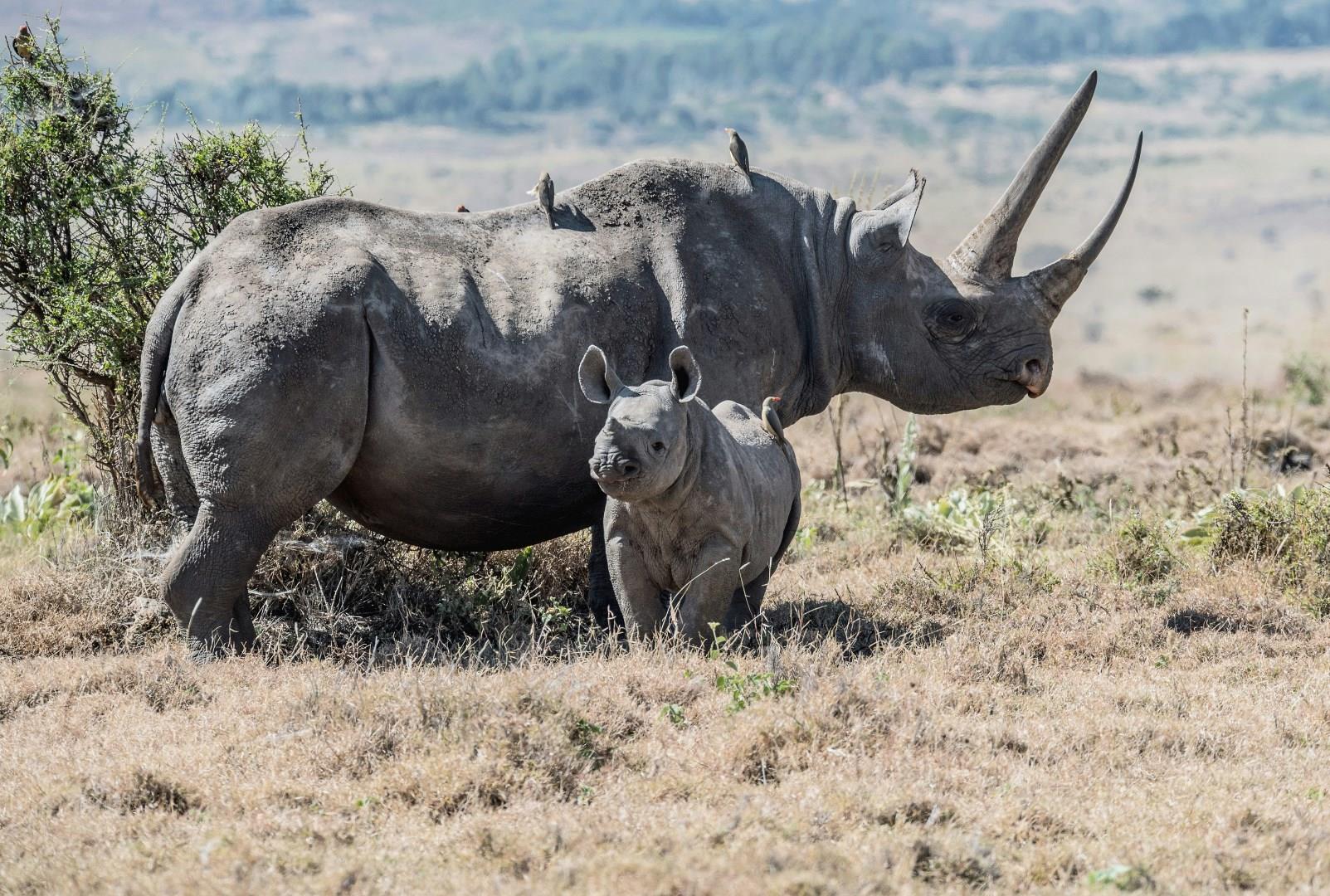
Lewa Wildlife Conservancy lies in northern Kenya at the foothills of Mount Kenya, where open savannah, wooded hills, and seasonal rivers create a varied and striking landscape.

Taha'a
Sharing a common lagoon with Raiatean and accessible only by boat, Taha'a produces about 80% of all vanilla in French Polynesia. Taha'a is the only island in the Society Islands that can be completely circled by boat inside the protected lagoon.

Sitka
Sitka is a coastal community on Baranof Island in Southeast Alaska, set between the forested slopes of the Alexander Archipelago and the waters of Sitka Sound. The city has a compact waterfront setting surrounded by temperate rainforest, islands, mountains, and productive marine waters. Sitka's location gives it a strong connection to fishing, boating, wildlife, and outdoor recreation, while its streets and historic buildings reflect both Tlingit and Russian influences.
