
Liège
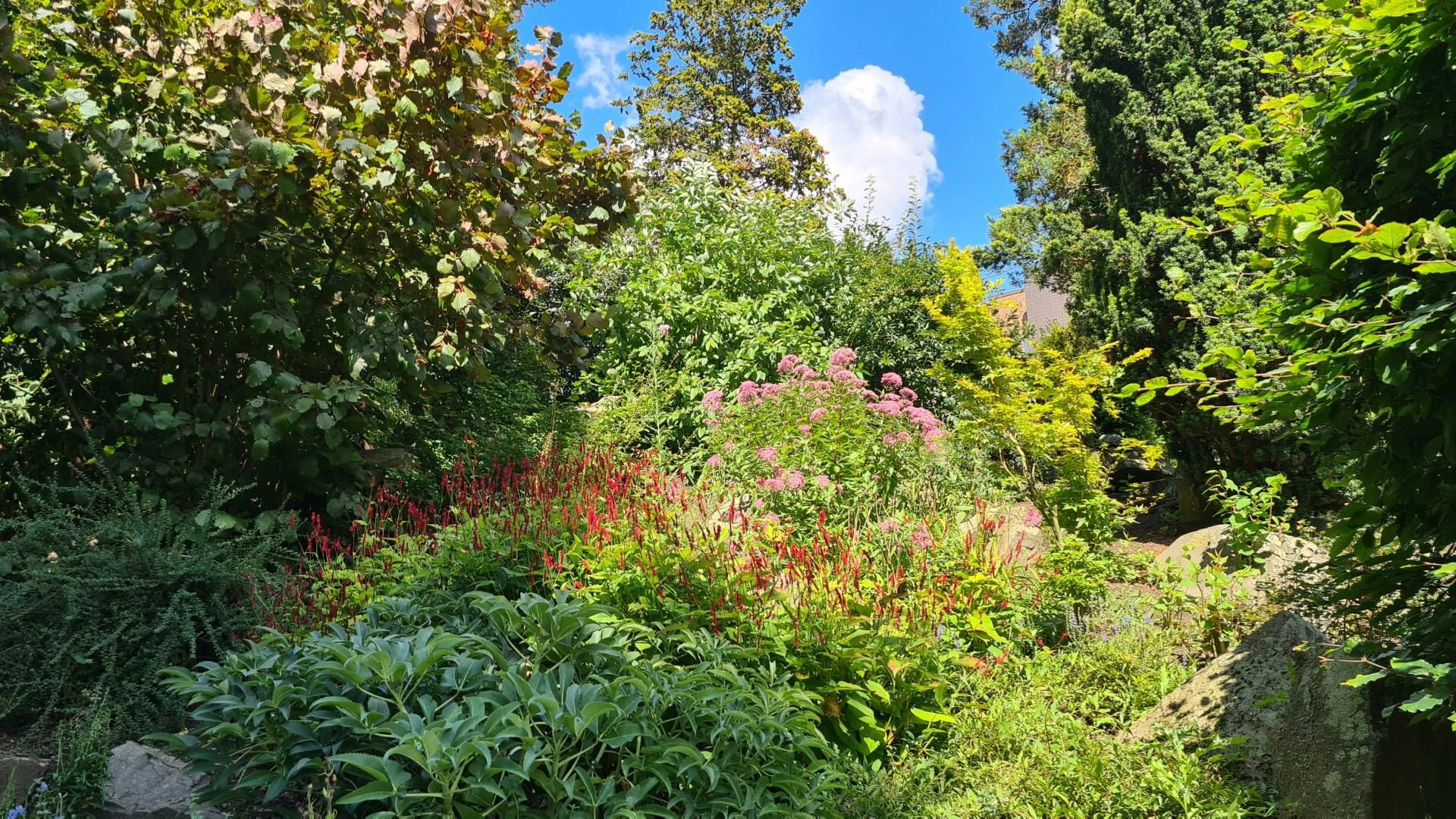
Liège, located along the Meuse River in eastern Belgium, is a city shaped by industry, resilience, and an independent spirit that dates back centuries. Once the capital of a powerful prince-bishopric, Liège has always done things its own way and is lived-in and layered with working neighborhoods, student cafés, and markets that tell the city’s real story. Every Sunday, locals gather at La Batte, one of the oldest and largest outdoor markets in Belgium.
Erg Chebbi
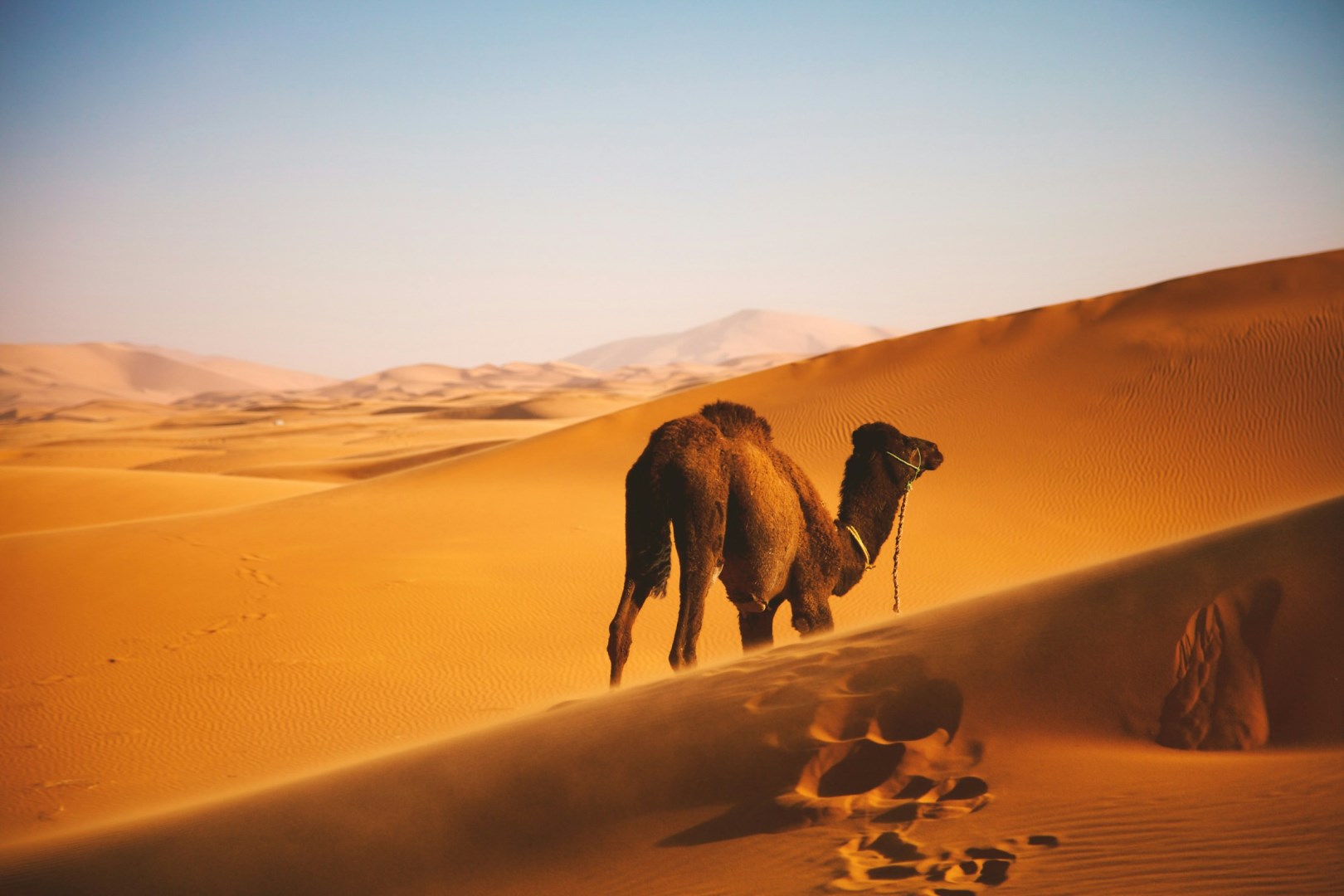
Erg Chebbi is a large field of wind-shaped sand dunes in southeastern Morocco, near the village of Merzouga in the Drâa-Tafilalet region. It forms one of Morocco’s best-known Sahara landscapes, rising abruptly from the surrounding rocky desert. The dunes stretch for roughly 28 kilometres from north to south, with some of the highest crests reaching about 150 metres. Their deep orange and golden tones change noticeably with the position of the sun.
Wilderness
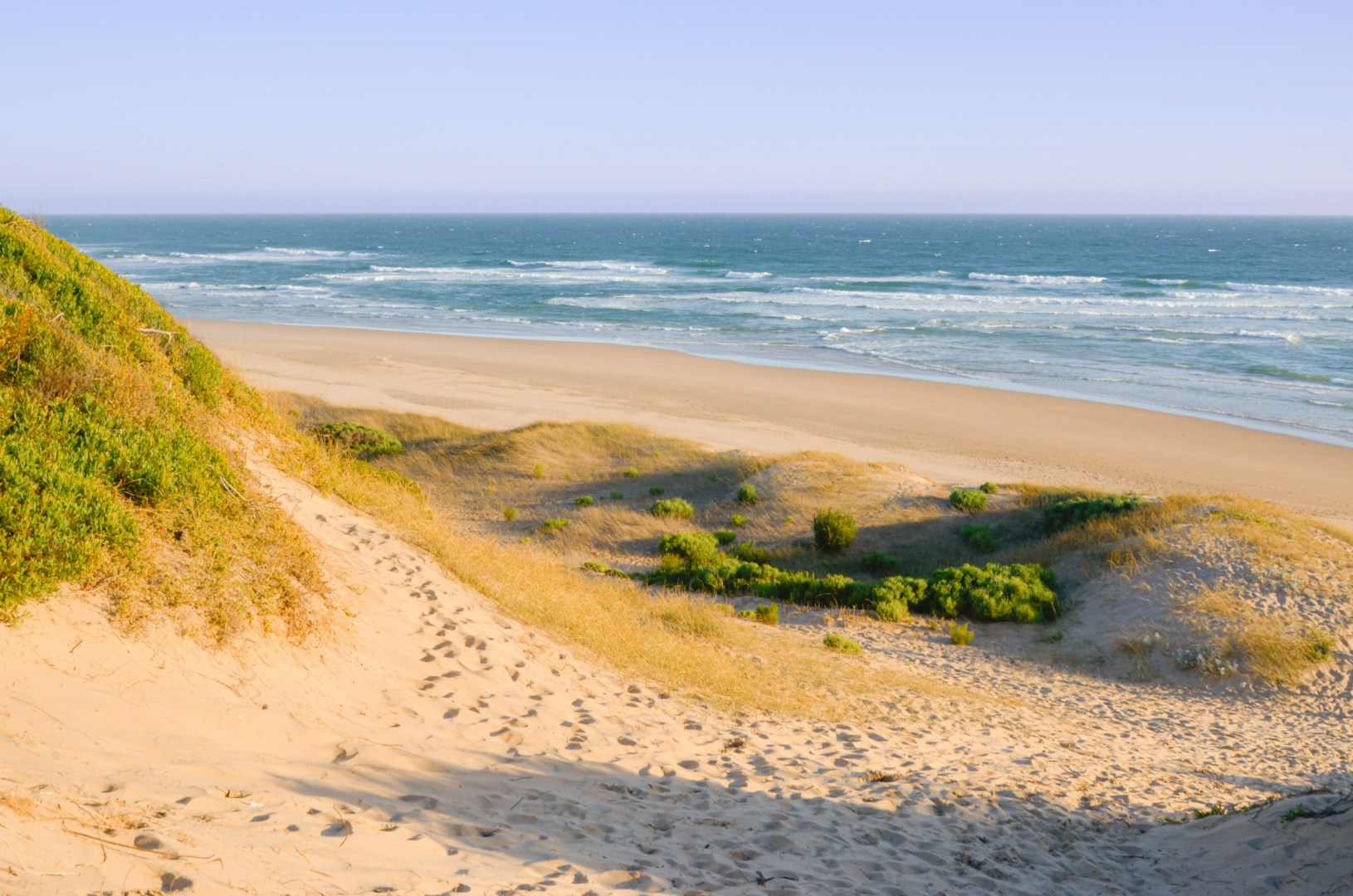
A seaside resort a few miles east of George. Known for its wonderful beaches backed by northward cliffs giving the area a sense of peace and tranquility.

Grand Canyon
Stretching 277 miles in length and more than a mile deep, this vast canyon reveals layers of geologic time stacked like pages in a book. Standing on the South Rim, visitors can look out over colorful cliffs and winding trails that have drawn explorers, artists, and travelers for generations. The views change with the light starting with crimson at sunrise, golden at sunset, and every hue in between.
Peso da Régua
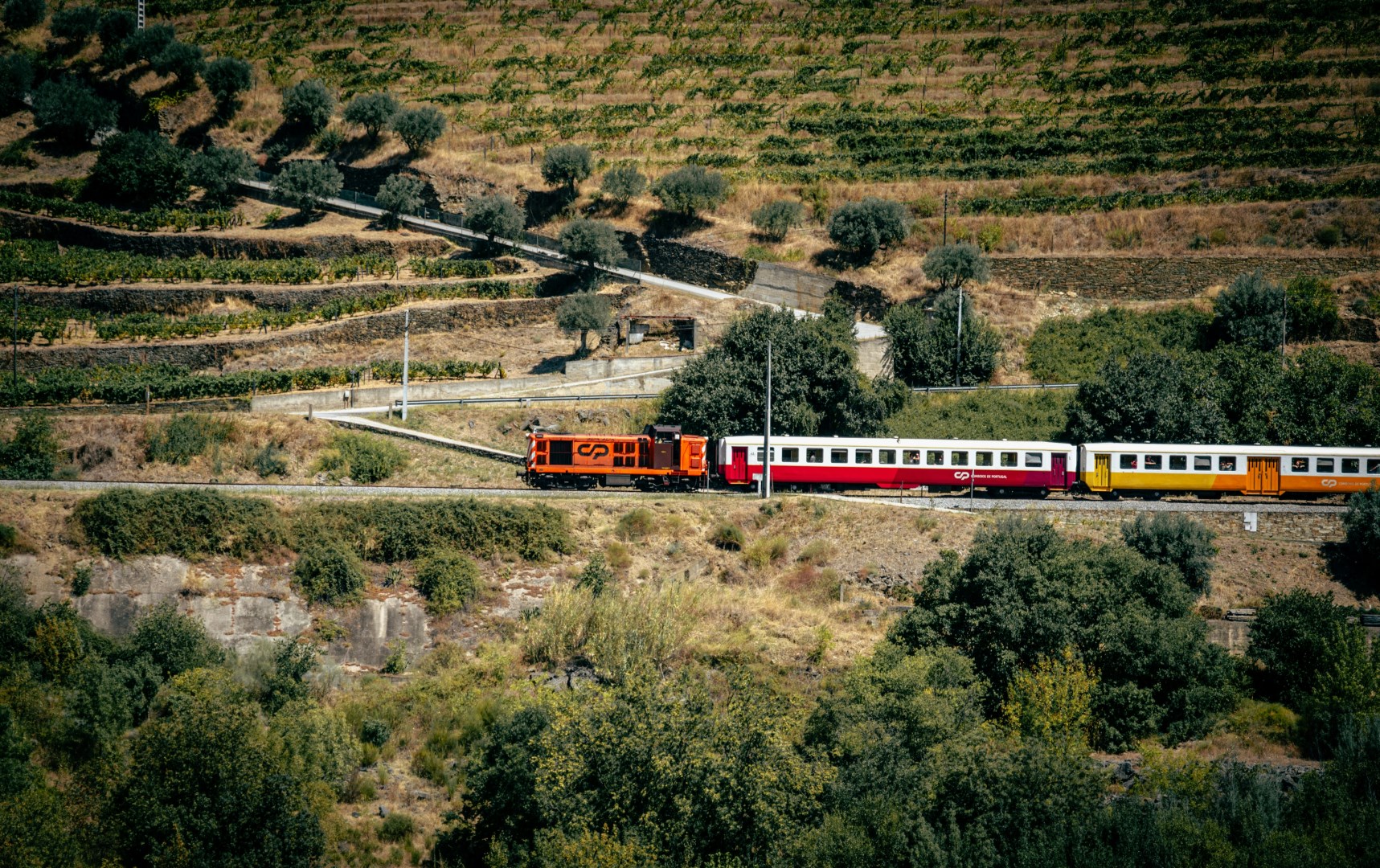
Peso da Régua, often called the gateway to Portugal's Douro Valley, sits along the banks of the Douro River and is surrounded by steep, terraced vineyards. The town has long been central to the production of the world-famous Port wine, and visitors can explore the rolling hills covered with neatly arranged grapevines that climb dramatically from the river’s edge. The town itself offers a quiet riverside charm, with narrow streets, historic buildings, and scenic viewpoints.
