

Dominica
Dominica, known as the “Nature Island of the Caribbean,” is a haven for eco-tourists and adventure seekers. Nestled between the French islands of Guadeloupe and Martinique, this lush island boasts a remarkable landscape of volcanic mountains, dense rainforests, and stunning waterfalls. Dominica’s most iconic natural wonder is the Boiling Lake, the second-largest hot spring in the world.
Pigeon Island
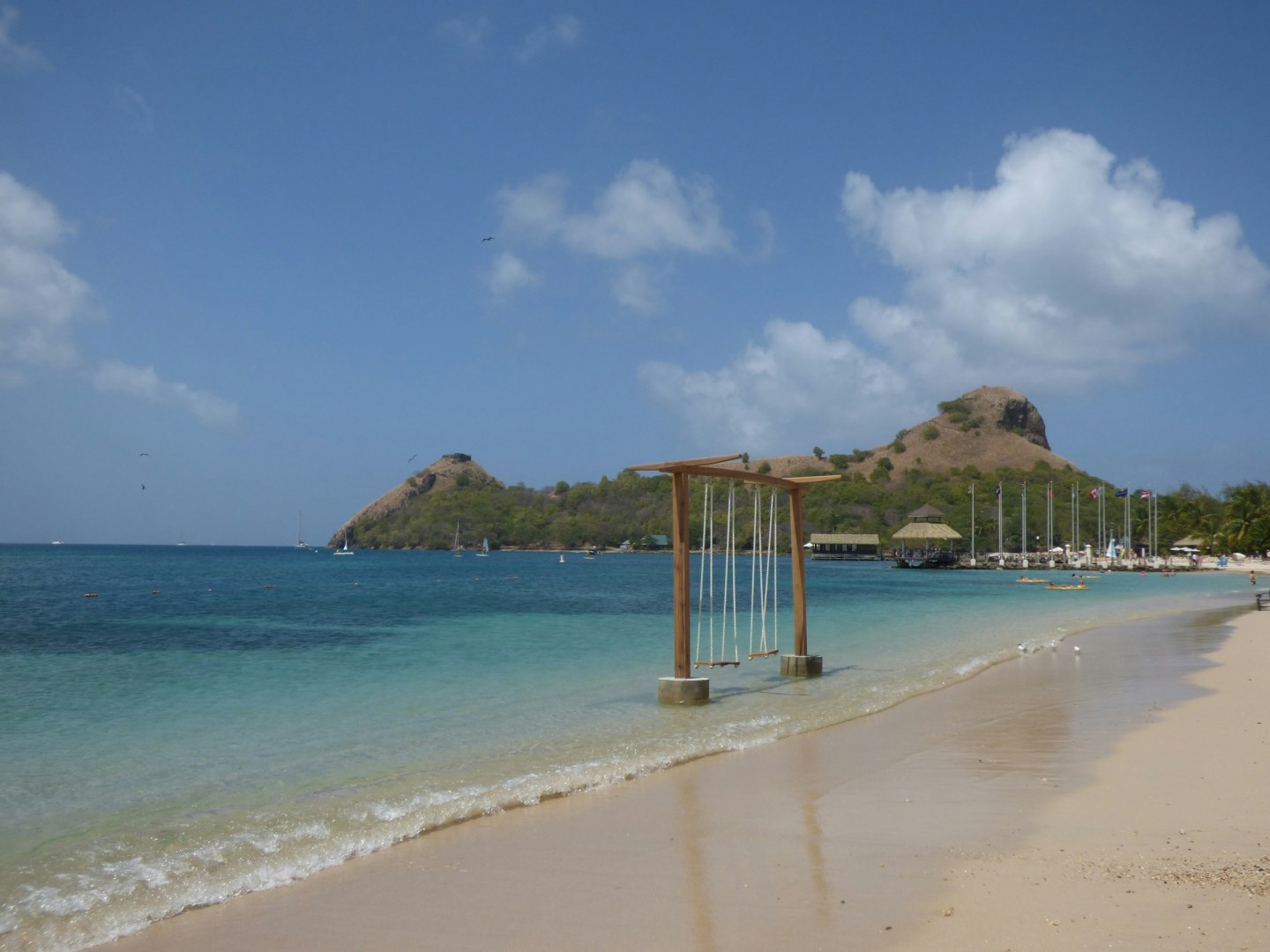
Pigeon Island National Landmark is a historic coastal site on the northwest tip of Saint Lucia, set beside Rodney Bay and connected to the mainland by a causeway. Once a separate island, it now forms part of the island’s northern landscape and combines low hills, dry coastal vegetation, rocky shoreline, and sandy beaches. The site is known for its walking trails and elevated viewpoints, including Signal Peak and Fort Rodney. From the higher ground, visitors can see across Rodney Bay, the Caribbe

Bequia
Bequia, the largest of the Grenadines, is a hidden gem in the Caribbean Sea that captivates visitors with its unspoiled beauty and warm, welcoming atmosphere. Often described as the "island in the clouds," Bequia (pronounced "Bek-way") offers a tranquil escape where turquoise waters meet lush green hills. The island's charm lies in its simplicity—no sprawling resorts or crowded beaches, just a peaceful haven where time seems to stand still.
Benguerra Island
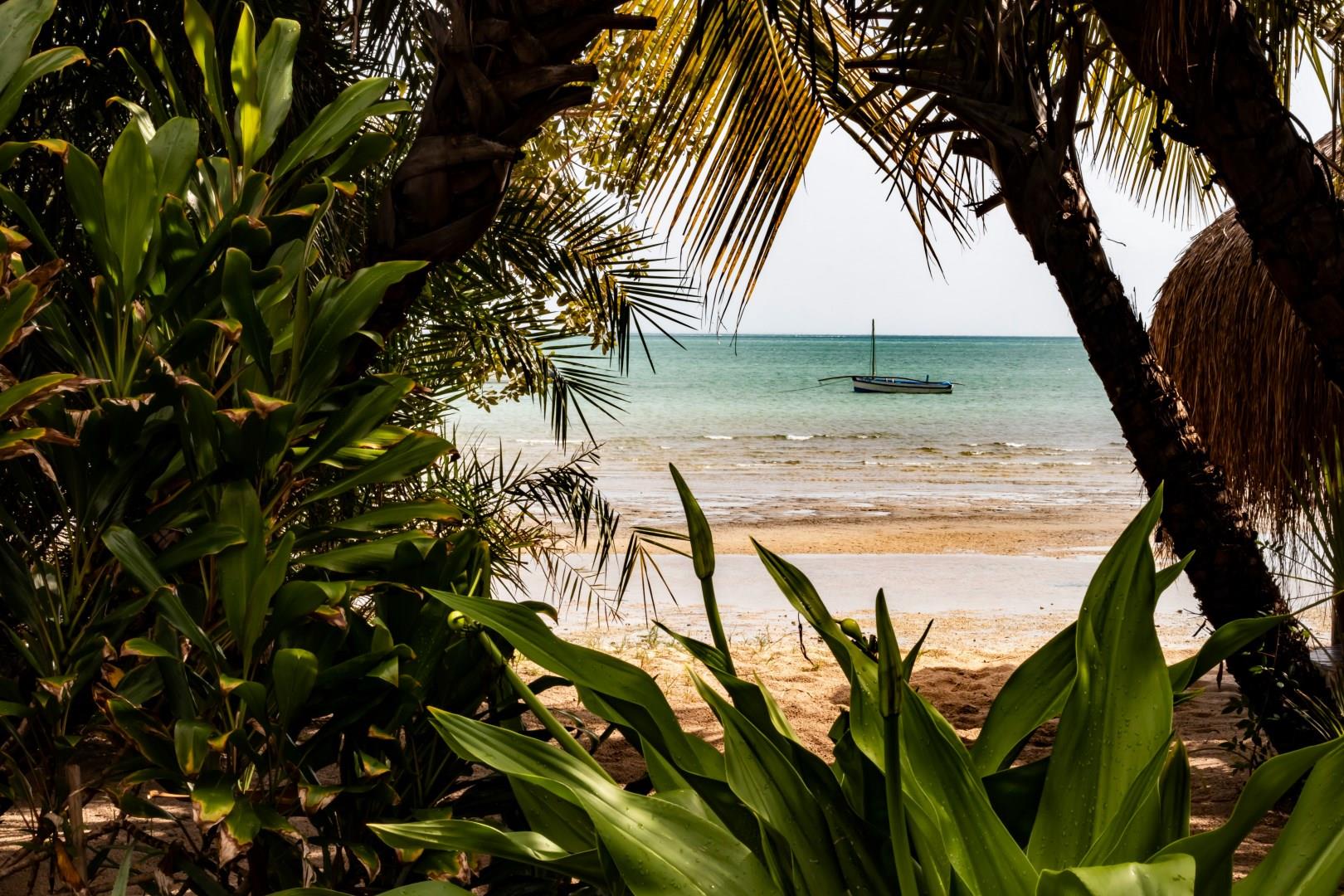
Benguerra Island, part of Mozambique’s Bazaruto Archipelago, is a tropical paradise known for its pristine beaches, turquoise waters, and rich marine life. Accessible by boat from Vilankulo, the island offers a secluded retreat where visitors can enjoy sun-soaked sandbanks, coral reefs, and the gentle sway of palm trees. Its small size and limited development help maintain an intimate atmosphere that feels far removed from bustling tourist hubs.
Kuwait City
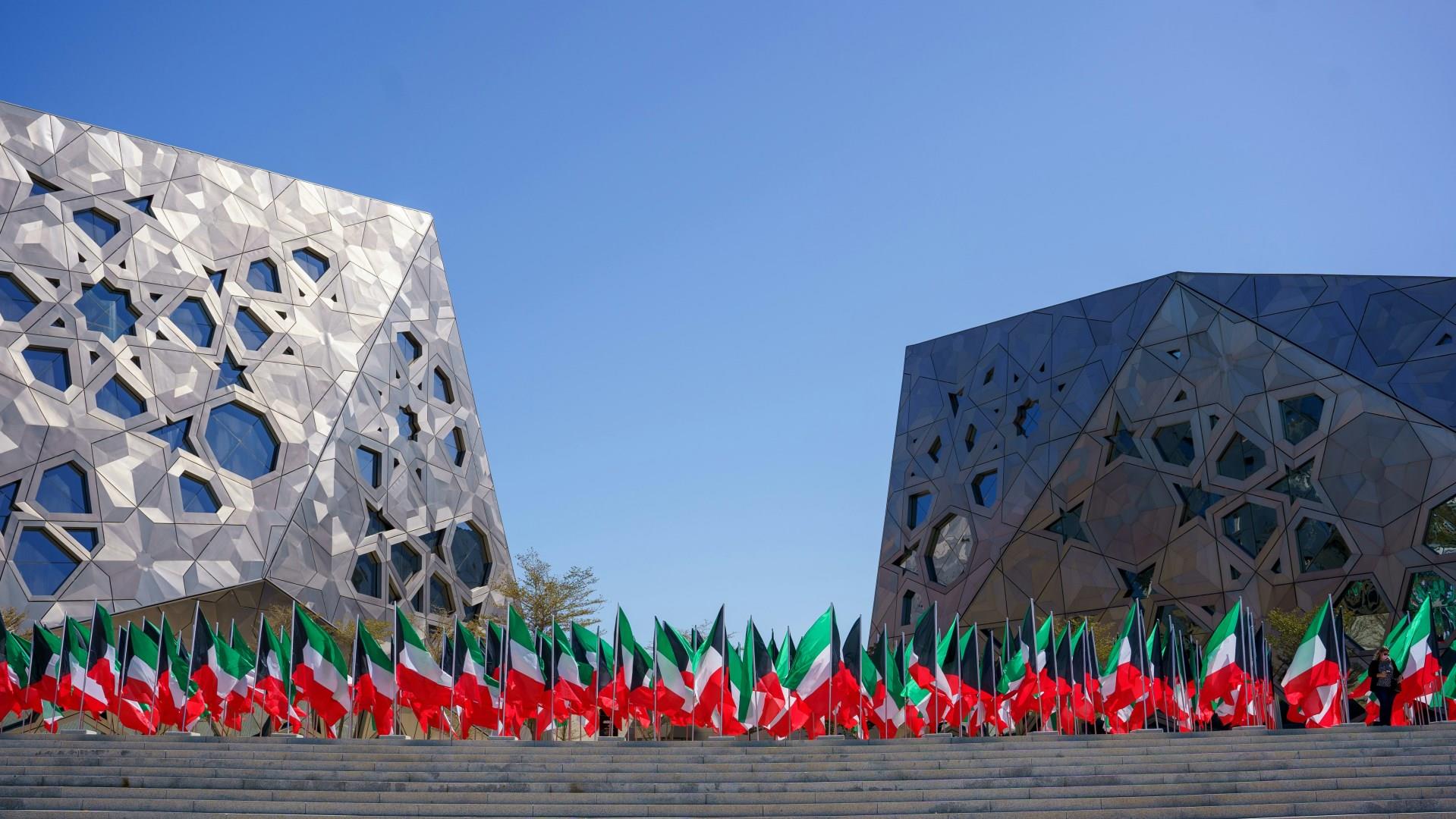
Kuwait City began as a modest fishing village and has evolved into a modern metropolis. The city's history is deeply rooted in its maritime heritage. The Dhow Harbour in Kuwait City offers a captivating glimpse into the nation's rich maritime past. Historically, dhows were essential for trade, fishing, and pearl diving, shaping Kuwait's economic and cultural identity. Today, the harbor remains a vibrant testament to this legacy, housing a variety of traditional wooden ships.
