

Naples
Situated between magnificent Mount Vesuvius and the glittering Tyrrhenian Sea, Naples is the perfect destination for history and archaeology aficionados and lovers of savory Italian eats. Marvel at the ruins of Pompeii and Herculaneum, explore the San Gennaro Catacombs, and end your day with authentic Neapolitan pizza.
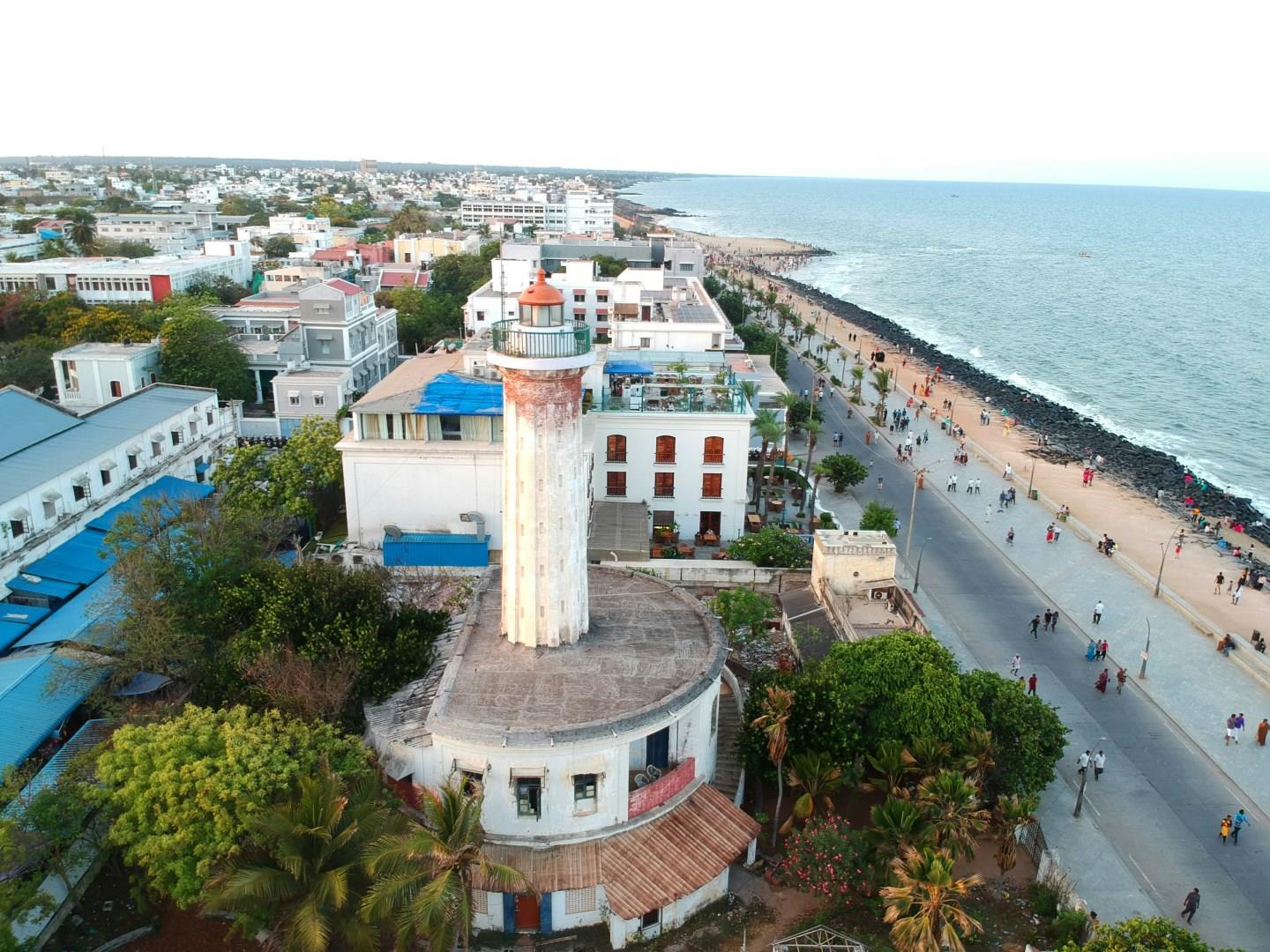
Pondicherry
Pondicherry is a coastal town in southern India that still carries traces of its French colonial past. The French Quarter, or White Town, is filled with mustard-yellow buildings, iron-laced balconies, and streets with French names. Visitors can explore this area on foot or by bicycle, stopping at spots like the 18th-century Eglise de Notre Dame des Anges, built in Greco-Roman style, or the French Consulate, which continues to operate from a colonial-era building.

Falkland Islands
The Falkland Islands, a remote archipelago in the South Atlantic, offer a striking combination of wild open spaces, rich wildlife, and a way of life shaped by wind, sea, and resilience. With fewer than 3,500 residents spread across over 700 islands, the Falklands provide a rare opportunity to disconnect from busy modern life and connect with wide skies, rugged coastlines, and some of the most accessible wildlife experiences on the planet.

Cody
Cody, Wyoming, is a gateway to the American West, known for its connection to the legendary Buffalo Bill Cody and the pioneering spirit of the region.

Ottawa
Ottawa, the charming capital of Canada, offers a unique blend of history, culture, and modernity. Nestled along the scenic Ottawa River, the city is home to the iconic Parliament Hill, where the Gothic Revival architecture of the Parliament Buildings stands majestically above the riverbanks. Visitors can witness the ceremonial Changing of the Guard in the summer or explore the Peace Tower for panoramic views of the city.
