
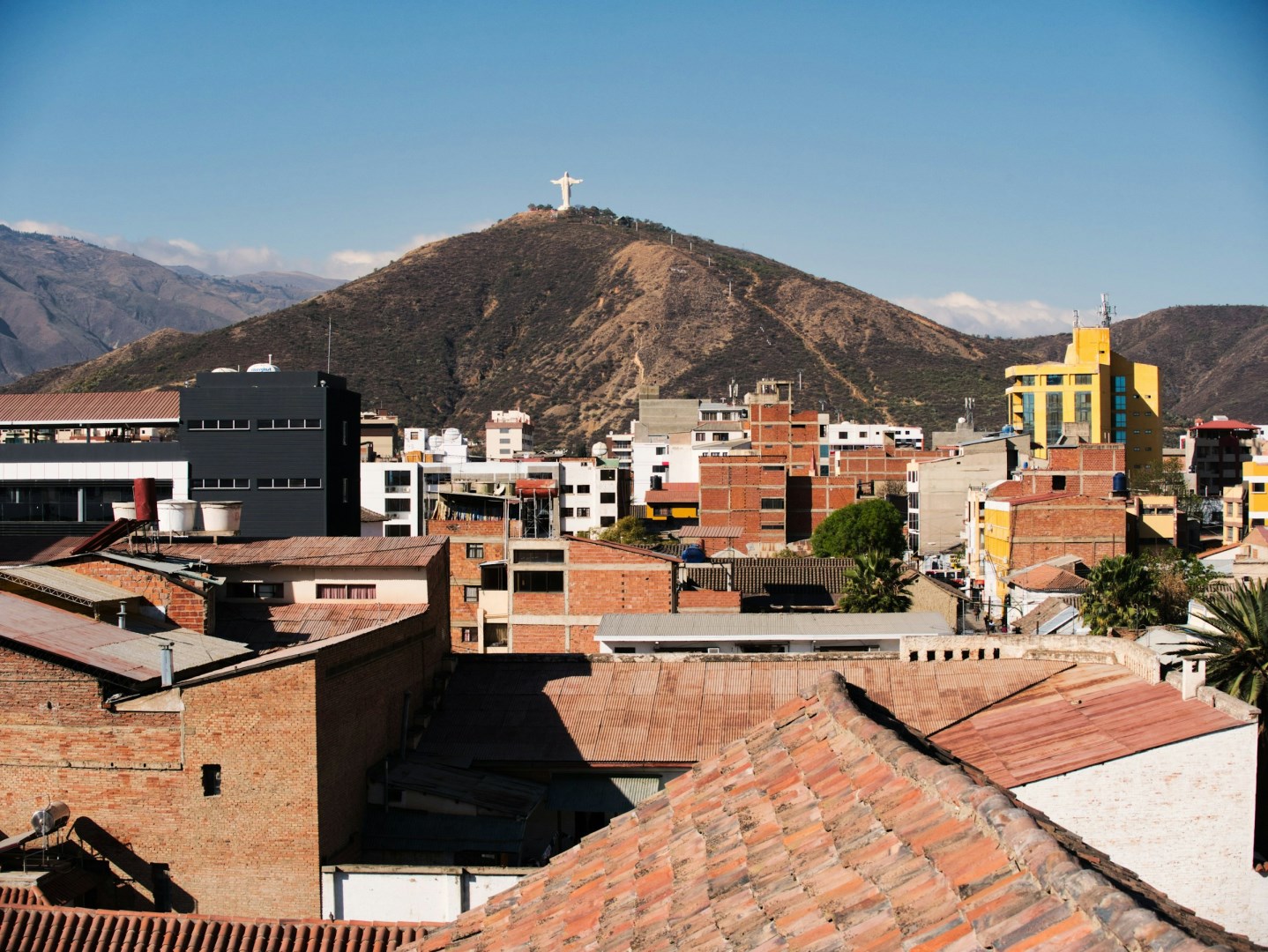
Cochabamba
Bolivia's third largest city, it lies high in the valley of Cordillera Oriental. It is an agricultural hub of the country, especially for grains. Founded in 1574 by a conquistador, it is the home of an excellent archeological museum.

Ancona
Ancona, perched on the Adriatic coast of Italy, is a vibrant port city with a rich historical tapestry and stunning seaside vistas. As the capital of the Marche region, Ancona boasts a captivating blend of ancient and modern charm. The city’s historical heart is evident in landmarks like the Roman Arch of Trajan, which stands as a testament to Ancona’s significance during Roman times.
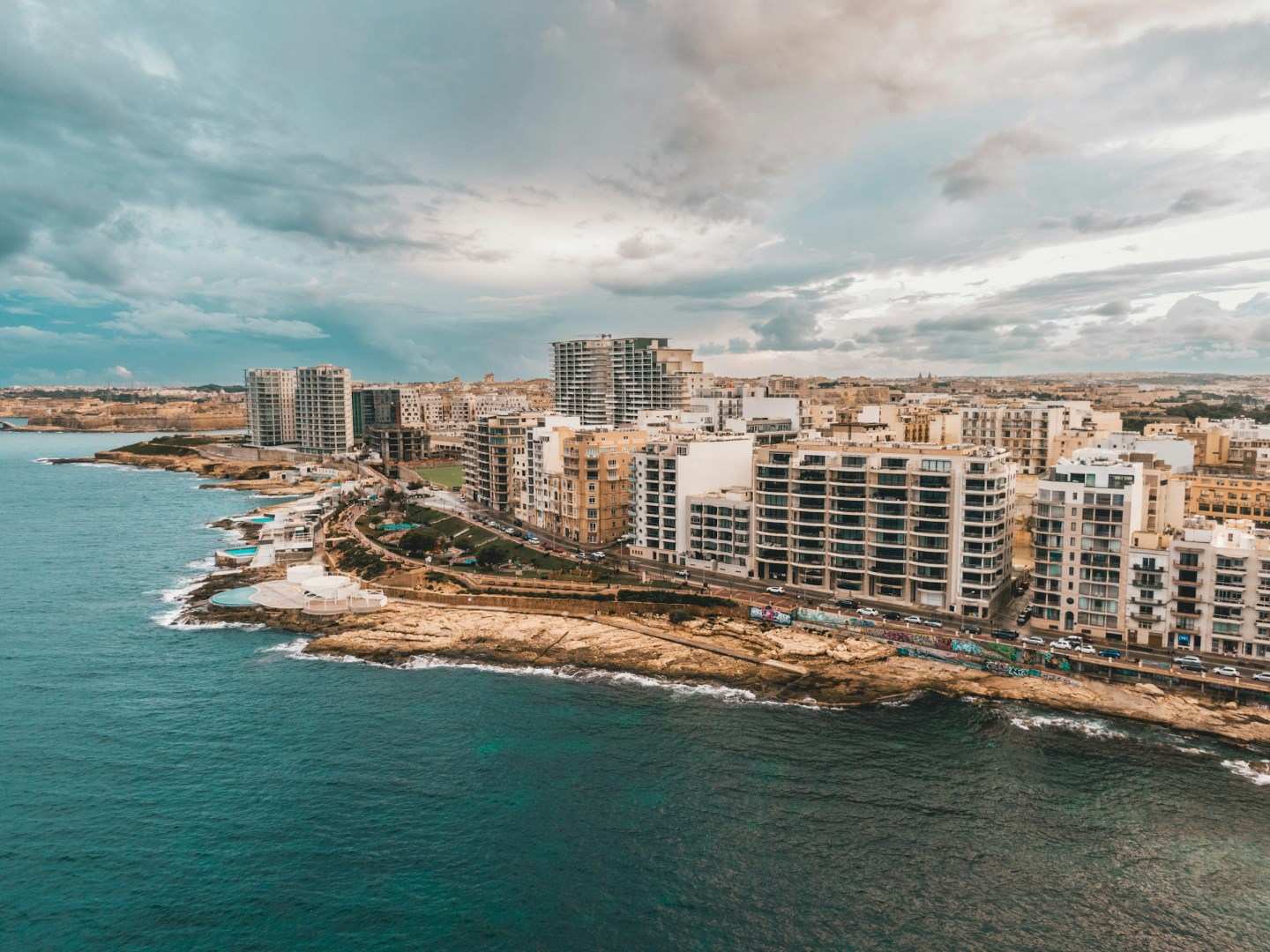
Sliema
Sliema is a coastal town on Malta’s northeastern shore, facing Valletta across Marsamxett Harbour. Once a small fishing community, it has developed into one of Malta’s main residential, commercial, and waterfront areas. The coastline is lined with apartment buildings, hotels, cafés, shops, and a long promenade that follows the rocky shore toward neighboring St Julian’s. Views across the water include Valletta’s fortified skyline, the domes and bastions of the historic capital, and the entrances

Agra
Once the capital of the Mughal Empire, Agra, India is now a cultural capital replete with famous landmarks and striking architecture. The city’s most prominent draw is the magnificent Taj Mahal, the iconic white marble mausoleum and a UNESCO World Heritage Site visited by millions of people each year.
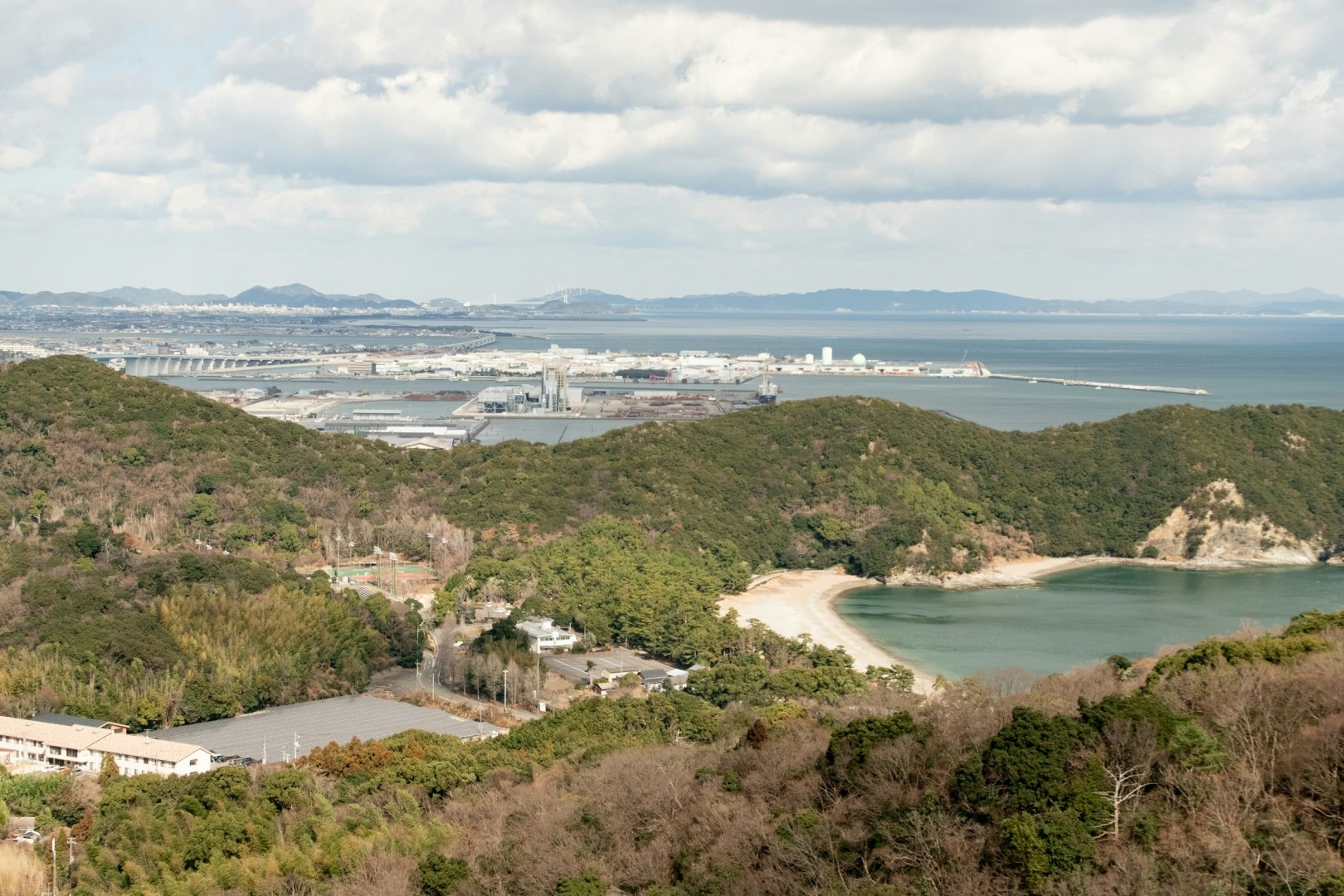
Tokushima
Tokushima is the capital of Tokushima Prefecture on the eastern side of Shikoku, where several rivers meet the sea and mountains rise beyond the urban area. The city is closely identified with Awa Odori, a traditional dance that fills streets with performers and musicians during its annual festival. Tokushima also serves as a useful base for exploring the wider prefecture, including the Naruto Strait, the Iya Valley, and sections of the Shikoku pilgrimage.
