
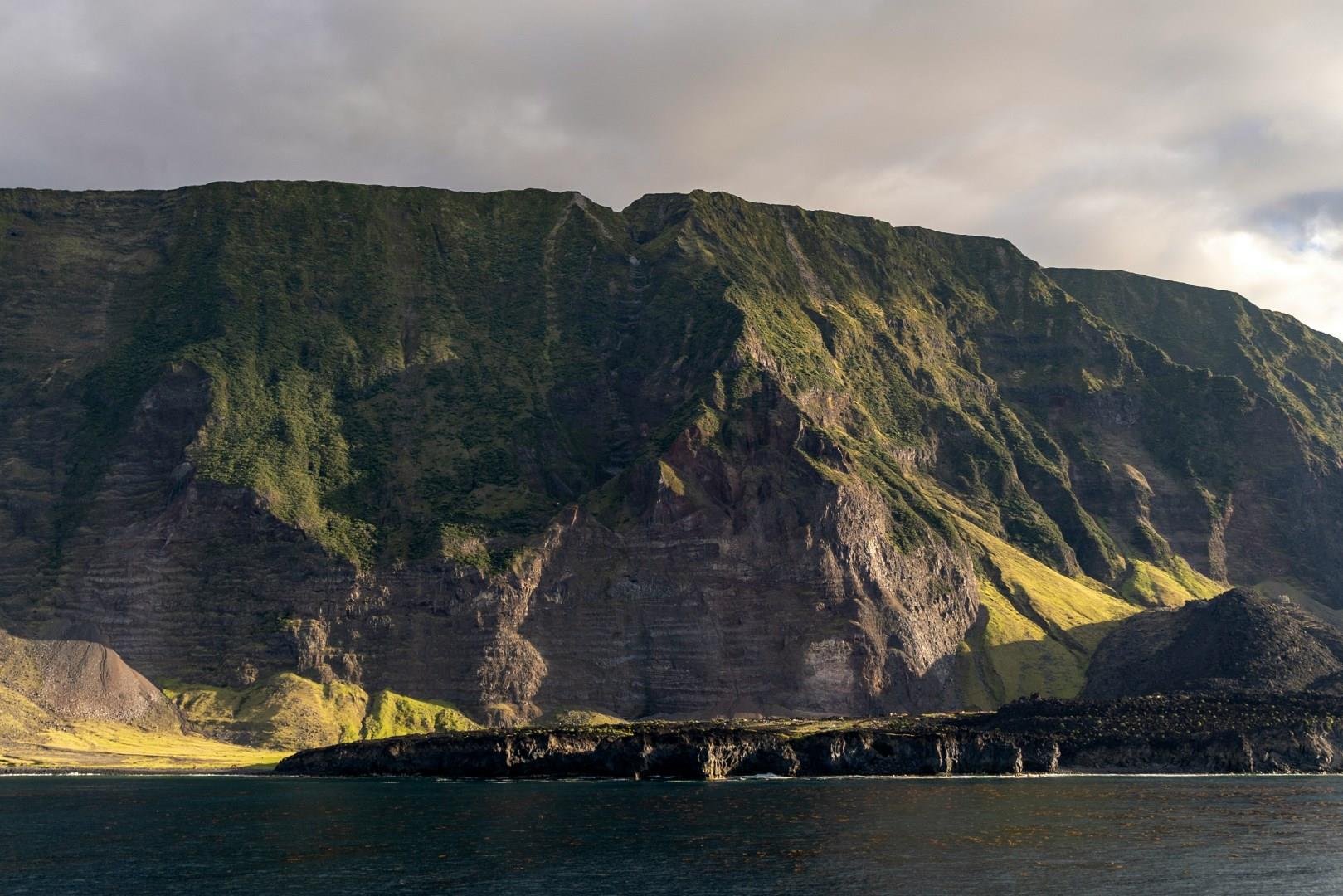
Tristan da Cunha
Tristan da Cunha is a remote volcanic island in the South Atlantic Ocean, forming part of a small archipelago along with Inaccessible Island and Nightingale Island. Known as the most isolated inhabited island in the world, it is accessible only by a week-long boat journey from South Africa.
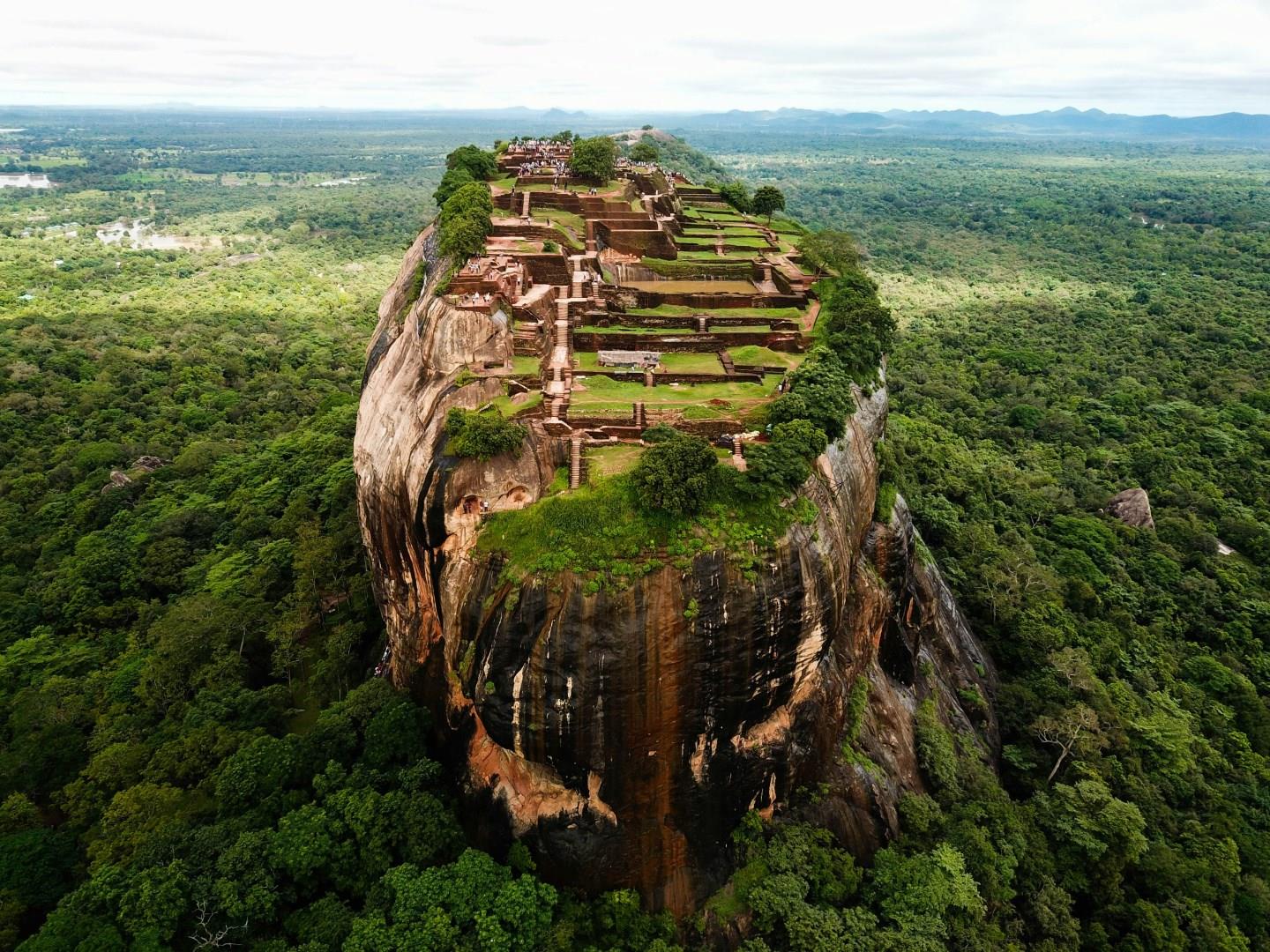
Sigiriya
Sigiriya, in central Sri Lanka, is an ancient rock fortress and one of the country’s most iconic archaeological sites. Rising nearly 200 meters from the surrounding plains, the massive granite column is crowned by the ruins of a royal palace built in the 5th century CE by King Kasyapa.
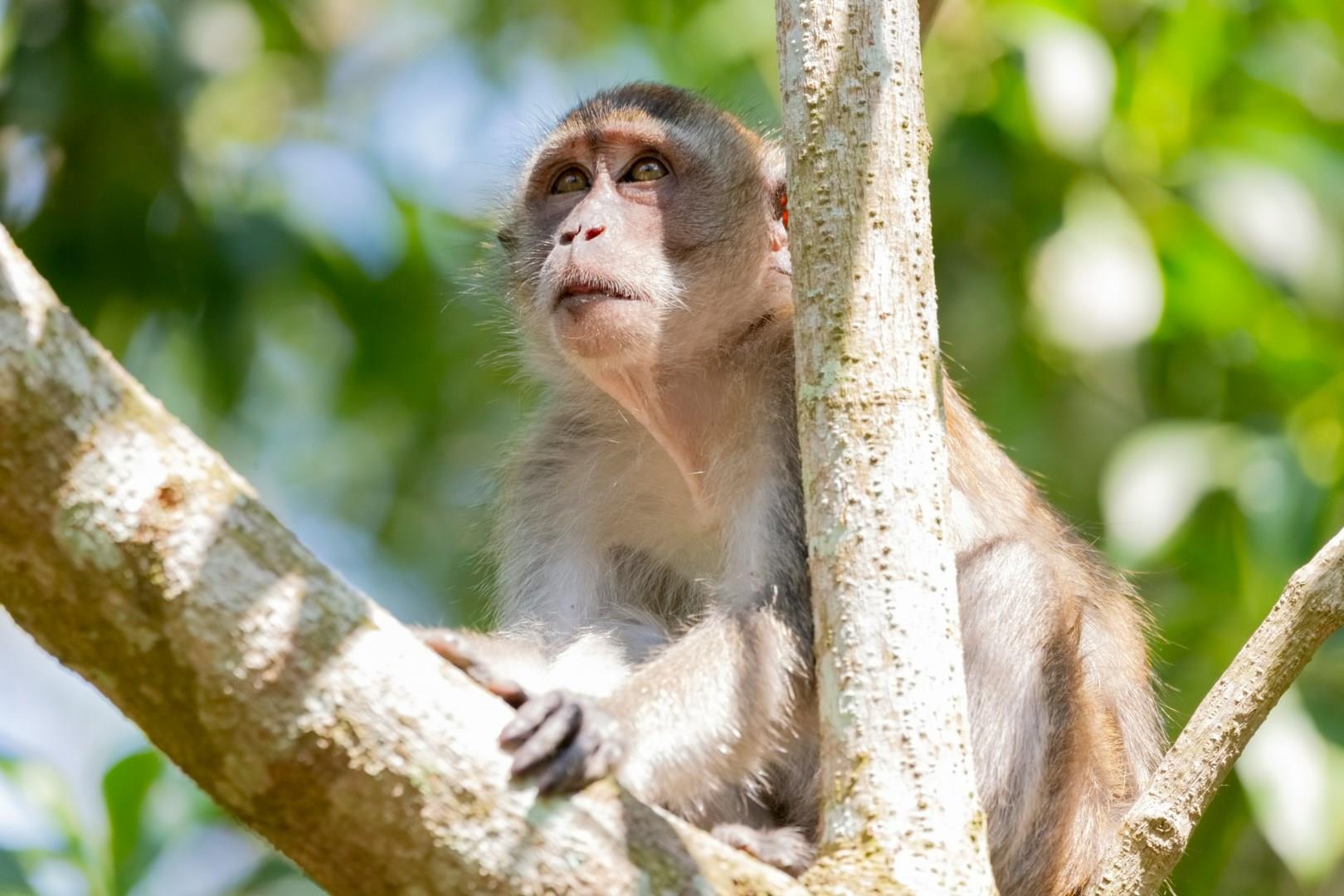
Pulau Ubin
Pulau Ubin, an island northeast of mainland Singapore, offers a glimpse into the country’s past with its preserved kampong (village) atmosphere and rustic landscapes. Unlike the modern cityscape of Singapore, Pulau Ubin retains its traditional charm, with wooden houses, coconut palms, and unpaved roads where bicycles are the main mode of transport.

Guernsey
Guernsey, the second-largest of the Channel Islands, blends coastal landscapes with a deep-rooted history shaped by centuries of outside influence. Though located closer to France than to mainland Britain, Guernsey is a British Crown Dependency with its own government and a distinct identity. The capital, St Peter Port, is a hillside town overlooking a natural harbor, where visitors can explore narrow lanes, stone stairways, and 18th-century buildings.
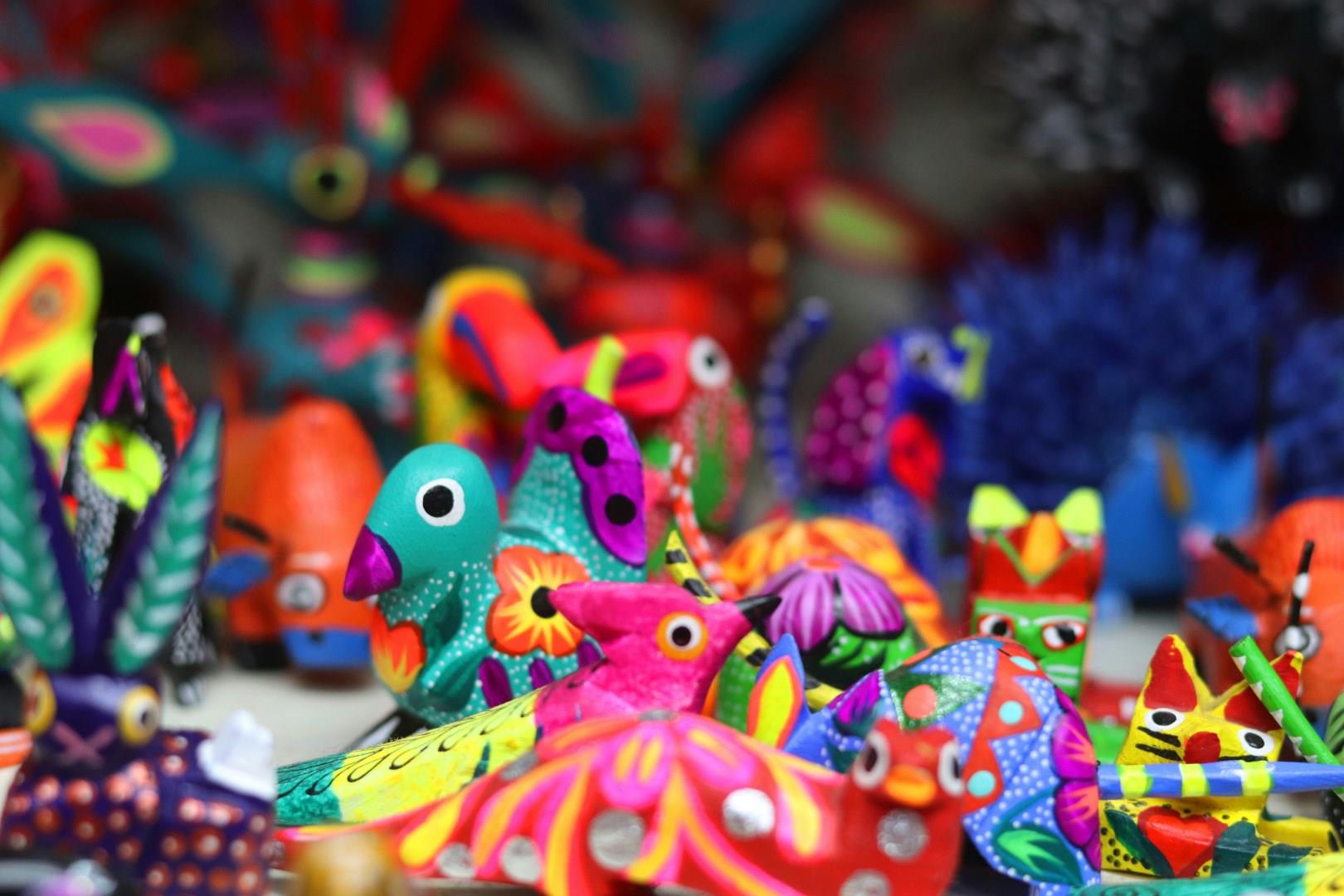
Oaxaca
Oaxaca, nestled in the heart of southern Mexico, is a city where ancient traditions and vibrant culture thrive. Renowned for its rich history and indigenous heritage, Oaxaca offers a unique blend of pre-Columbian, colonial, and modern influences. The city's historic center, a UNESCO World Heritage site, is a testament to its past, featuring stunning colonial architecture such as the Santo Domingo de Guzmán Church, a masterpiece of Baroque art.
