
Isalo National Park
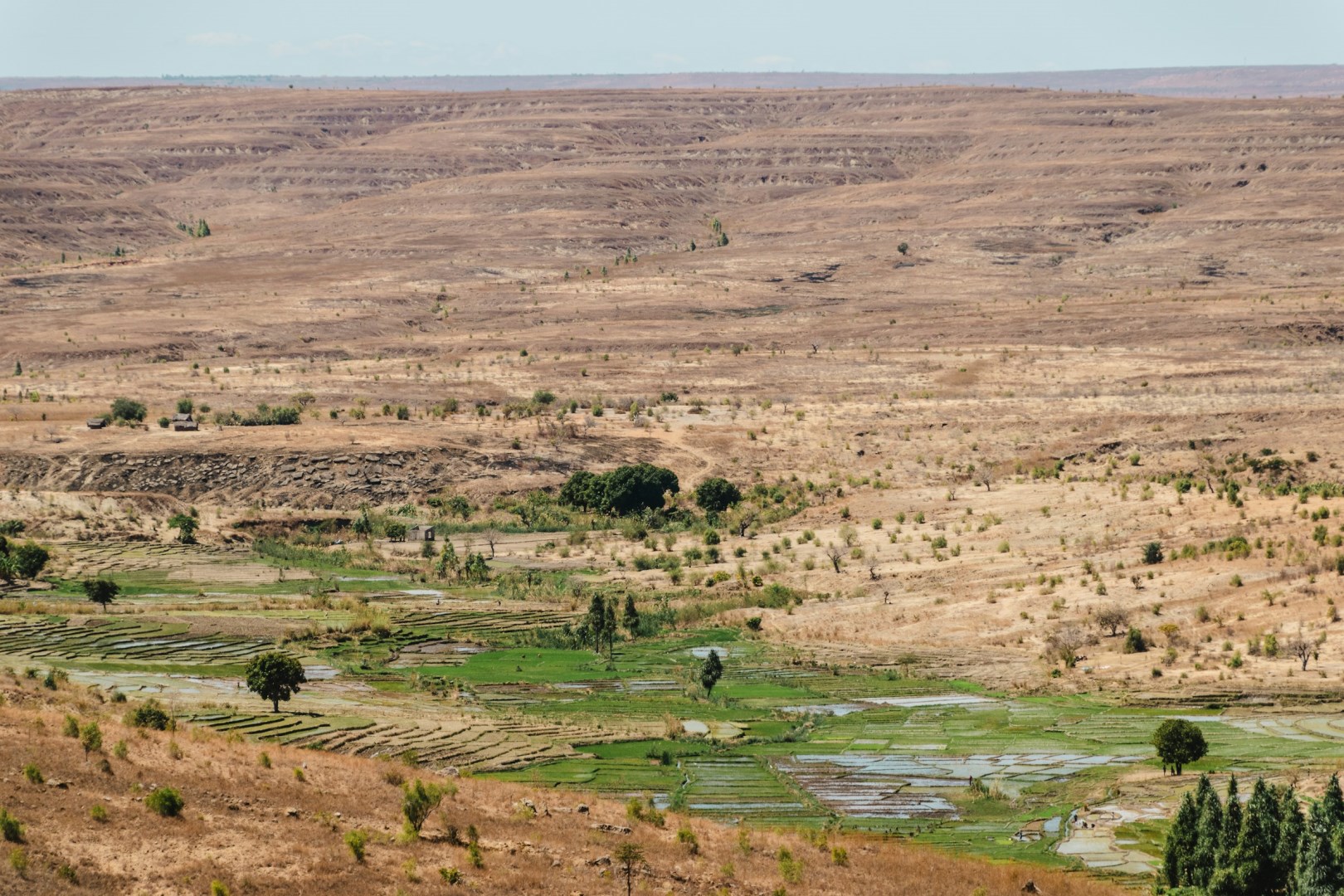
Isalo National Park lies in southern Madagascar near the town of Ranohira, protecting about 81,540 hectares of sandstone massifs, deep canyons, grasslands, forests, and rocky plateaus. Its landscape has been shaped by erosion into unusual cliffs, ridges, gorges, and isolated rock formations. The park's semi-arid climate creates strong contrasts between dry open slopes and greener canyon floors, where streams support pockets of vegetation.
Luzon
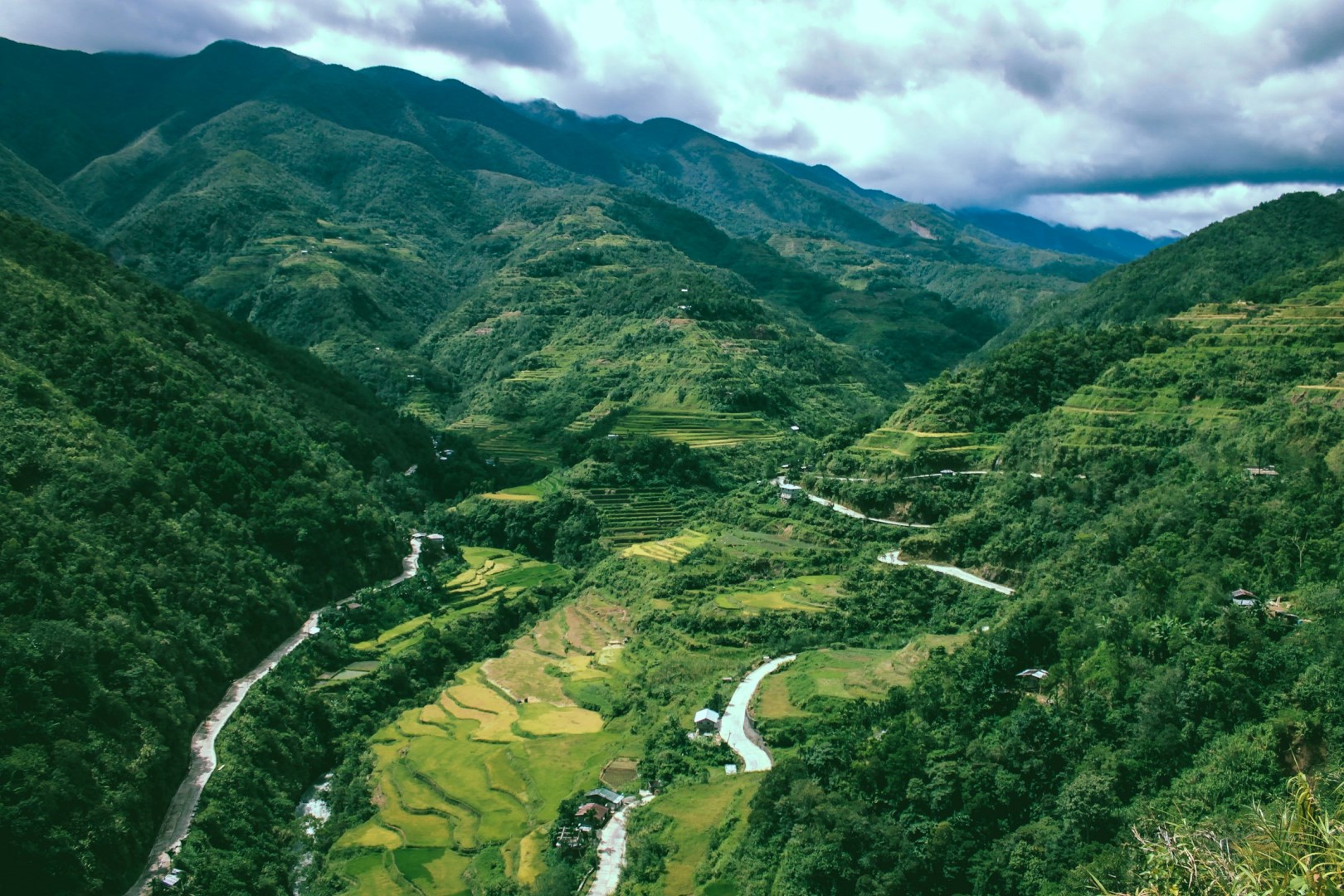
Luzon is the 15th largest island in the world, and the most populous island in the Philippines, home to 53 million people and the country’s capital, Manila. Luzon boasts a unique and eye-catching topography, with a variety of terrains and distinct geographical features. The north’s flat coastline and tropical pine forests meet at the site of Mount Pulag, Luzon’s tallest mountain peak.
Zomba
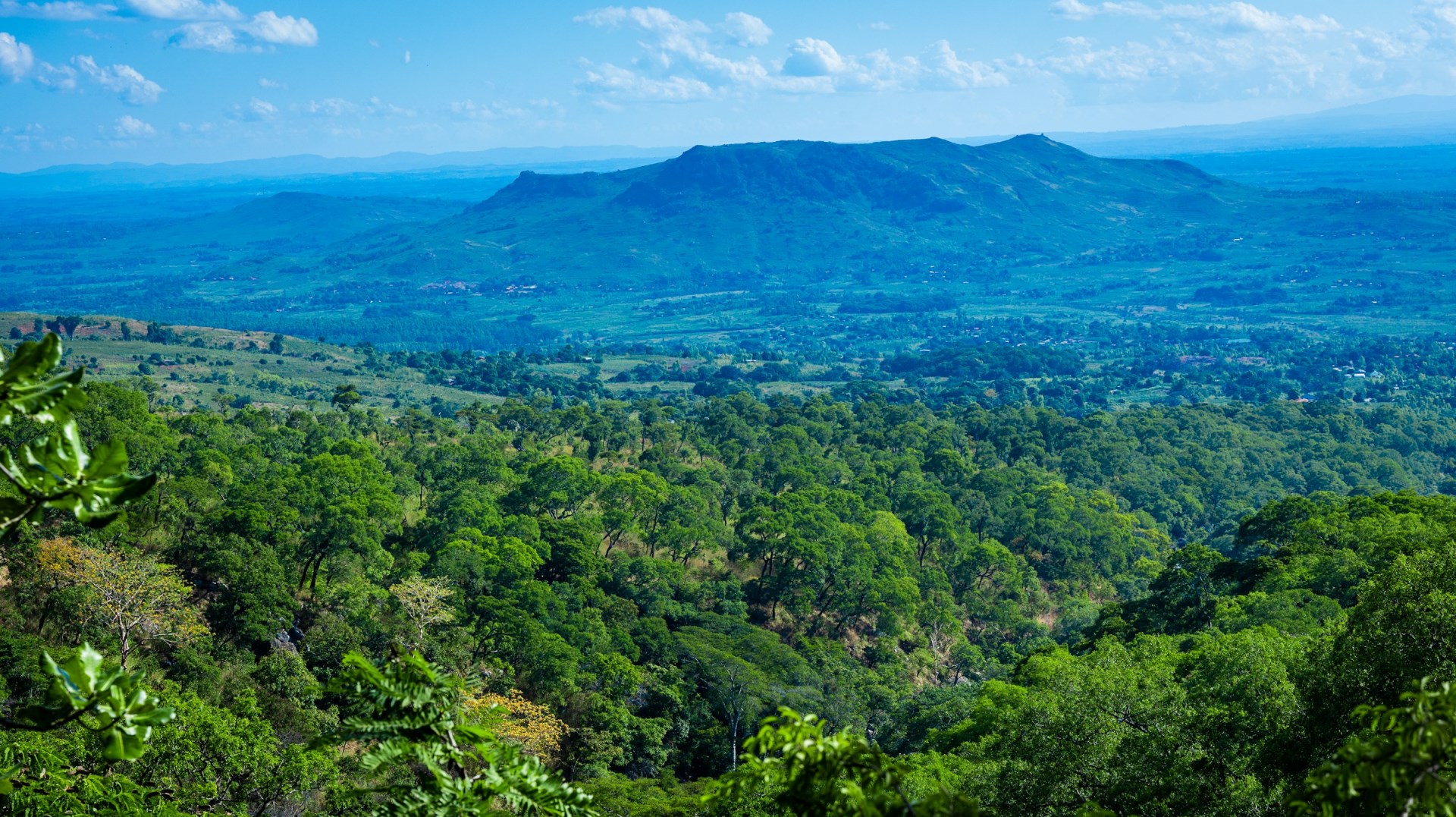
Zomba is a city in southern Malawi situated at the foot of the Zomba Plateau, a large mountain massif rising above the surrounding Shire Highlands. The city is known for its tree-lined streets, cooler climate, and access to forested mountain landscapes. Zomba Plateau dominates the local scenery, with steep slopes, streams, waterfalls, and broad viewpoints overlooking the plains below.
Naboisho Conservancy
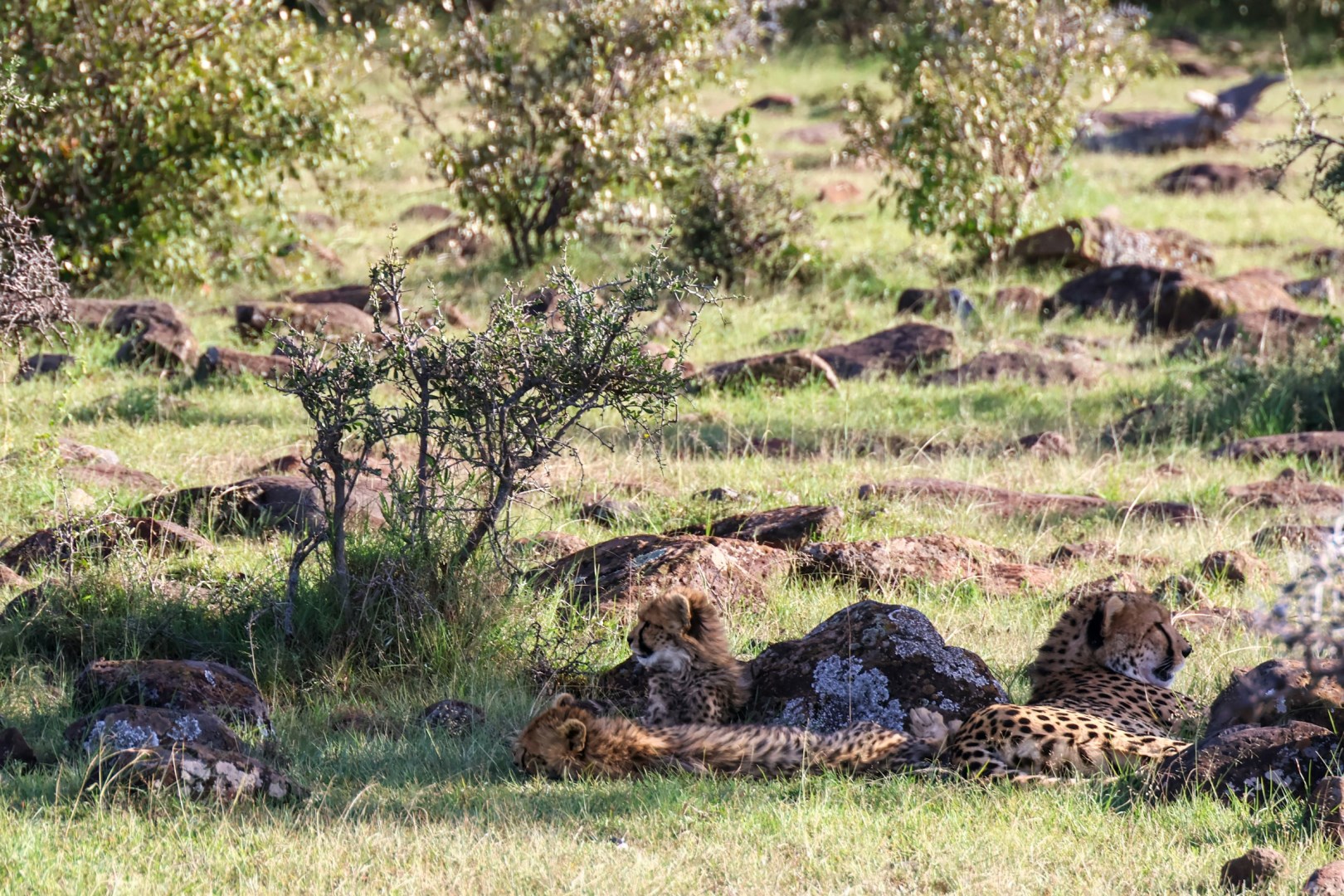
Naboisho Conservancy is a community-owned wildlife conservation area bordering Kenya’s Maasai Mara National Reserve in Narok County. The conservancy protects open savanna, grasslands, acacia woodland, and seasonal rivers that provide habitat for a wide range of wildlife. It was established through agreements between local Maasai landowners and conservation partners, creating a model in which tourism revenue supports communities while land is maintained for wildlife.

Banff
Banff, nestled in the heart of the Canadian Rockies, is one of Canada’s most celebrated mountain towns and a gateway to Banff National Park, a UNESCO World Heritage Site.
