
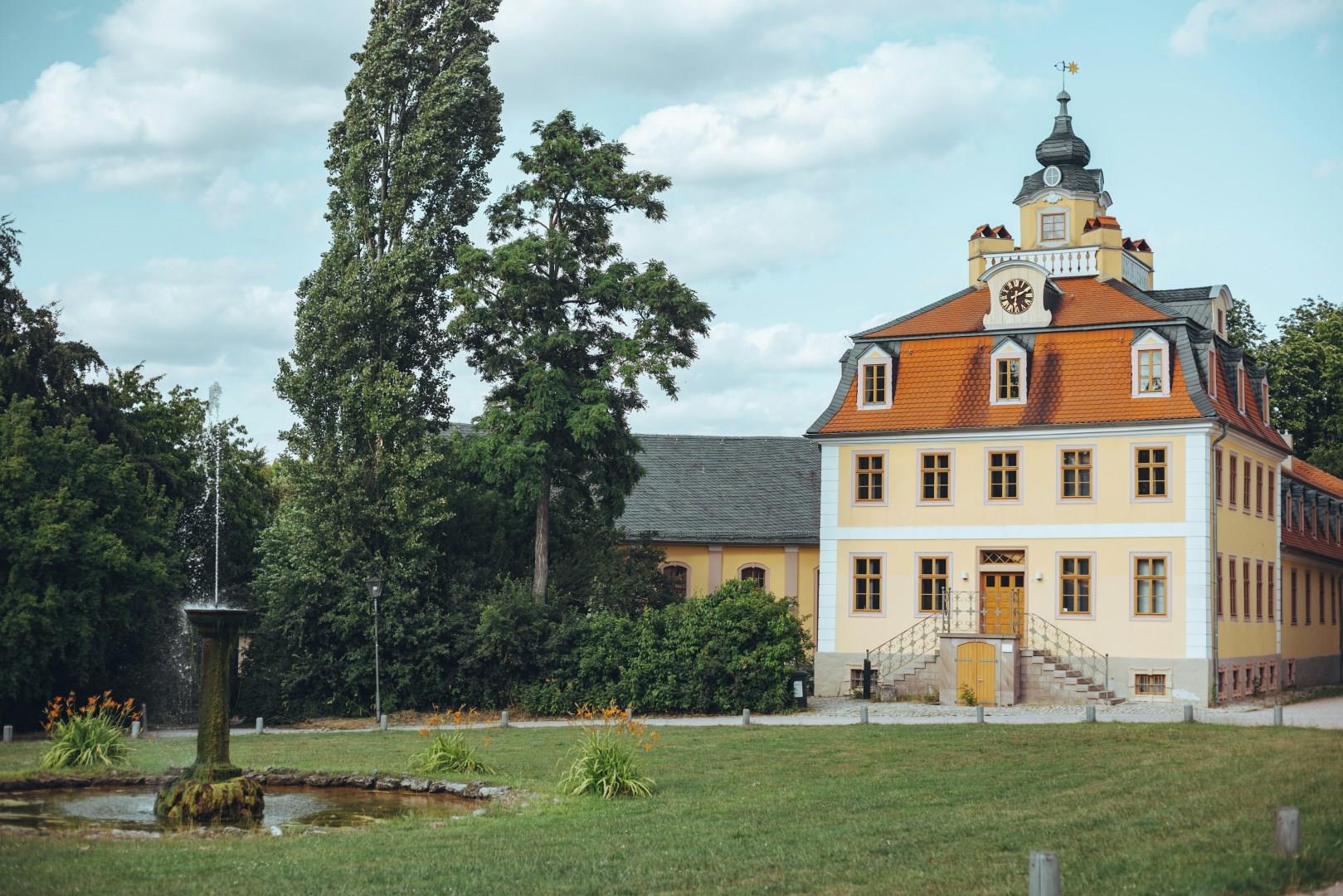
Weimar
Weimar, located in the heart of Germany’s Thuringia region, is a city renowned for its cultural heritage, classical architecture, and pivotal role in European history.
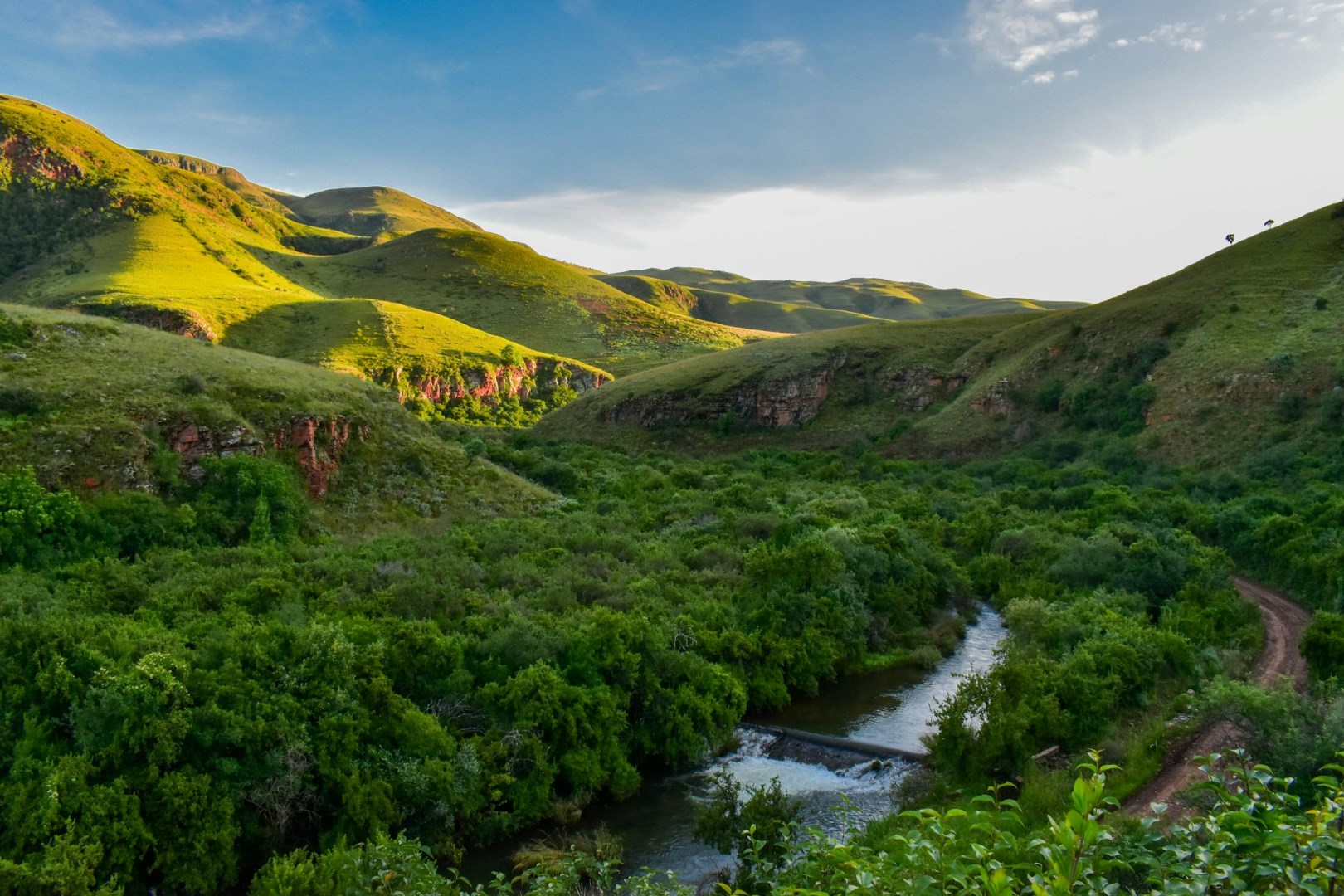
Mpumalanga
Mpumalanga is a province in northeastern South Africa, stretching from the grass-covered Highveld to the subtropical Lowveld along the border with Mozambique and Eswatini. Its name means “place where the sun rises” in siSwati. The province is known for contrasting landscapes, including the escarpment, mountain forests, rolling grasslands, citrus farms, and wildlife-rich bushveld.
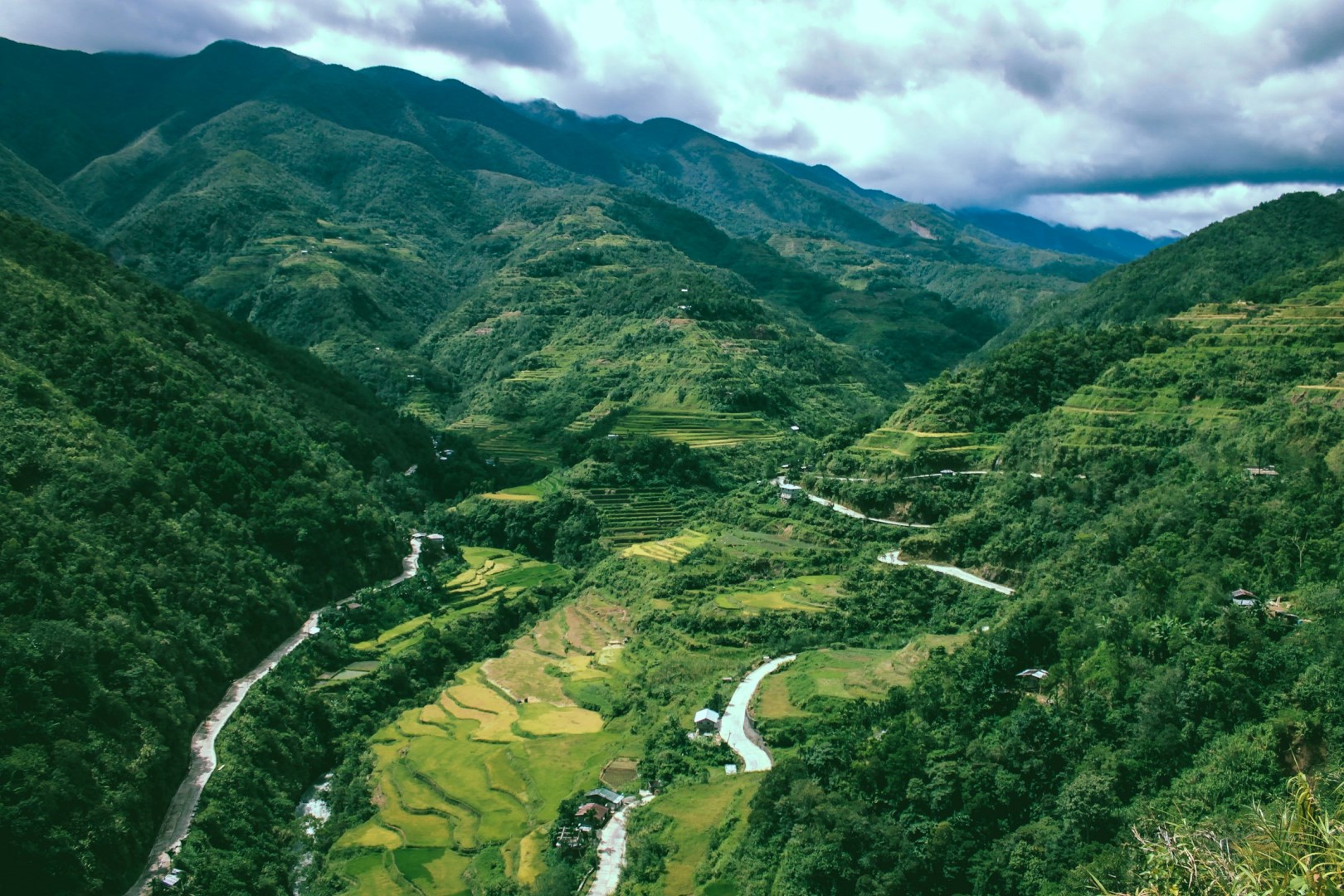
Luzon
Luzon is the 15th largest island in the world, and the most populous island in the Philippines, home to 53 million people and the country’s capital, Manila. Luzon boasts a unique and eye-catching topography, with a variety of terrains and distinct geographical features. The north’s flat coastline and tropical pine forests meet at the site of Mount Pulag, Luzon’s tallest mountain peak.
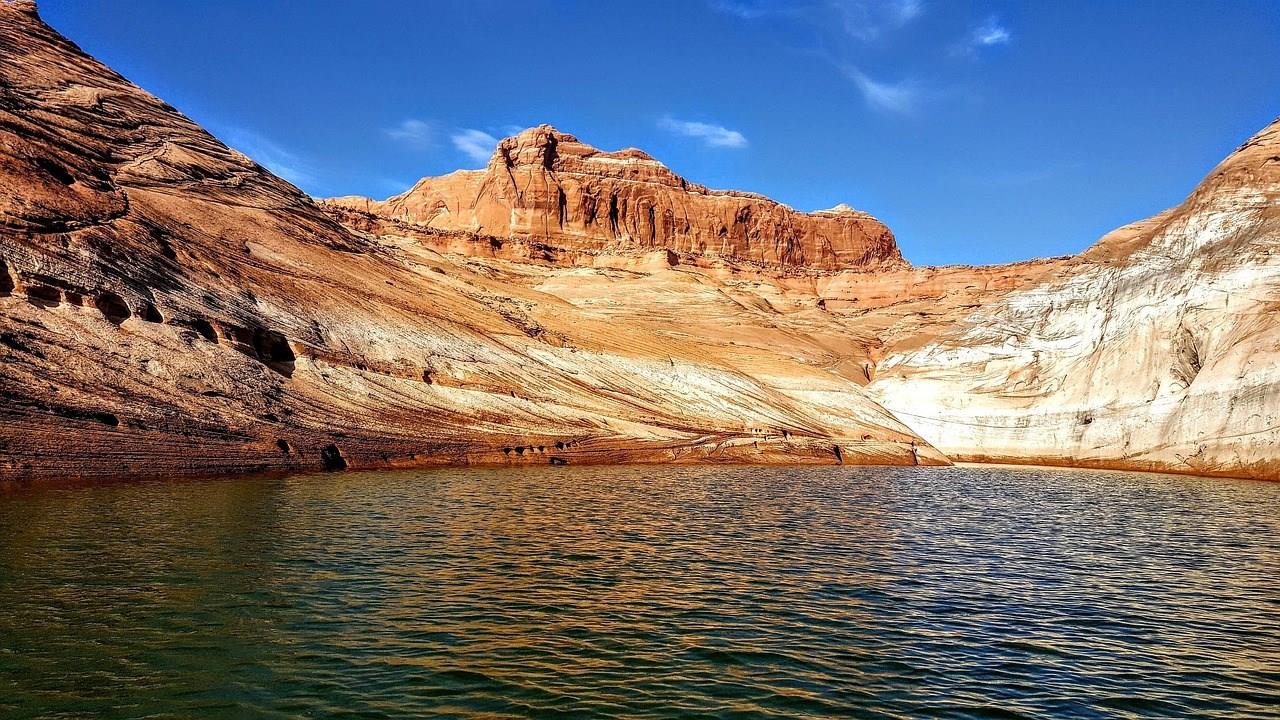
Lake Powell
Lake Powell, stretching across the Utah-Arizona border, is one of the largest manmade reservoirs in the United States. Formed by the flooding of Glen Canyon after the completion of the Glen Canyon Dam in 1963, it covers over 180 miles in length and contains nearly 2,000 miles of shoreline, more than the entire West Coast of the U.S. Despite its modern origins, the area has long been home to the Ancestral Puebloans and later Navajo communities.
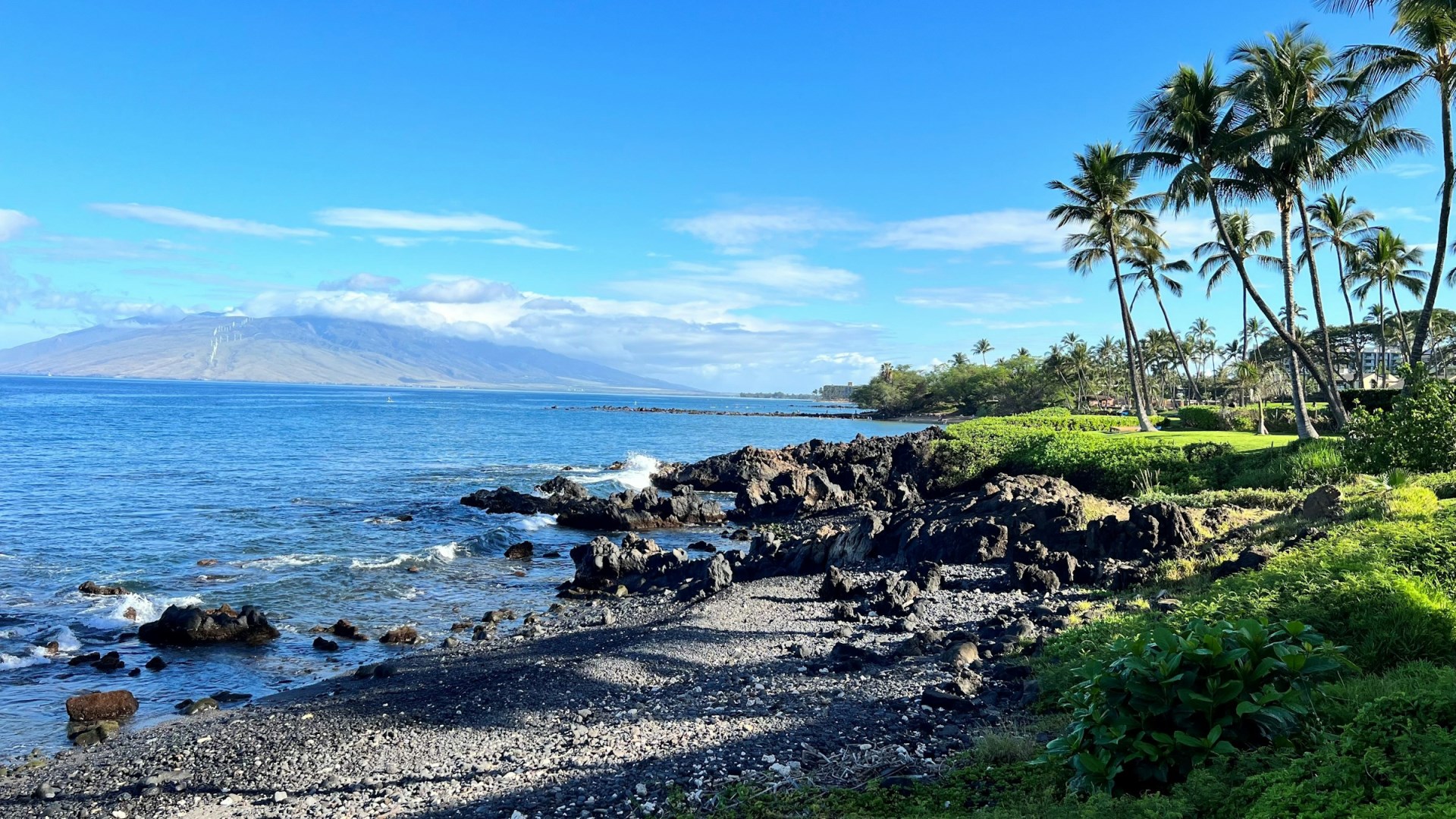
Wailea, Maui
Wailea is a coastal resort community on the southwestern shore of Maui, Hawaiʻi, set between the slopes of Haleakalā and the Pacific Ocean. Its dry climate, landscaped grounds, sandy beaches, and views across the ʻAuʻau Channel toward neighboring islands give it a distinct setting within South Maui. The area is known for several major beaches, including Wailea Beach, Ulua Beach, and Polo Beach, as well as a network of walking paths connecting resorts, beaches, parks, and shopping areas.
