

Taranto
Taranto is a coastal city in Puglia known as the “City of Two Seas,” positioned between the open Mar Grande and the sheltered Mar Piccolo. Its location has shaped a strong maritime identity, with fishing, mussel farming, and naval activity remaining important parts of local life. The historic center occupies an island connected to the newer city by the Ponte Girevole, while the waterfront extends around the two bodies of water.
Vágar
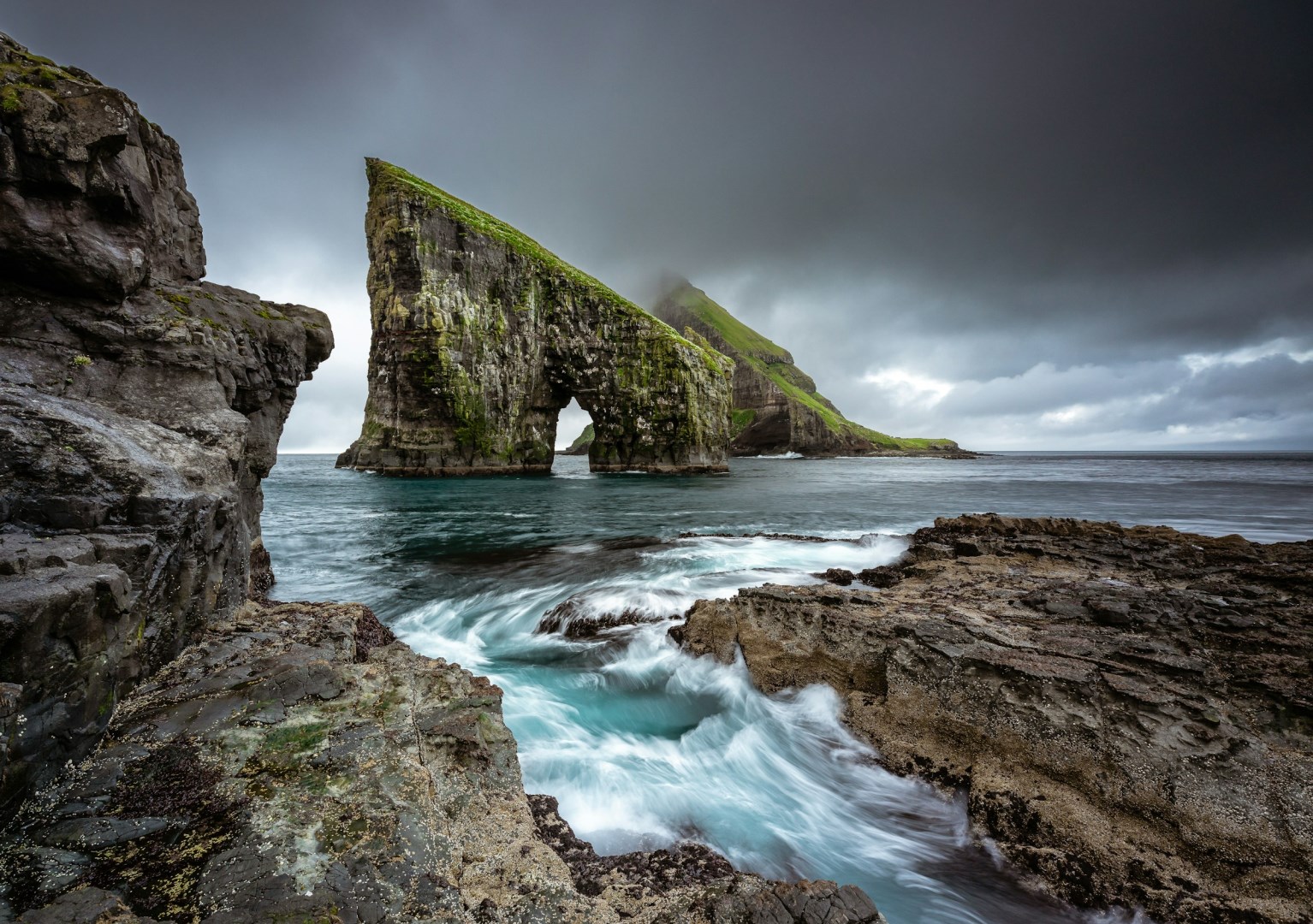
Vágar is one of the western islands of the Faroe Islands and the main arrival point for many visitors, with the archipelago’s only airport located near Sørvágur. The island combines high mountains, freshwater lakes, steep sea cliffs, and small villages set along sheltered bays. Its landscape is particularly varied for its size, ranging from the agricultural fields around Miðvágur and Sandavágur to the rugged western coast near Bøur and Gásadalur.
Kinosaki
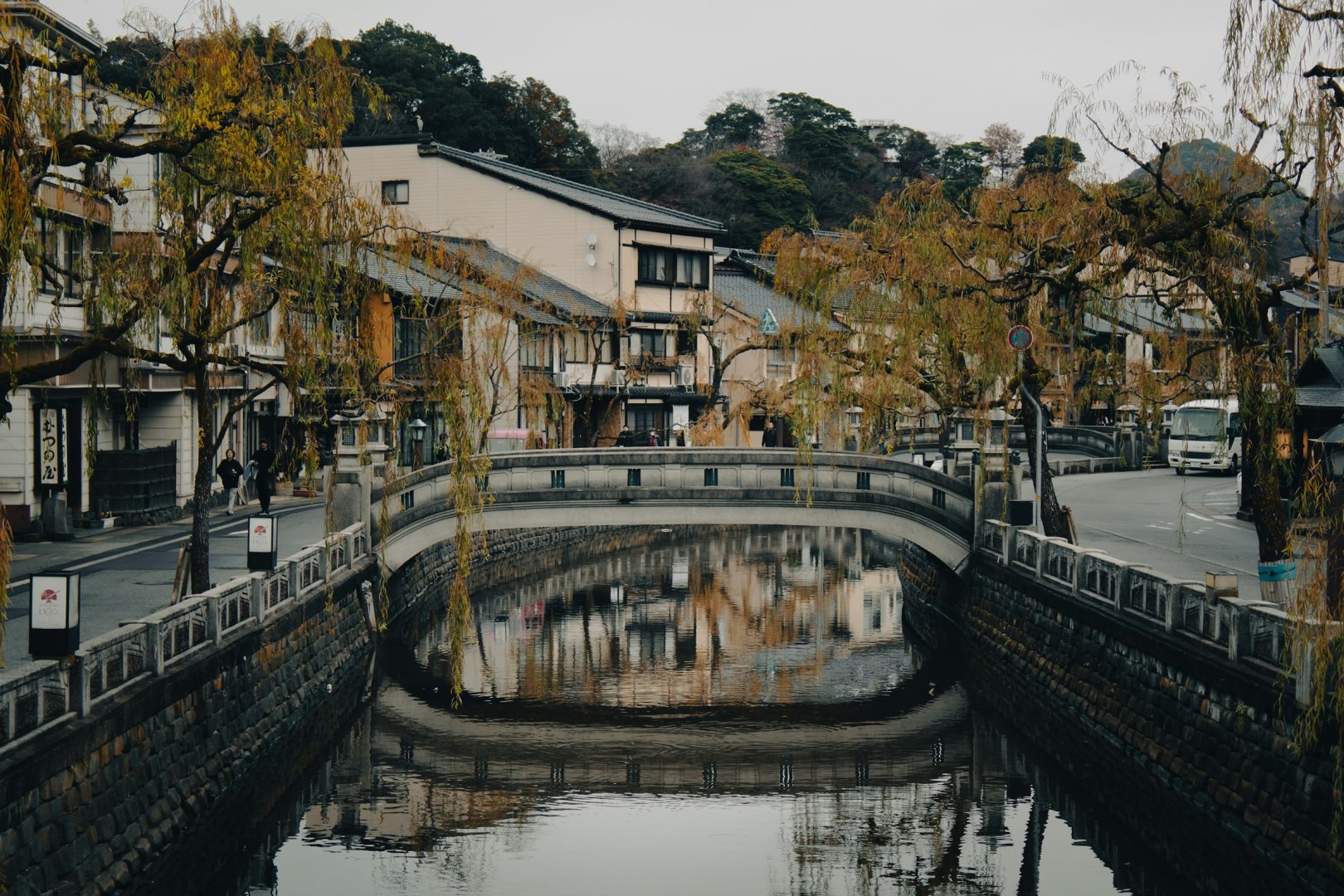
Kinosaki Onsen is a resort area best known for its hot springs (onsen) as well as its charming, nostalgic atmosphere: guests of the local ryokans (traditional Japanese inns) stroll between the seven public onsen wearing yukata (literally translated as "bathing cloth," a casual version of the kimono) and geta (wooden sandals).
Mopti
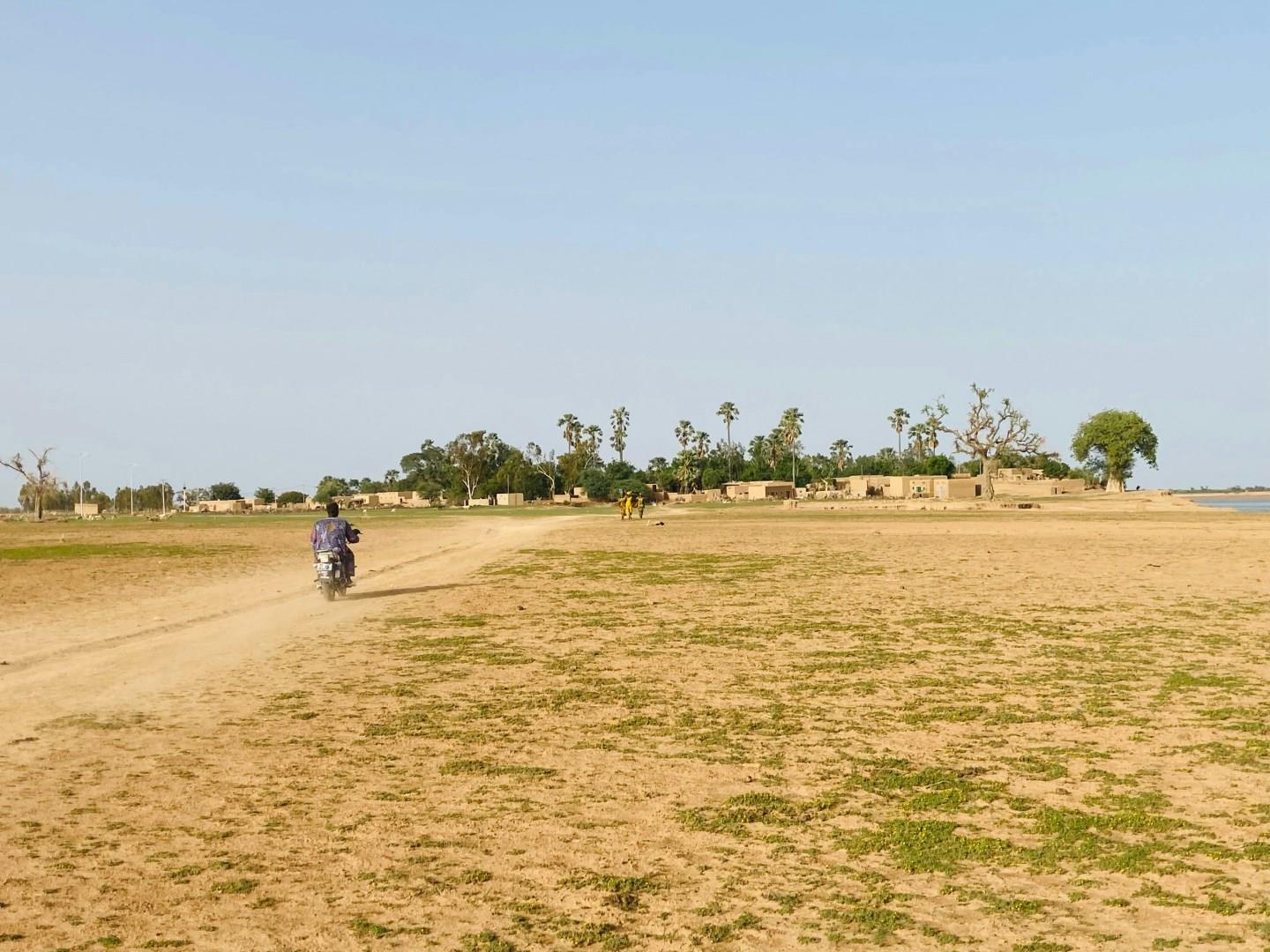
Mopti, often called the “Venice of Mali,” sits at the point where the Bani and Niger rivers meet. This strategic location has made it an important trading hub for centuries, attracting merchants, fishermen, and travelers from across West Africa.

Pécs
Pécs, Hungary, is a city that seamlessly blends history, culture, and a vibrant modern atmosphere. Nestled at the foot of the Mecsek Mountains in southern Hungary, Pécs boasts a rich heritage that dates back over 2,000 years. Visitors are often captivated by the city’s unique blend of Roman, Ottoman, and Hungarian influences.
