
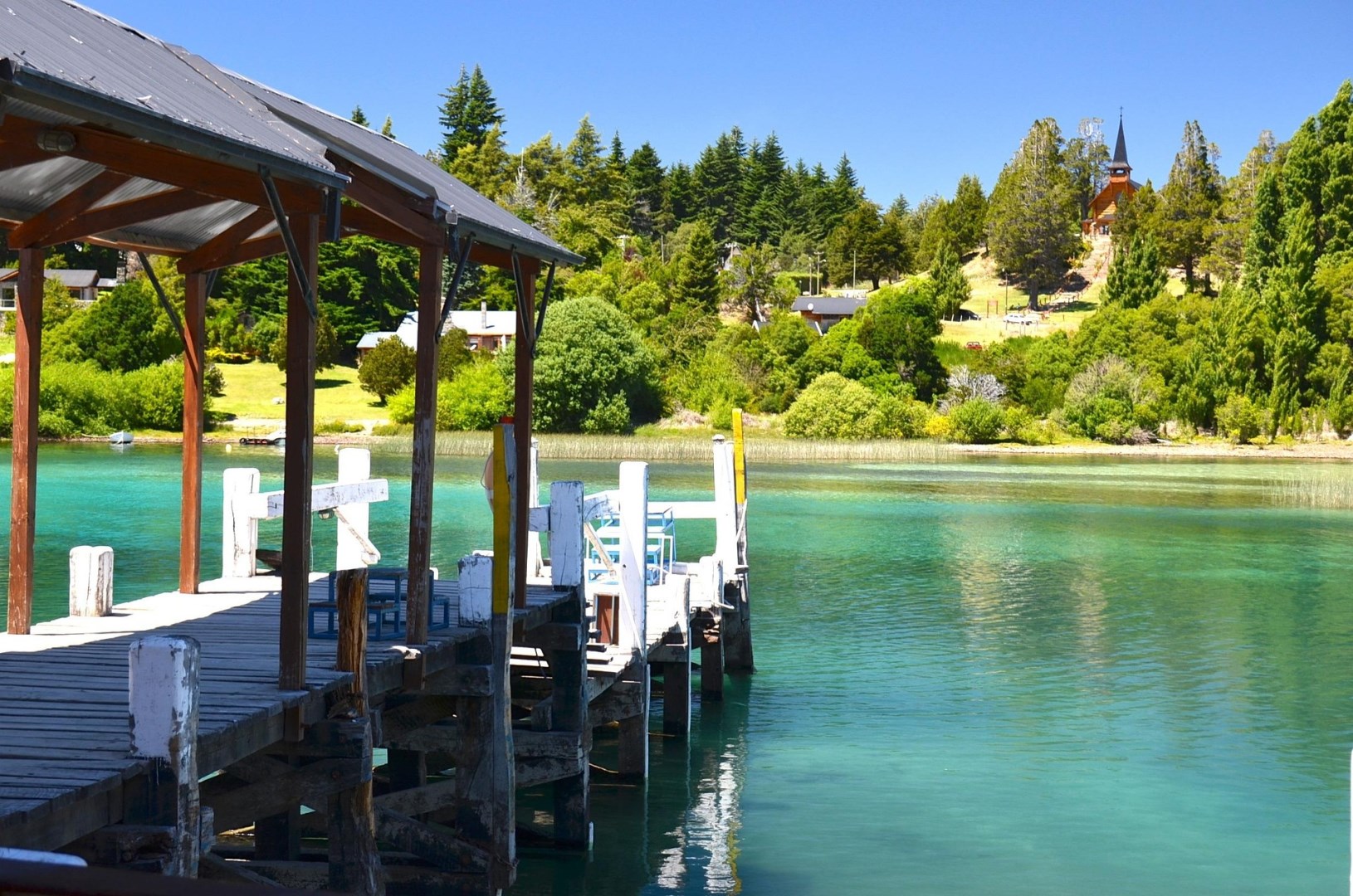
Bariloche
Bariloche, tucked into the foothills of the Andes in Argentina’s Patagonia region, is a town that feels both alpine and uniquely Argentine. With its wooden chalets, Swiss-style architecture, and chocolate shops on every corner, many visitors are surprised to find a lakeside town that resembles parts of Europe. But Bariloche’s identity is all its own, shaped by deep indigenous roots, waves of immigration, and the striking presence of Lake Nahuel Huapi.
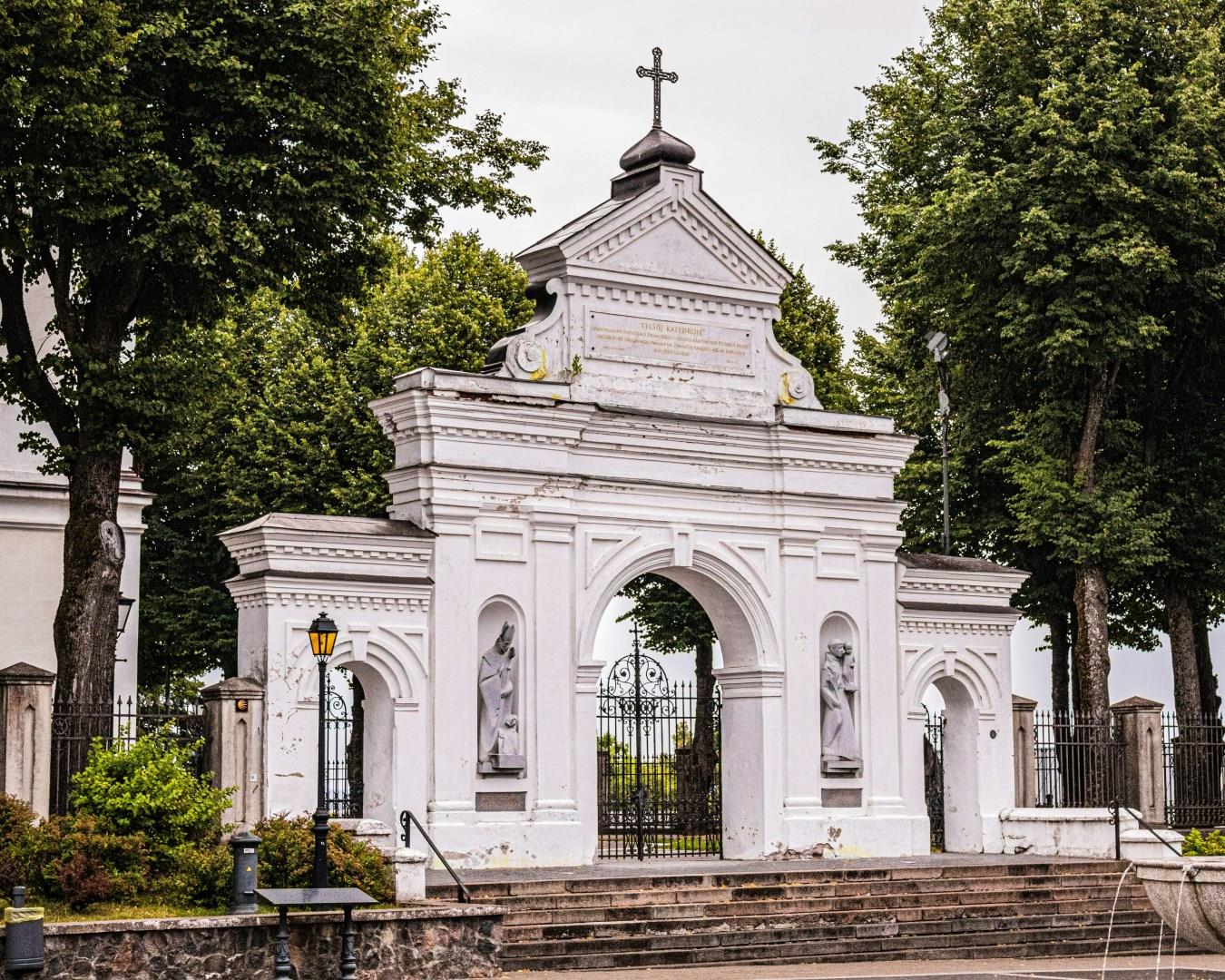
Telšiai
Telšiai, often called the capital of Lithuania’s Samogitia region, offers visitors a deep dive into a unique cultural heritage paired with striking natural settings. The town is set on the shores of Lake Mastis, where the reflections of historic buildings and lush forests create a calm and inviting atmosphere. Telšiai’s old market square bustles with life and is home to some of the town’s most notable landmarks, including the Neo-Gothic St. Anthony of Padua Cathedral.
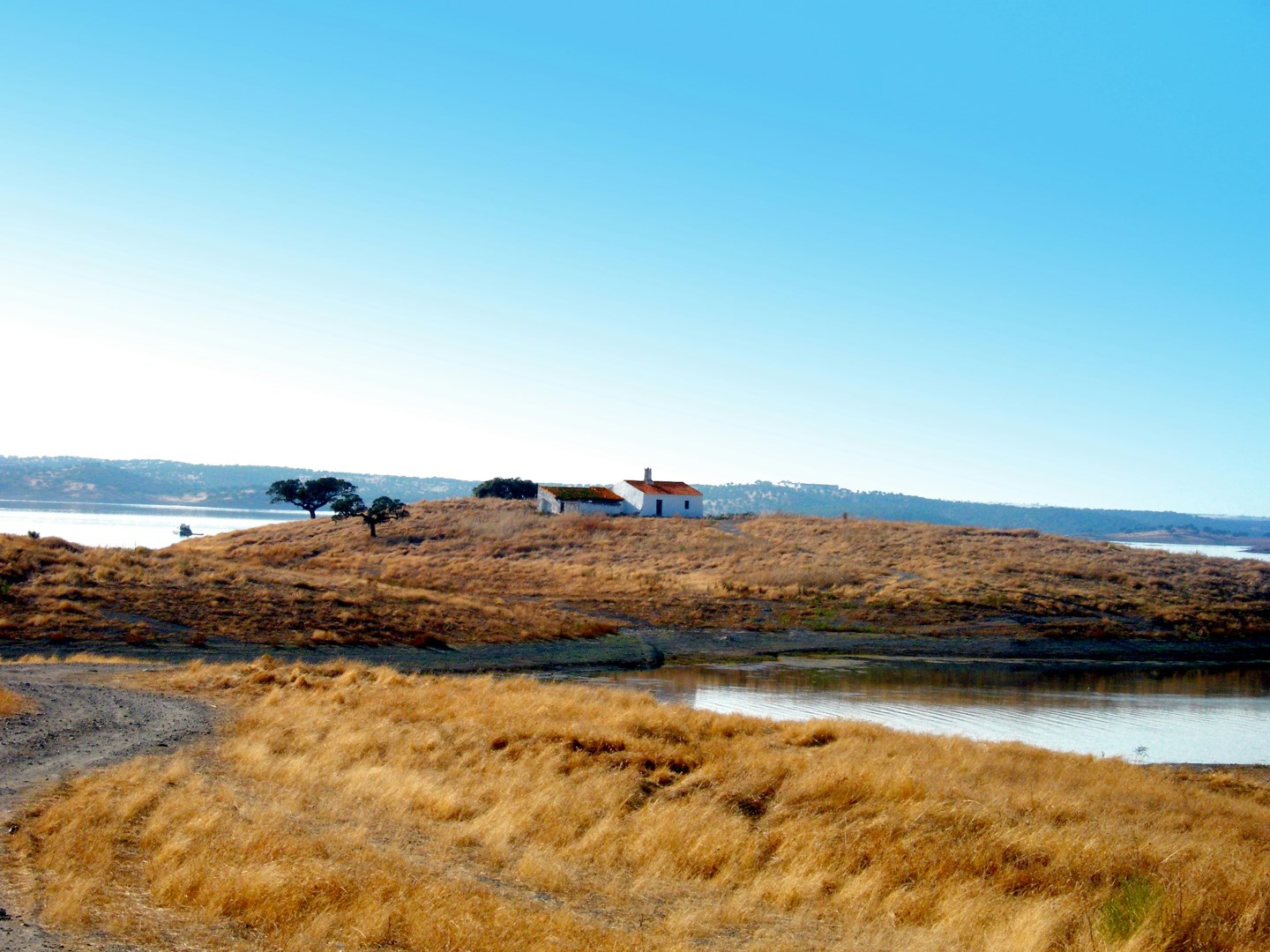
Alentejo
Alentejo is a large region in southern Portugal known for its wide plains, cork oak forests, whitewashed towns, and slower rural pace. Stretching from the Tagus River to the Algarve and from the Atlantic coast to the Spanish border, it covers much of the country’s interior farmland and wine-producing territory.

Tuscany
Tuscany, Italy, is a region where the essence of Italy's beauty, history, and culture is captured in its rolling hills, timeless villages, and world-class art. Famous for its postcard-perfect landscapes, Tuscany is where cypress-lined roads lead to centuries-old hilltop towns like Montepulciano and Montalcino, which are steeped in history and offer some of Italy's finest wines, including the renowned Brunello di Montalcino. Tuscany is a treasure trove for lovers of art and architecture, boasting
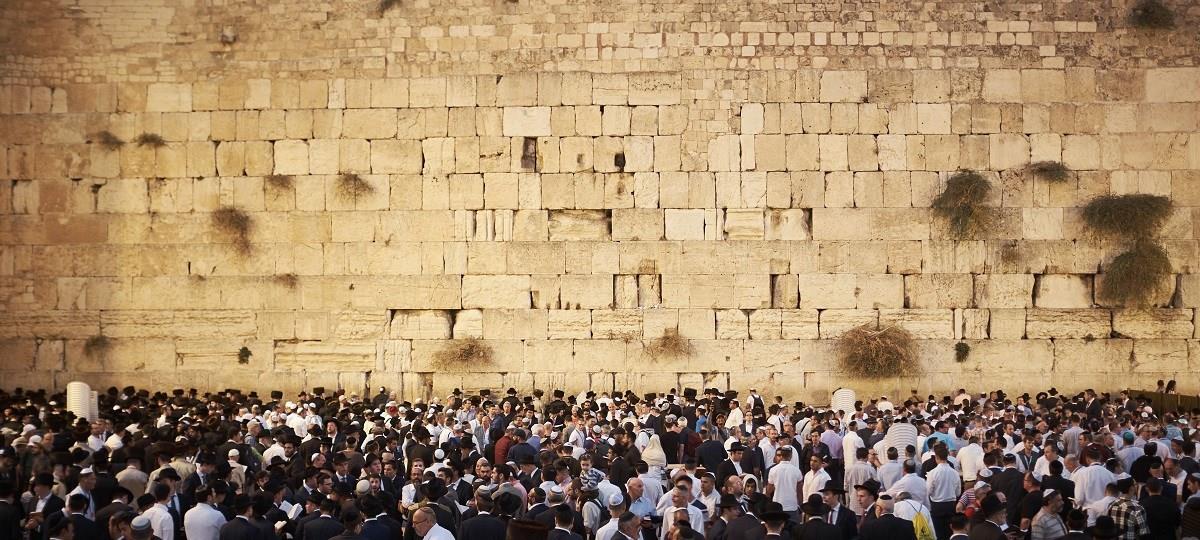
Jerusalem
This beautiful holy city is a spiritual lightning rod and sacred to Jews, Muslims and Christians all over the world. Although Jerusalem is known primarily for its religious history, the city is also home to many artistic and cultural venues.
