

Las Vegas
Las Vegas, Nevada, is an electrifying city where glitz and glamour meet entertainment and excitement. Known as "The Entertainment Capital of the World," Las Vegas offers an unparalleled array of attractions, from its iconic casinos and luxurious hotels to its world-class dining and live shows. The city's entertainment scene is second to none, featuring legendary headliners, cutting-edge performances, and an array of themed attractions.
Koh Phi Phi
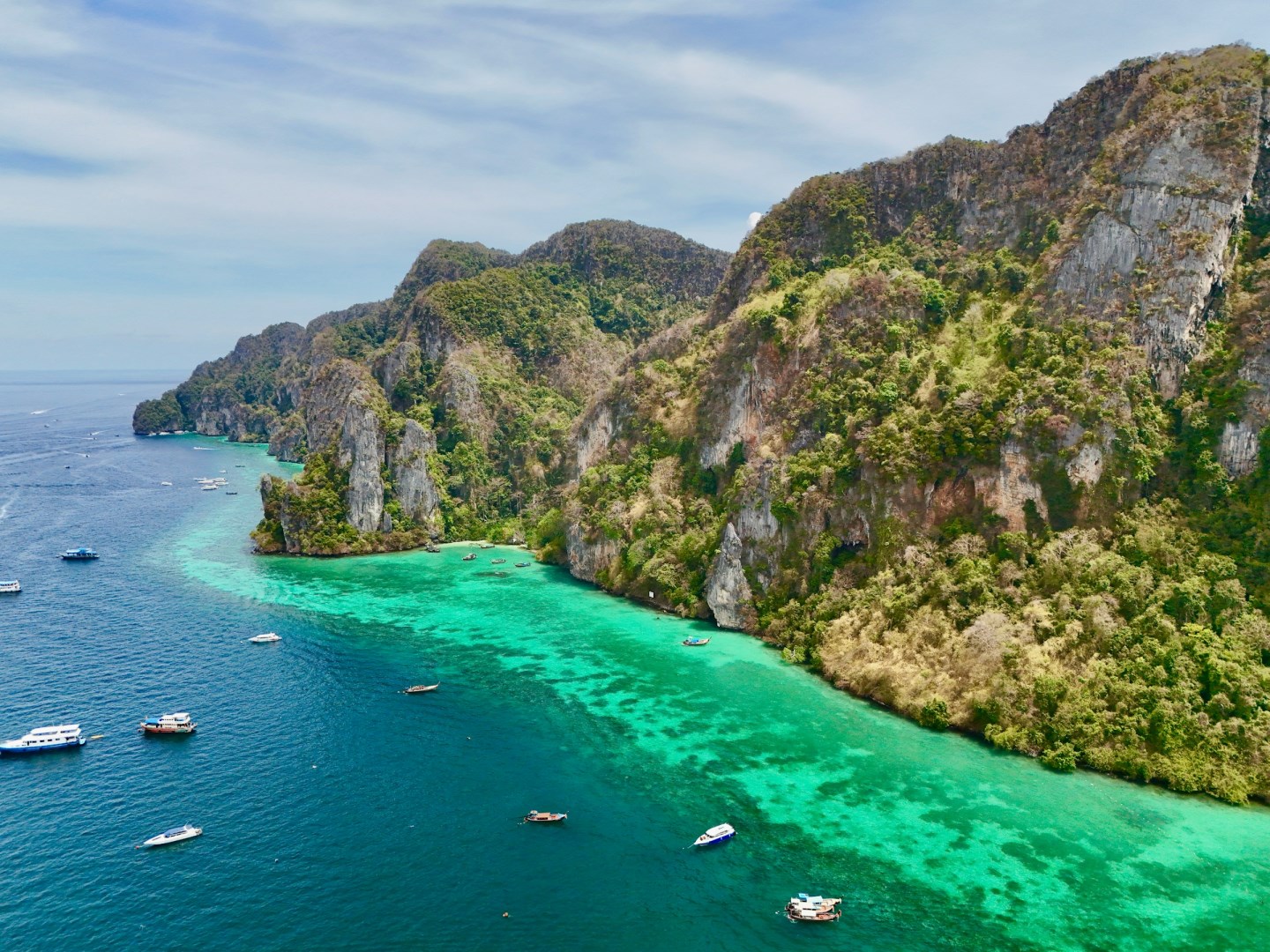
Koh Phi Phi, a stunning archipelago in the Andaman Sea, is a jewel in Thailand’s tourism crown. Famous for its crystal-clear waters, lush tropical landscapes, and dramatic limestone cliffs, this destination is a haven for both adventure seekers and those looking for a serene escape.

Fremantle
Beyond the historic and cultural highlights, Fremantle boasts natural attractions that are accessible and inviting. The coastline offers calm beaches such as South Beach and Bathers Beach, popular spots for swimming and relaxing. Not far from the Fremantle Fishing Boat Harbour, the Rottnest Island ferry departs regularly, giving visitors a chance to explore the island’s sandy beaches and meet the famously friendly quokkas.

Franschhoek
Nestled in the heart of South Africa’s Cape Winelands, Franschhoek is a charming village renowned for its exquisite vineyards and rich history. Founded by French Huguenots in the late 17th century, the village’s French heritage is palpable in its architecture, cuisine, and local culture.
Custer
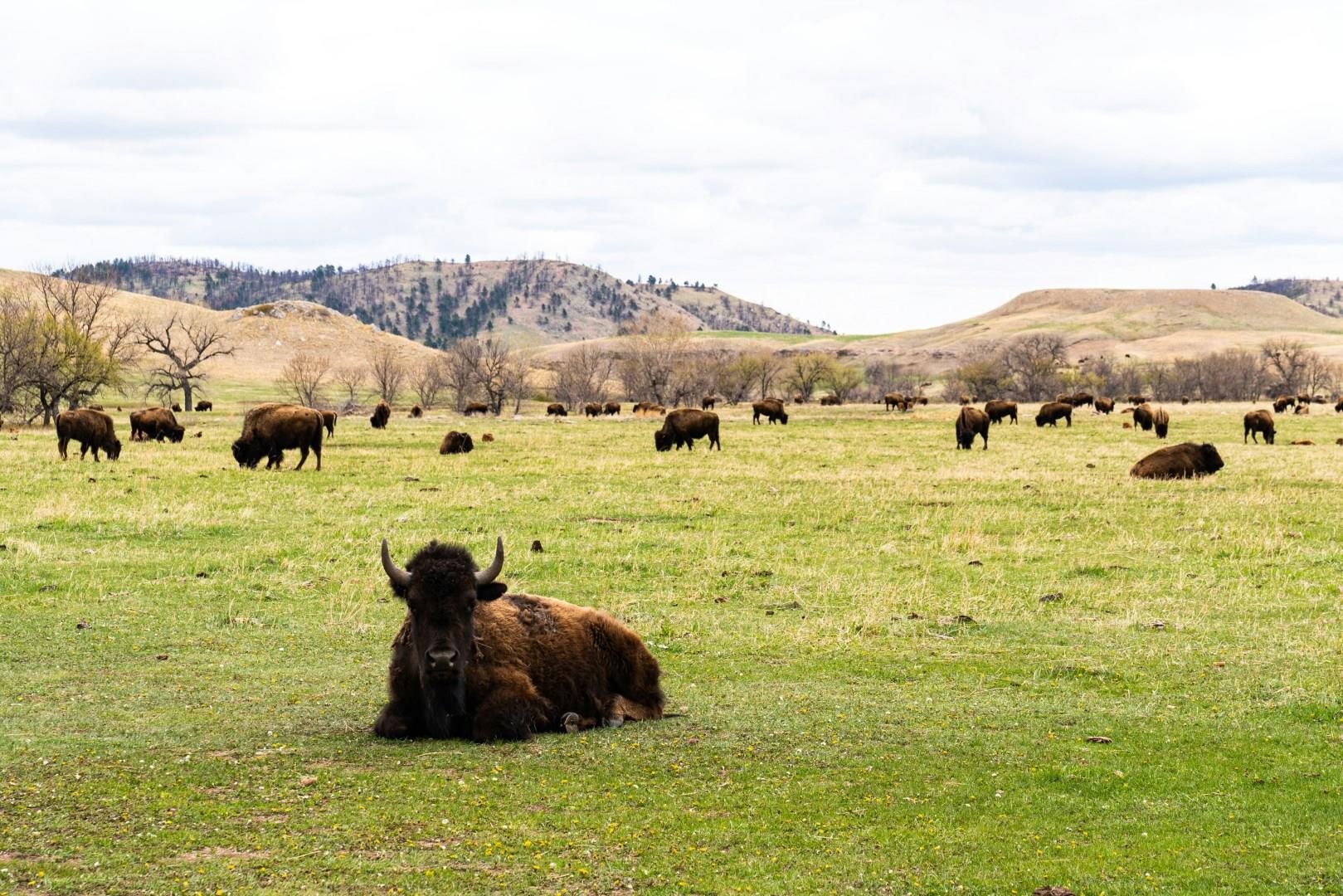
Nestled in the heart of the Black Hills, Custer, South Dakota is a small town with big stories. Established in 1875 during the Black Hills Gold Rush, Custer holds the distinction of being the oldest town in the region still in existence. Today, it serves as a gateway to some of South Dakota’s most iconic sights. With historic buildings, locally owned shops, and friendly diners lining Mount Rushmore Road, it offers a laid-back atmosphere that balances Old West charm with modern-day hospitality.
