

Xi'an
Xi’an, located in central China’s Shaanxi Province, served as the starting point of the ancient Silk Road and was the capital of 13 imperial dynasties. Its long history is most famously represented by the Terracotta Army, an underground army of life-sized warriors discovered in 1974. Each figure has distinct facial features, hairstyles, and armor, designed to protect Emperor Qin Shi Huang in the afterlife.

Saudi Arabia
Saudi Arabia is revealing chapters long unseen by tourists. Al-Ula is home to Hegra, the first UNESCO World Heritage Site in the kingdom and hosts to ancient Nabatean tombs carved in sandstone cliffs. Nearby, the mirrored Maraya Concert Hall reflects the desert sky, its design both unexpected and elegant amid the sands. Visitors can wander through narrow canyons, step inside rock-hewn facades, and feel the weight of ancient civilizations still echoing across the dunes.
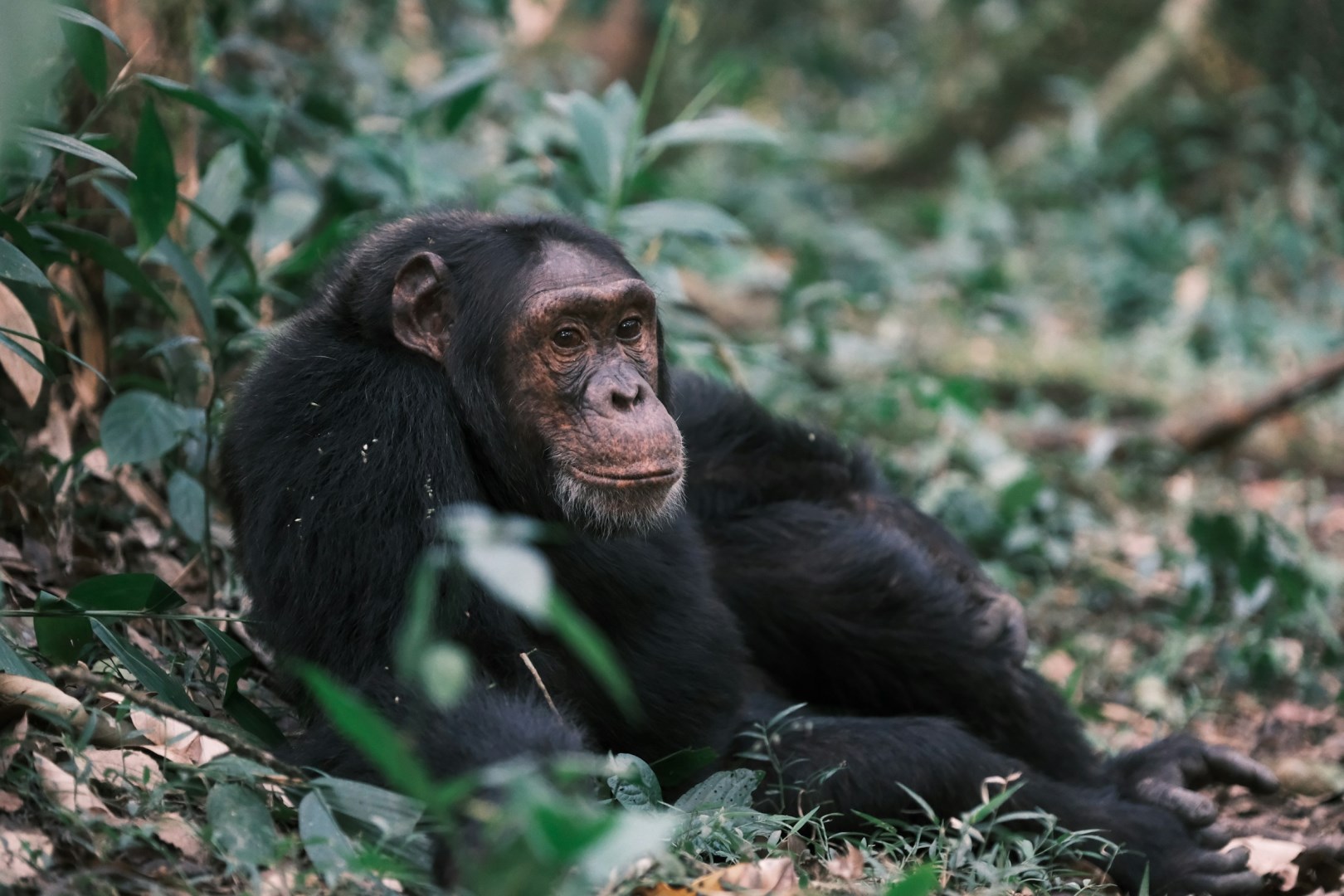
Kibale Forest National Park
This National Park is located 35km south of Fort Portal and is home to monkeys, chimpanzees, baboons, bushbuck, elephants, birds and many varieties of butterflies. A four wheel drive is recommended.
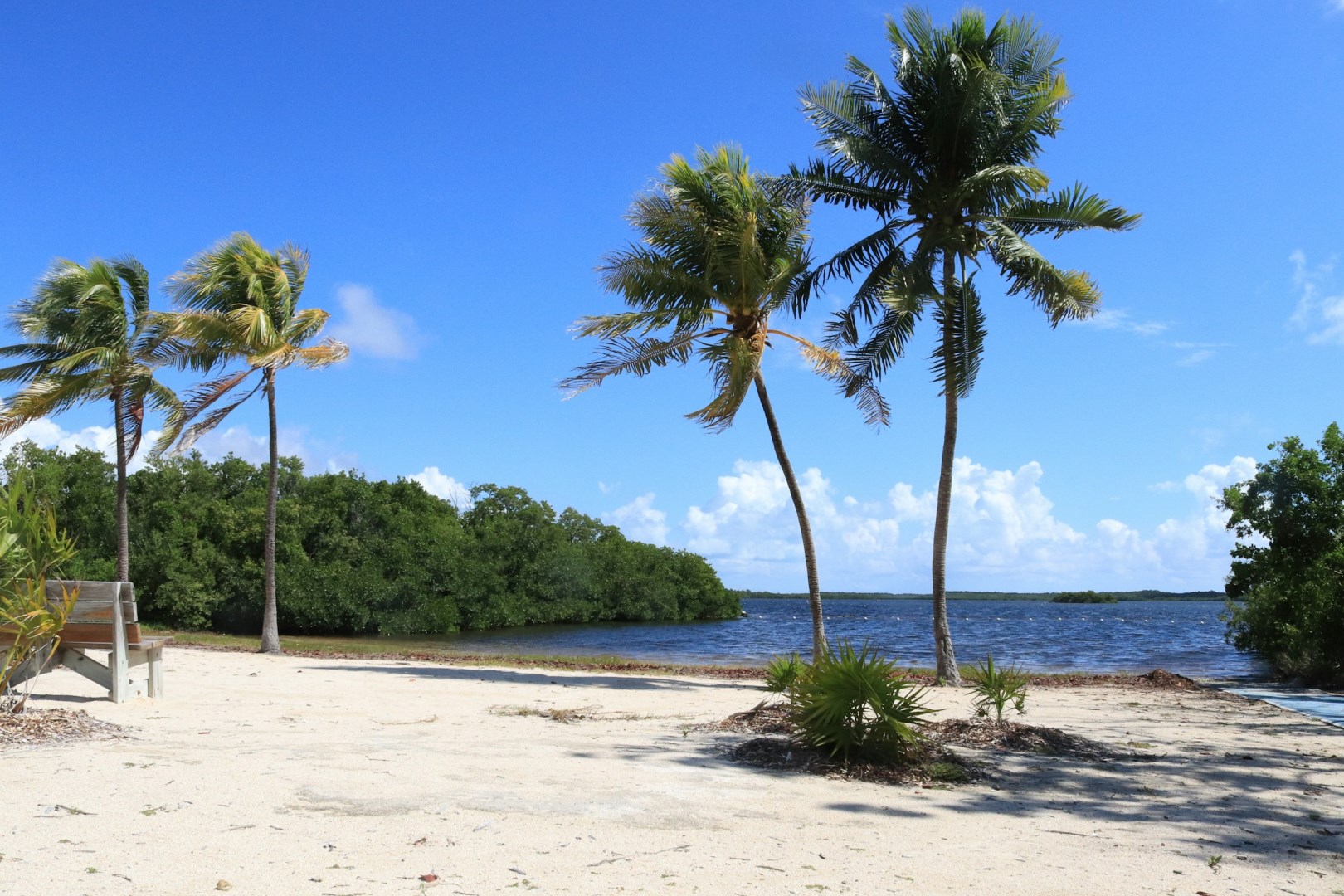
Key Largo
Key Largo, the northernmost of the Florida Keys, is renowned for its pristine natural beauty and vibrant marine life. As part of the Florida Keys archipelago, Key Largo is a gateway to the spectacular underwater world of the John Pennekamp Coral Reef State Park, the first underwater park in the U.S. Here, visitors can explore vibrant coral reefs through snorkeling and scuba diving, or take a glass-bottom boat tour to marvel at the colorful marine ecosystems without getting wet.
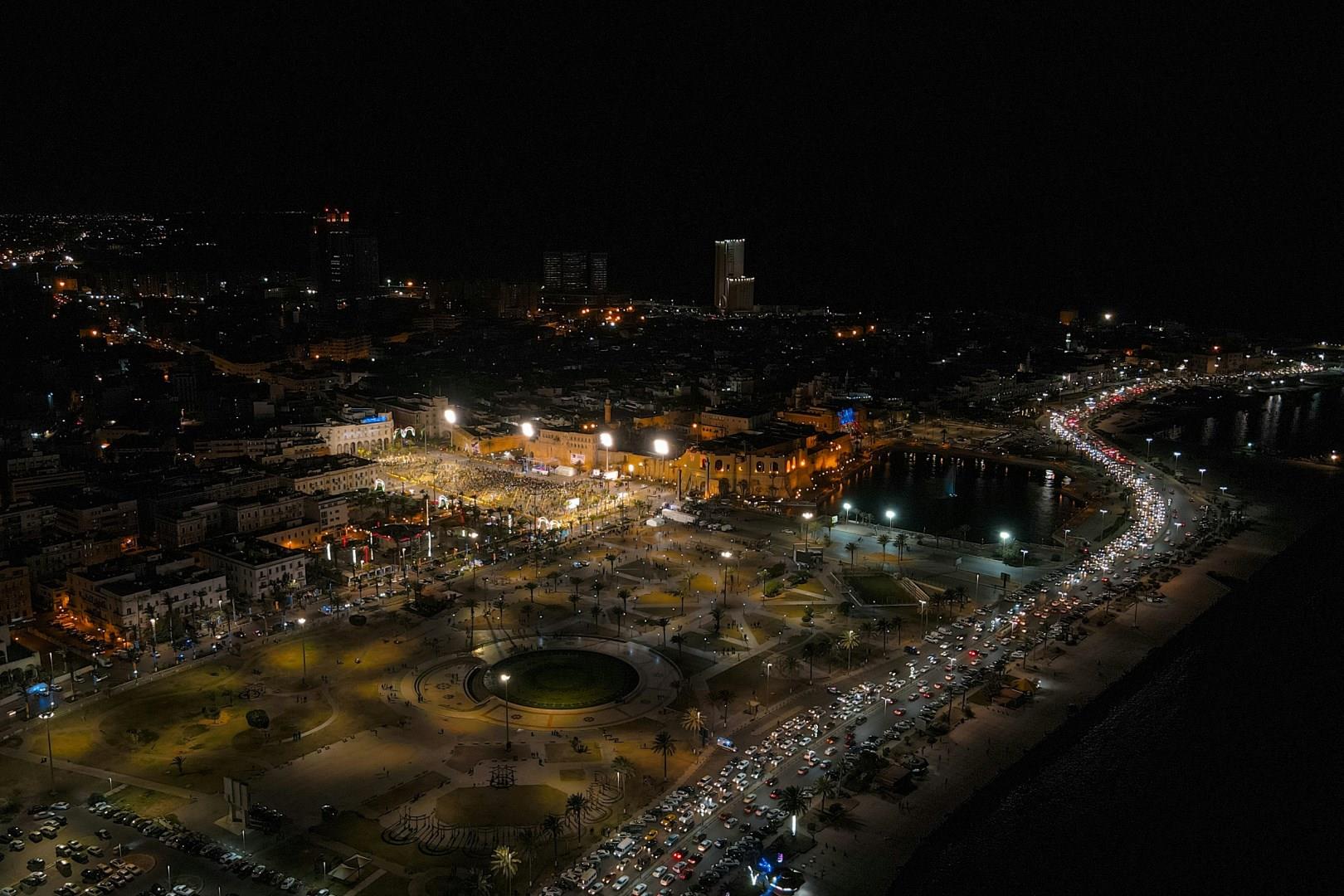
Libya
Libya, located in North Africa along the Mediterranean coast, is a country of vast deserts, ancient history, and dramatic landscapes. Much of its terrain is dominated by the Sahara Desert, with sand dunes, rocky plateaus, and oases shaping life across the country.
