

Kruger National Park
Kruger National Park, located in northeastern South Africa, is one of the world’s premier wildlife reserves and a cornerstone of African conservation. Established in 1898, it spans nearly 20,000 square kilometers, making it larger than many countries.
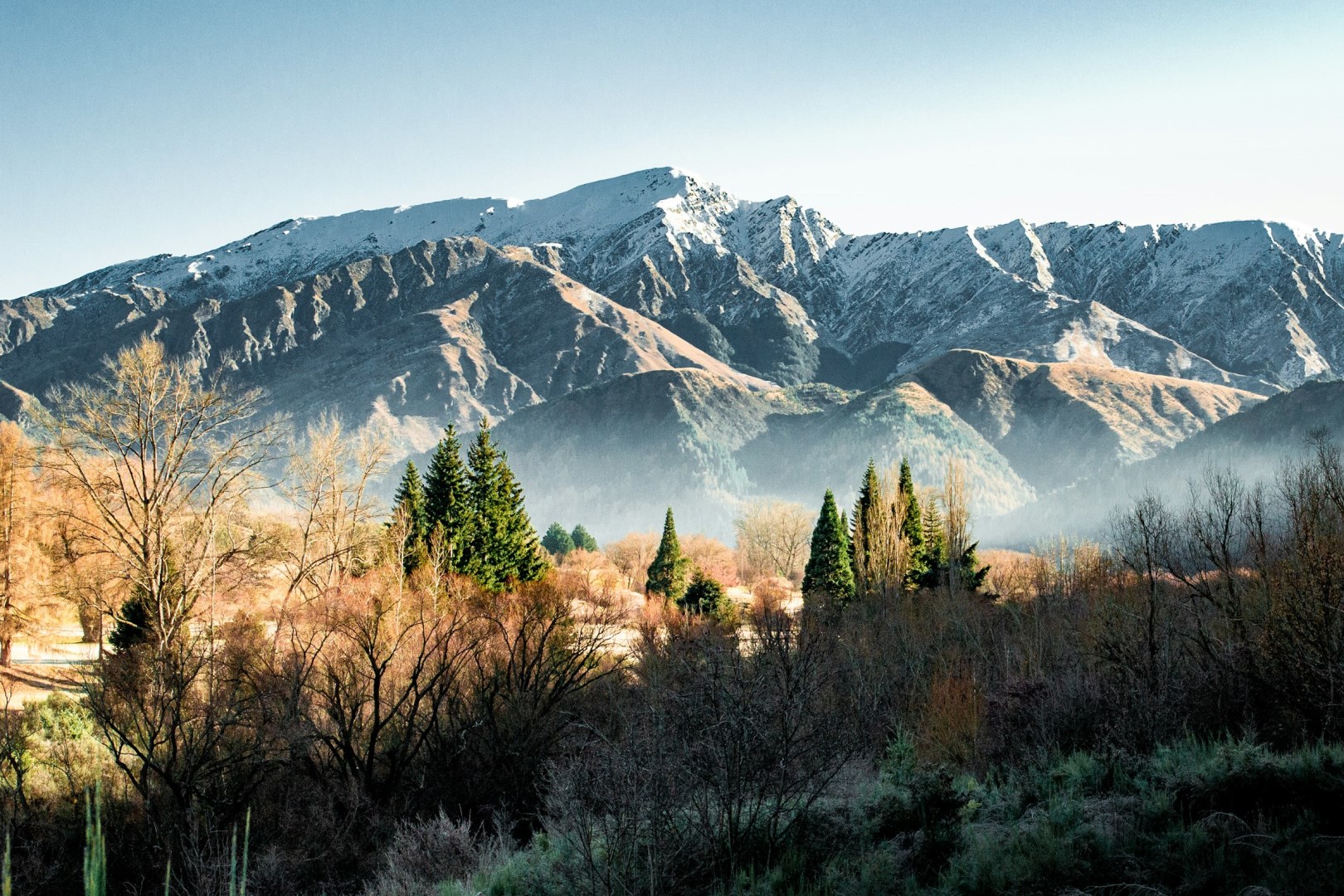
Arrowtown
Arrowtown, New Zealand, is a quaint town steeped in gold rush history, nestled along the Arrow River in the Otago region. The town’s heritage buildings, many carefully preserved from the 19th century, offer a glimpse into its past as a thriving mining settlement.
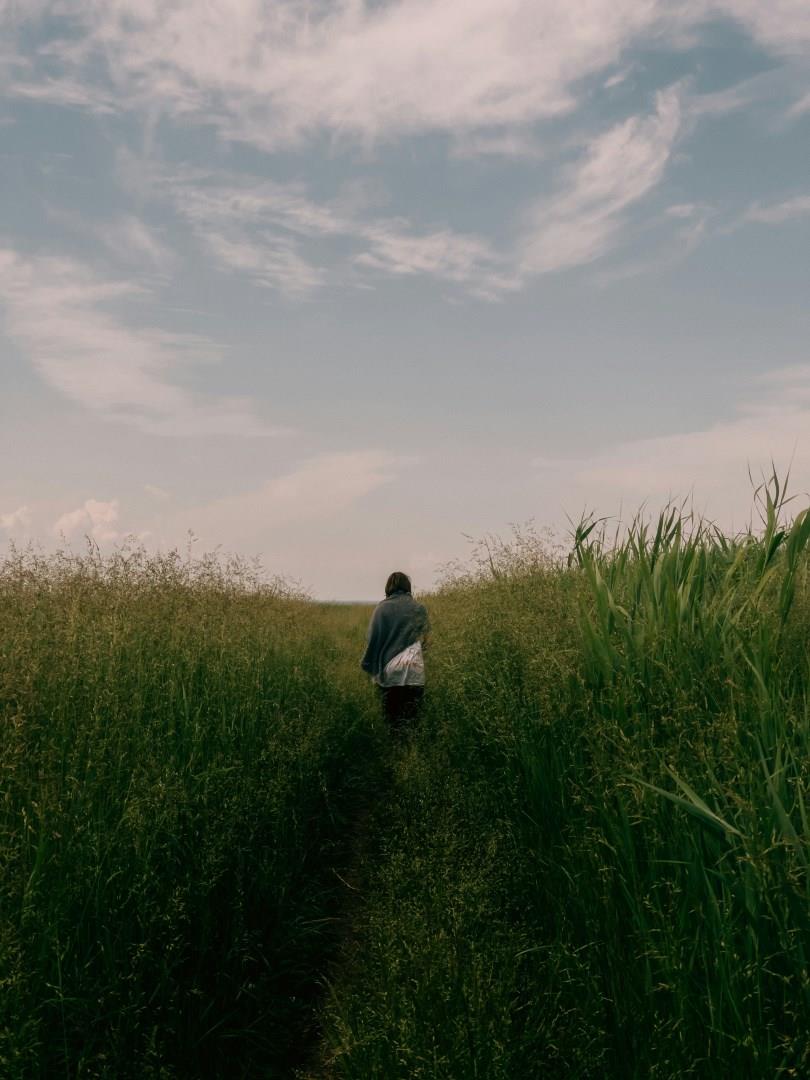
Parnu
Pärnu, often called Estonia’s “summer capital,” is a charming seaside city known for its long sandy beaches, historic architecture, and vibrant spa culture. Located along the coast of the Gulf of Riga, Pärnu has been welcoming visitors since the 19th century, when it became one of Northern Europe’s premier spa destinations.

Machu Picchu
Machu Picchu is a story carved into stone, perched nearly 2,500 meters above sea level in the cloud forests of southern Peru. Built in the 15th century and later abandoned, this Inca citadel was unknown to the outside world until 1911, when explorer Hiram Bingham brought it to international attention. Today, it remains remarkably well-preserved, with more than 150 stone structures, terraced fields, ceremonial fountains, and temples aligned with astronomical events.

Manila
Manila is the capital of the Philippines and a densely built city on the eastern shore of Manila Bay. It serves as a major center for government, commerce, education, and the arts, while its neighborhoods reveal different layers of Filipino life. The Pasig River connects the city to the wider metropolitan area, and the waterfront remains an important part of its setting. Manila is especially known for Intramuros, the walled historic district at the heart of the city.
