
Copper Canyon
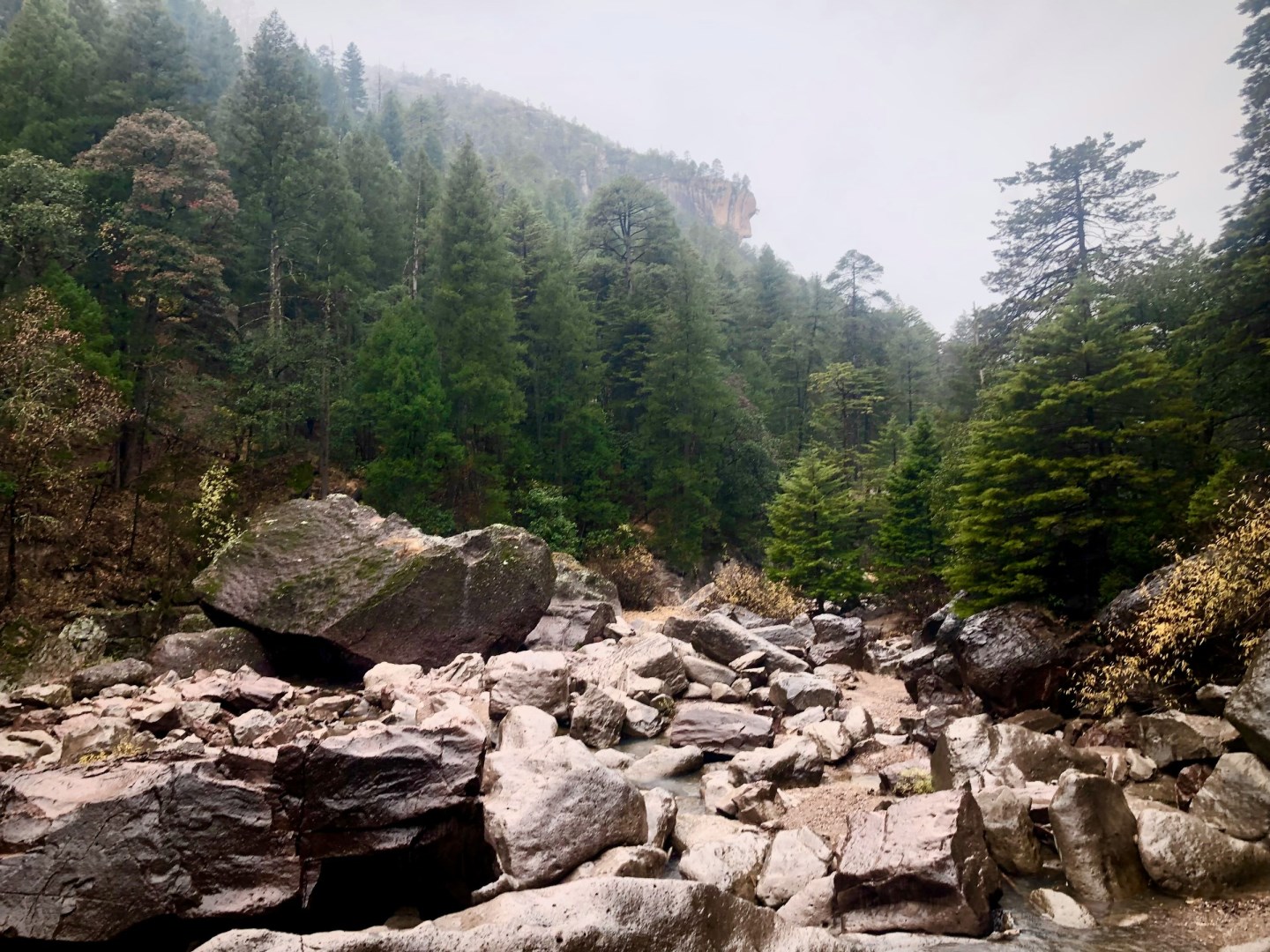
Copper Canyon is actually not a single canyon, but rather a series of more than 20 canyons running through the northern region of Mexico. The canyon covers over 20,000 square miles and is four times larger than the Grand Canyon in the United States.
Saty
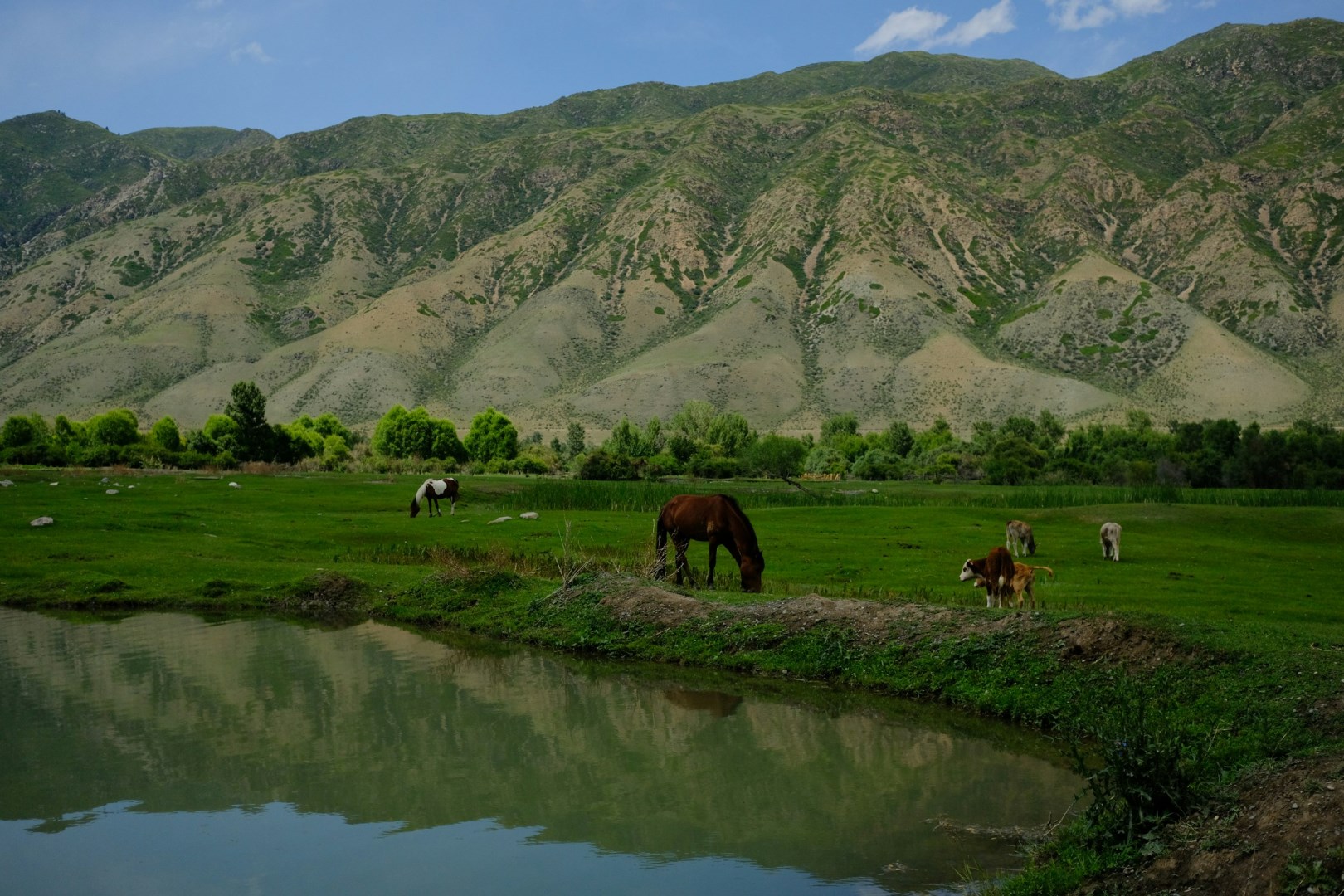
Saty is a small mountain village in the Almaty Region of southeastern Kazakhstan, set at the foot of the Tian Shan ranges. It serves as the main gateway to Kolsai Lakes National Park and is the usual base for visits to the Kolsai Lakes and nearby Kaindy Lake. The village is surrounded by open valleys, mountain slopes, and coniferous forests, giving it a rural setting closely connected with the surrounding landscape.

Las Vegas
Las Vegas, Nevada, is an electrifying city where glitz and glamour meet entertainment and excitement. Known as "The Entertainment Capital of the World," Las Vegas offers an unparalleled array of attractions, from its iconic casinos and luxurious hotels to its world-class dining and live shows. The city's entertainment scene is second to none, featuring legendary headliners, cutting-edge performances, and an array of themed attractions.
Baracoa
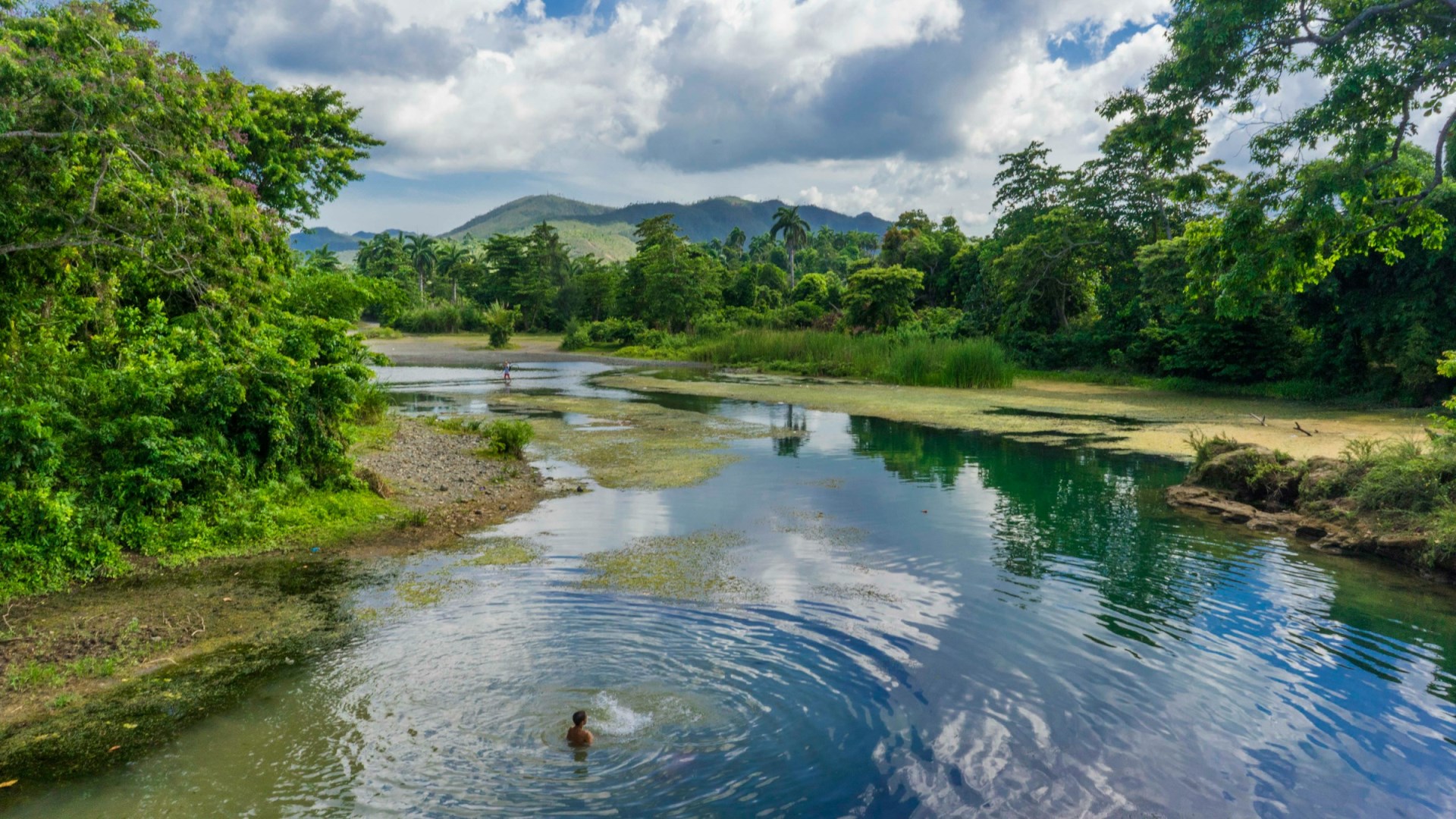
Baracoa is a historic coastal city in eastern Cuba, set between the Caribbean Sea and the forested mountains of the Cuchillas del Toa region. Often described as Cuba’s first Spanish-founded villa, it occupies a sheltered bay beneath the distinctive flat-topped El Yunque mountain, which has become a symbol of the city.
Opatija
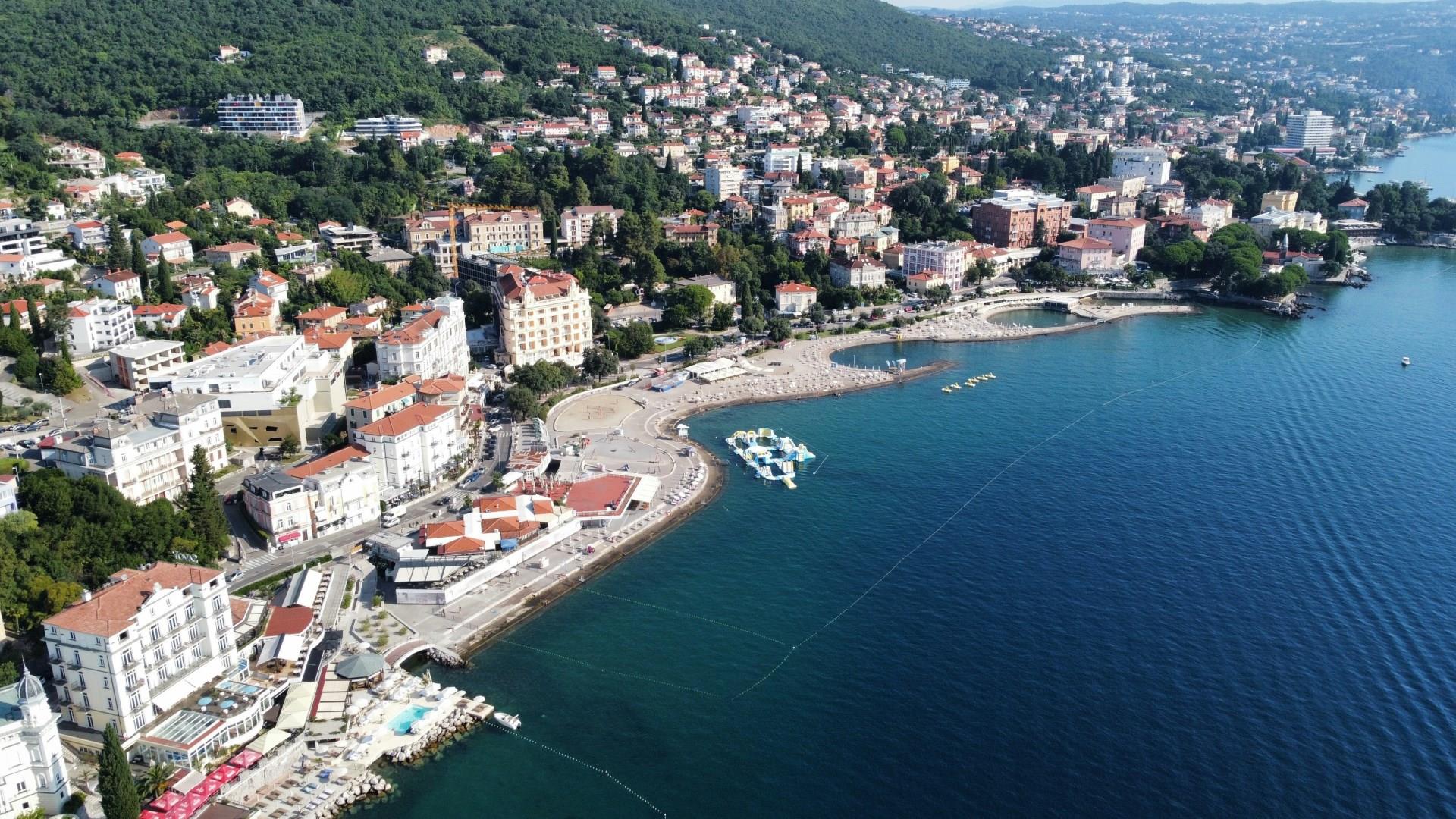
Opatija, located on Croatia’s Kvarner Bay, has been drawing visitors since the 19th century, when Austro-Hungarian aristocrats built grand villas along its Adriatic shoreline. Today, many of those same buildings still stand with some restored as luxury hotels and others preserved as cultural landmarks. The town’s most recognizable structure, Villa Angiolina, opened in 1844 and marked the start of Opatija’s rise as a fashionable seaside resort.
