
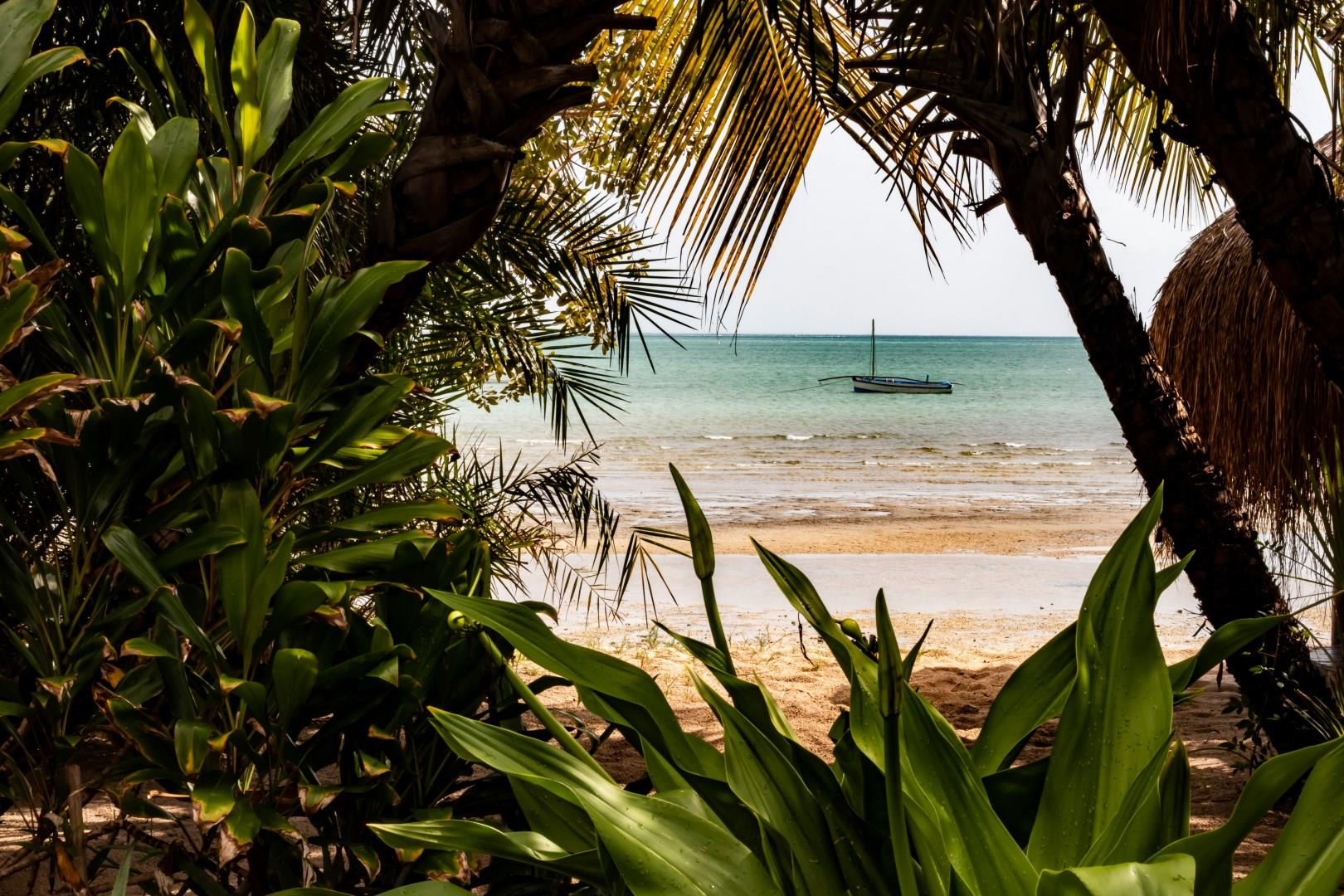
Benguerra Island
Benguerra Island, part of Mozambique’s Bazaruto Archipelago, is a tropical paradise known for its pristine beaches, turquoise waters, and rich marine life. Accessible by boat from Vilankulo, the island offers a secluded retreat where visitors can enjoy sun-soaked sandbanks, coral reefs, and the gentle sway of palm trees. Its small size and limited development help maintain an intimate atmosphere that feels far removed from bustling tourist hubs.
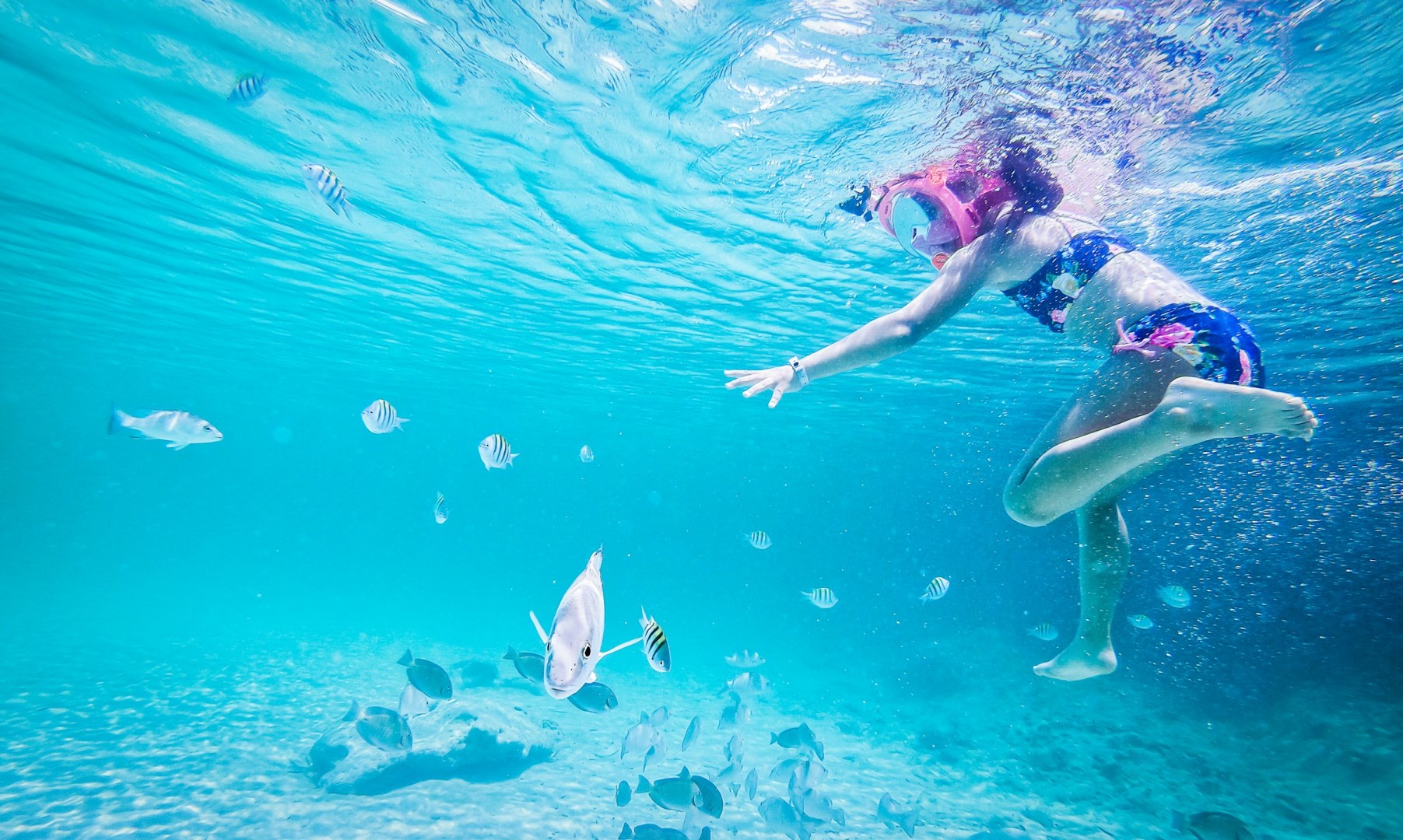
Cayo Santa Maria
Cayo Santa María is a small island off the north coast of Cuba, part of the Jardines del Rey archipelago in Villa Clara Province. It is connected to the mainland by a causeway crossing the shallow waters of the Bahía de Buenavista. The island is known for white-sand beaches, clear Caribbean water, coastal lagoons, mangroves, and low limestone terrain.
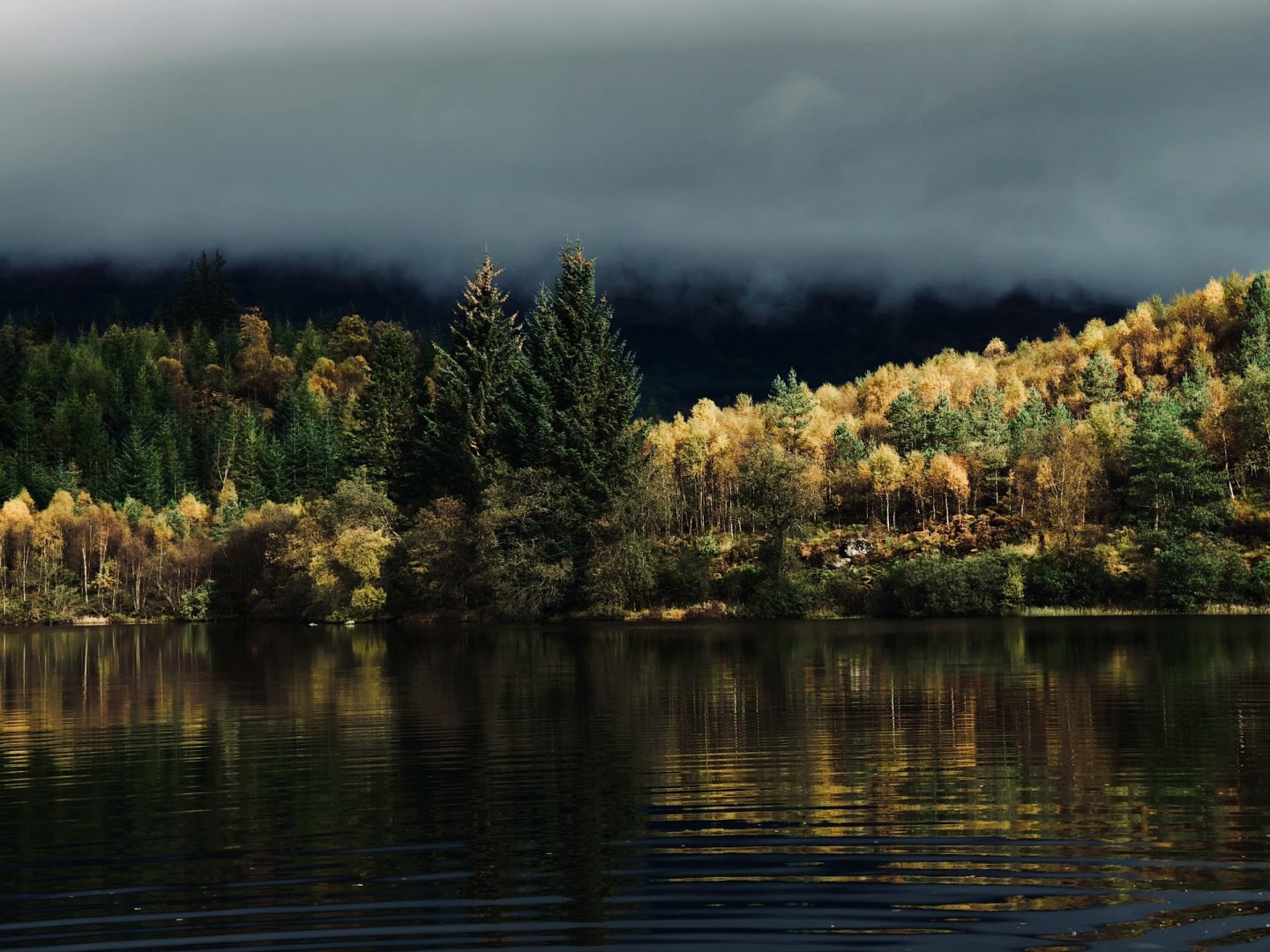
Stirling
Home to Stirling Castle, Sterling, is a picturesque and historical town located in the heart of Scotland.
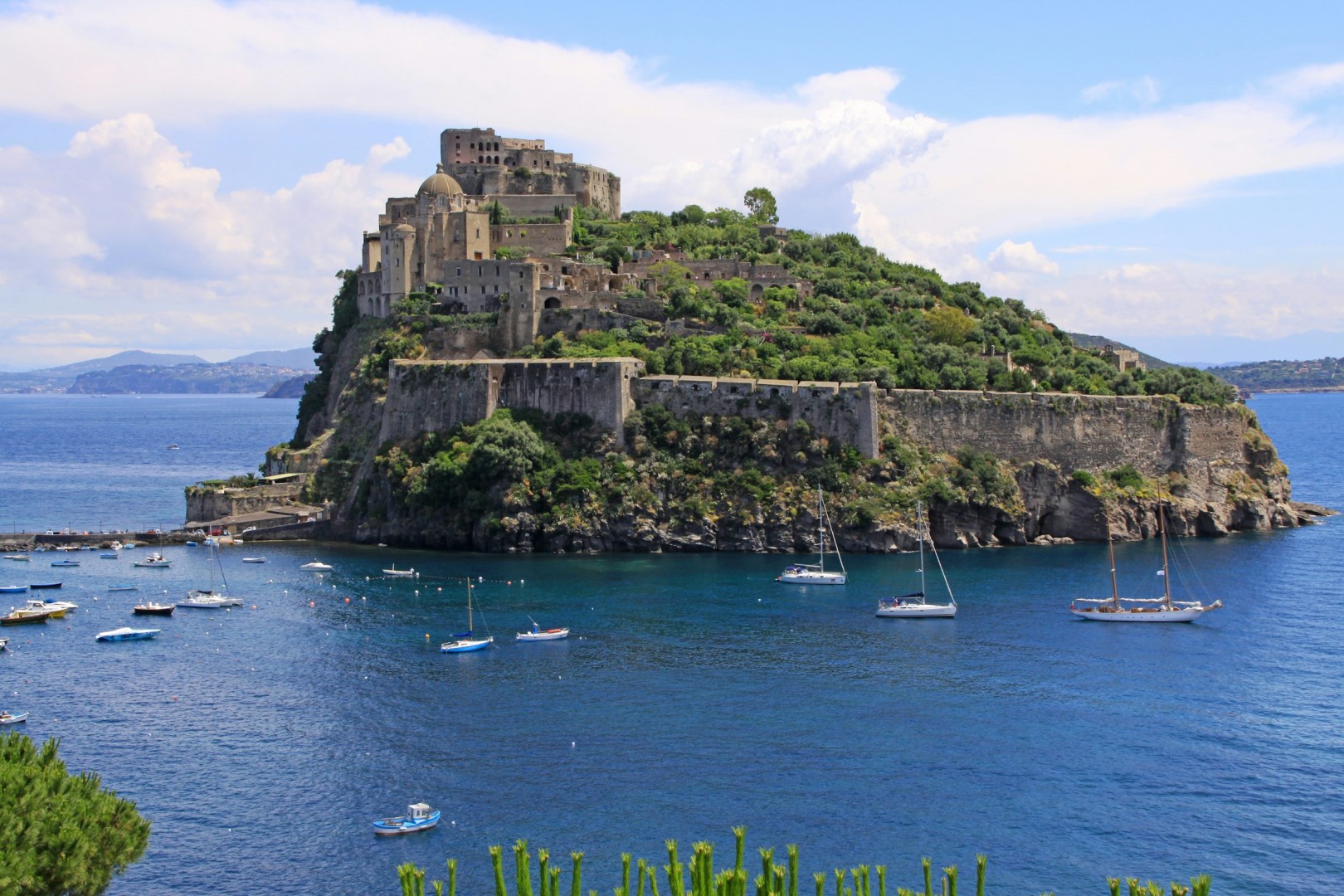
Ischia
The largest island in the Bay of Naples, it is known as the 'Emerald Isle' because of its lush green landscape.
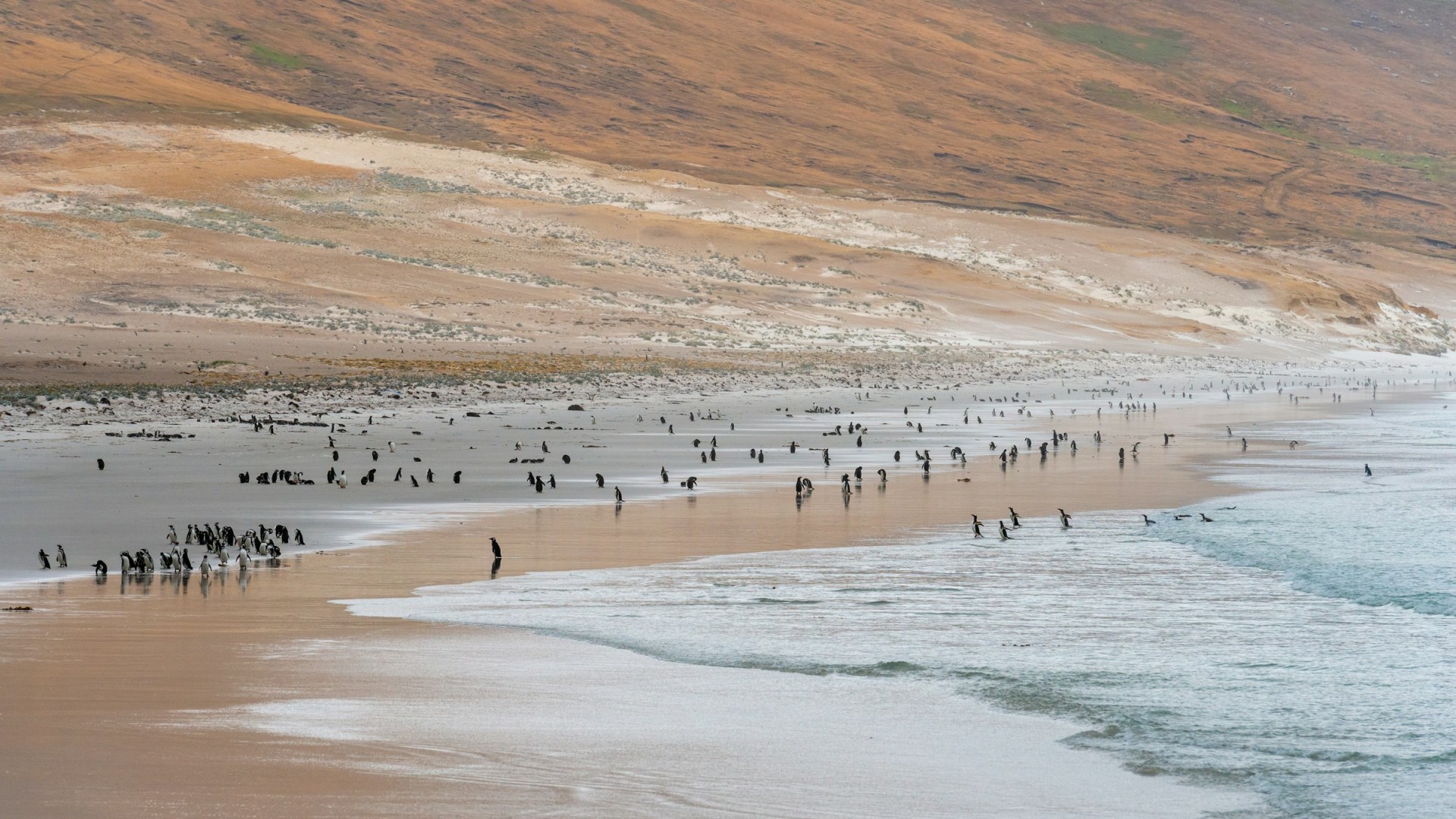
Saunders Island
Saunders Island, located in the northwestern part of the Falkland Islands, is a haven for wildlife enthusiasts and history buffs alike. This remote and rugged island, covering over 49 square miles, offers visitors the chance to experience nature at its most pristine. Saunders Island is one of the few places in the world where you can observe five species of penguins, Gentoo, King, Magellanic, Rockhopper, and the occasional Macaroni, all in one location.
