
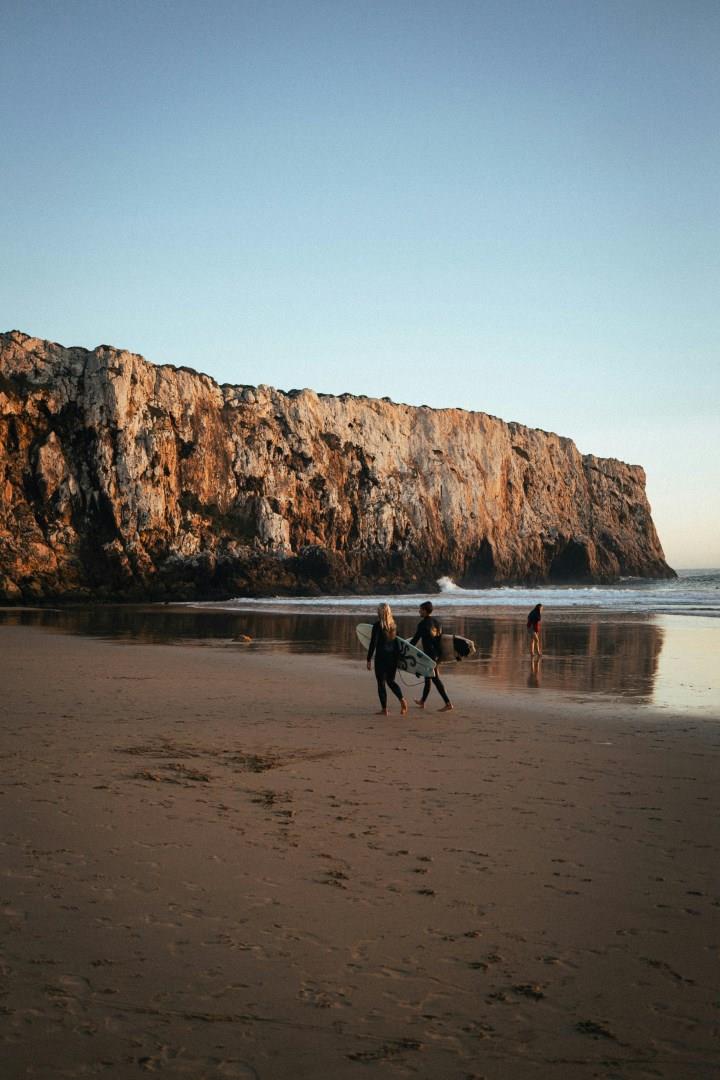
Sagres
Sagres sits at the southwestern edge of continental Europe in Portugal’s Algarve region, where the Atlantic’s wide horizon meets rugged cliffs and open skies. For centuries this point was linked to maritime adventure and visitors can still feel that sense of discovery in the air. Here, people like Prince Henry the Navigator gathered cartographers, shipbuilders and astronomers in the 1400s to push beyond maps of the known world and shape the early Age of Discovery from Sagres’ dramatic headlands.
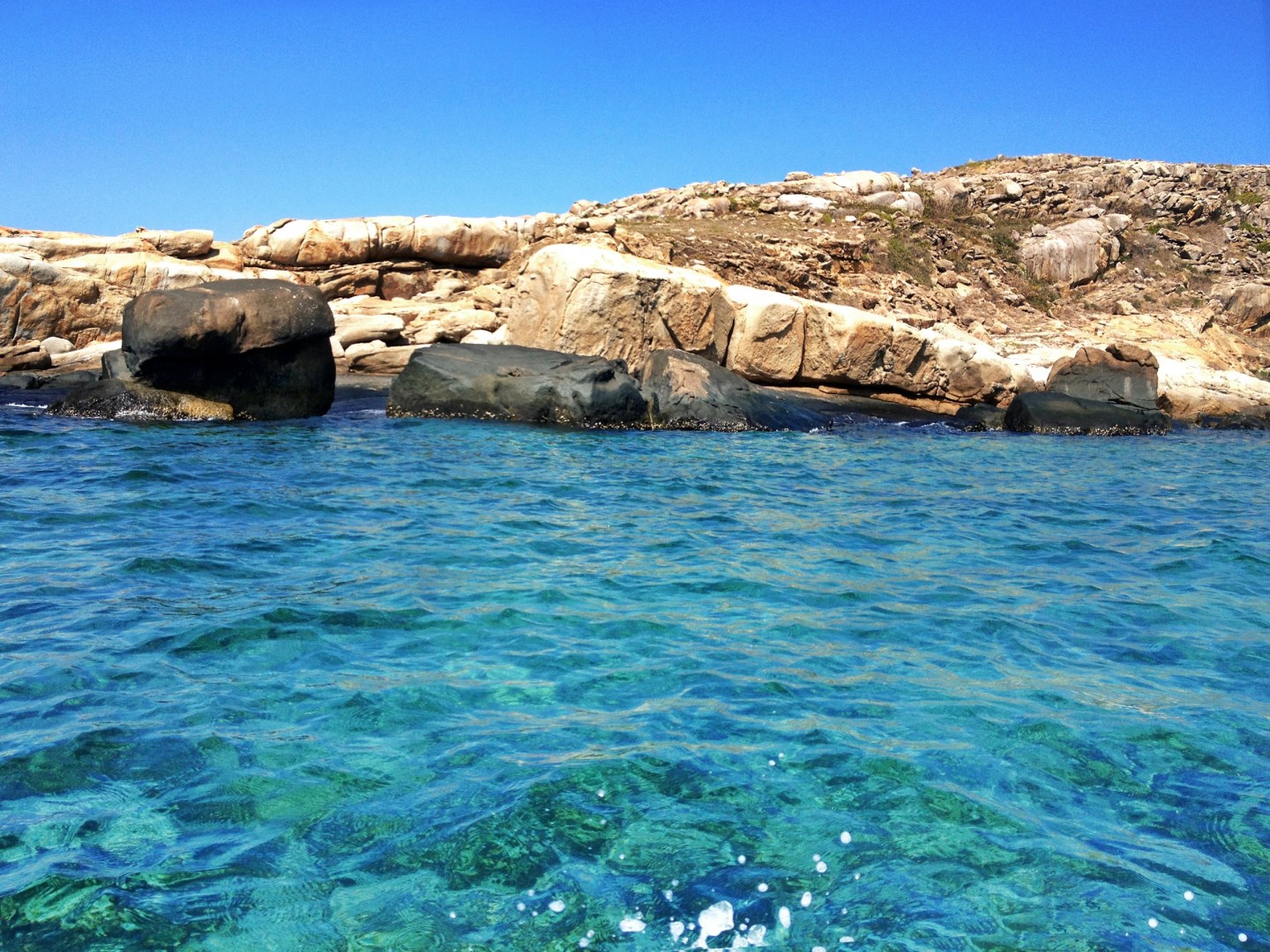
Lizard Island
Seclusion is the name of the game on Lizard. It's a large national-park island and surrounded by Osprey Island, Seabird Islet, South and Palfrey islands. Lizard has special historical interest due to Captain Cook's visit. It also has fine diving and fishing possibilities, 23 superb beaches (among the reef's best) and great swimming and snorkelling.
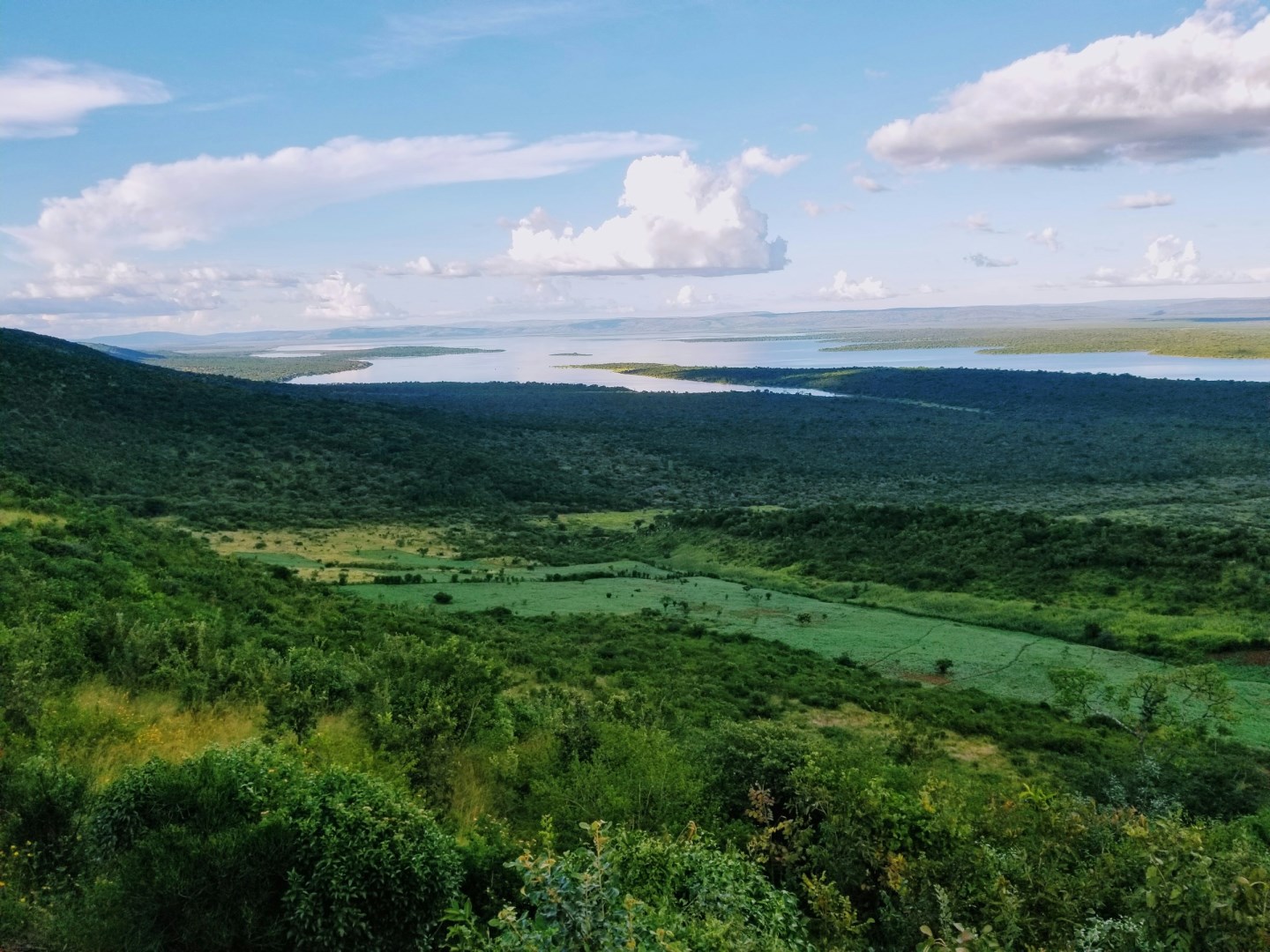
Akagera National Park
Akagera National Park occupies Rwanda’s northeastern corner along the border with Tanzania and is the country’s only protected savanna region. Its relatively low-lying landscape contains rolling hills, open grasslands, woodland, papyrus wetlands, and a chain of lakes connected by the Akagera River system.

Sete
Sète is a lovely port city in southern France, often called the "Venice of Languedoc" because of its many canals. The old port area is full of history and charm, making it a great place to explore. Visitors can stroll along the canals while observing the daily activities of fishermen and admire the array of boats moored along the quays.
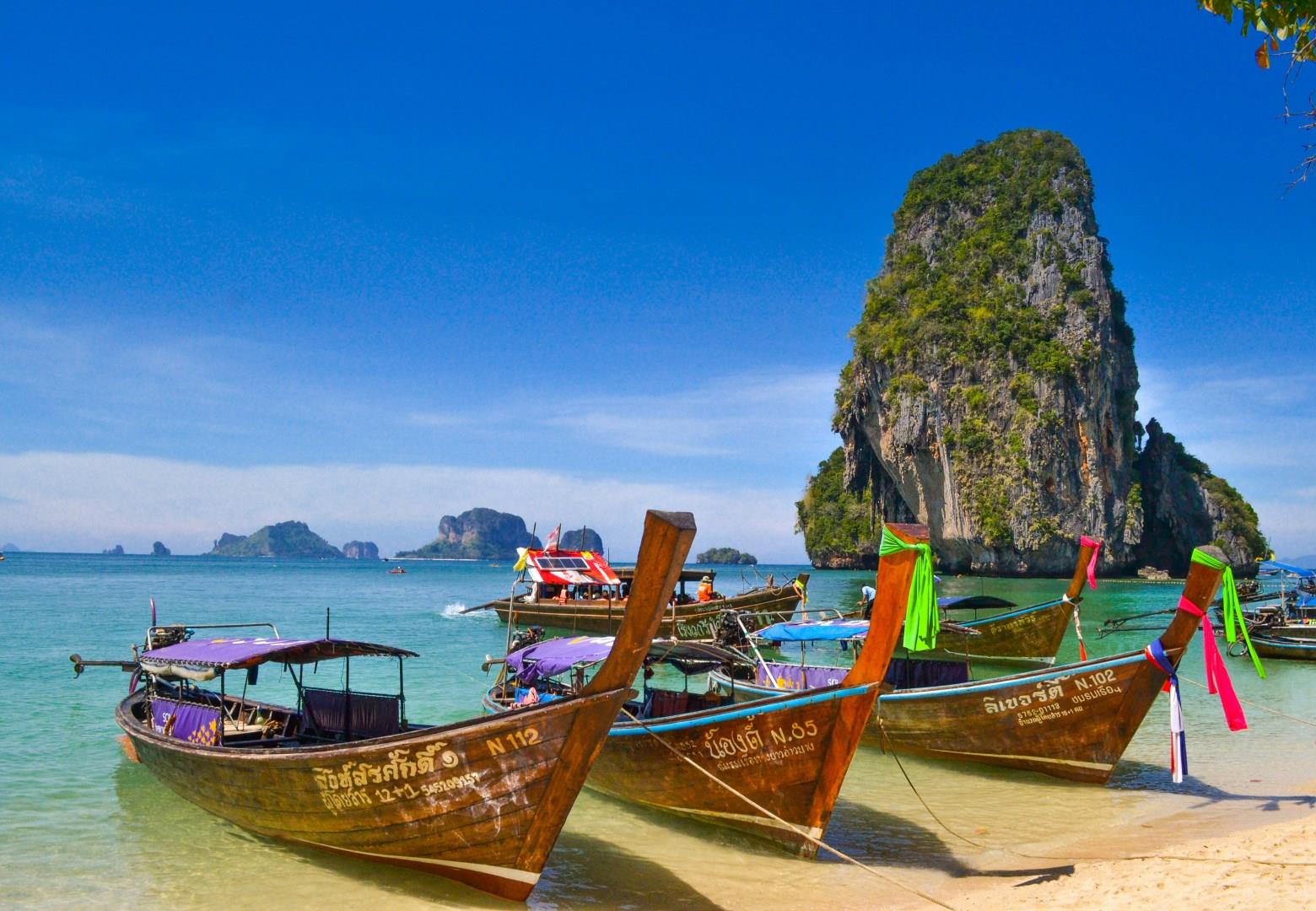
Krabi
Krabi, located on the southwest coast of Thailand, is known for its towering limestone cliffs, warm Andaman waters, and a coastline dotted with over 150 islands. One of its most iconic sites is Railay Beach, which is accessible only by boat due to the cliffs that cut it off from the mainland. Railay is famous among rock climbers for its natural limestone formations, some of which hang directly over the sea.
