
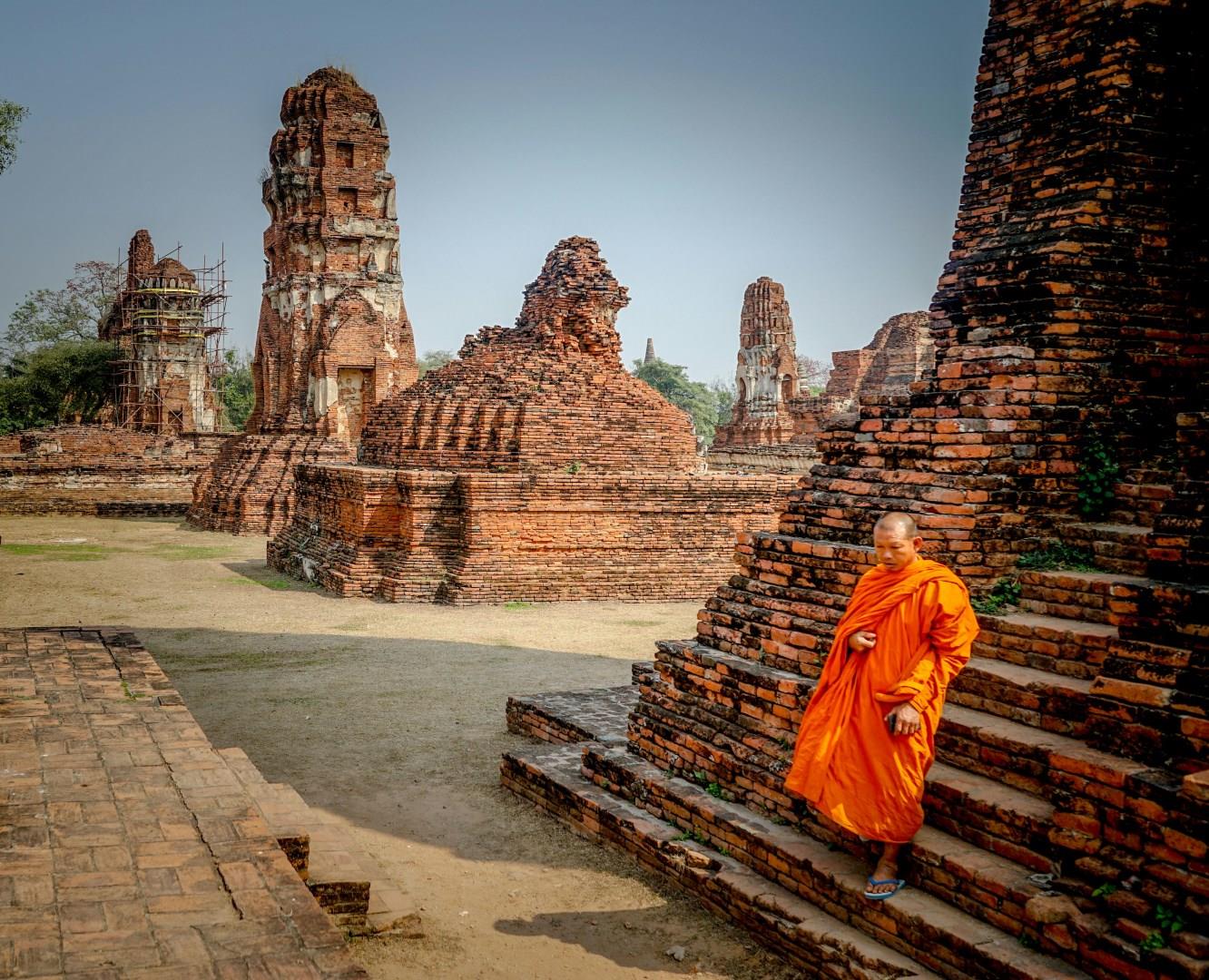
Ayutthaya
Ayutthaya, located about 80 kilometers north of Bangkok, Thailand, was the capital of the Ayutthaya Kingdom from the 14th to the 18th century. Its ruins, set among rivers and canals, reveal a once-thriving city that was a hub of trade, politics, and culture, linking Southeast Asia with China, India, and Europe.
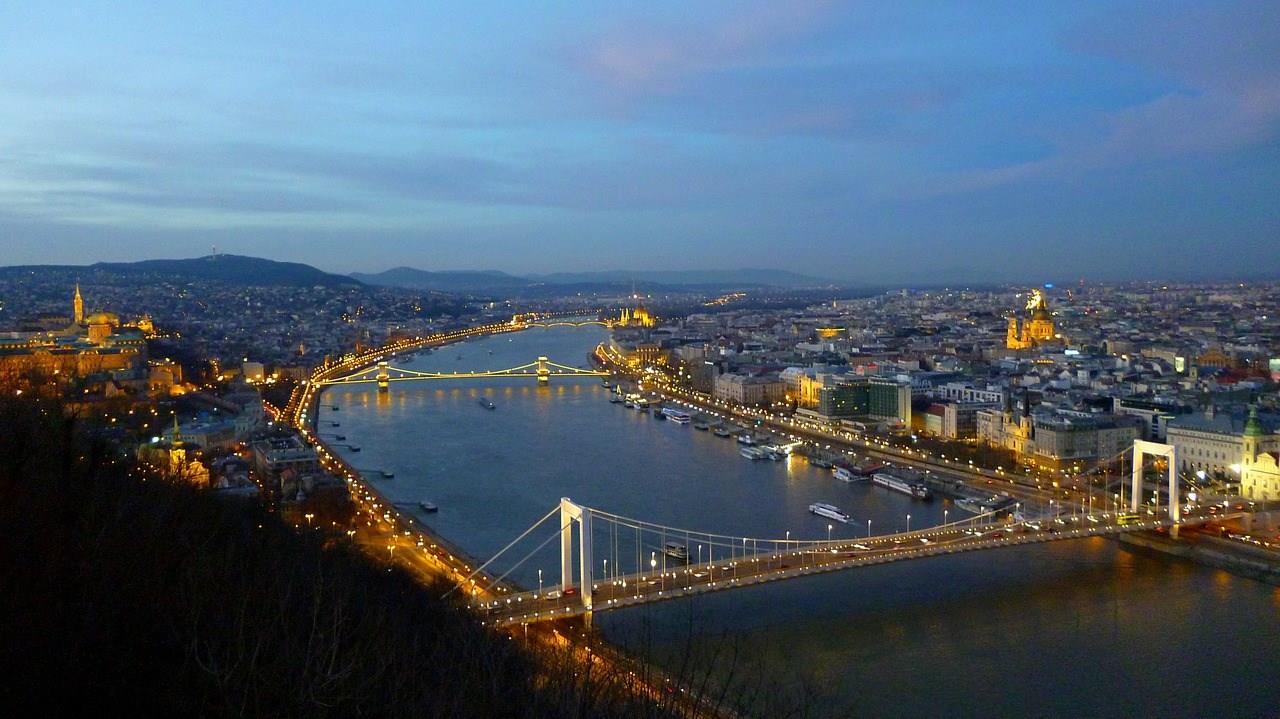
Danube
Coursing through 10 countries, the Danube is the second-longest river in Europe. This waterway, lined with fortresses and castles, rises in Germany's Black Forest and runs for 1,770 miles to the Black Sea. The Danube is an essential commercial thoroughfare for central and southeastern Europe, and several river cruise companies sail vessels on it year-round. Destinations along this river include Vienna, Budapest, Passau and Bratislava.

Nuku Hiva Island
Nuku Hiva is the largest of the Marquesas Islands in French Polynesia, a place where scale and isolation shape both history and daily life. Long before European contact, the island supported complex Marquesan societies known for stone architecture, tattoo traditions, and ceremonial sites, many of which remain scattered across its valleys.
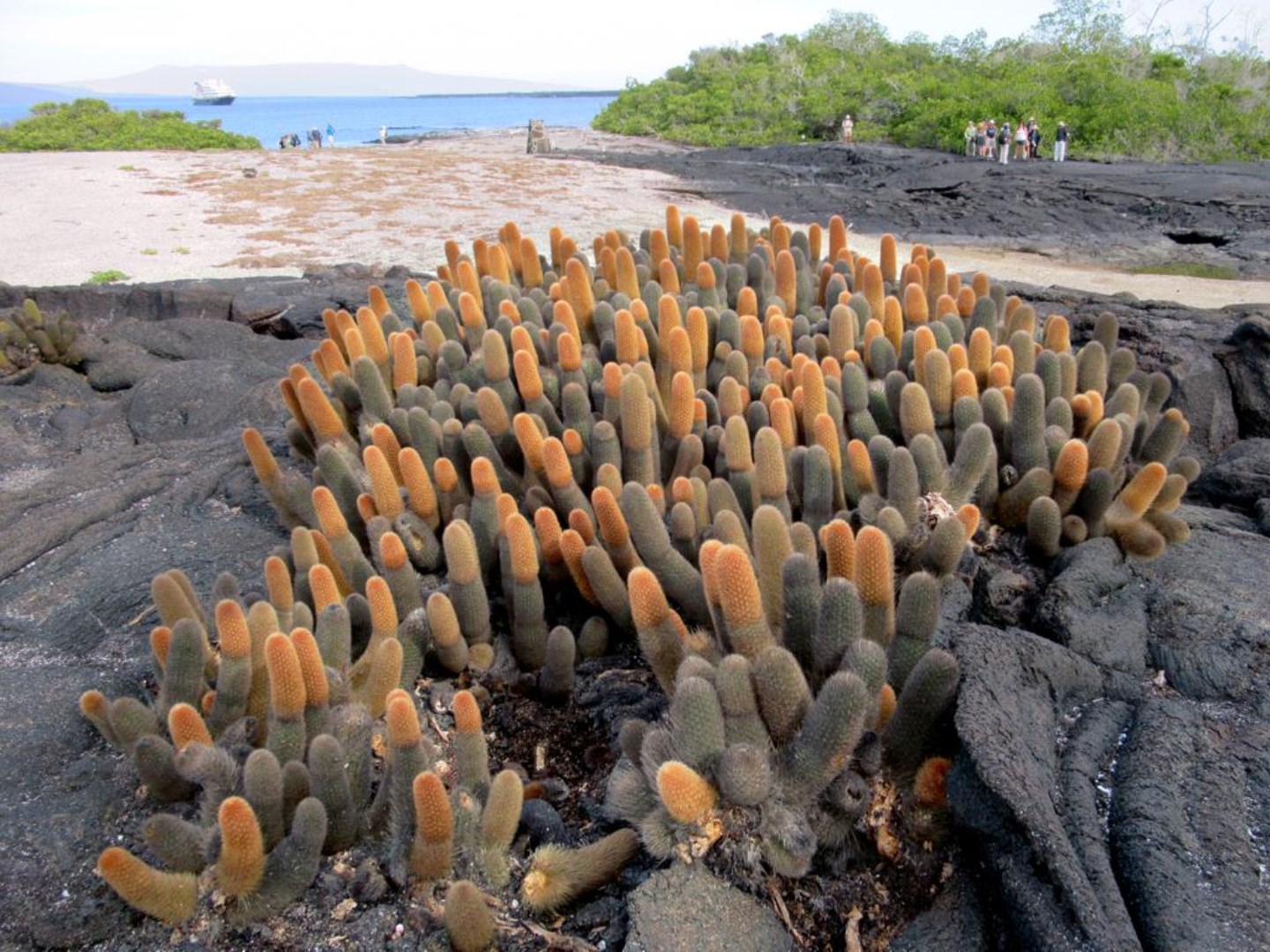
Punta Espinosa
Punta Espinosa is located on Fernandina Island in Ecuador’s Galápagos archipelago, an island shaped by recent volcanic activity and isolated landscapes. The site is known for its dark lava fields, sparse vegetation, and large populations of marine iguanas resting along the shoreline.
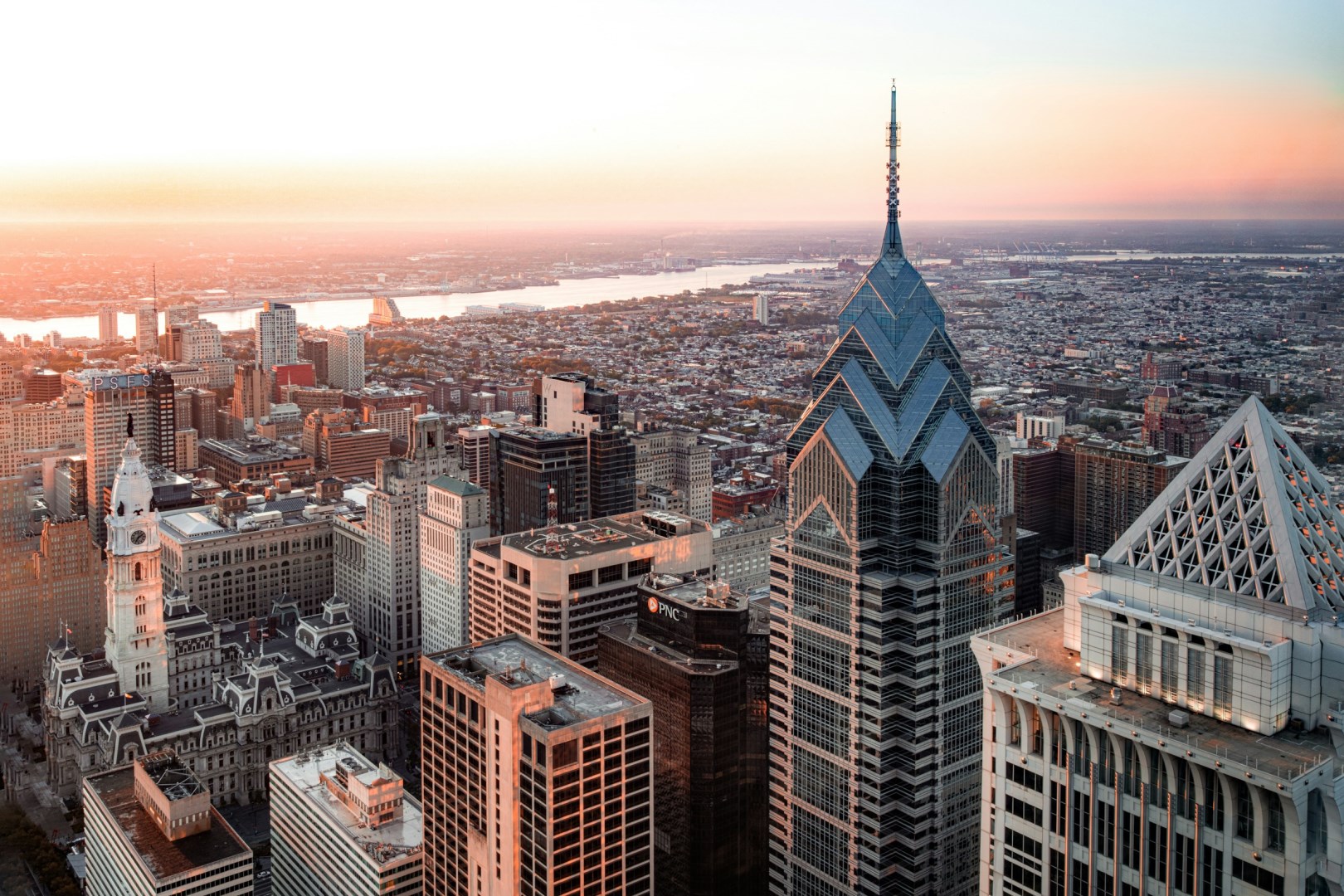
Philadelphia
Philadelphia, the birthplace of American democracy, offers visitors a rare opportunity to walk through the very streets where the nation’s founding ideals were debated, signed, and set into motion. The city's art scene is as bold as its history. The Philadelphia Museum of Art is home to works by Van Gogh, Duchamp, and an entire Japanese teahouse, but it might be better known for the "Rocky Steps" out front, where visitors recreate the famous movie scene daily.
